With 88.6% of votes counted, Netanyahu bloc holds 53 seats to Eisenkot's 48
Partial results show no movement between Israel's two main blocs as counting passes 88.6%, leaving the Arab parties' 19 seats outside both camps.
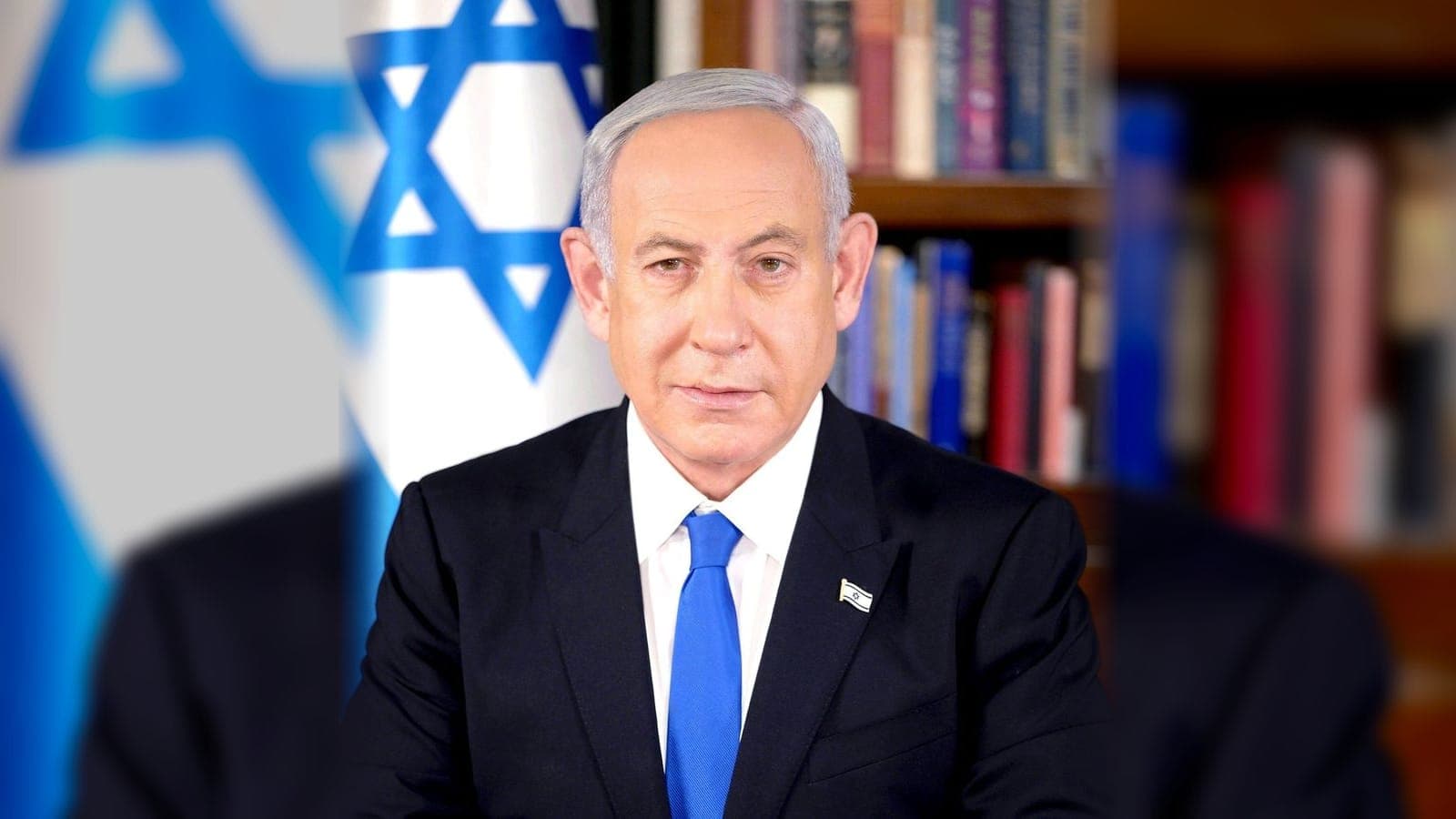
Benjamin Netanyahu. File photo by Avi Ohayon, CC BY-SA 3.0, via Wikimedia Commons.
With roughly 88.6% of ballots tallied in Israel's general election, the bloc around Prime Minister Benjamin Netanyahu stands at 53 seats and the bloc associated with Eisenkot at 48, according to an alert from the Israeli news site Ynet. The Times of Israel, citing the Central Elections Committee, reported that the latest update produced no change in how seats are distributed.
A party-by-party breakdown posted on the Telegram results channel run by political commentator Amit Segal, updated at 20:48:26 on 28/10/2026, said 171,490 additional votes had been added in that round. It put the Likud first with 26 seats, followed by Yashar with 21.
On the ground

🇮🇱 🗳️ Netanyahu bloc leads after two-thirds of Israeli votes counted, no majority Two-thirds of the votes have been counted in Israel's pivotal general election, with Prime Minister Benjamin Netanyahu’s camp ahead of his main rival Gadi Eisenkot's opposition bloc. The partial Show more
The seat count by party
The figures on Segal's channel, which are partial and can still shift as counting continues, were as follows:
- Likud: 26
- Yashar: 21
- Joint List: 12
- Beyachad (Together): 12
- The Democrats: 8
- Yisrael Beytenu: 7
- Ra'am: 7
- United Torah Judaism: 7
- Otzma Yehudit (Jewish Power): 7
- Shas: 7
- Religious Zionism and Zehut: 6
Two lists were shown below the electoral threshold, the minimum share of the national vote a party needs to win any seats: the Reservists and Economic list at 2.63%, and Amcha Yisrael at 1.61%. Votes cast for lists that fall short of the threshold do not translate into seats.
How the blocs are described
Israeli elections are fought between parties, but results are widely read in terms of blocs, because no single party has ever won a majority in the Knesset, the country's parliament, on its own. Governments are formed by coalitions, and the question on election night is which group of parties can combine to reach a majority.
Israel's week in five stories, every Friday
Sourced and checked by the Israel.com newsroom, with Shabbat times. Free, one-click unsubscribe.
One list, unsubscribe in a click. See our privacy policy.
The reports label the two camps differently. Ynet refers to a Netanyahu bloc and an Eisenkot bloc. Segal's channel calls the 53-seat camp the current coalition and the 48-seat camp the change bloc. The Telegram channel Abu Ali Express also uses the term change bloc for the 48 seats. All three agree on the same figures: 53 and 48.
Neither camp reaches a majority on these numbers. That leaves the Arab-led parties outside both blocs as they are presented. Abu Ali Express grouped them together at 19 seats, while Segal's channel listed them separately: the Joint List with 12 and Ra'am with 7.
Next story Elections
Netanyahu bloc at 53 seats, Eisenkot bloc at 48 as regular ballots fully counted
Who counts the votes
The Central Elections Committee is the body responsible for running national elections in Israel and publishing official results. Counting proceeds through the night, and figures are released in stages as ballot boxes are tallied. Media outlets and commentators relay each update, which is why the reports here arrived within minutes of one another and in slightly different forms.
Where the reports differ
The differences are minor but worth noting. Ynet, The Times of Israel and Segal's channel give the share of votes counted as 88.6%, while Abu Ali Express wrote 88%. Segal's figure is described as approximate. The reports also use different names for the blocs, as set out above, and differ on whether to present the Arab parties as one group or as two separate lists.
What the reports do not say
The reports give no figure for voter turnout and do not say when final results are expected. They do not state which bloc each individual party belongs to beyond the overall totals, so this article does not assign parties to camps. They do not explain which party Eisenkot leads, or whether the remaining uncounted ballots are expected to favour either side. None of the reports includes reaction from party leaders, and none addresses how coalition talks might proceed. All figures are partial, and the final distribution of seats may differ.
Read next
All elections →
File photo
Elections
Yashar billboards accuse Netanyahu and Magal after 'monkey' slur on Eisenkot
File photo
Elections
Eisenkot claims exit poll edge, urges Netanyahu to step down and quit politics
File photo
Security
Shin Bet to oversee Gadi Eisenkot's security through Unit 730-directed guards

Illustration
Elections
Hezbollah's Naim Qassem calls Israeli election results a sign of defeat
Sources and further reading
Every link below was opened and checked when this page was written. Official statements are marked as such: they are the subject's own account, not an independent one.
- Reportingyediotht.meYnet alerts
- Reportingtoitimesofisrael.comThe Times of Israel
- Reportingabualiexpresst.meAbu Ali Express
- Reportingamitsegalt.meAmit Segal
How we checked this
The 53 to 48 bloc split was reported by Ynet, Abu Ali Express and Amit Segal's results channel, and The Times of Israel cited the Central Elections Committee on no change in seats. The party-by-party breakdown and threshold figures come only from Segal's channel; Abu Ali Express gave the count as 88% rather than 88.6%.
Our sourcing and corrections policy →The week from Israel, in one email
The stories that mattered, sourced and checked by the Israel.com newsroom. Free, weekly, one-click unsubscribe.
One list, unsubscribe in a click. See our privacy policy.

Israel.com is free, and readers like you keep it that way.
The Israel.com newsroom checks every story against its sources and publishes it free. If this one helped, a contribution of any size keeps the next one free too.
One payment, nothing to sign up for. Another amount
Latest
- Israel's opposition weighs replacing Knesset speaker Ohana, with Lapid floated
- Likud says Arab parties stole the election, asks police and Shin Bet to probe
- Bolsonaro in Miami as Argentina faces calls to probe Milei role in his escape
- United Torah Judaism says only Netanyahu's camp has reached out to the party
- Israel's envoy condemns knife attack on guard at Belgrade embassy
- Six held in villages near Hebron as raid after deadly attack continues