Netanyahu calls Ra'am and Joint List a threat as Knesset is sworn in
Addressing the new Knesset after losing his majority, Netanyahu renewed his call for a unity government and warned rivals against relying on Arab parties' support.
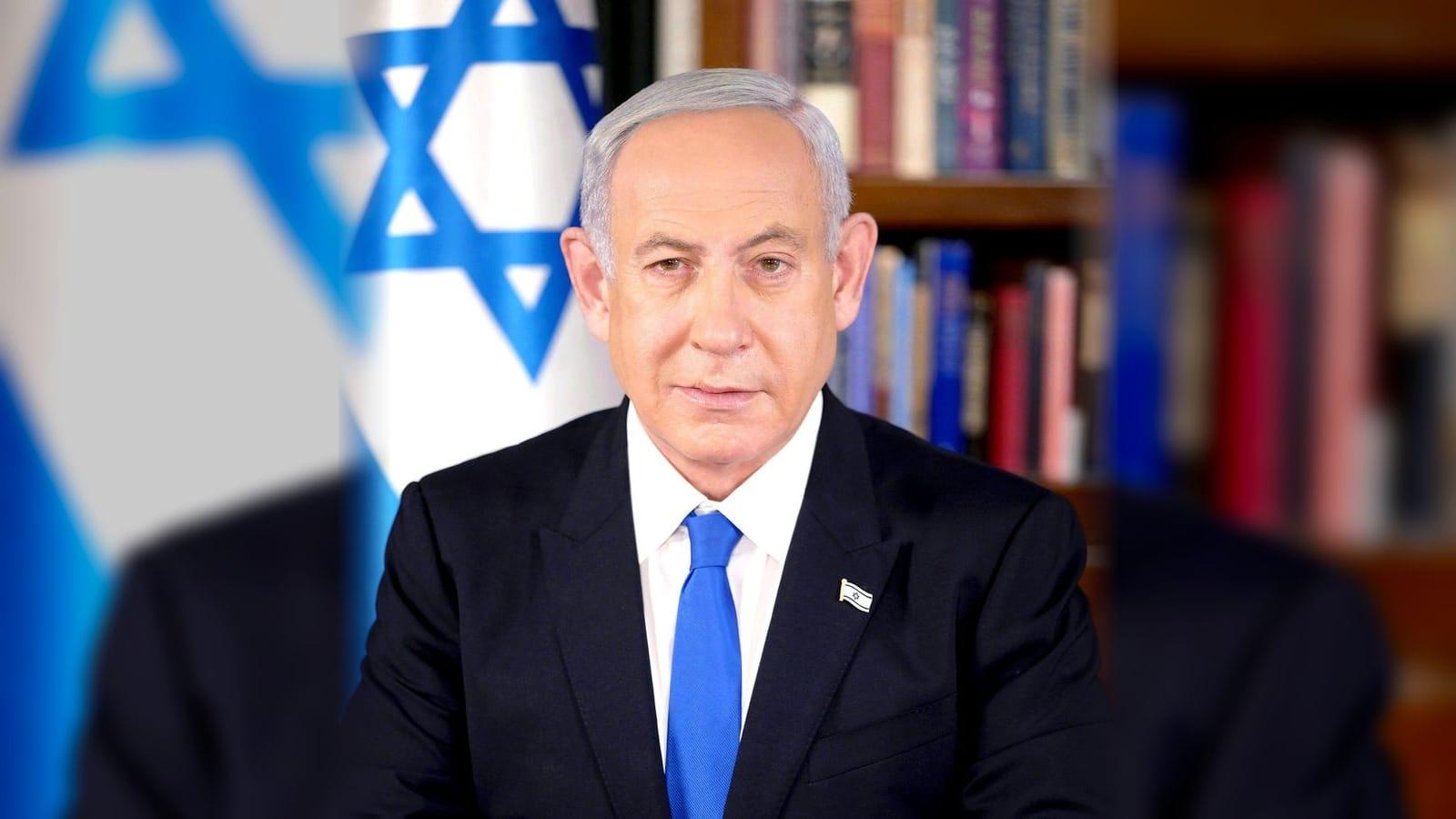
Benjamin Netanyahu. File photo by Avi Ohayon, CC BY-SA 3.0, via Wikimedia Commons.
Prime Minister Benjamin Netanyahu used an address to the newly sworn-in Knesset on November 10, 2026 to repeat his call for a national unity government, while accusing the Arab parties Ra'am and the Joint List of seeking Israel's destruction, The Times of Israel reported. He also warned his political opponents not to depend on the backing of those parties to put together a coalition.
The speech came after Netanyahu lost his parliamentary majority in elections held last month, and after President Isaac Herzog gave the mandate to form a government to Gadi Eisenkot, leader of the Yashar party. According to The Times of Israel, the attack continued a line Netanyahu pursued throughout the campaign, portraying the Arab parties as supporters of terrorism in what the outlet described as an apparent effort to weaken the ability of Eisenkot and his partners to govern with their support.
What the sources posted

בושה! אסור להקים ממשלה מסוכנת עם תומכי הטרור של רע״מ והמשותפת!
What Netanyahu said in the chamber
Alongside the attack on the Arab parties, Netanyahu turned to Iran. He told lawmakers that Iran was working to revive the nuclear threat, and said the only permanent solution was to "overthrow the ayatollahs' regime," according to the Times of Israel account of the speech. The report did not give his full remarks on the unity government proposal, including who he would want it to include or on what terms.
Posts on X the same evening
Later that day, Netanyahu posted two short messages in Hebrew on his X account repeating the theme. In one, he wrote a single word, "Shame!", followed by a warning that a dangerous government must not be established with what he called the terror supporters of Ra'am and the Joint List. In an earlier post, he asked what the difference was between Ra'am and the Joint List, before repeating the same warning. These are Netanyahu's own characterisations of the two parties; neither post offered evidence for the accusation, and they are reported here as what he said.
Who Ra'am and the Joint List are
Ra'am, a Hebrew acronym usually rendered in English as the United Arab List, is a party drawing its support mainly from Arab citizens of Israel and has roots in the Islamic Movement. The Joint List is an alliance of Arab-majority parties that has run together in a number of past elections. Arab citizens make up a significant minority of Israel's population, and parties representing them sit in the Knesset, Israel's parliament.
Get an email the day Israel has a new government.
Coalition talks can take weeks. When a government is sworn in, Israel.com's newsroom emails who leads it, which parties are in and who got which ministry, then the Friday email each week. Free, and one click unsubscribes.
One list, unsubscribe in a click. See our privacy policy.
Whether Jewish-majority parties should form a government that relies on Arab parties, either as coalition members or as outside supporters, has been one of the most contested questions in Israeli politics. Ra'am previously took part in a governing coalition, a step that was unprecedented for an independent Arab party and that Netanyahu and his allies strongly criticised at the time. His remarks this week place that debate at the centre of the current coalition talks.
How Israeli governments are formed
After an election, the president, whose role is largely ceremonial, consults the parties elected to the Knesset and then tasks one member with trying to assemble a coalition that can command a majority. That mandate has now gone to Eisenkot, a former military chief of staff who leads Yashar, rather than to Netanyahu. If the member given the mandate cannot form a government within the time allowed, the process can pass to others.
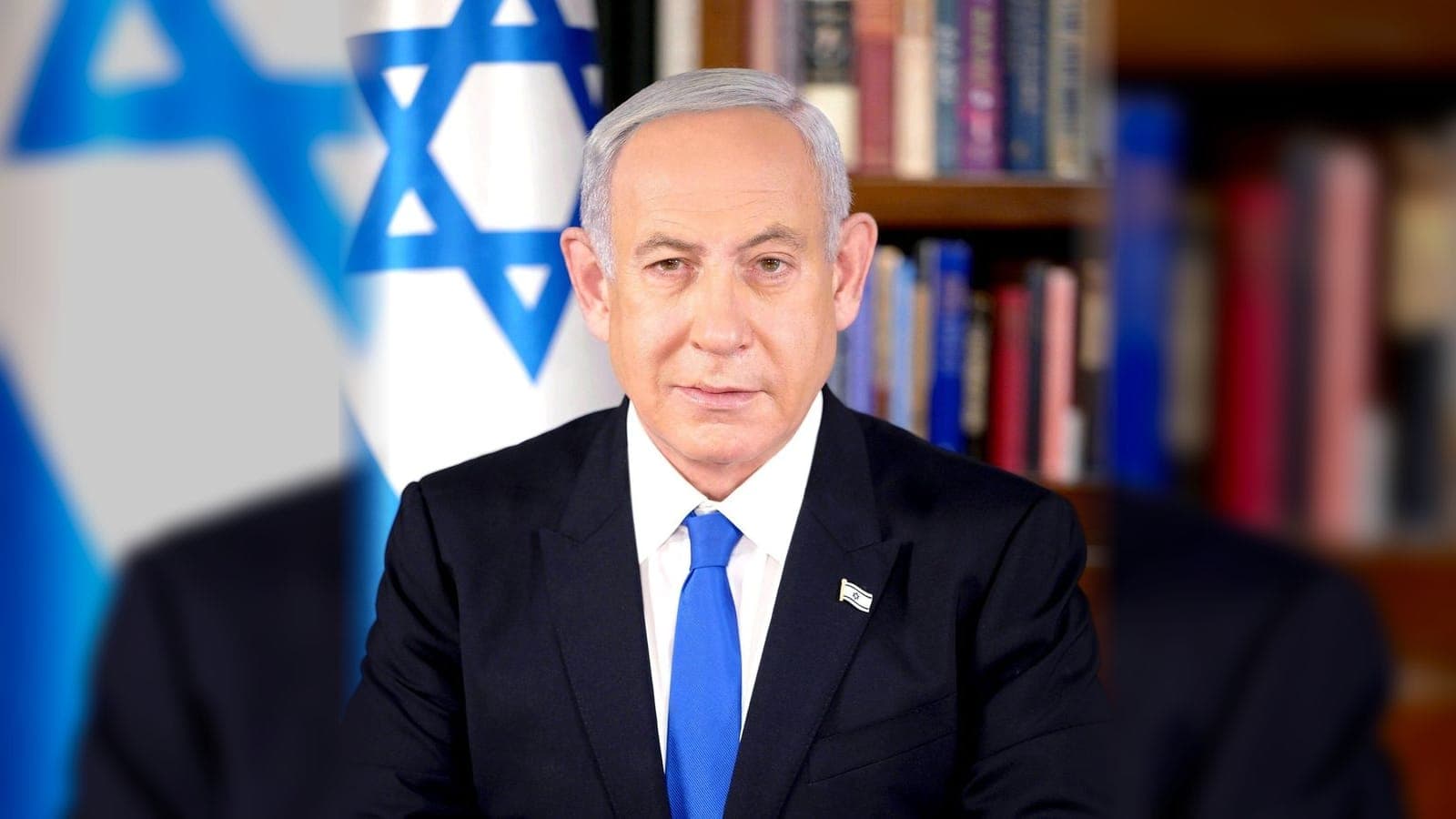
File photo
Next story Elections
Netanyahu offers broad government talks, rules out Ra'am and the Joint List
A national unity government in Israeli usage typically means a broad coalition bringing together the main rival blocs, rather than one side governing with a narrow majority. By calling for one while attacking the Arab parties, Netanyahu is arguing for an arrangement that would include his own camp and exclude Ra'am and the Joint List.
What the reports do not say
None of the reports includes a response from Ra'am, the Joint List, Eisenkot or Yashar to Netanyahu's accusations or to his unity proposal. The reports also do not say whether Eisenkot intends to seek the support of either Arab party, or what form any such support might take, and they do not set out Netanyahu's specific conditions for joining a unity government.
Read next
All elections →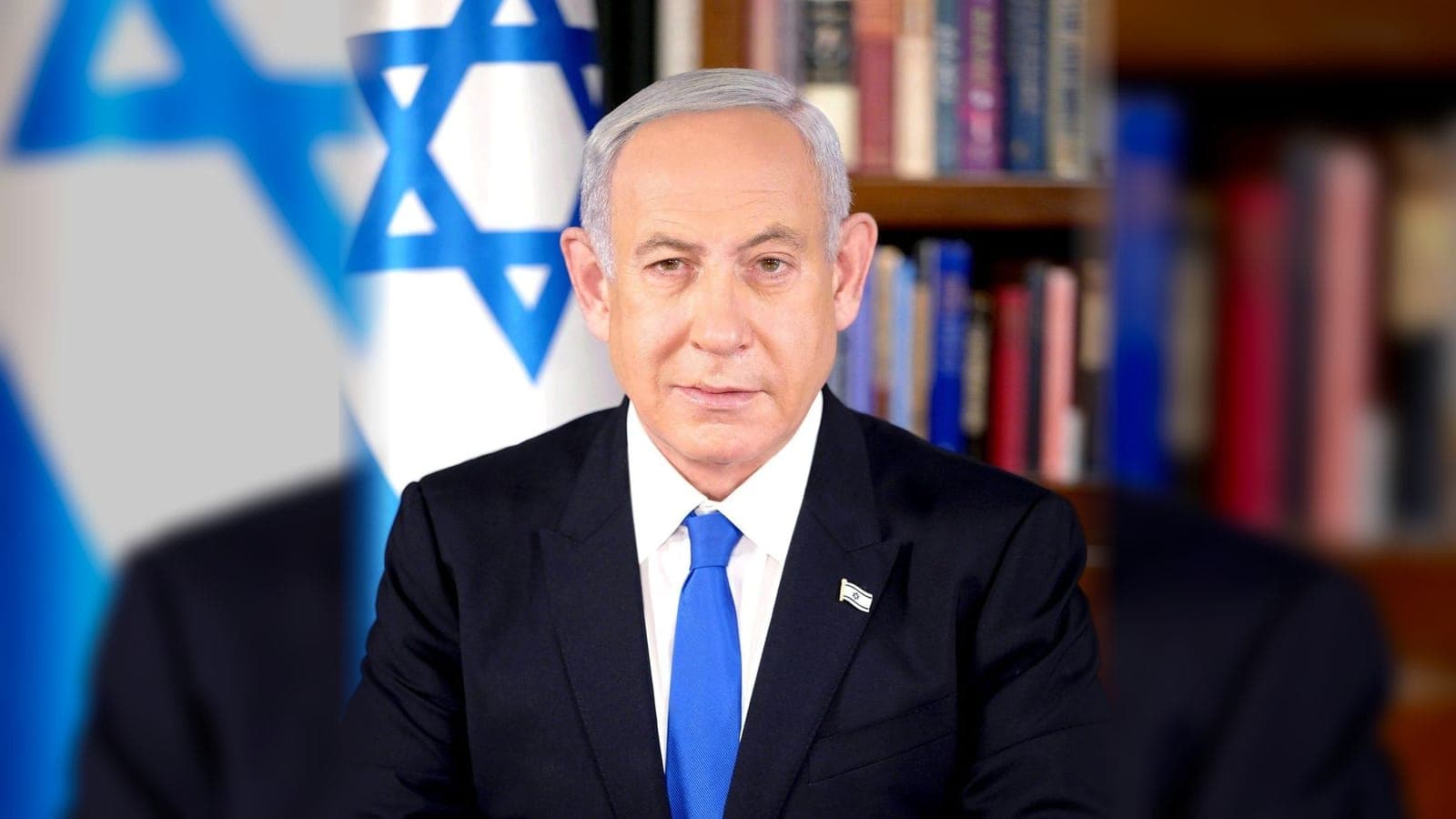
File photo
Security
Netanyahu's acting chief of staff passed Ra'am tip to police, reports say

File photo
Elections
Joint List backs Matan Kahana for Knesset speaker in bid to unseat Ohana

File photo
Security
Joint List accuses Shin Bet chief Zini of serving Netanyahu over reported probe
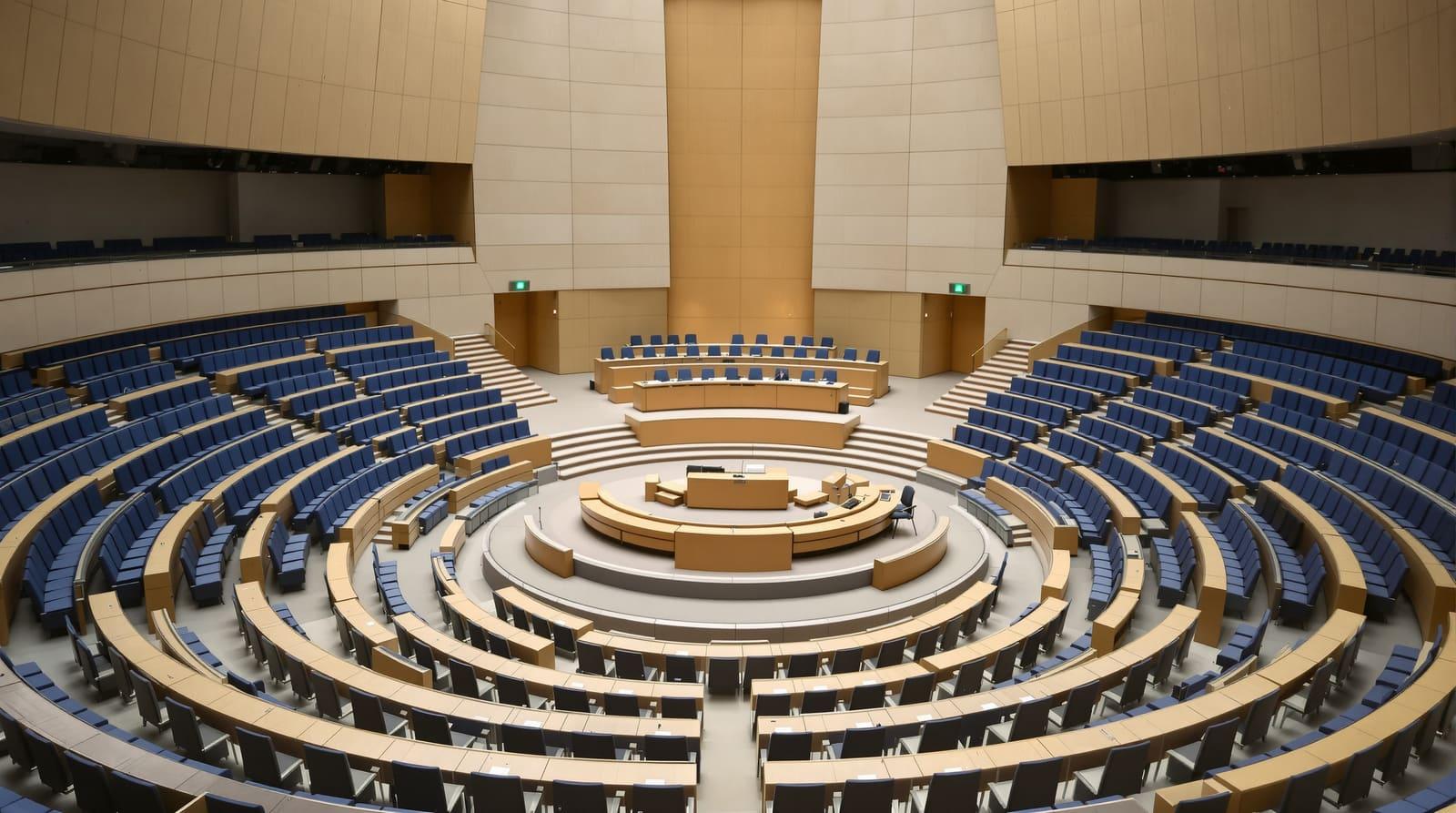
Illustration
Elections
Joint List's number 3, Fatin Ghattas, tells BBC occupied peoples may resist
Sources and further reading
Every link below was opened and checked when this page was written. Official statements are marked as such: they are the subject's own account, not an independent one.
- Officialnetanyahux.comBenjamin Netanyahu on X
- Officialnetanyahux.comBenjamin Netanyahu on X
- Reportingtoitimesofisrael.comThe Times of Israel
How we checked this
The speech and its political context are drawn from The Times of Israel's report; the two posts are Netanyahu's own statements on X and are attributed to him. No other news organisation's account was available, and no response from the parties he named was reported.
Our sourcing and corrections policy →
The week from Israel, in one email
The stories that mattered, sourced and checked by the Israel.com newsroom. Free, weekly, one-click unsubscribe.
One list, unsubscribe in a click. See our privacy policy.

Israel.com is free, and readers like you keep it that way.
The Israel.com newsroom checks every story against its sources and publishes it free. If this one helped, a contribution of any size keeps the next one free too.
One payment, nothing to sign up for. Another amountGive monthly
Latest
File photo
File photo
File photo

Illustration

File photo

Illustration