Iran's Rezaei denies planned meeting with Vance, says no US talks underway
Mohsen Rezaei says Tehran is still waiting on Washington to answer its seven conditions, keeping the Strait of Hormuz and any negotiations on hold.
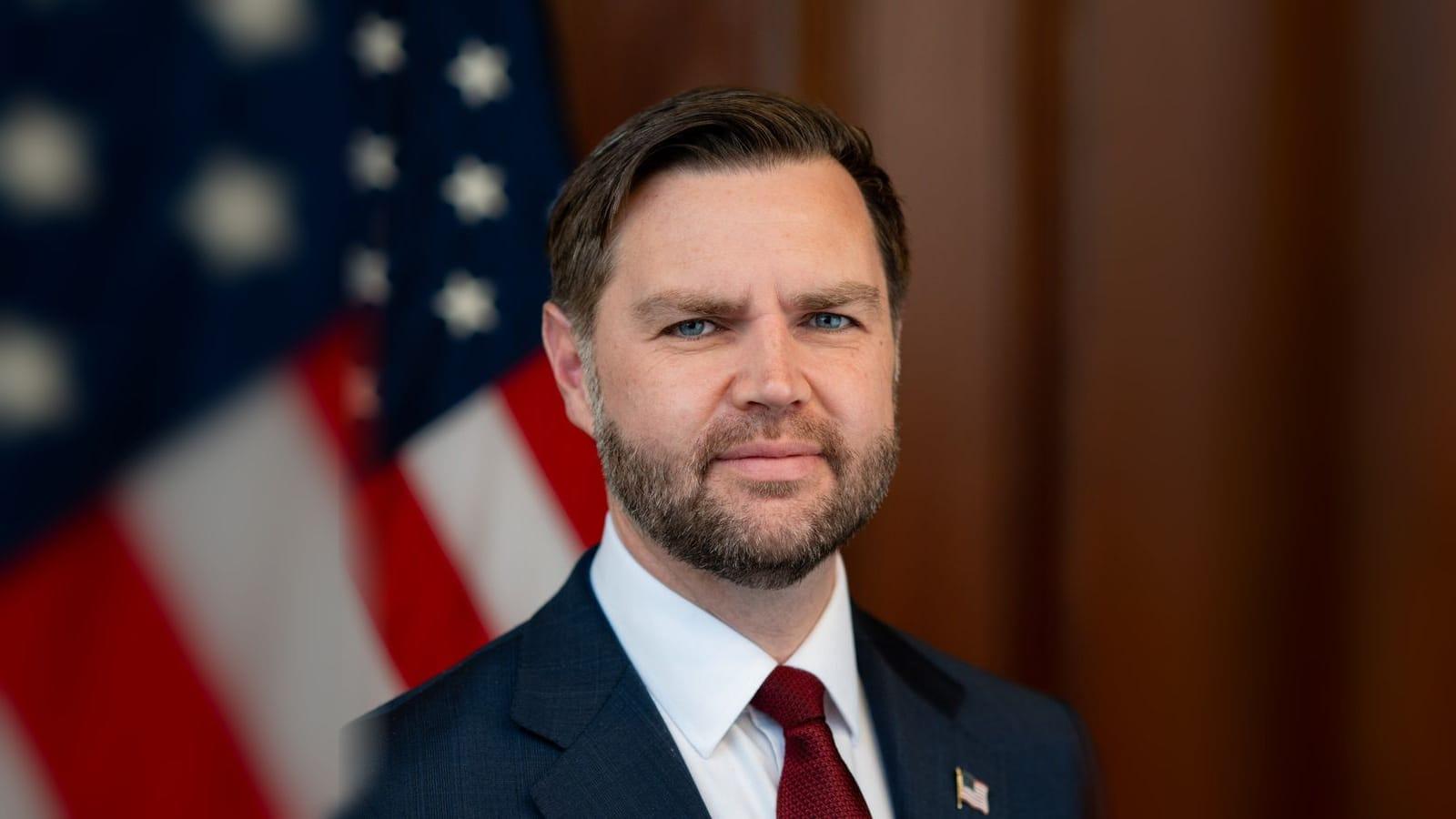
JD Vance. File photo by Emily J. Higgins, public domain, via Wikimedia Commons.
Mohsen Rezaei, a senior Iranian security official, said on Monday that Iran and the United States are not currently negotiating, and he rejected reports that he was preparing to meet US Vice President JD Vance. Speaking to the broadcaster Al-Mayadeen, Rezaei said Iran had put its conditions to Washington and was still waiting for a proper answer, The Times of Israel reported.
According to the Israeli broadcaster N12, Rezaei called the reports of a planned meeting with Vance entirely untrue and said they had no basis at all. In a separate update, N12 quoted him as telling Al-Mayadeen that the American response so far was misleading and not sufficient, and that Iran had laid out its seven conditions and was awaiting a reply from the US.
On the ground

Iran’s Foreign Minister Abbas Araghchi has denied reports of a meeting between the head of Iran’s Supreme National Security Council, Mohsen Rezaei, and US Vice President JD Vance. 🔴 LIVE updates: aje.news/1peed1

Who Mohsen Rezaei is
The two news organisations describe Rezaei's role differently. N12 identifies him as secretary of Iran's Supreme National Security Council, while The Times of Israel refers to him as the head of that council and as Iran's top security official. The reports do not explain the difference, and this article uses neither title as settled.
The Supreme National Security Council is the Iranian state body that deals with defence and national security policy, and statements from its leadership are generally read as reflecting the line of the country's security establishment. Rezaei's comments therefore carry weight as an indication of where Tehran stands on contact with Washington.
The seven conditions and the Strait of Hormuz
Iran's position, as summarised by The Times of Israel, is that the US must satisfy seven conditions contained in an interim agreement reached in June before two things can happen: the reopening of the Strait of Hormuz and a return to negotiations. The reports do not list what the seven conditions are.
Get an email the day Israel has a new government.
Coalition talks can take weeks. When a government is sworn in, Israel.com's newsroom emails who leads it, which parties are in and who got which ministry, then the Friday email each week. Free, and one click unsubscribes.
One list, unsubscribe in a click. See our privacy policy.
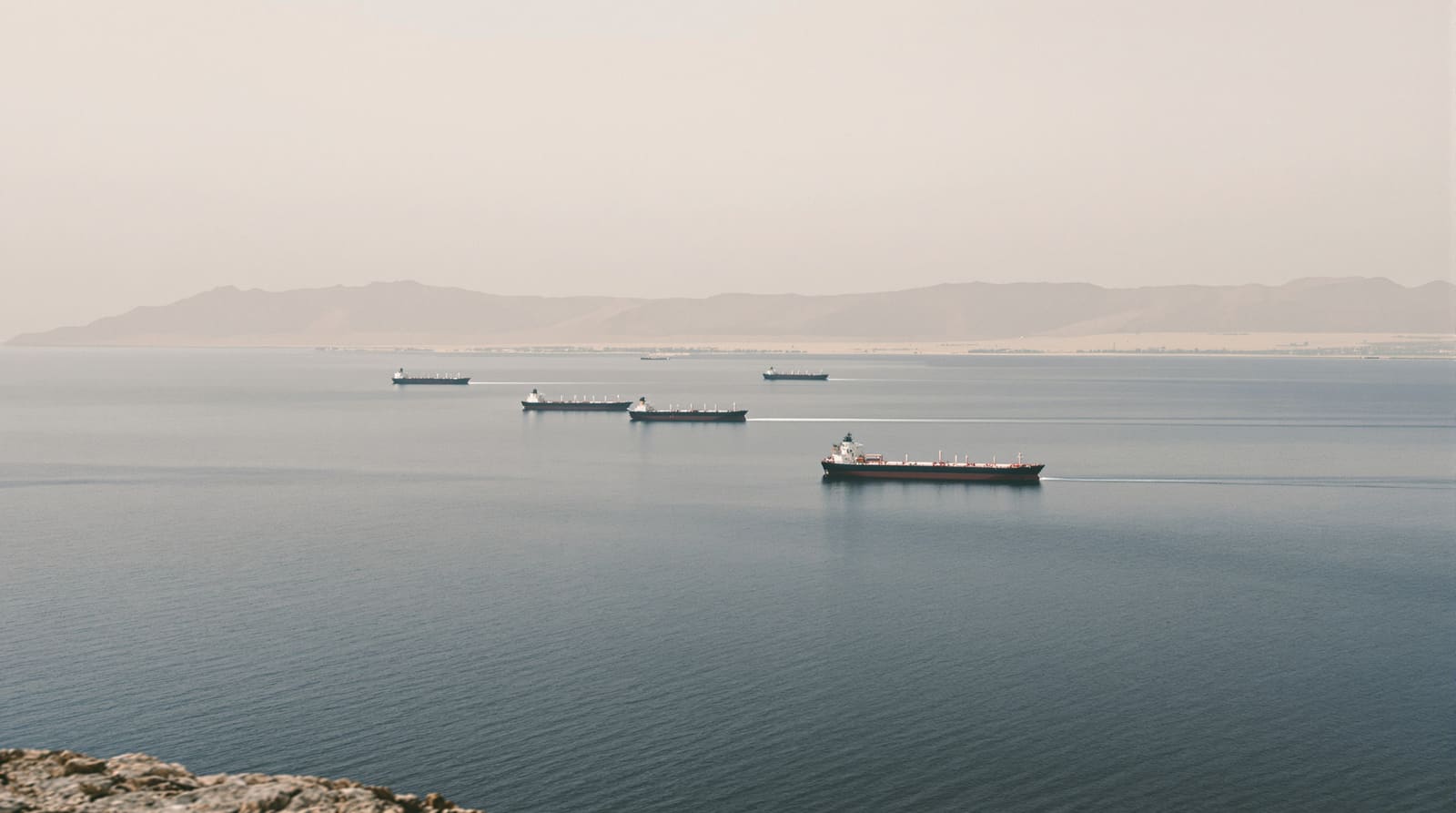
The Strait of Hormuz is the narrow sea passage between Iran and the Arabian Peninsula that links the Gulf to open waters, and it is one of the most important routes for shipping in the region. Its closure is therefore a central point of leverage in the current standoff, and Iran is tying its reopening directly to the American answer on the conditions.
Rezaei told Al-Mayadeen that Tehran had asked for a "clear and explicit" response, according to The Times of Israel, which reported that he said Iran had not yet received one while allowing that Washington might still respond later.
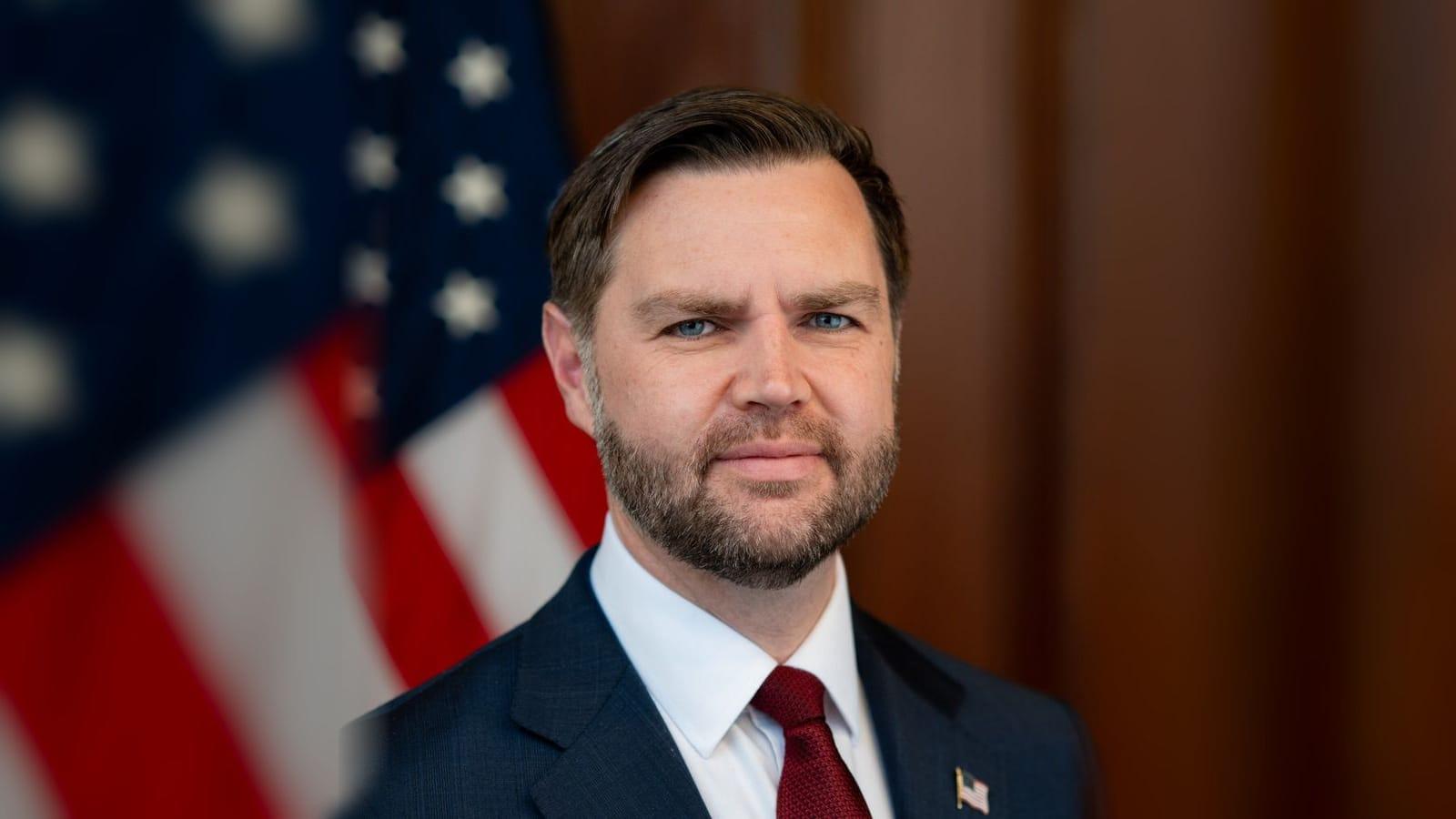
File photo
Next story Government
Iran's security council chief Rezaei expected to meet JD Vance in Qatar
The US side
The Times of Israel reported that President Donald Trump met on Monday with Qatar, which is acting as a mediator between the two countries. After that meeting, according to the same report, Trump signalled that he did not expect a major return to fighting soon, but he was still not prepared to accept the truce plan Iran has put forward.
Neither report includes a response from the White House, from Vance or from Qatar to Rezaei's remarks.
Where the accounts differ
Beyond the question of Rezaei's title, the two outlets frame the state of the American reply in slightly different ways. N12's account has Rezaei describing a US response that was misleading and insufficient, which suggests Washington has said something. The Times of Israel's account has him saying Iran asked for a clear answer and has not received one. Both may reflect the same position, that whatever Washington has said does not amount to the explicit reply Iran wants, but the reports do not reconcile the two phrasings.
About the broadcaster
Al-Mayadeen, the outlet Rezaei chose for the interview, is described by The Times of Israel as a pro-Iran broadcaster. Iranian officials frequently use such outlets to send messages to regional and international audiences.
What the reports do not say
- Where the reports of a planned Rezaei and Vance meeting came from, and whether any US official had confirmed such plans.
- What Iran's seven conditions contain.
- What the US has actually communicated to Iran that Rezaei described as insufficient.
- Whether Washington, Vance or the Qatari mediators have answered Rezaei's statements.
Read next
All government →
File photo
Security
Vance distances himself from Trump on Iran as officials weigh renewed strikes
File photo
Security
Iran's Mohsen Rezaei dismisses Trump's talk of a deal as 'imaginary'
File photo
Security
Iran's security chief Mohsen Rezaei hands Putin a letter from Tehran
Illustration
Government
Iran's Rezaei ties Hormuz and nuclear talks to US accepting Iran's conditions
Sources and further reading
Every link below was opened and checked when this page was written. Official statements are marked as such: they are the subject's own account, not an independent one.
- Reportingtoitimesofisrael.comThe Times of Israel
- Reportingkeshett.meN12
- Reportingkeshett.meN12
How we checked this
Rezaei's interview with Al-Mayadeen was reported by The Times of Israel and N12; his denial of a planned meeting with Vance appears only in N12's report, and the account of Trump's meeting with Qatar comes only from The Times of Israel.
Our sourcing and corrections policy →The week from Israel, in one email
The stories that mattered, sourced and checked by the Israel.com newsroom. Free, weekly, one-click unsubscribe.
One list, unsubscribe in a click. See our privacy policy.

Israel.com is free, and readers like you keep it that way.
The Israel.com newsroom checks every story against its sources and publishes it free. If this one helped, a contribution of any size keeps the next one free too.
One payment, nothing to sign up for. Another amountGive monthly
Latest
File photo
Illustration
File photo
File photo
File photo