Netanyahu camp says Eisenkot has walked away from unity government talks
People close to Netanyahu accuse Gadi Eisenkot of cancelling a negotiating session and taking an extreme stance, as contacts over a national unity government break down.
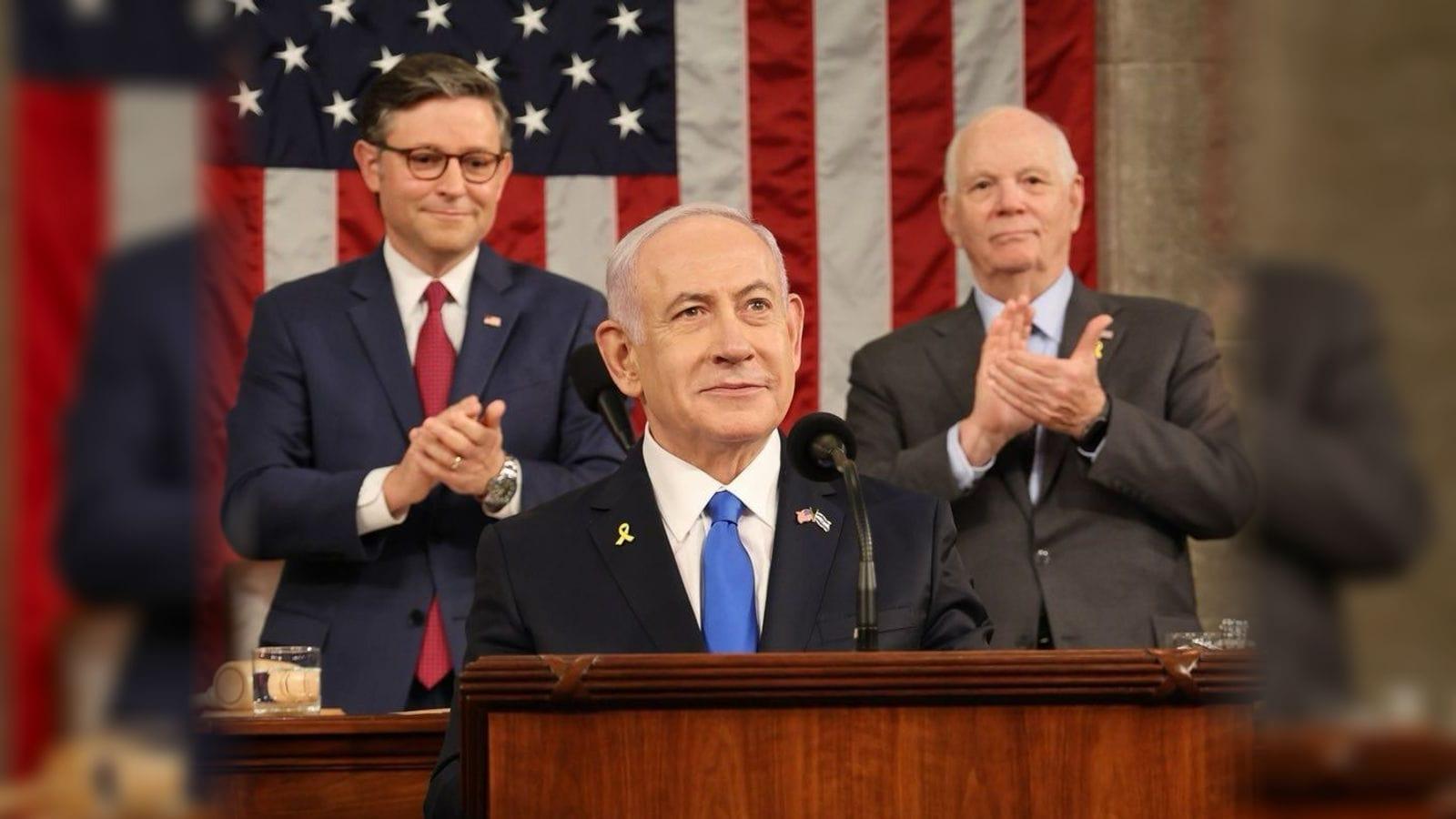
Benjamin Netanyahu. File photo by Office of Speaker Mike Johnson, public domain, via Wikimedia Commons.
People around Prime Minister Benjamin Netanyahu on Sunday accused Gadi Eisenkot of having no real interest in a national unity government, after contacts between the two sides over a joint coalition appeared to collapse. In a statement relayed by political correspondent Amit Segal, the Netanyahu camp said Eisenkot had called off a scheduled negotiating meeting and was digging in on what it called an "extreme position".
The statement charged that Eisenkot was now working only toward a government it described as controlled by "supporters of terror", and urged him to reconsider at once. News.co.il framed the accusation as coming after a blowup in the contacts between Eisenkot and Netanyahu, and Ynet carried the same charge in a news alert, attributing it to Netanyahu's circle.
On the ground

Israel’s October elections produced no clear winner, leaving centrist leader Gadi Eisenkot and caretaker PM Benjamin Netanyahu negotiating a unity government. Talks ended Sunday without an agreement. Here’s what we know: aje.news/isuvvp


🇮🇱 Israeli caretaker prime minister Benjamin Netanyahu and his rival Gadi Eisenkot met on Sunday for talks aimed at breaking the deadlock left by last month's elections, after the incumbent proposed a unity government with a rotating premiership rfi.fr/en/internation…

What the Netanyahu camp is claiming
The core of the statement is an argument about who is blocking a broad coalition. According to the Netanyahu side, for several weeks what it called the left-wing bloc explained the failure to form a unity government by pointing to Netanyahu's refusal to serve second in a rotation, meaning an arrangement in which he would not hold the premiership first. The statement says that obstacle has now been removed. It does not spell out what was offered in its place, but the clear implication is that Netanyahu's side is presenting itself as having made a significant concession.
Having removed that sticking point, the statement continues, the Netanyahu camp expected genuine negotiations. Instead, it says, Eisenkot cancelled the negotiating session and turned his attention elsewhere. The statement closes by saying that Likud, Netanyahu's party, holds to its view that Israel's security requires a national unity government to be formed without delay.
The accusation was issued anonymously, attributed in all three reports to Netanyahu's associates or circle rather than to a named official. None of the reports carries a response from Eisenkot or his party.
Get an email the day Israel has a new government.
Coalition talks can take weeks. When a government is sworn in, Israel.com's newsroom emails who leads it, which parties are in and who got which ministry, then the Friday email each week. Free, and one click unsubscribes.
One list, unsubscribe in a click. See our privacy policy.
What a national unity government means in Israel
Israel is governed by coalitions: no single party has ever won a majority in the Knesset, the country's parliament, on its own, so a prime minister needs the backing of several parties. A national unity government is the term Israelis use for a coalition that brings together the main rival camps, typically the largest party of the right and the largest party of the centre or left, rather than a government built from one bloc alone. Supporters present such governments as a way to give the country a broad base during security crises; critics often see them as unstable marriages of convenience.
How rotation agreements work
A rotation is a power-sharing deal in which two leaders agree to split a government's term, with one serving as prime minister first and the other taking over partway through. Israel has used such arrangements before, including in a previous coalition between Netanyahu and Benny Gantz. Who goes first matters a great deal: the second partner has to trust that the handover will actually happen. That is why the question of Netanyahu agreeing to serve second, as the statement describes it, carries weight in the current talks.
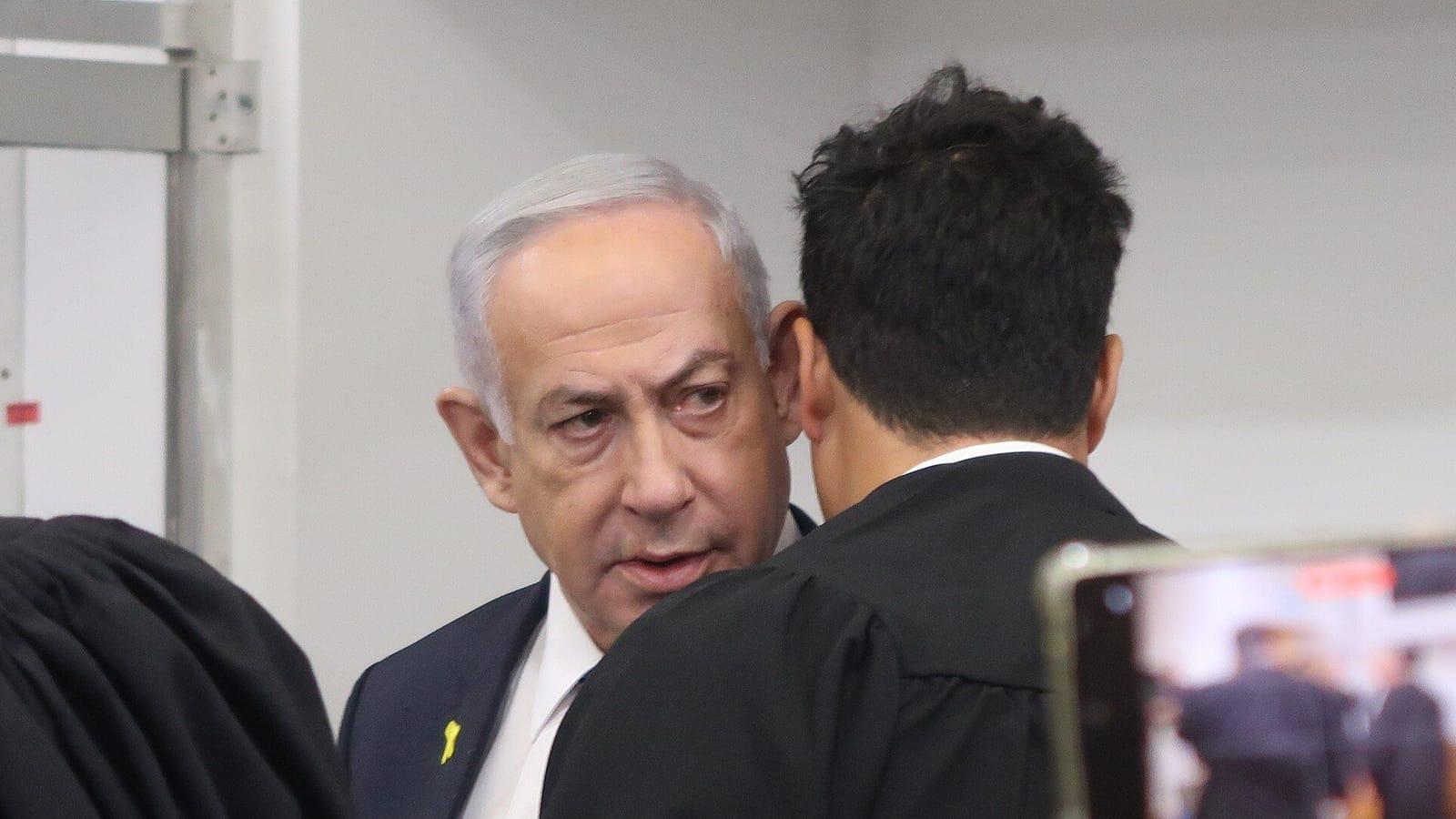
File photo
Next story Government
Netanyahu and Eisenkot meet at the Kirya on unity government, no deal reached
Who Gadi Eisenkot is
Gadi Eisenkot is a former chief of staff of the Israel Defense Forces who moved into politics and is now a leading figure on the centre of the political map. In these reports he is treated as Netanyahu's main negotiating counterpart over a possible unity coalition, and as the figure the Netanyahu camp identifies with the opposing bloc.
The "supporters of terror" charge
The most pointed line in the statement is its claim that Eisenkot is trying to set up a government dominated by supporters of terror. The statement does not say which parties or politicians it means, and none of the reports explains the reference. It is presented as an accusation by Netanyahu's associates, not as a description supported by any evidence in the material, and readers should treat it as political rhetoric attributed to one side of a negotiation.
How the reports compare
The three outlets are consistent on the substance. Amit Segal's post carries the fullest version of the statement, including the passage about rotation and the reference to Likud's position. News.co.il quoted a shorter version, focused on the cancelled meeting and the claim about Eisenkot's aims, and introduced it with the description of a breakdown in contacts. Ynet's alert carried only the line about Eisenkot entrenching himself in an extreme position. None of the three reports offers independent detail on the negotiations beyond the Netanyahu camp's account.
What the reports do not say
There is no response from Eisenkot or his allies, so his reasons for cancelling the meeting, or whether he accepts that he did, are not on record. The reports do not describe what Netanyahu offered on rotation, which leader would serve first under any deal, or what Eisenkot had demanded. They also do not say whether further talks have been scheduled, and they give no evidence for the claim about who would control the government Eisenkot is said to be pursuing.
People in this story: Benjamin Netanyahu, Gadi Eisenkot, Amit Segal, Benny Gantz
Read next
All government →
File photo
Government
Netanyahu and Eisenkot end unity talks at Kirya after about two hours
File photo
Government
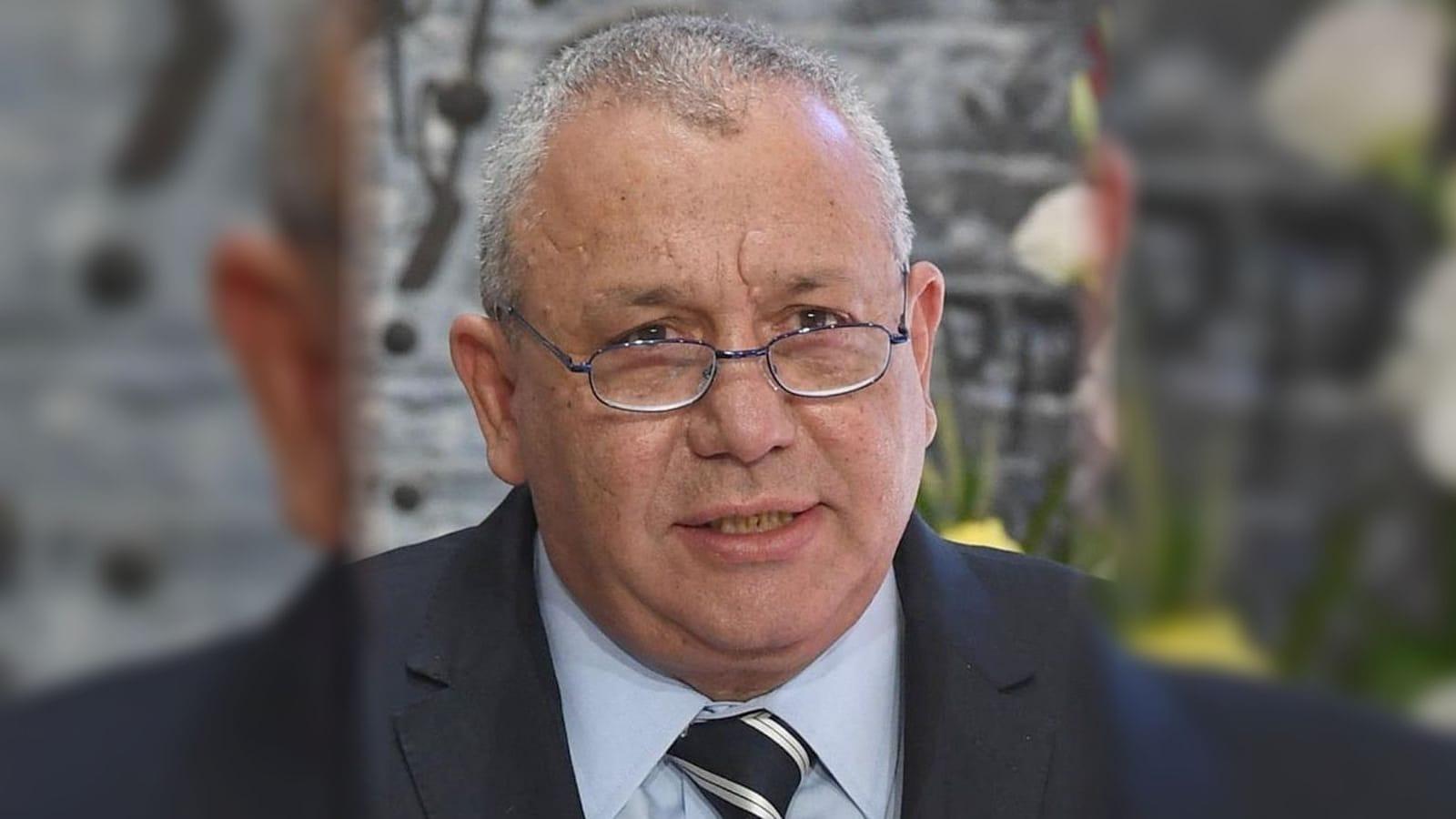
Eisenkot ends unity talks with Netanyahu, eyes a minority government
File photo
Security
Eisenkot and Netanyahu to meet at Kirya military HQ on unity government
File photo
Elections
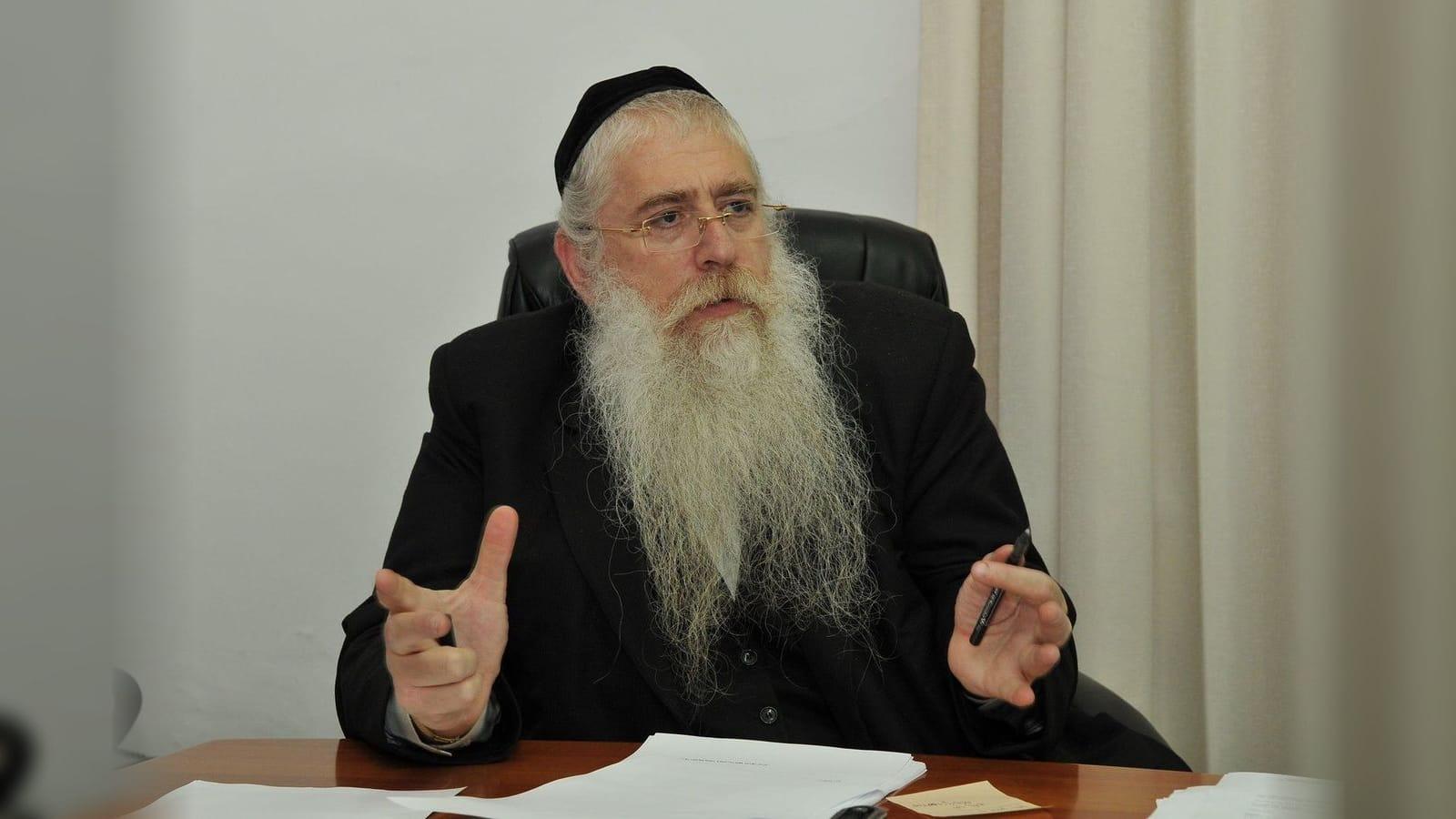
UTJ's Meir Porush urges Eisenkot to answer Netanyahu's unity call
See Israel.com first in Google's top stories.Add it as a preferred source on Google
Sources and further reading
Every link below was opened and checked when this page was written. Official statements are marked as such: they are the subject's own account, not an independent one.
- Reportingyediotht.meYnet alerts
- Reportingamitsegalt.meAmit Segal
- Reportingnewssilt.meNews.co.il
How we checked this
Ynet, News.co.il and political correspondent Amit Segal all carried the accusation, each attributing it to unnamed people close to Netanyahu. The claims about the cancelled meeting, the rotation concession and Eisenkot's intentions come only from the Netanyahu side and have not been independently confirmed.
Our sourcing and corrections policy →The week from Israel, in one email
The stories that mattered, sourced and checked by the Israel.com newsroom. Free, weekly, one-click unsubscribe.
One list, unsubscribe in a click. See our privacy policy.

Israel.com is free, and readers like you keep it that way.
The Israel.com newsroom checks every story against its sources and publishes it free. If this one helped, a contribution of any size keeps the next one free too.
One payment, nothing to sign up for. Another amountGive monthly
Latest

Illustration

Illustration
File photo

Illustration
Illustration

Illustration