Netanyahu confidant Natan Eshel approached Ra'am's Abbas over Eisenkot
Reports say Eshel pressed Mansour Abbas not to help an Eisenkot-led government; Likud confirmed the contacts but said Netanyahu did not know of them.
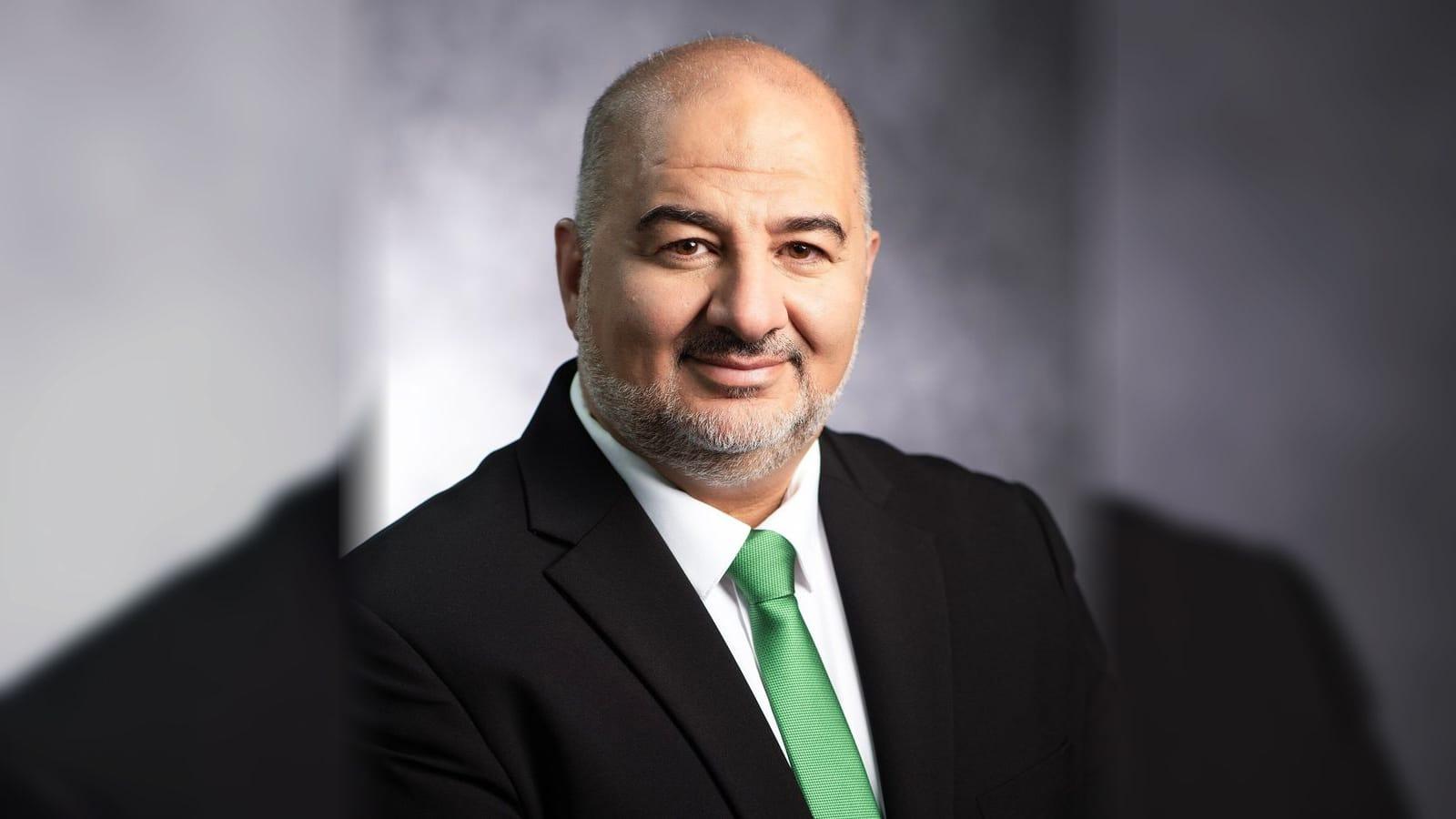
Mansour Abbas. File photo by שרון גבאי, CC BY-SA 4.0, via Wikimedia Commons.
Natan Eshel, a long-standing confidant of Prime Minister Benjamin Netanyahu, held contacts with Mansour Abbas, chairman of the Arab party Ra'am, in an effort to keep the party from helping a government led by Gadi Eisenkot, according to a report on Ynet. The approach took place while Netanyahu was campaigning hard against any government that would depend on Arab parties, the Israeli news site said. Ynet reported that Eshel's question to the Ra'am side was, in effect, whether they would help Eisenkot.
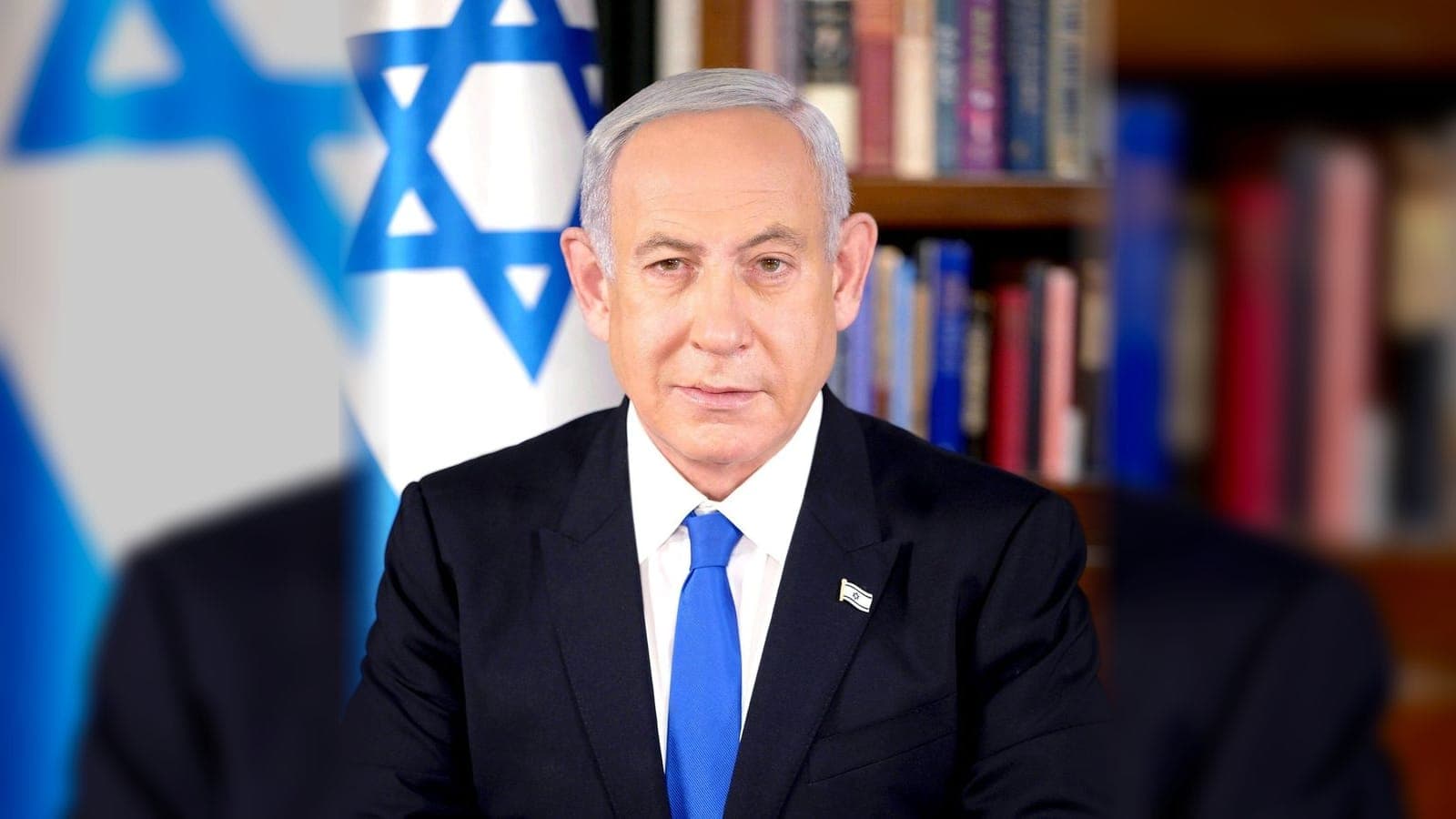
Netanyahu's Likud party confirmed the report but distanced the prime minister from it. In a statement relayed by N12's Mohammad Magadli, Likud said Netanyahu "was surprised to hear about these exchanges" and that they were "not done with his knowledge". The news outlet News.co.il carried the same Likud confirmation and the same account of Eshel working behind the scenes with Abbas. The Jerusalem Post, citing the report, said Eshel had approached Abbas more than once about a possible coalition headed by Eisenkot.
On the ground

Report: PM Netanyahu confidante Natan Eshel repeatedly contacted Ra'am leader Mansour Abbas to discourage support for Gadi Eisenkot. jpost.com/israel-electio…
What Eshel has said
According to Ynet, Eshel at first denied the contacts. He later gave a different account, saying he had only asked some Arabs whether they had "a drop of self-respect". That is the only response from Eshel himself in the reports, and it was carried by Ynet alone. None of the other outlets quoted him.
The reports therefore present a sequence rather than a single position: an initial denial from Eshel, a later explanation that framed the contacts as a pointed question rather than a negotiation, and a Likud statement that accepted the substance of the report while saying it was done without Netanyahu's knowledge.
Who the people involved are
Natan Eshel is described in all the reports as one of the people closest to Netanyahu. He has worked alongside the prime minister for many years and is regarded in Israeli politics as a member of his inner circle, which is why a contact between him and an Arab party leader drew attention.
Get an email the day Israel has a new government.
Coalition talks can take weeks. When a government is sworn in, Israel.com's newsroom emails who leads it, which parties are in and who got which ministry, then the Friday email each week. Free, and one click unsubscribes.
One list, unsubscribe in a click. See our privacy policy.
Mansour Abbas chairs Ra'am, the Hebrew acronym for the United Arab List, a party that draws its support mainly from Arab citizens of Israel and has roots in the Islamic Movement. Abbas is known for arguing that Arab parties should be willing to take part in, or support, Israeli governments in exchange for policy gains for Arab communities. That stance has made Ra'am a possible kingmaker in close parliamentary arithmetic, and a target of criticism from the right.
Gadi Eisenkot is a former chief of staff of the Israel Defense Forces who has entered politics as a challenger to Netanyahu. The reports refer to the prospect of a government he would head, which is the scenario Eshel was reportedly trying to head off.

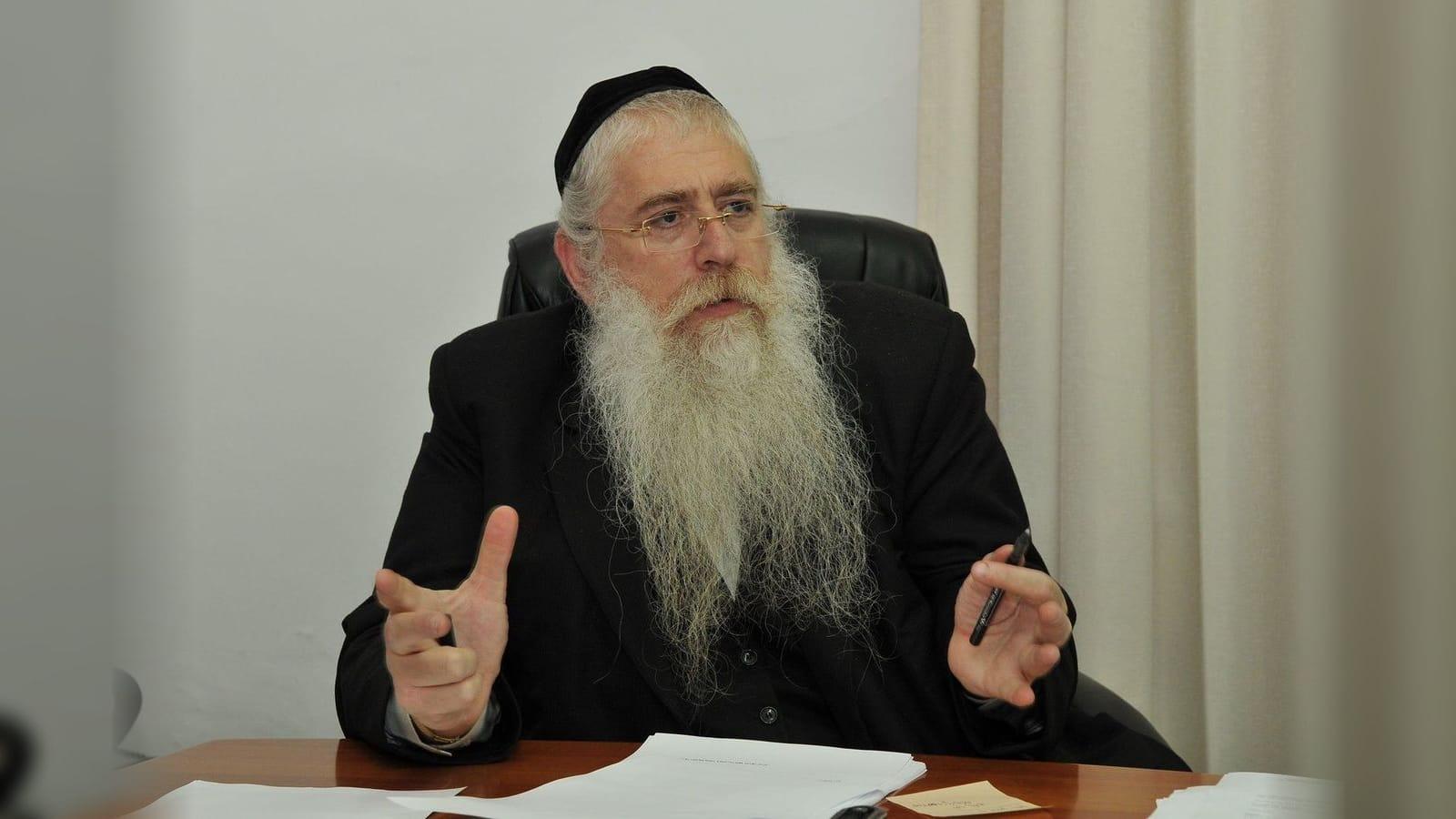
File photo
Why the contact matters
The significance of the story lies in the gap between the campaign message and the reported back-channel. Ynet and News.co.il both placed the contacts against the backdrop of Netanyahu's campaign attacking the idea of a government leaning on Arab parties. That message is aimed largely at Eisenkot and the wider opposition, suggesting they could only form a coalition with Arab backing.
Eshel's reported goal, as described by Ynet and News.co.il, was consistent with that campaign: to keep Ra'am from lending its support to an Eisenkot-led government. But the method, a direct approach to the leader of an Arab party by someone close to Netanyahu, is the kind of engagement the campaign itself portrays as illegitimate when opponents do it. News.co.il framed the episode as the next political storm.
Likud's response addressed that tension by confirming the exchanges took place while saying Netanyahu had not authorised them and was surprised to learn of them.
Where the accounts differ
The outlets agree on the core facts: Eshel contacted Abbas, the subject was Eisenkot, and Likud confirmed the report while saying Netanyahu did not know. They differ in detail and emphasis. The Jerusalem Post describes repeated inquiries; Ynet and News.co.il do not specify how many contacts there were. Ynet alone reports Eshel's initial denial and his later remark about self-respect. The reports also do not characterise the exchanges in the same way: News.co.il describes an attempt to stop Ra'am from helping Eisenkot, while the Jerusalem Post's headline frames them as inquiries about a coalition.
What the reports do not say
None of the reports includes a response from Mansour Abbas or Ra'am, so the party's account of what was said, and how it replied, is not known. The reports do not say when the contacts took place, how they were conducted, or how the information first came to light. Likud's statement that Netanyahu was unaware is the party's own claim, and no report offers evidence either supporting or contradicting it. There is also no reported reaction from Eisenkot.
Read next
All elections →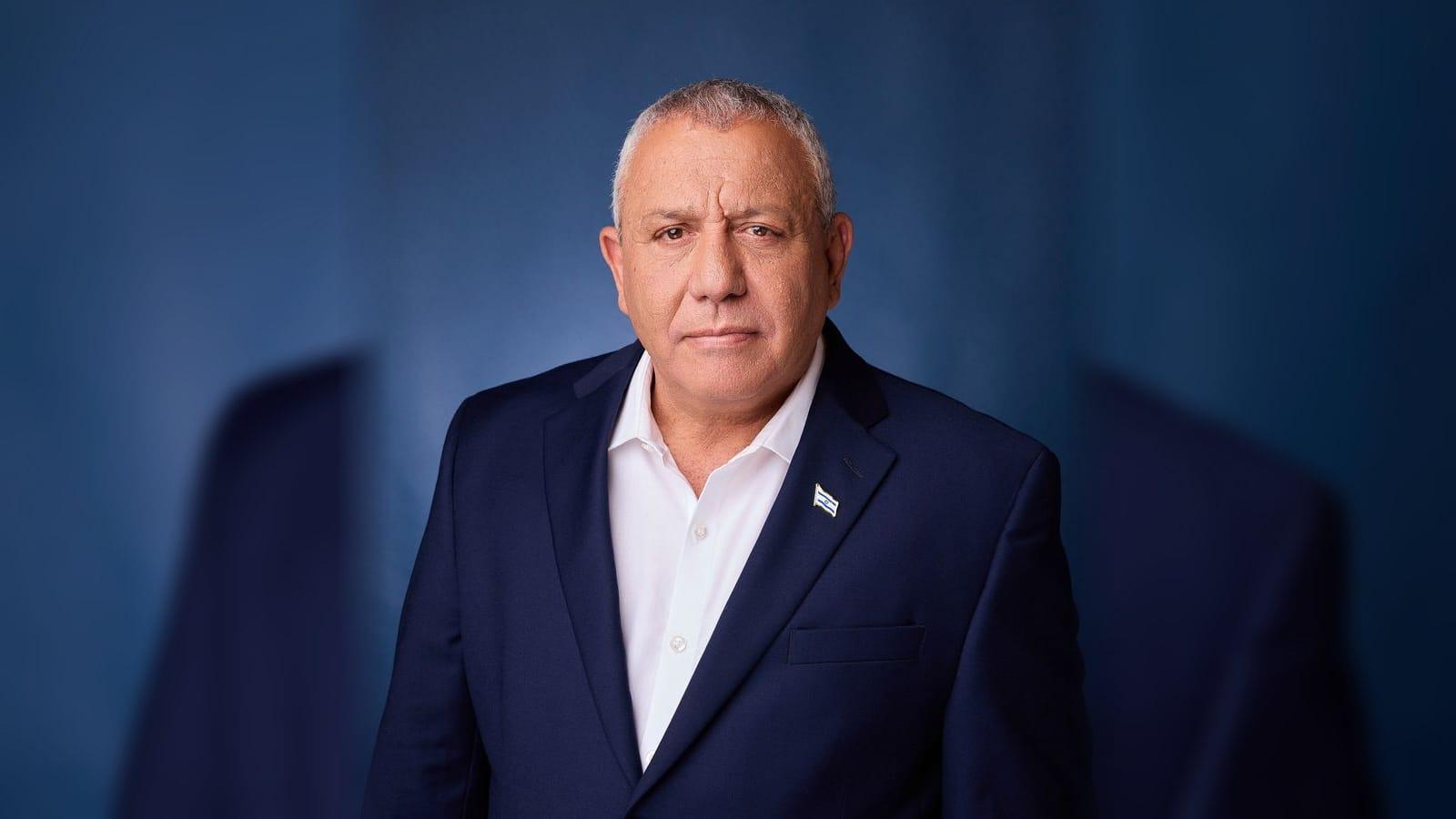
File photo
Government
Ra'am would back an Eisenkot government even without a coalition deal
File photo
Elections
Netanyahu offers broad government talks, rules out Ra'am and the Joint List
File photo
Security
Netanyahu's acting chief of staff passed Ra'am tip to police, reports say
File photo
Elections
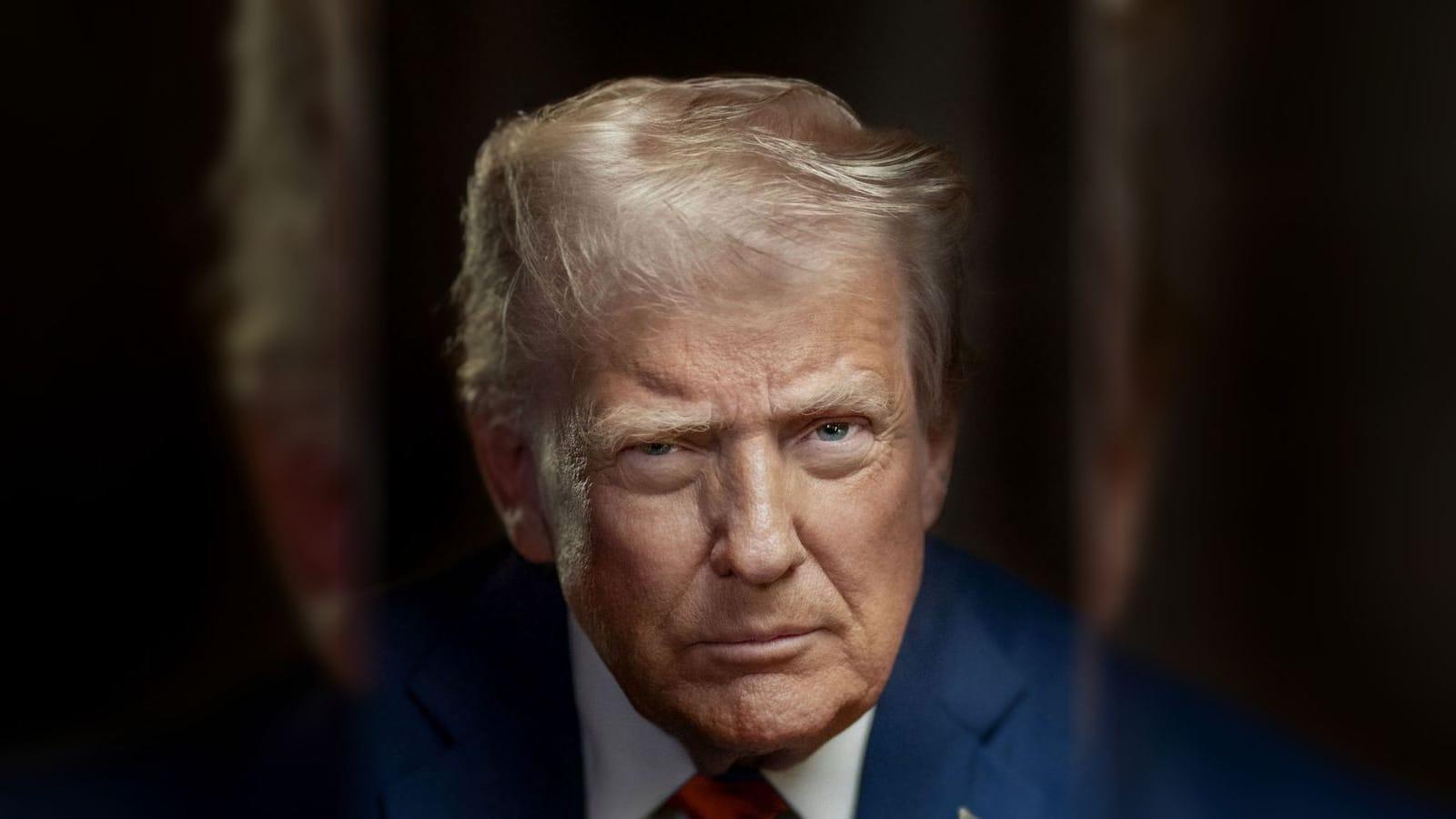
Trump calls Eisenkot and Netanyahu alike after backing Netanyahu in election
Sources and further reading
Every link below was opened and checked when this page was written. Official statements are marked as such: they are the subject's own account, not an independent one.
- Reportingkeshett.meN12
- Reportingyediothynet.co.ilYnet
- Reportingjpostjpost.comThe Jerusalem Post
- Reportingnewssilt.meNews.co.il
How we checked this
The contacts and Likud's confirmation were reported by Ynet, N12, News.co.il and The Jerusalem Post. Eshel's denial and later remark are reported only by Ynet, and the claim that Netanyahu did not know rests solely on Likud's statement.
Our sourcing and corrections policy →The week from Israel, in one email
The stories that mattered, sourced and checked by the Israel.com newsroom. Free, weekly, one-click unsubscribe.
One list, unsubscribe in a click. See our privacy policy.

Israel.com is free, and readers like you keep it that way.
The Israel.com newsroom checks every story against its sources and publishes it free. If this one helped, a contribution of any size keeps the next one free too.
One payment, nothing to sign up for. Another amountGive monthly
Latest
File photo
File photo
File photo
File photo

Illustration
Illustration