North Korean experts aiding Iran's underground missile sites, outlet says
An Emirati news site, citing unnamed US sources, says Pyongyang's specialists are helping Tehran build launch systems inside its fortified tunnel bases.
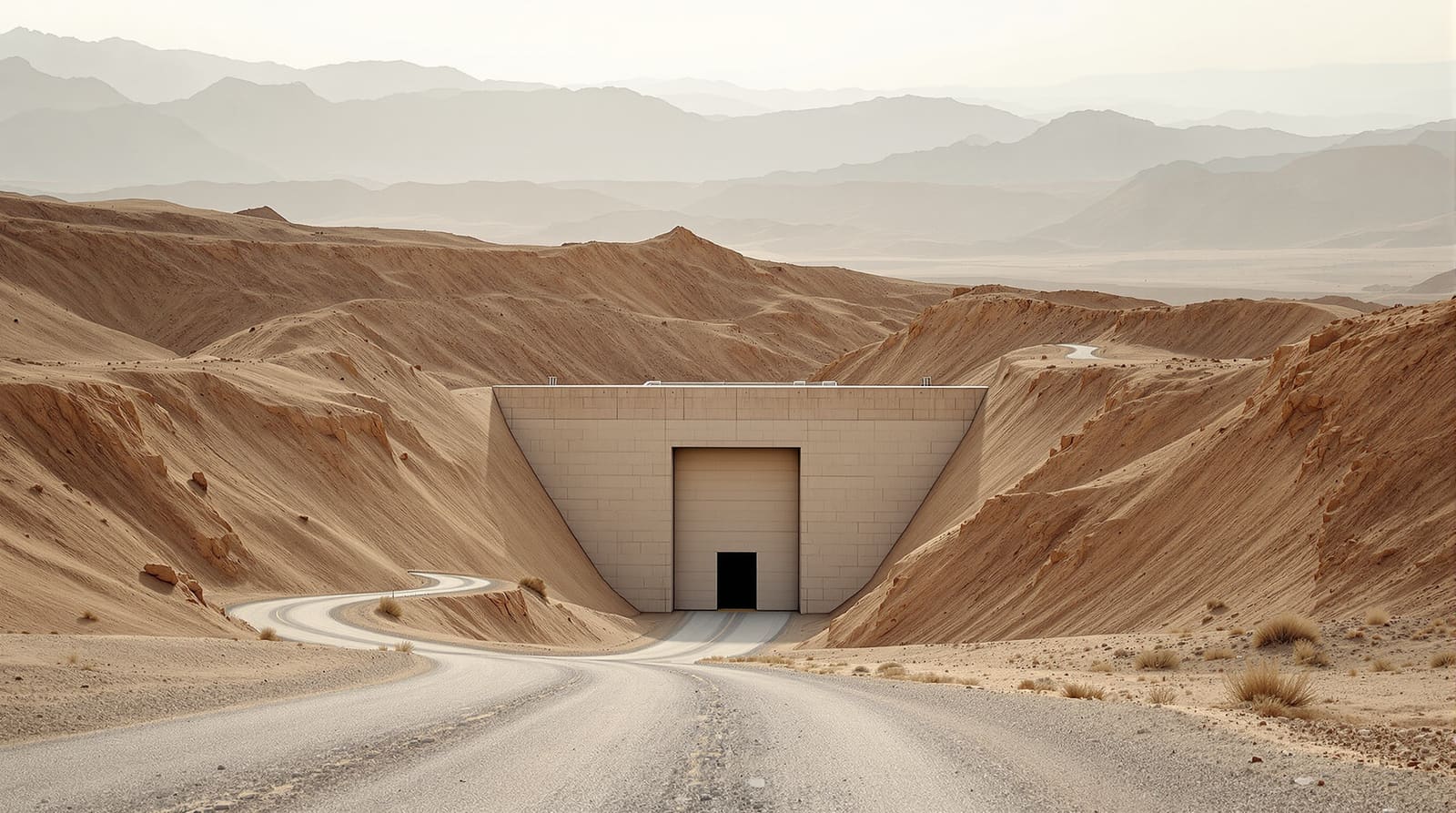
AI illustration, not a photo of the events.
North Korean specialists are helping Iran develop missile launch systems inside the underground complexes Tehran calls its "missile cities," according to a report by the Emirati outlet Erem News that was picked up by Israeli media. Ynetnews reported that Erem News attributed the claim to people familiar with White House affairs and close to officials at the Central Intelligence Agency (CIA), the US foreign intelligence service.
According to that account, the North Korean experts are not physically present in Iran but are working with Iranian technicians from a distance, as Iran tries to restore its ability to strike its adversaries. The Hebrew-language channel News.co.il reported the same claim, describing it as Iran drawing on North Korean know-how to build launch pads within its subterranean missile bases and to strengthen its fortified missile network, and citing American sources.
Where the claim comes from
Both Israeli reports trace back to a single origin: the article by Erem News, a news site based in the United Arab Emirates. Neither Ynetnews nor News.co.il says it confirmed the information independently. The people quoted by Erem News are not named, and the reports do not describe documents, imagery or other evidence supporting the account.
That matters for how much weight the claim can carry. Two Israeli outlets repeating one foreign report is not the same as two organisations separately establishing the facts. What can be said with confidence is that Erem News published the claim and that Israeli media circulated it on the same day.
What Iran's "missile cities" are
"Missile cities" is the name Iranian officials and state media have given to networks of tunnels and bunkers, often dug into mountains, where Iran stores ballistic missiles and the equipment used to fire them. Iran has periodically released footage from inside such sites, showing rows of missiles in long underground corridors, as a signal that its arsenal is dispersed and protected from air attack.
Israel's week in five stories, every Friday
Sourced and checked by the Israel.com newsroom, with Shabbat times. Free, one-click unsubscribe.
One list, unsubscribe in a click. See our privacy policy.
Launch systems are the critical element in this kind of base. Missiles stored underground are only useful if they can be moved into position and fired quickly, before an adversary can locate and strike the exits. The reports describe the North Korean assistance as focused on exactly this part of the system, the launch pads and launch arrangements within the complexes, rather than on the missiles themselves.
Why North Korea would be relevant
North Korea has long built its own military infrastructure underground, partly to shield it from surveillance and air strikes, and it has extensive experience hiding and launching missiles from hardened positions. Western governments have for years accused Pyongyang and Tehran of cooperating on missile technology, and both countries are under international sanctions over their weapons programmes. The new report fits within that broader pattern of suspected cooperation, though it does not on its own establish any specific transfer.

File photo
Next story Security
IDF chief Zamir says army returns to training after three years of war
The remote working arrangement described in the report would also be consistent with efforts to avoid attention: specialists advising from abroad leave less of a trace than engineers travelling between the two countries.
Why it matters to Israel
Iran's missile force is central to its ability to threaten Israel directly, and Israel regards it alongside Iran's nuclear programme as a primary strategic concern. The reports frame the alleged North Korean help as part of a wider Iranian effort to rebuild its offensive capabilities, language that implies those capabilities have been degraded. Any measure that makes Iranian launchers harder to find or destroy would bear directly on Israeli and allied planning for missile defence.
Neither report quotes any reaction from Israeli officials, and the claim did not come from an Israeli government source.
What the reports do not say
- No response from Iran, North Korea, the White House or the CIA is reported.
- The reports give no evidence for the claim beyond the word of unnamed sources, and no detail on how many specialists are involved or which sites they are said to be working on.
- It is not stated when the alleged cooperation began, how advanced it is, or whether any equipment, as opposed to expertise, has been supplied.
- Israeli officials have not commented on the report, according to the material available.
Read next
All security →
Illustration
Security
IDF leaflets over Gaza City carry a warning aimed at Hamas internal security

File photo
Security
IDF says slain Hamas security chief helped hold Oron Shaul's remains

File photo
Security
Left Party MPs protest ex-Mossad chief David Barnea's Bundestag appearance

Illustration
Security
IDF personnel official tells Knesset the army is struggling to retain soldiers
See Israel.com first in Google's top stories.Add it as a preferred source on Google
Sources and further reading
Every link below was opened and checked when this page was written. Official statements are marked as such: they are the subject's own account, not an independent one.
- Reportingyediothynetnews.comYnetnews
- Reportingnewssilt.meNews.co.il
How we checked this
Ynetnews and News.co.il both reported the claim, but both relay a single original report by Emirati outlet Erem News, which relied on unnamed sources. We have not independently verified it, and no government has confirmed it in the material available.
Our sourcing and corrections policy →The week from Israel, in one email
The stories that mattered, sourced and checked by the Israel.com newsroom. Free, weekly, one-click unsubscribe.
One list, unsubscribe in a click. See our privacy policy.
Latest

Illustration

Illustration

Illustration

File photo

File photo

Illustration