Pezeshkian says Iran's Supreme Leader ordered end to 'no war, no peace'
Iran's president said Mojtaba Khamenei told officials to end the country's standoff and that talks could proceed with dignity, Hebrew-language outlets reported.
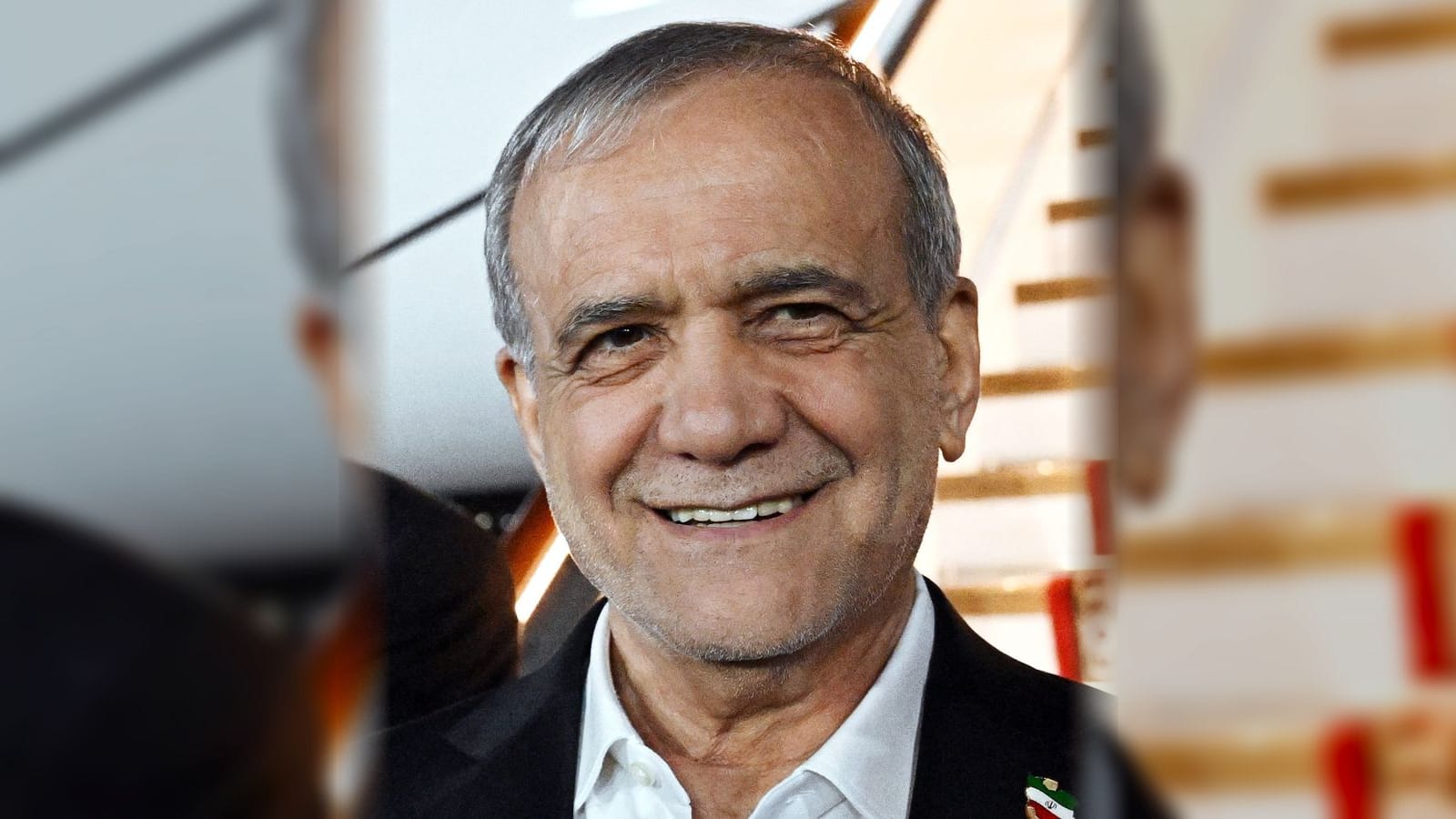
Masoud Pezeshkian. File photo by Autor: Sergey Bobylev/RIA Novosti, CC BY-SA 3.0, via Wikimedia Commons.
Iranian President Masoud Pezeshkian has said that the country's Supreme Leader, Mojtaba Khamenei, instructed that Iran's situation of "no war, no peace" be brought to an end, according to two Hebrew-language news channels. Pezeshkian also said Iran was able to negotiate while keeping its dignity, and that its leaders had no right to disregard or ruin the country's future.
Abu Ali Express, a Hebrew-language Telegram channel that follows Arab and Iranian affairs, carried the remarks under a heading presenting them as a sign that Tehran wants talks with Donald Trump. News.co.il, an Israeli news service, reported the same statement and described it as an unusual signal from Iran about leaving the deadlock with the West.
On the ground

Iran’s President Masoud Pezeshkian says Ayatollah Mojtaba Khamenei has issued directives on ending the state of “neither war nor peace” with the US. 🔴 LIVE updates: aje.news/84oq18
What Pezeshkian is reported to have said
Both outlets attribute three core points to the Iranian president. The first is that the Supreme Leader gave an order to end the "no war, no peace" condition. The second is that Iran can conduct negotiations honourably and reach a good outcome. The third is that Iran's leadership may not ignore the country's future or destroy it.
The two accounts differ in detail. Abu Ali Express rendered the second point as reaching a "desired outcome". News.co.il's version spoke of an honourable solution and added that this would involve changing the current approach and working to improve Iran's economic and social conditions. News.co.il also reported that Pezeshkian said it was unacceptable for citizens to suffer from poverty and hunger in a country rich in resources. That passage does not appear in the Abu Ali Express posts.
The outlets also frame the order slightly differently. News.co.il said the Supreme Leader directed officials to act to end the situation, while Abu Ali Express reported only that he ordered it to end, without saying who was tasked with carrying it out.
Israel's week in five stories, every Friday
Sourced and checked by the Israel.com newsroom, with Shabbat times. Free, one-click unsubscribe.
One list, unsubscribe in a click. See our privacy policy.
Who holds power in Iran
In the Islamic Republic of Iran, the Supreme Leader is the highest authority in the state. The office sits above the elected president and has the final word on major questions of foreign and security policy, including any decision on negotiating with Western powers. The president heads the government and runs day-to-day administration, but works within limits set by the Supreme Leader.
That hierarchy is why the wording matters. A president describing his own wish to negotiate is one thing; a president saying the Supreme Leader himself has ordered an end to the standoff presents the shift as coming from the top of the system. The reports carry this only as Pezeshkian's account of the leader's instruction, not as a statement issued by the Supreme Leader's office.

Illustration
What "no war, no peace" means
The phrase describes a prolonged condition in which a country is neither in open conflict nor in a settled agreement with its adversaries. In Iran's case it refers to the standoff with the West, and News.co.il used the word "deadlock" to describe it. Pezeshkian's reported comments link that condition to economic hardship at home, with his references to poverty, hunger and the need to improve living conditions.
How the Israeli outlets read it
Both Hebrew-language outlets treated the statement as a message aimed outward. Abu Ali Express headlined its post as Iran signalling to Trump that it wants negotiations. News.co.il called it an unusual signal and framed it as Khamenei moving to advance an exit from the impasse with the West. These headlines are the outlets' own interpretation; the remarks attributed to Pezeshkian, as reported, do not name the United States, Trump or any specific negotiating partner.
For Israeli readers, any change in Tehran's posture toward talks with the West is closely watched, because Iran is Israel's principal regional adversary and the outcome of any negotiation would bear directly on Israel's security.
What the reports do not say
- Neither outlet says where or when Pezeshkian made the remarks, or links to the original Persian-language statement or broadcast.
- There is no reported statement from the Supreme Leader's office confirming the order Pezeshkian described.
- The reports do not say which negotiations are meant, with whom, or whether any talks have been proposed or scheduled.
- No response from Washington, from other Western governments or from Israel has been reported.
- The passage on poverty and hunger appears in only one of the two outlets' accounts.
Read next
All security →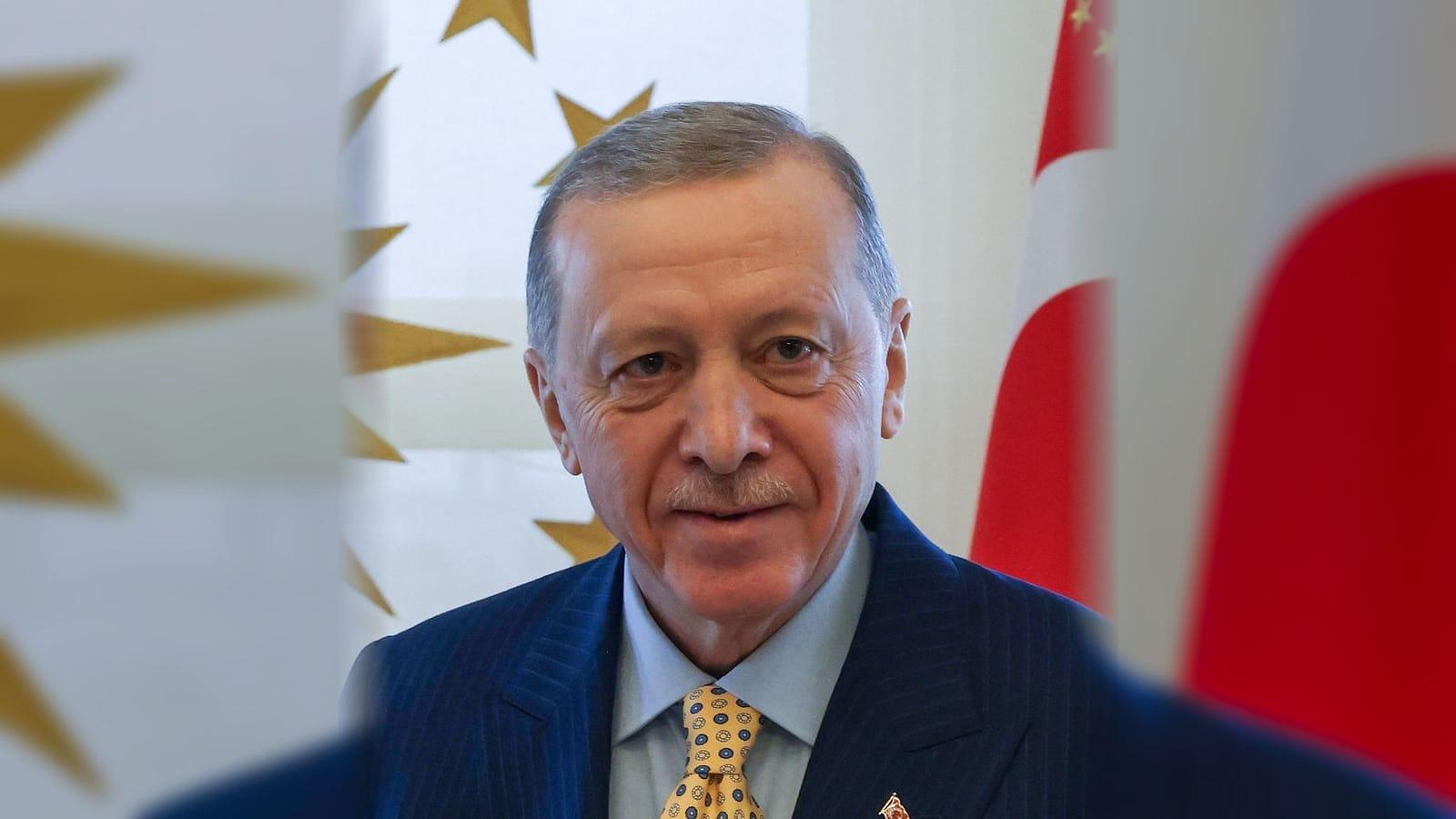
File photo
Security
Erdogan presses Trump against Iran strike as Turkey touts 7-point deal
File photo
Security
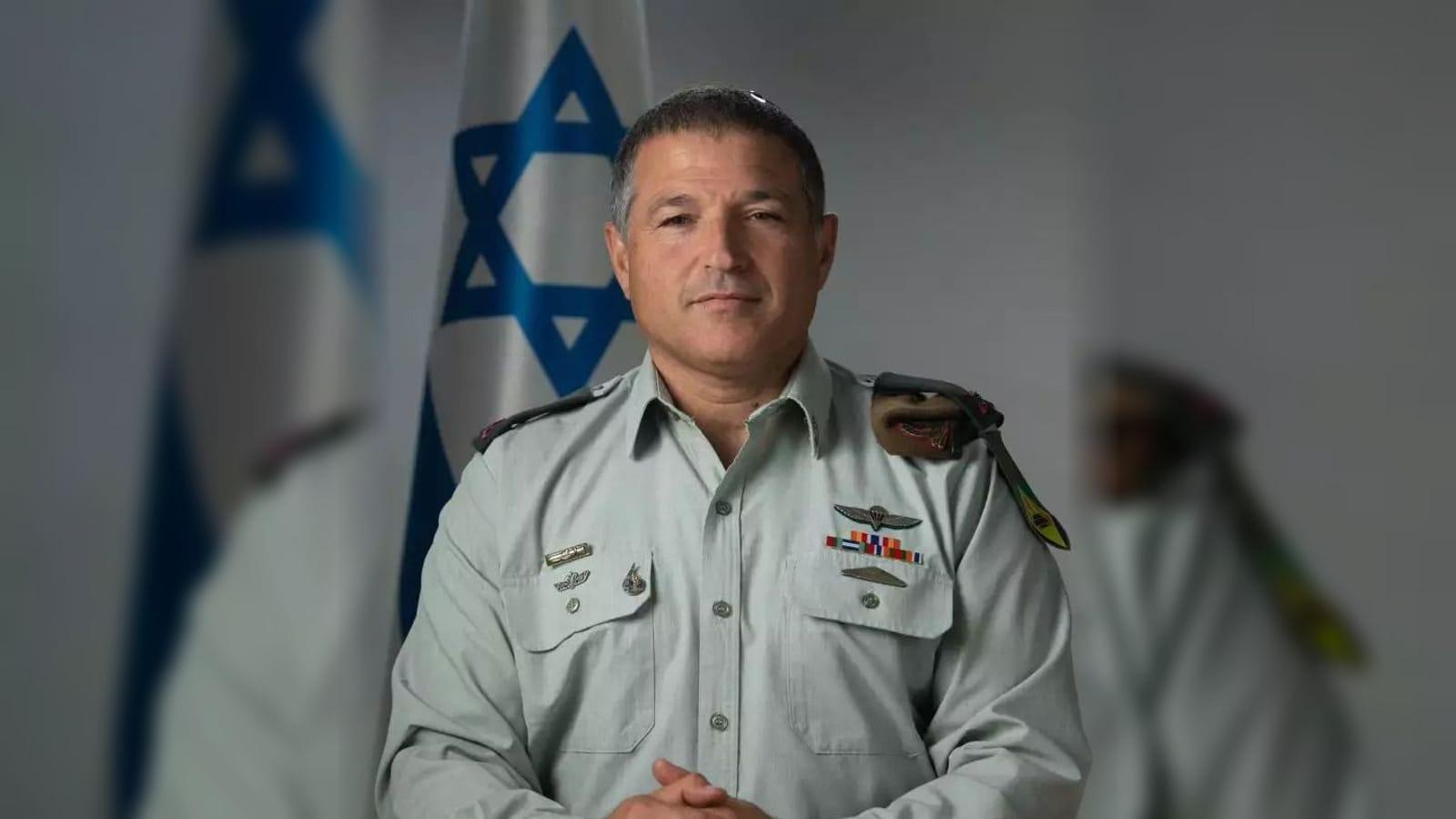
Shin Bet has not backed Zini's election interference claims, officials tell Haaretz

Illustration
Security
IDF forms drone and robotics strike battalions in Golani and Nahal brigades
Illustration
Security
Lebanese channels report Israeli air strikes on Tebnine and Qantara
Sources and further reading
Every link below was opened and checked when this page was written. Official statements are marked as such: they are the subject's own account, not an independent one.
- Reportingabualiexpresst.meAbu Ali Express
- Reportingabualiexpresst.meAbu Ali Express
- Reportingnewssilt.meNews.co.il
How we checked this
The remarks were reported by two Hebrew-language outlets, Abu Ali Express and News.co.il, neither of which cites the original Iranian source; we have not seen the statement itself. The reference to poverty, hunger and economic conditions comes from News.co.il alone.
Our sourcing and corrections policy →The week from Israel, in one email
The stories that mattered, sourced and checked by the Israel.com newsroom. Free, weekly, one-click unsubscribe.
One list, unsubscribe in a click. See our privacy policy.
Latest
File photo
File photo

Illustration

Illustration
File photo

Illustration