Police find eight IDF artillery shell fuzes buried in the village of Zarzir
Northern District police and Border Police officers uncovered an army crate holding artillery fuzes and other ammunition, and are now seeking whoever hid it.
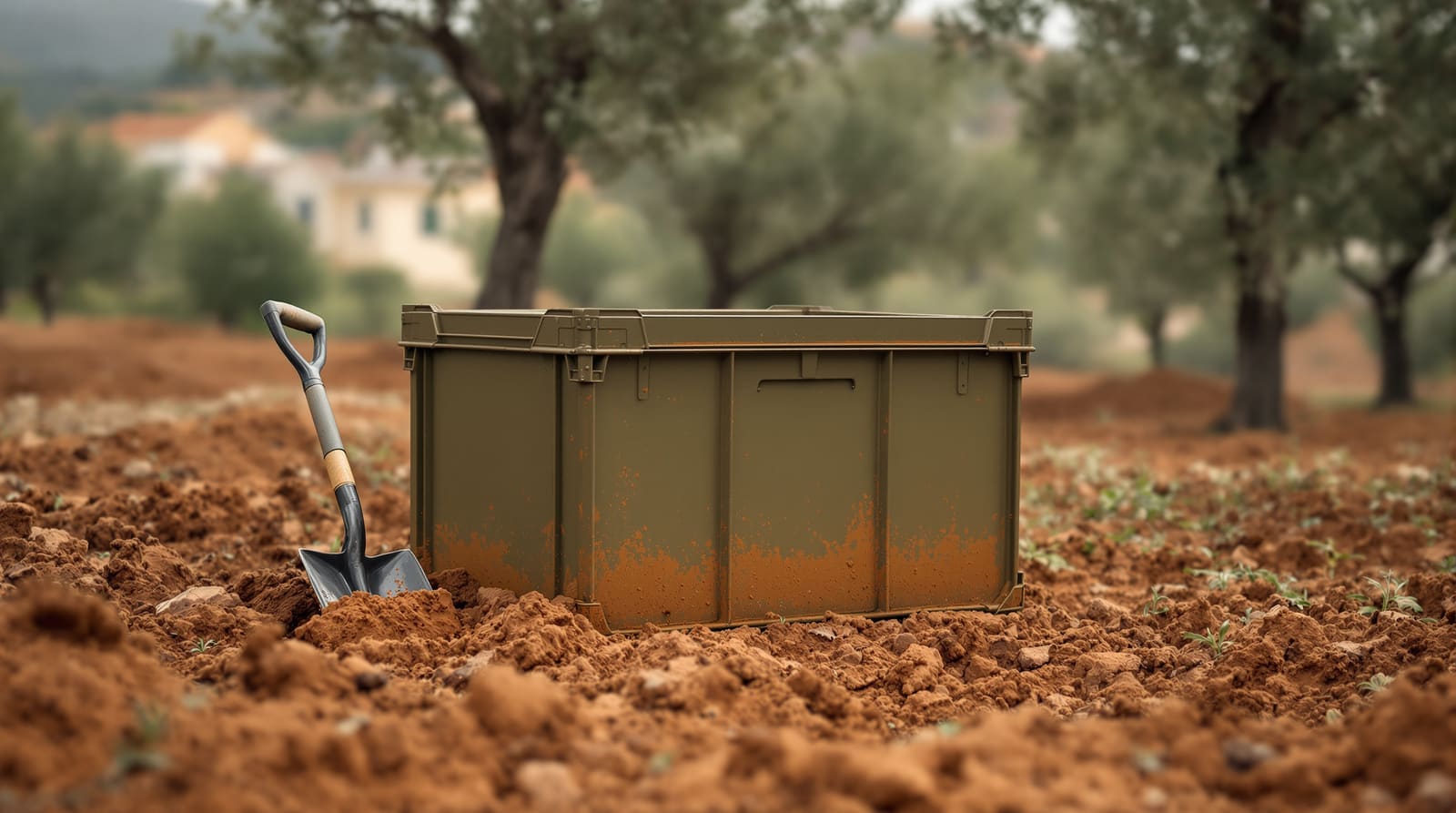
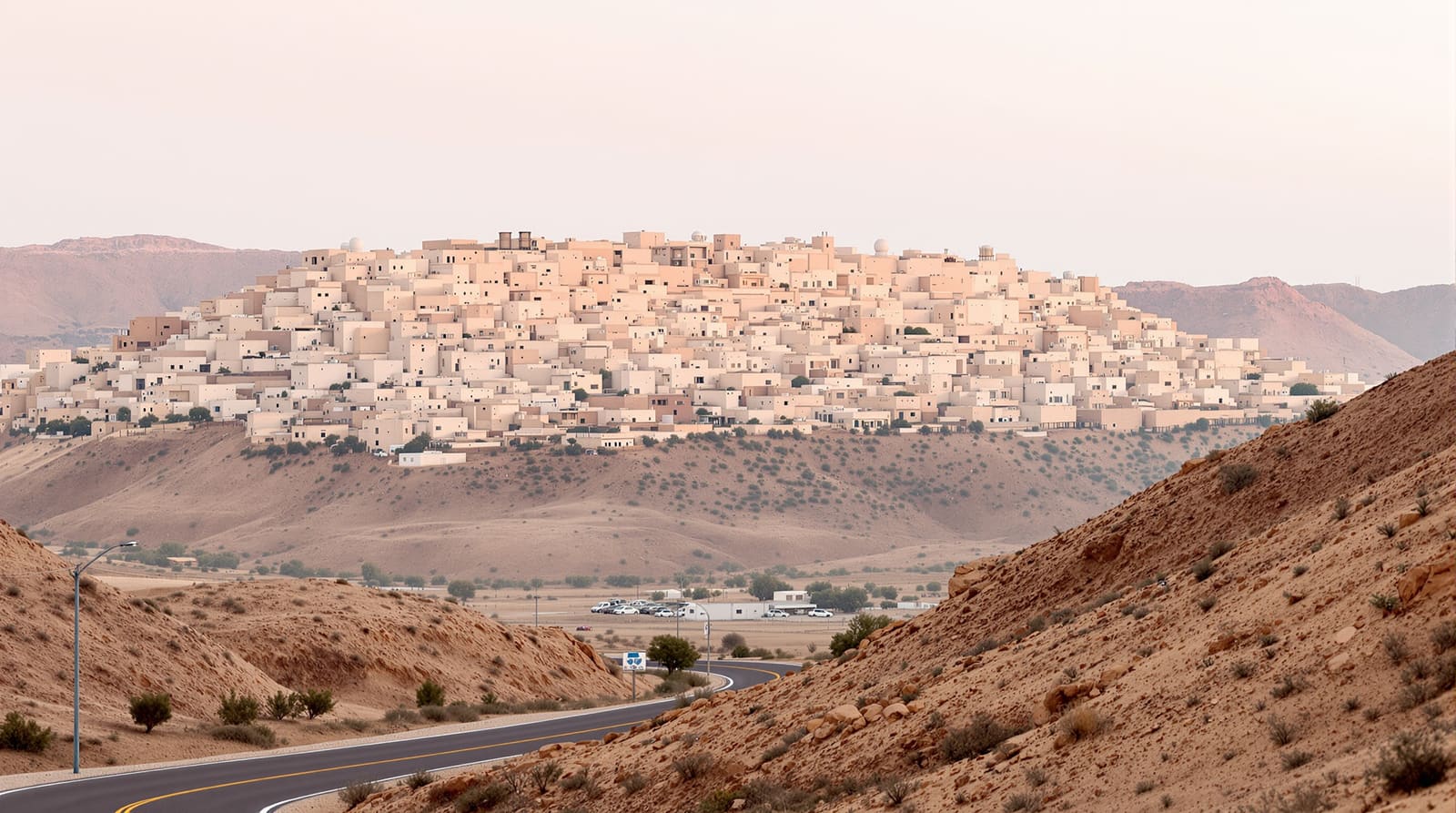
AI illustration, not a photo of the events.
Israeli police have uncovered eight fuzes for Israel Defense Forces (IDF) artillery shells hidden underground in Zarzir, a village in northern Israel. N12, the Israeli television news outlet, reported through its correspondent Or Ravid that the fuzes were exposed during police activity in the village and had been concealed in the soil. The report carried a photograph credited to the police spokesperson's unit.
A second outlet gave a fuller account. According to News.co.il, officers from the police Northern District and fighters from the Border Police found a military crate buried in the ground that contained the eight fuzes along with additional ammunition. The items were seized and handed over for further investigation and forensic work, with the stated aim of identifying the suspects who had held the weaponry, News.co.il reported. Neither outlet reported any arrests.
What a fuze is
A fuze is the component that sets off an explosive shell. Mounted on an artillery round, it determines when and how the charge detonates, whether on impact, after a delay or at a set point. Without one, a shell is far harder to use as designed; on its own, a fuze contains a small explosive element and is regulated military equipment. The reports describe the items specifically as fuzes intended for IDF artillery shells, meaning the equipment originated with the Israeli army rather than being improvised or smuggled in from abroad. Neither report says whether any shells were found alongside the fuzes.
Where Zarzir is
Zarzir is a Bedouin Arab village in the north of Israel, falling under the police Northern District, the regional command responsible for policing the country's north. News.co.il identified the officers involved as coming from that district.
Who carried out the search
The operation involved two forces. The first was regular police from the Northern District. The second was the Border Police, known in Hebrew as Magav, a gendarmerie-style branch of the Israel Police whose personnel are trained along military lines. Border Police units are frequently deployed alongside district officers for searches and operations in which armed resistance or weapons are anticipated.
Israel's week in five stories, every Friday
Sourced and checked by the Israel.com newsroom, with Shabbat times. Free, one-click unsubscribe.
One list, unsubscribe in a click. See our privacy policy.
The Hebrew reports use two terms worth explaining. The first is a verb meaning that something was stashed or concealed, typically used for weapons hidden away for later use. The second is the acronym amlach, short for the Hebrew words for weapons and military equipment, a standard term in Israeli police and army statements covering everything from firearms to ammunition and explosives.
How this fits a wider pattern
Finds of military-origin ammunition outside army control are a recurring subject of Israeli police announcements. Army weapons and munitions that leave IDF bases, whether through theft or other routes, are a long-standing concern for Israeli security authorities, because such material can reach criminal organisations. Police in Israel regularly publicise seizures of this kind, often with photographs released by the police spokesperson, as happened here.
File photo
Next story In Memoriam
IDF chief Zamir at Ben-Gurion memorial: the army is short of combat soldiers
The reports in this case do not connect the find to any specific crime, criminal group or security incident, and we do not draw such a link. What they establish is the discovery, the location, the type of equipment and the start of an investigation to find those responsible.
Where the accounts differ
The two reports agree on the core facts: eight fuzes for IDF artillery shells, buried in the ground in Zarzir, found by police. They differ in detail. N12 described only the fuzes. News.co.il added that they were packed in an army crate and that further ammunition was found with them, and named the Border Police as taking part. N12's report does not contradict those additions, but it does not confirm them either.
What the reports do not say
Neither report explains how the fuzes left army hands, how long they had been buried, or what led police to the spot. The quantity and type of the additional ammunition mentioned by News.co.il were not specified. No suspects have been named and no arrests reported, and there is no published response from the IDF on whether the equipment has been traced to a particular unit or base.
Read next
All in memoriam →
Illustration
In Memoriam
Jordan sentences three to death over Karak church funeral attack
Illustration
Security
Israel extends David's Sling interception range, Bloomberg reports

Illustration
Transport
Arkia plans to restart direct Israel to Marrakesh flights in January

Illustration
Transport
Israir signs American Airlines pact, projecting $20-40 million a year
Sources and further reading
Every link below was opened and checked when this page was written. Official statements are marked as such: they are the subject's own account, not an independent one.
- Reportingkeshett.meN12
- Reportingnewssilt.meNews.co.il
How we checked this
The discovery of eight buried IDF artillery shell fuzes in Zarzir was reported by both N12 and News.co.il. The details of the army crate, the additional ammunition and the Border Police's involvement come from News.co.il alone; we have not independently verified the find.
Our sourcing and corrections policy →The week from Israel, in one email
The stories that mattered, sourced and checked by the Israel.com newsroom. Free, weekly, one-click unsubscribe.
One list, unsubscribe in a click. See our privacy policy.
Latest
Illustration
Illustration

File photo

Illustration
Illustration

Illustration