IDF chief Zamir at Ben-Gurion memorial: the army is short of combat soldiers
Lt. Gen. Eyal Zamir said the IDF must grow and spread the burden more evenly, as talks over ultra-Orthodox conscription continue in the background.
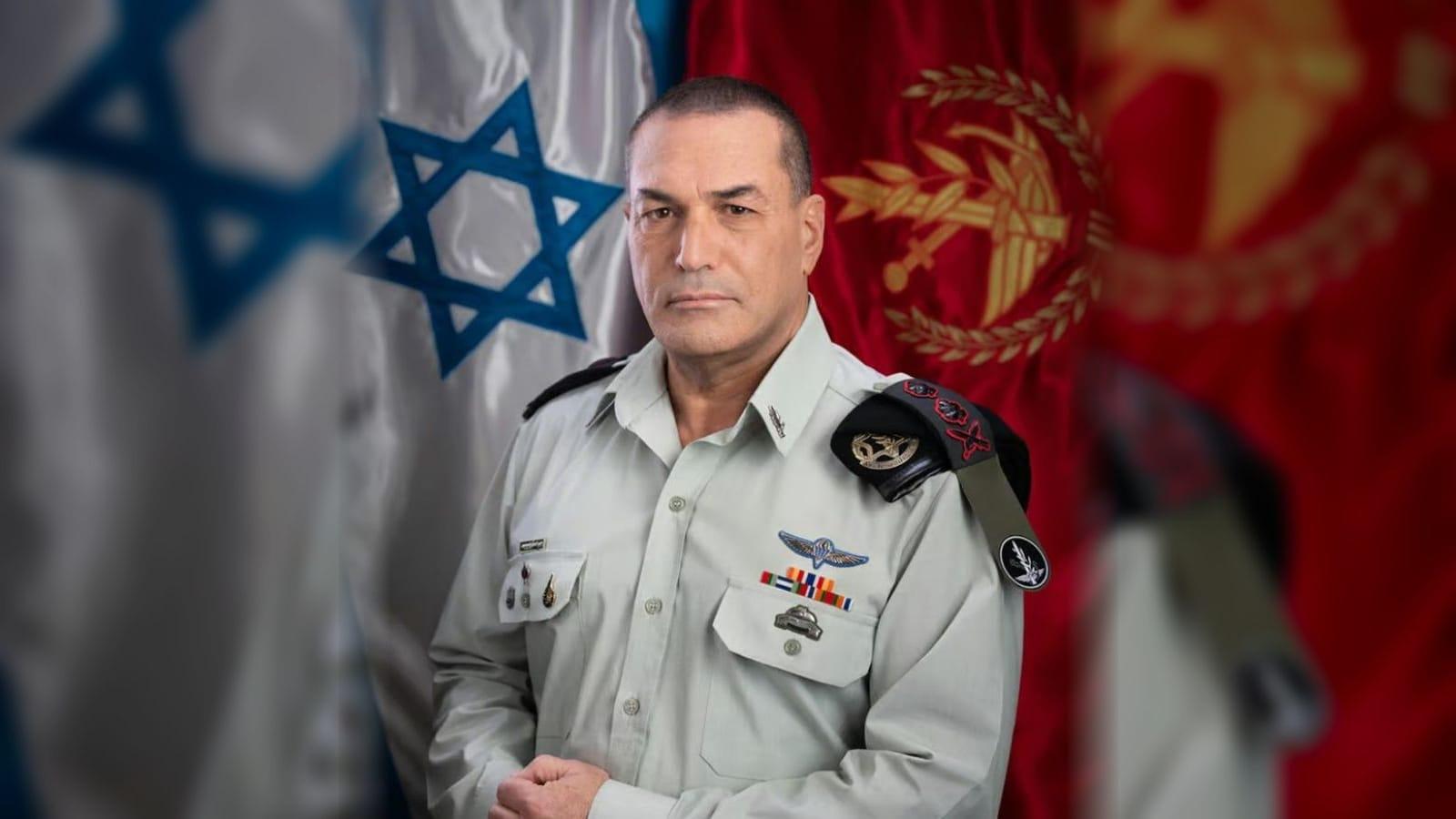
Eyal Zamir. File photo by IDF Spokesperson's Unit photographer, CC BY-SA 3.0, via Wikimedia Commons.
The chief of staff of the Israel Defense Forces (IDF), Lieutenant General Eyal Zamir, told a seminar and memorial ceremony for David Ben-Gurion that the army does not have enough combat soldiers and needs to expand. According to a statement released by the IDF spokesperson, Zamir tied the shortage to Ben-Gurion's idea of a "People's Army", saying the concept rests first of all on an operational requirement and that "the IDF is short of combat troops." He added that this situation "has not changed."
Zamir also argued that widening the circle of those who serve would let the operational load be shared more evenly across Israeli society, and would above all bring significant relief to reservists, N12 reported, citing its correspondent Nitzan Shapira. The IDF statement says he went on to describe a national need and a sense of responsibility alongside the operational one, though the published excerpt cuts off before that point is completed.
Who spoke, and where
The chief of the general staff, known in Hebrew by the acronym Ramatkal, is the most senior officer in the IDF and commands all branches of the military. Zamir holds the rank of lieutenant general, the highest in the Israeli army.
The occasion was a seminar and ceremony held in memory of David Ben-Gurion, Israel's founding prime minister, who oversaw the creation of the IDF. Zamir used the setting to invoke one of the founding principles associated with Ben-Gurion: the "People's Army", in Hebrew tzva ha'am. The phrase describes a military built on broad national conscription, drawing soldiers from across society rather than relying on a professional or volunteer force.
The political backdrop: a conscription law
Several Hebrew-language outlets placed the remarks in the context of the ongoing dispute over drafting ultra-Orthodox men, known as Haredim, into the army. Exemptions and deferrals for Haredi yeshiva students have long been one of the most contested questions in Israeli politics, and any change requires legislation, usually referred to as a conscription or draft law.
Israel's week in five stories, every Friday
Sourced and checked by the Israel.com newsroom, with Shabbat times. Free, one-click unsubscribe.
One list, unsubscribe in a click. See our privacy policy.
Ynet reported that Zamir spoke against the background of negotiations between Eisenkot and the Haredim, and following a remark by Avigdor Liberman, whom the site described as the temporary chairman of the Knesset's Foreign Affairs and Defense Committee. Liberman, according to Ynet, had spoken of a conscription law that would be acceptable both to the chief of staff and to Rabbi Landau. News.co.il gave a similar account, saying Liberman had described the need for a draft law that would satisfy both Zamir and Rabbi Landau.
The Foreign Affairs and Defense Committee is the parliamentary body that oversees the military and security services, and it is the forum where draft legislation is typically debated in detail. Rabbi Landau, as referred to in these reports, is a figure in the Haredi community whose approval Liberman framed as necessary for any law to pass alongside the army's. Political commentator Amit Segal also framed the speech as coming amid contacts with the Haredim.
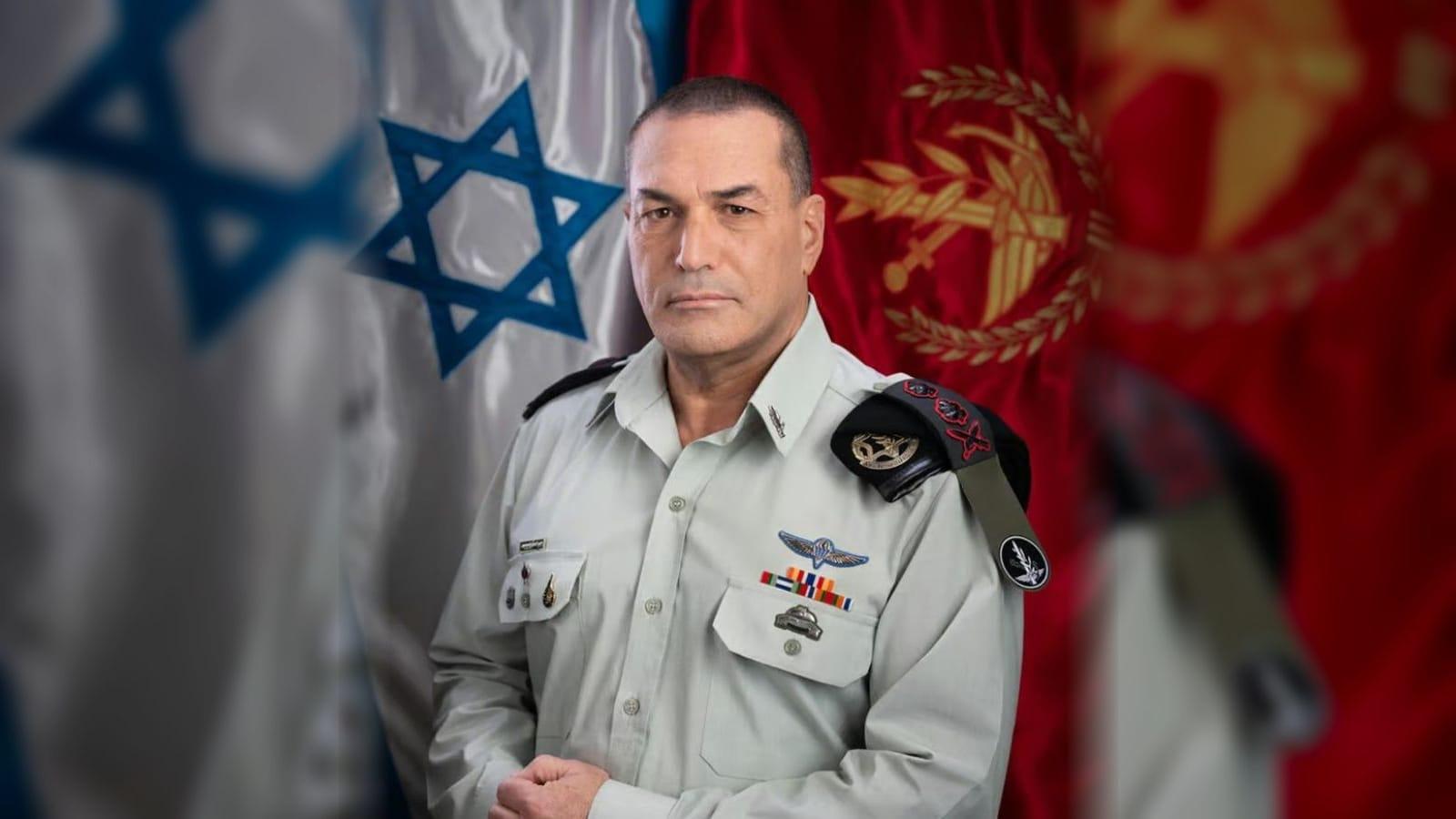
File photo
Zamir himself, in the excerpts published by the IDF and by the Hebrew outlets, did not mention the Haredi community, the negotiations, Liberman or any specific piece of legislation. The link between his remarks and the draft talks is drawn by the outlets reporting on the speech, not stated in his words.
Why reservists feature in the argument
Israel's military depends heavily on reservists, citizens who have completed compulsory service and are called back for duty. Zamir's point, as reported by N12 and News.co.il, was that a larger pool of conscripts would ease the load carried by those reservists. Ynet's alert summarised the message in a single line: the IDF must expand, and combat soldiers are lacking.
How the reports differ
The reports agree on the substance of what Zamir said. They differ in how they describe the surrounding politics. Ynet refers specifically to negotiations involving Eisenkot, while Amit Segal speaks more generally of contacts with the Haredim. News.co.il and Ynet both link the speech to Liberman's comment, while the IDF's own statement presents it without political framing. None of the reports describes the state of the talks in detail.
What the reports do not say
The reports do not give the size of the combat soldier shortage or any figure for how many additional troops the IDF says it needs. They do not report any response from Haredi leaders, from Rabbi Landau, from Eisenkot or from Liberman to Zamir's remarks. Nor do they say where the conscription negotiations currently stand or whether a draft bill has been tabled. The IDF's published excerpt also ends mid-sentence, so the full text of Zamir's remarks on national responsibility has not been reported.
Read next
All in memoriam →
File photo
Security
IDF chief Zamir again resists Netanyahu's proposed Iran moves, Channel 12 says
File photo
Security
Katz says he, Netanyahu and army chief Zamir agree on Iran amid reported rift

Illustration
Government
Bennett party MK Avishar Ben-Horin approved as Finance Committee chair
File photo
Courts & Crime
Police chief Danny Levy places about 15 officers without Ben-Gvir's sign-off
Sources and further reading
Every link below was opened and checked when this page was written. Official statements are marked as such: they are the subject's own account, not an independent one.
- Officialidft.meIDF spokesperson
- Reportingyediothynet.co.ilYnet
- Reportingyediotht.meYnet alerts
- Reportingamitsegalt.meAmit Segal
- Reportingnewssilt.meNews.co.il
- Reportingkeshett.meN12
How we checked this
Zamir's remarks are drawn from the IDF spokesperson's statement and were reported consistently by N12, Ynet, News.co.il and Amit Segal. The link to Haredi draft negotiations and Liberman's comment comes from those outlets, not from Zamir's own words.
Our sourcing and corrections policy →The week from Israel, in one email
The stories that mattered, sourced and checked by the Israel.com newsroom. Free, weekly, one-click unsubscribe.
One list, unsubscribe in a click. See our privacy policy.
Latest

Illustration
Illustration

Illustration

Illustration

Illustration
File photo