Ramla's Jaroushi and Shamali families sign sulha after dozens killed
Two Ramla families locked in a long feud held a traditional reconciliation ceremony, with Israeli outlets giving differing death tolls for the conflict.
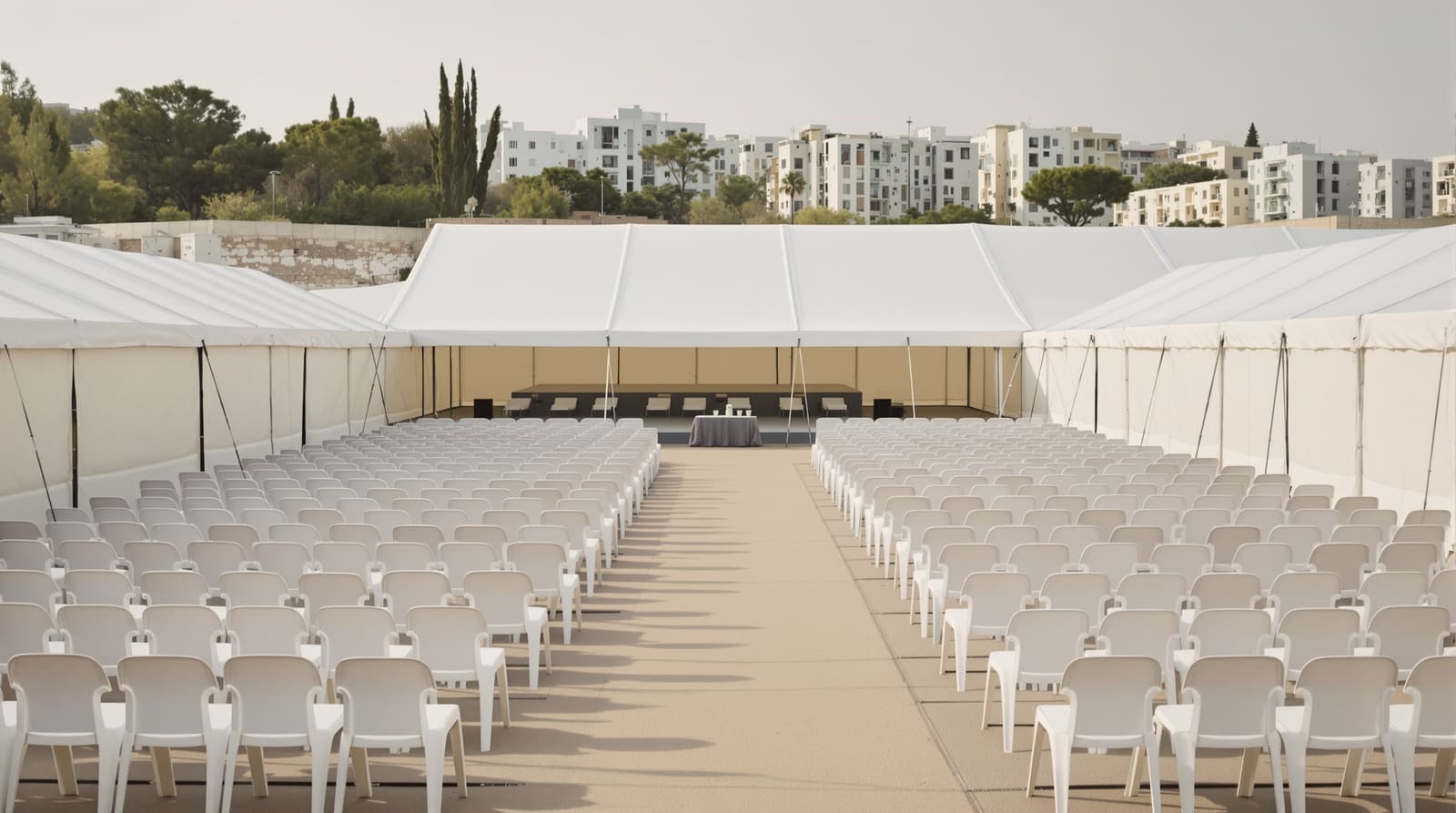
AI illustration, not a photo of the events.
Two families from the central Israeli city of Ramla, the Jaroushi and Shamali families, have concluded a reconciliation agreement after a feud that cost dozens of lives, according to Israeli media. Ynet, the news site of the Yedioth Ahronoth group, reported on its alerts channel that the agreement came after more than 40 people had been killed, and described it as a historic sulha, the Arabic term for a traditional reconciliation between feuding parties.
N12, the news brand of one of Israel's main commercial television channels, carried a report from its correspondent Yulan Cohen that also called the sulha historic but put the toll at more than 30 victims. Cohen described the parties as the Jaroushi crime family on one side and the al-Shamali clan on the other, and reported that more than 5,000 people took part in an event held to mark the reconciliation.
The two accounts differ on the death toll
The two outlets do not agree on how many people died during the feud. Ynet's alert refers to more than 40 killed, while N12's report refers to more than 30 victims. Neither alert explains how its figure was reached, over what period the deaths occurred, or whether every death counted was directly linked to the conflict between the two families. We are reporting both figures as each outlet gave them.
The outlets also describe the parties differently. Ynet refers simply to the Jaroushi and Shamali families. N12 labels the Jaroushi side a crime family and uses the Hebrew word hamula for the Shamali side, a term for an extended Arab clan or kinship group that can include many households sharing a common ancestor.
What a sulha is
A sulha is a customary reconciliation process rooted in Arab tradition and practised among Arab communities in Israel and across the region. It is typically used to end disputes between families or clans, including feuds involving violence and death. The process usually involves mediators drawn from respected community figures, negotiations between the sides, and a public ceremony at which the agreement is announced in front of the wider community. The large attendance N12 reported is consistent with the public character such ceremonies usually have.
Israel's week in five stories, every Friday
Sourced and checked by the Israel.com newsroom, with Shabbat times. Free, one-click unsubscribe.
One list, unsubscribe in a click. See our privacy policy.
A sulha operates alongside, not in place of, the Israeli state legal system. It is a social and communal agreement between the parties rather than a court ruling, and its purpose is to halt cycles of revenge between families.
Where Ramla is
Ramla is a city in central Israel, a short distance southeast of Tel Aviv and near Ben Gurion Airport. It is a mixed city with both Jewish and Arab residents, one of several such cities in Israel. Its Arab population includes long-established extended families, and disputes between some of them have at times turned violent.

Illustration
Next story Emergency
Woman hospitalised with rabies dies at Shamir-Assaf Harofeh Medical Center
Feuds and violence in Arab communities
Violence between rival families and criminal groups has been a recurring concern in Arab towns and in mixed cities in Israel, and has drawn repeated public attention to policing and to the role of organised crime. Community leaders in such cases often turn to the sulha tradition as a way of ending a feud that the courts and police alone have not brought to a close. The two reports describe this agreement as historic, but neither alert gives detail on how it was brokered.
What the reports do not say
The brief alerts leave several questions open. They do not name the mediators who brokered the agreement or say whether Israel Police or any official body was involved or present. They do not give the terms of the sulha, including whether any compensation was agreed. They do not reconcile the different death tolls of more than 40 and more than 30, nor say when the feud began or when the most recent killing took place. Neither report includes any statement from members of either family, and no response from Israel Police or the Ramla municipality has been reported.
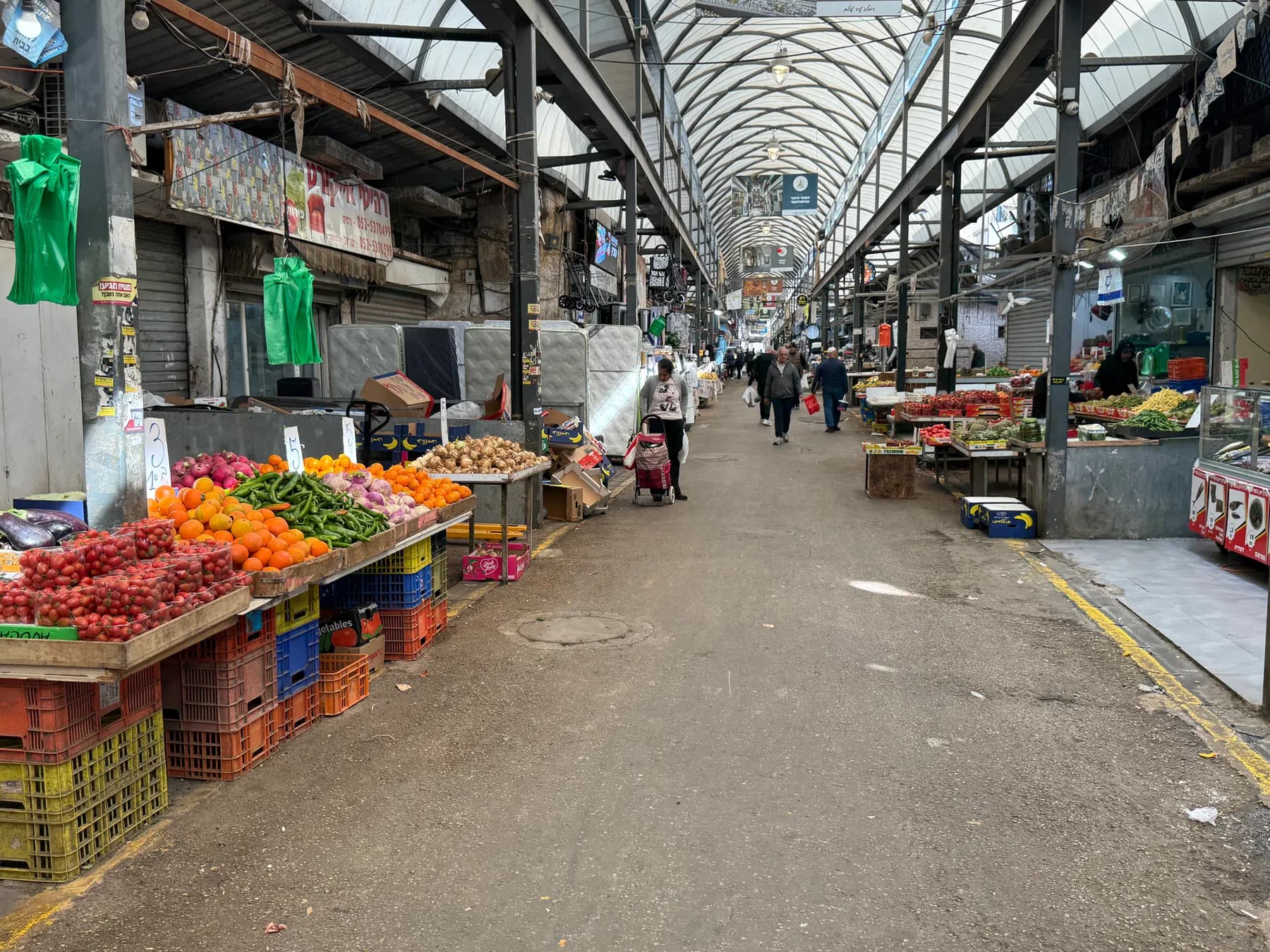
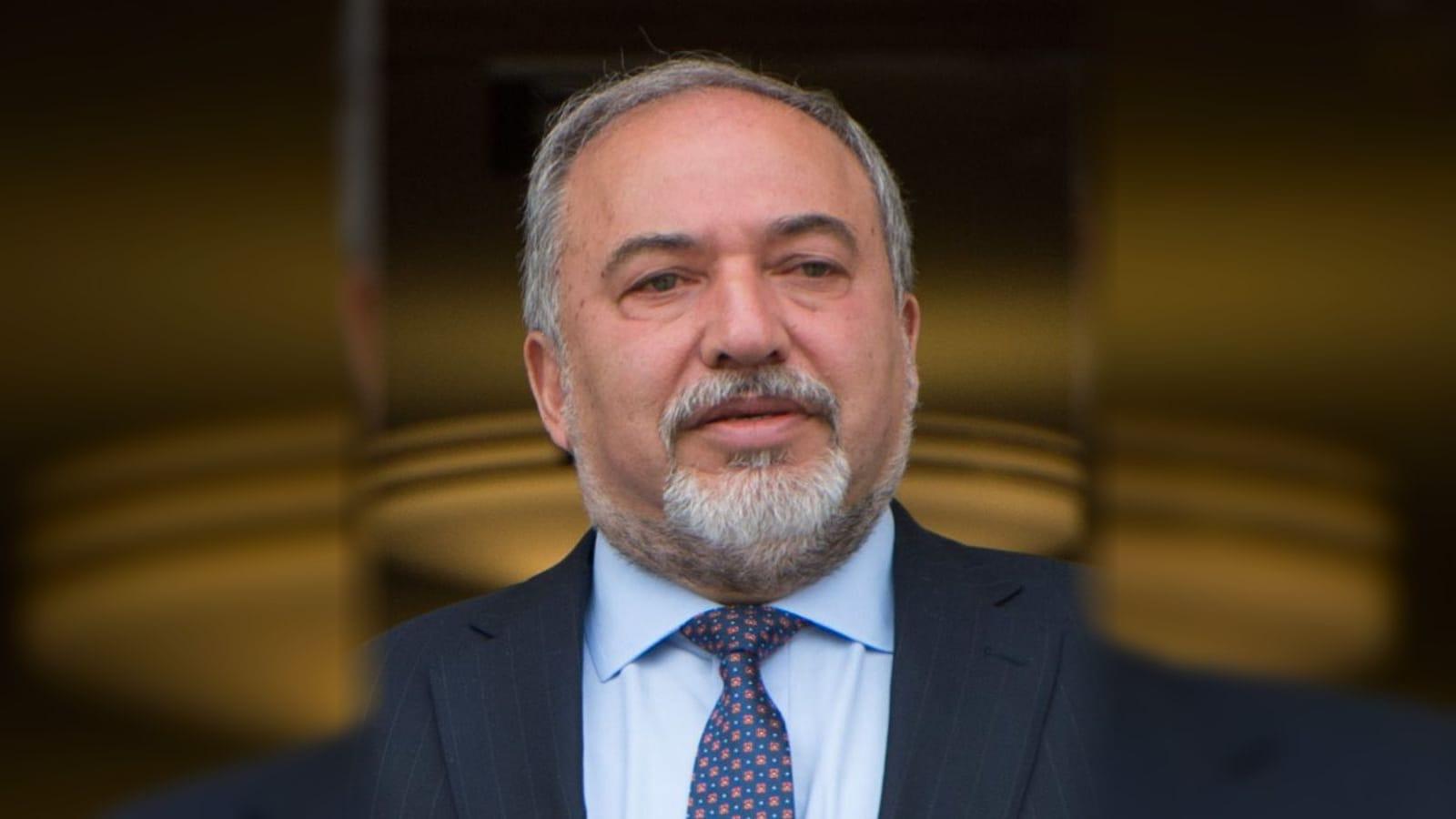
שלמה רודד / CC BY 2.5 · Wikimedia Commons
Read next
All emergency →
Illustration
Emergency
Man of about 80 dies in Rosh Pina apartment fire, woman hospitalised

Illustration
Emergency
Seven rescued from burning three-storey building in Majd al-Krum

Illustration
Emergency
Two motorcyclists aged 17 and 20 seriously hurt in Route 4570 crash
Illustration
Emergency
Police appeal for help finding missing 10-year-old boy from Tel Zion
Sources and further reading
Every link below was opened and checked when this page was written. Official statements are marked as such: they are the subject's own account, not an independent one.
- Reportingyediotht.meYnet alerts
- Reportingkeshett.meN12
How we checked this
The reconciliation was reported separately by Ynet and N12, which disagree on the death toll (more than 40 versus more than 30). The attendance figure and the description of the Jaroushi side as a crime family come from N12 alone.
Our sourcing and corrections policy →The week from Israel, in one email
The stories that mattered, sourced and checked by the Israel.com newsroom. Free, weekly, one-click unsubscribe.
One list, unsubscribe in a click. See our privacy policy.
Latest
Illustration
File photo
Illustration
Illustration

Illustration
Illustration