Resident of Mazra'a near Nahariya arrested on suspicion of spying for Iran
Israeli security forces detained a citizen from a northern village who allegedly offered his services to Iran unprompted and photographed military bases and police stations.
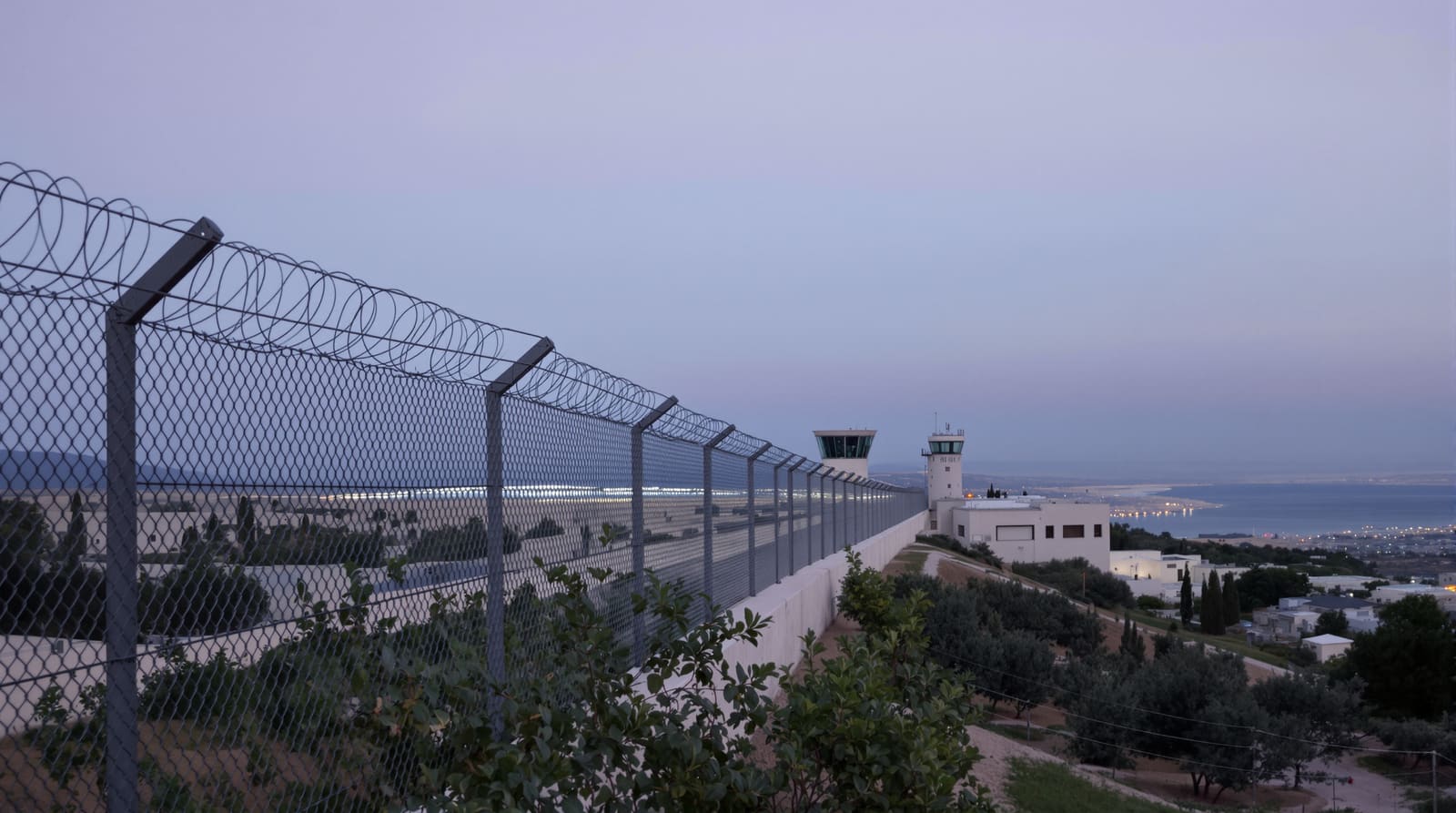
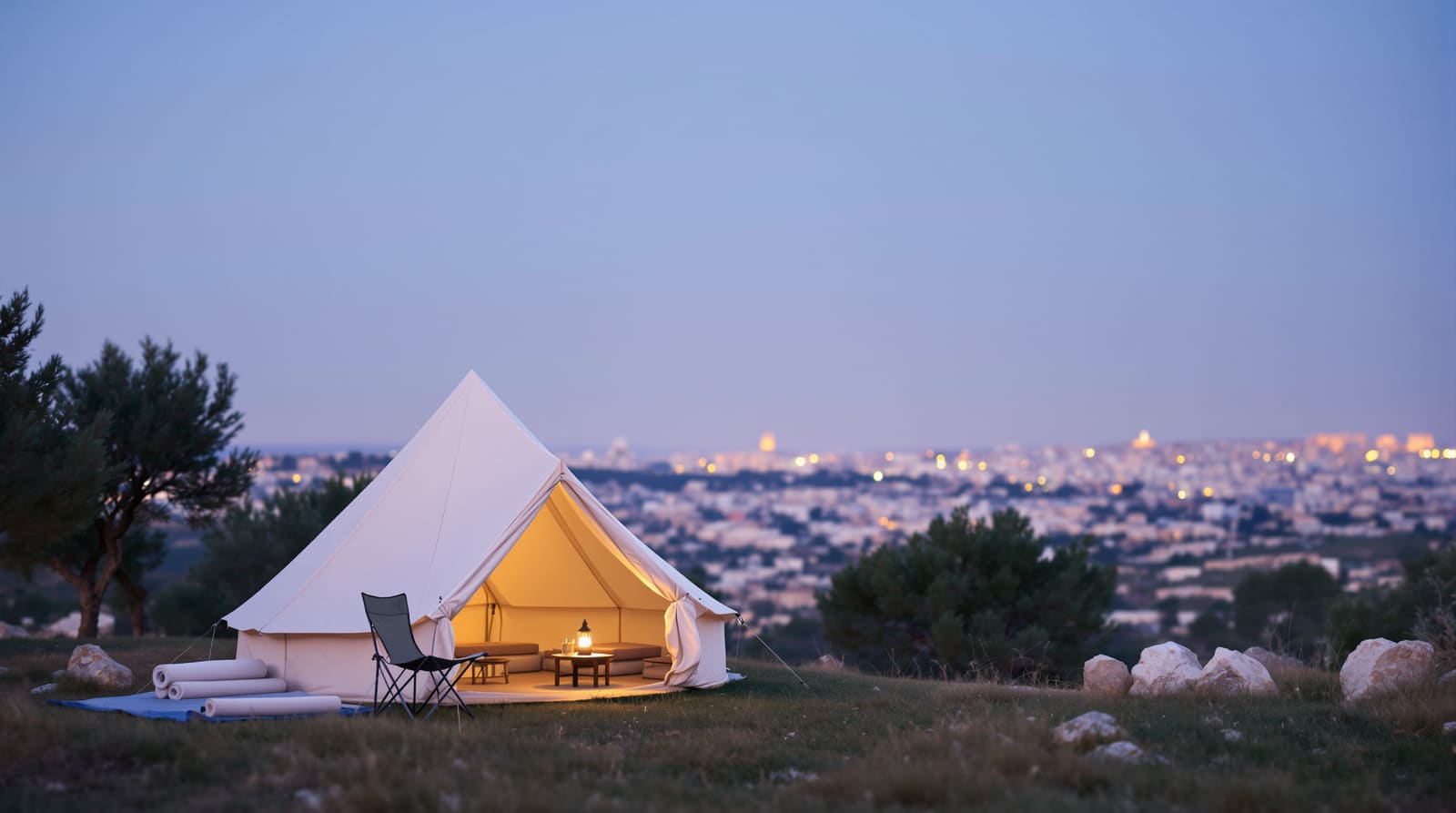
AI illustration, not a photo of the events.
Israeli security forces have arrested a citizen from Mazra'a, a village close to the northern coastal city of Nahariya, on suspicion of carrying out intelligence tasks for Iran. The Israeli television news outlet N12 reported, through its correspondent Or Ravid, that the suspect, a resident of the north, had contacted Iran on his own initiative.
Israeli journalist Amit Segal named the suspect as Wissam Ghaleb Saleh Awad. According to Segal, he approached the Iranians out of ideological motivation, sympathised with Hezbollah and photographed strategic facilities, military bases and police stations for them. Segal wrote that he did this without receiving payment, and described him as one more Iranian spy caught inside Israel.
Where Mazra'a is
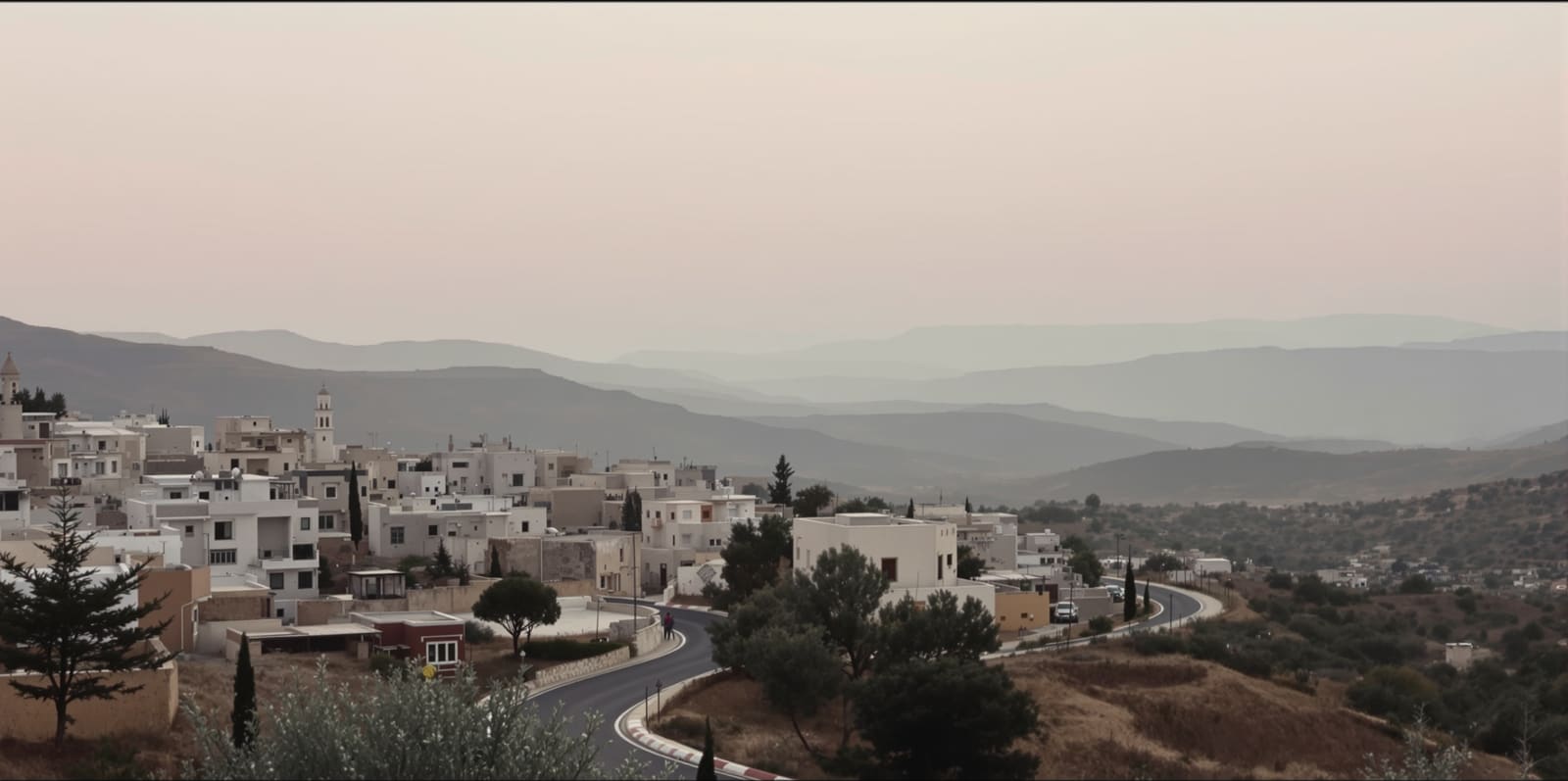
Mazra'a is a small village in the Western Galilee, just outside Nahariya, a coastal city in Israel's far north. The area lies a short distance south of the border with Lebanon, where Hezbollah is based. Both reports identify the suspect as a resident of northern Israel; neither gives further personal details beyond the name Segal published.
Who Hezbollah is, and its link to Iran
Hezbollah is a Lebanese Shiite armed group and political movement that receives funding, weapons and training from Iran. Israel regards it as Iran's most significant ally on its northern border, and the two have fought repeatedly. According to Segal's report, the suspect's motive was identification with Hezbollah rather than money, a detail that sets this case apart from accounts in which recruits are offered cash for their work.
An approach made unprompted
Both organisations stress the same point: that the suspect reached out to Iran himself rather than being approached. N12 framed it as contact made on his own initiative, and Segal used similar language, adding the ideological motive. Neither report explains how the contact was made, over what period, or how it came to the attention of the authorities.
Israel's week in five stories, every Friday
Sourced and checked by the Israel.com newsroom, with Shabbat times. Free, one-click unsubscribe.
One list, unsubscribe in a click. See our privacy policy.
How this fits a wider pattern
Segal's description of the man as "another" Iranian spy reflects a series of similar arrests that Israeli authorities have announced in recent times, in which Israeli citizens and residents were accused of gathering information or carrying out tasks for Iranian handlers. In many of those cases, the suspects were said to have been recruited online and paid for their work. Investigations of this kind in Israel are generally handled by the Israel Security Agency, known as the Shin Bet, together with the Israel Police, though the reports in this case refer only to security forces and do not name the agencies involved.
The targets listed by Segal, strategic facilities, military bases and police stations, are consistent with the type of information Israeli officials have accused Iran of seeking through local recruits: locations and images that could help identify sites in Israel.
What the reports agree on and where they differ
The two reports were published within minutes of each other and agree on the core facts: an arrest, a suspect from northern Israel, suspected intelligence work for Iran, and an approach made on the suspect's own initiative. The details beyond that come from one source only. The suspect's name, his village, the list of sites he allegedly photographed, the absence of payment and his sympathy for Hezbollah all appear in Segal's post and not in the N12 report. They have not been confirmed by a second organisation in the material available.
What the reports do not say
- Neither report quotes an official statement from the Shin Bet, the police or prosecutors, or says whether an indictment has been or will be filed.
- No date of arrest is given, and there is no indication of how long the alleged activity went on.
- The reports do not say which specific sites were photographed, or whether any material was actually passed to Iranian handlers.
- No response from the suspect, his family or a lawyer has been reported.
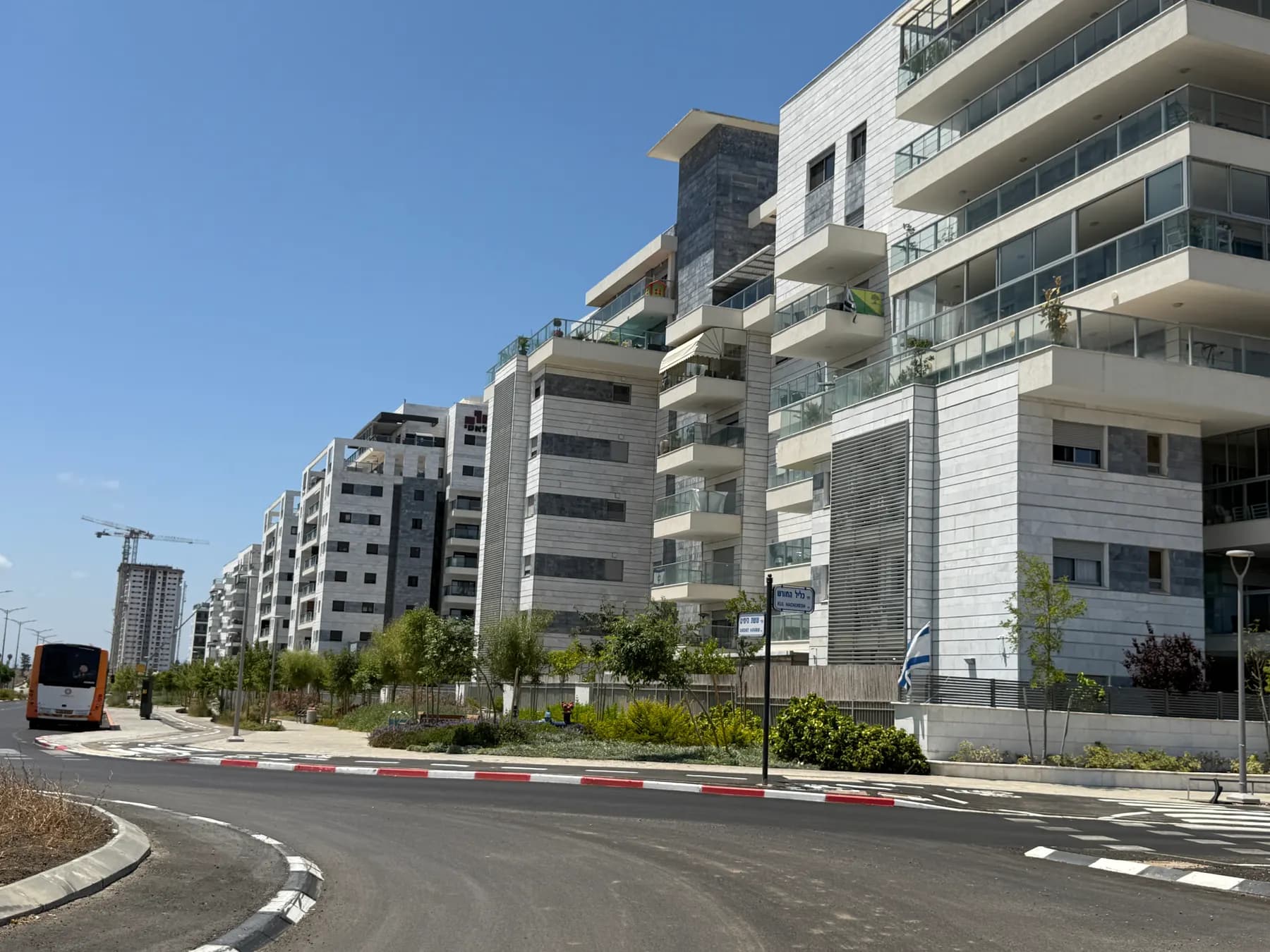
שלמה רודד / CC BY 2.5 · Wikimedia Commons
Read next
All security →
Illustration
Courts & Crime
Two 16-year-olds indicted over helmeted attack on a teen in a Nahariya park
Illustration
Emergency
Four-year-old boy dies after buggy overturns near Kabri forest in north
Illustration
Security
Masked settlers attack olive harvesters near Sa'ir, Palestinian car taken
Illustration
Security
Iran's Revolutionary Guards say six drones targeted a US radar in Bahrain
Sources and further reading
Every link below was opened and checked when this page was written. Official statements are marked as such: they are the subject's own account, not an independent one.
- Reportingamitsegalt.meAmit Segal
- Reportingkeshett.meN12
How we checked this
The arrest and the suspect's self-initiated contact with Iran were reported by both N12 and journalist Amit Segal. The suspect's name, the sites photographed, the lack of payment and the Hezbollah motive come only from Segal's post, and no official statement was included in the material.
Our sourcing and corrections policy →The week from Israel, in one email
The stories that mattered, sourced and checked by the Israel.com newsroom. Free, weekly, one-click unsubscribe.
One list, unsubscribe in a click. See our privacy policy.
Latest
Illustration

Illustration
Illustration
Illustration
File photo
File photo