Rubio says no need for more US strikes on Iran as economic pressure bites
The US secretary of state told a Washington audience that economic pain has weakened Iran enough, while also blaming its clerics for the region's major problems.
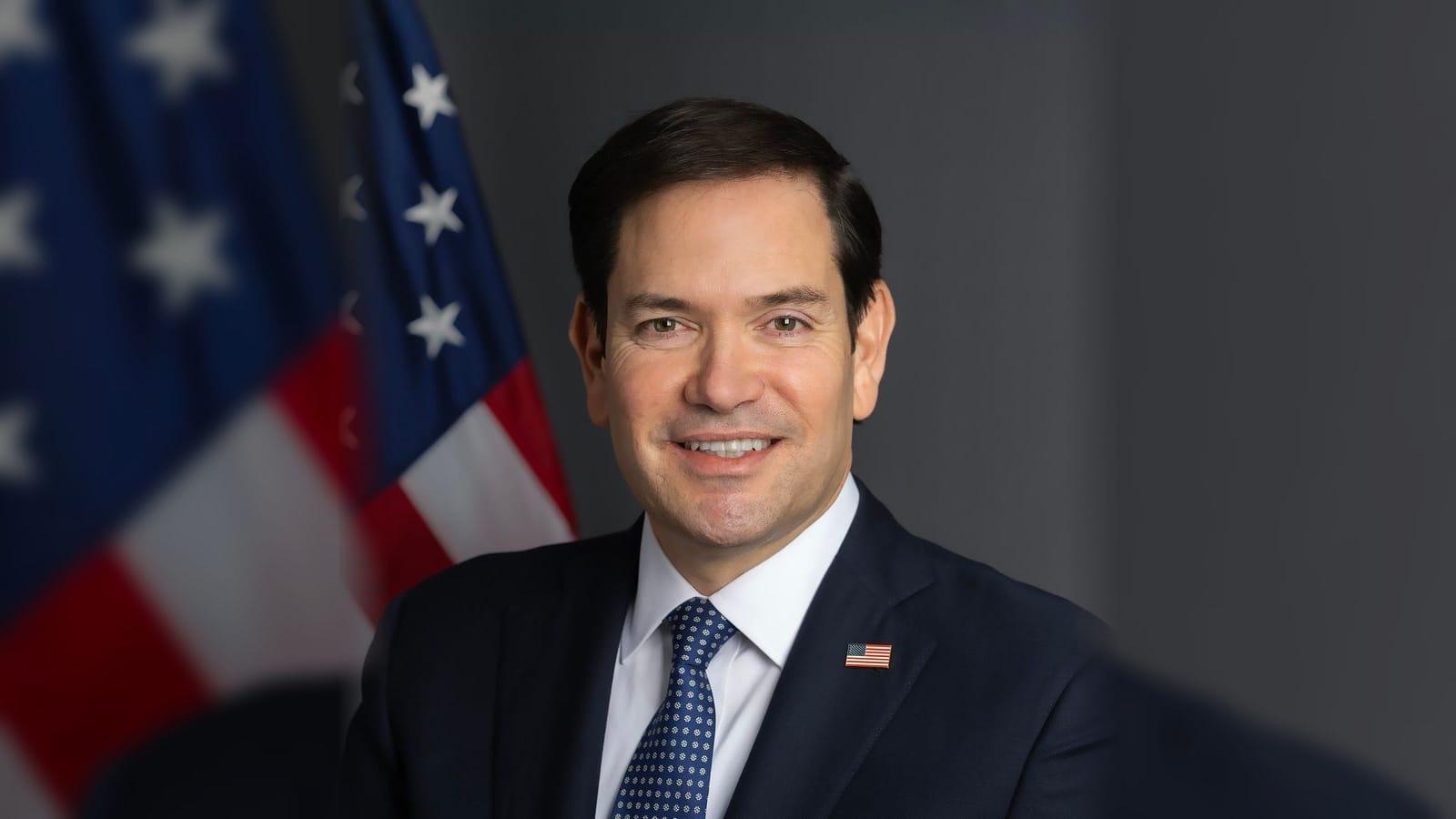
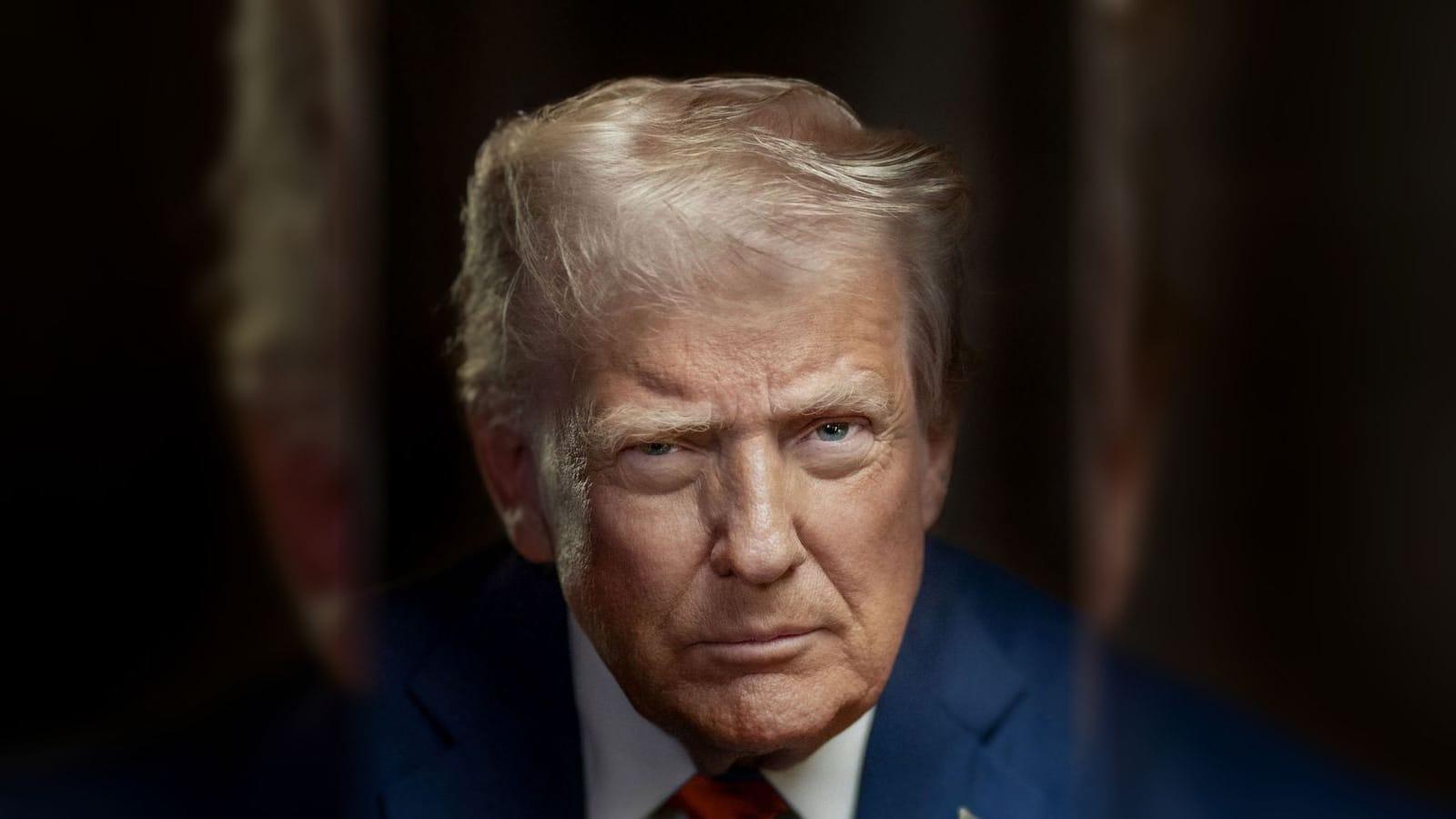
Marco Rubio. File photo by U.S. Department of State, public domain, via Wikimedia Commons.
US Secretary of State Marco Rubio said further American military action against Iran is not needed, arguing that the economic pressure Washington is applying has already weakened the Islamic Republic severely. The Times of Israel reported that Rubio made the remarks in a keynote speech to the Federalist Society National Lawyers Convention in Washington on November 13, 2026, saying the pain being inflicted on the Iranian government was so great that there was "no need for military action."
Rubio also placed responsibility for the region's troubles on Iran's religious leadership. The Jerusalem Post reported that he attributed all of the Middle East's major problems to the radical Shia clerics who lead Iran. The Jerusalem Post's report, as available to us, does not specify whether that comment came in the same speech.
On the ground

“Politics requires more than simply winning elections.” Secretary of State Marco Rubio says political power reaches far beyond the ballot box in his first speech since Republicans’ midterm defeat. Speaking at The Federalist Society 2026 National Lawyers Convention, Rubio says Show more
What Rubio said about the war
According to The Times of Israel, Rubio framed the current moment as one in which economic measures, rather than further strikes, are doing the work. He said Washington had weakened Iran so much that military force was unnecessary for now, but defined the goal more broadly: in his view, success means making sure Iran never obtains a nuclear weapon.
The Times of Israel described his comments as reinforcing a statement made earlier in the same week by US President Donald Trump, who said the war "militarily is effectively over." Taken together, the two remarks indicate that senior figures in the administration are presenting the military phase of the confrontation with Iran as having concluded, with pressure now applied primarily through economic means.
The cost at home
Rubio did not present the conflict as cost-free for Americans. The Times of Israel reported that he acknowledged the economic strain the war has placed on people in the United States. The paper noted that the conflict has pushed up fuel prices and has had effects across almost every part of the global economy.
Israel's week in five stories, every Friday
Sourced and checked by the Israel.com newsroom, with Shabbat times. Free, one-click unsubscribe.
One list, unsubscribe in a click. See our privacy policy.
Rubio also argued, according to the same report, that it would have been easier for Trump to look away from the danger posed by Iran's nuclear programme and avoid what he called an unpopular war. The excerpt of the report available to us breaks off at that point, so the full argument he made is not part of the material.
Who Rubio was addressing
The Federalist Society is a well-known American organisation of conservative and libertarian lawyers, judges and legal scholars. Its National Lawyers Convention in Washington regularly draws senior government figures as speakers. A foreign policy message delivered at a legal gathering of this kind reaches a domestic American audience, which helps explain why Rubio addressed the war's cost to Americans alongside his comments on Iran.
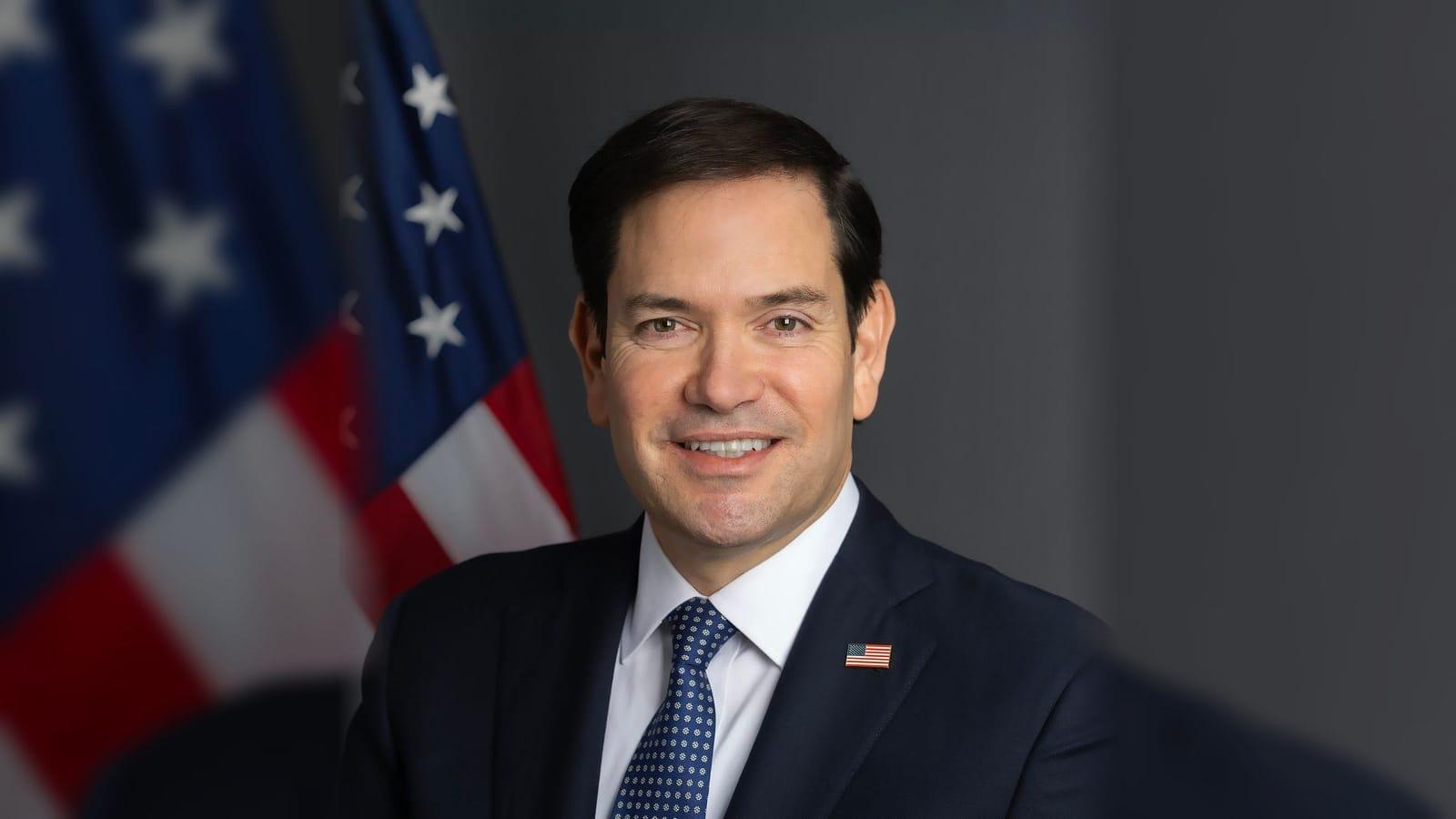
File photo
Next story Security
Rubio says US is not close to a breakthrough with Iran before G7 trip
The Jerusalem Post's report carried a photograph of Rubio in Paris, taken on November 9, 2026, after a meeting with the French president on the sidelines of a meeting of G7 foreign ministers. The G7 is the group of seven major industrialised democracies, and its foreign ministers meet periodically to coordinate positions on international crises.
Why the clerics matter in Rubio's framing
Iran has been governed since its revolution as an Islamic Republic in which senior Shia clerics hold ultimate political authority. By attributing the Middle East's major problems to that clerical leadership, as The Jerusalem Post reported, Rubio directed his criticism at the system of rule in Tehran rather than at Iranians in general. That distinction sits alongside his description of economic pressure on what he called "that regime."
For readers in Israel and across the diaspora, the remarks matter because the United States is Israel's closest ally, and Washington's view of whether more force against Iran is needed shapes the security picture in the region. Neither report, however, records Rubio saying anything specific about Israel.
What the reports do not say
The reports do not include any response from Iran's government to Rubio's remarks. They do not say which specific economic measures Rubio was referring to, or offer figures for their effect on Iran. The Jerusalem Post's report as available to us does not give the context or venue of Rubio's comment about Iran's clerics, and neither report says whether Israel's government has reacted to the suggestion that further strikes are unnecessary.
Read next
All security →
File photo
Government
Rubio denies reports he will quit Trump administration ahead of 2028
Illustration
Security
Houthis claim two ballistic missiles fired at Saudi forces in Jazan
Illustration
Security
Oil tanker strikes docked cruise ship on the Mississippi in New Orleans

Illustration
Security
Iran's Revolutionary Guards say two tankers struck mines in Hormuz
Sources and further reading
Every link below was opened and checked when this page was written. Official statements are marked as such: they are the subject's own account, not an independent one.
- Reportingtoitimesofisrael.comThe Times of Israel
- Reportingjpostjpost.comThe Jerusalem Post
How we checked this
Rubio's remarks on further strikes, economic pressure and the war's cost to Americans come from The Times of Israel's report of his Federalist Society speech. His comment blaming Iran's clerics is attributed to The Jerusalem Post alone, whose report as available to us does not state where it was made.
Our sourcing and corrections policy →The week from Israel, in one email
The stories that mattered, sourced and checked by the Israel.com newsroom. Free, weekly, one-click unsubscribe.
One list, unsubscribe in a click. See our privacy policy.
Latest

Illustration

Illustration

Illustration
File photo

Illustration

Illustration