Russian corvette Merkury hit by unmanned boats in Libya's Benghazi port
Explosive drone boats struck the Russian warship Merkury in eastern Libya, with Israeli outlets describing it as sunk, destroyed or heavily damaged.
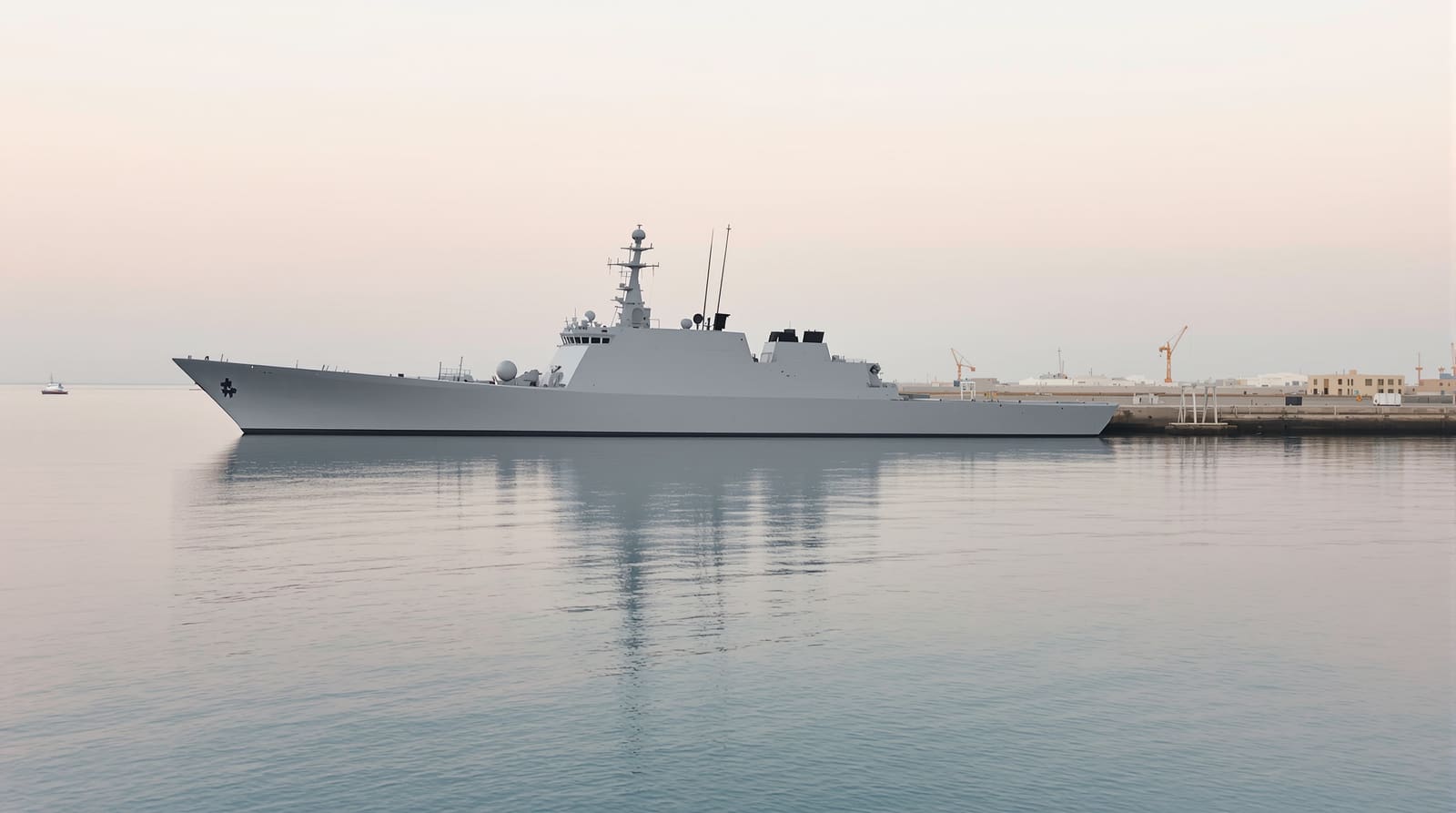
AI illustration, not a photo of the events.
A Russian Navy corvette named Merkury was struck by explosive unmanned boats in the port of Benghazi, in eastern Libya, according to several Israeli news outlets. Israel Hayom reported that Ukraine carried out the operation on Sunday, using more than one type of unmanned system against two Russian vessels far from Kyiv, and that the attack sank the warship.
The accounts differ on how badly the ship was hit. Ynet reported that the corvette suffered heavy damage and that 10 people were wounded, saying the boats had apparently been launched from a Ukrainian base. The Telegram channel Abu Ali Express described the vessel as destroyed in a very large blast, and said footage circulating online showed an explosion that was probably caused by ammunition on board detonating.
The ship and the weapon
A corvette is a small, fast warship, typically armed for coastal and regional operations. Abu Ali Express identified the Merkury as a missile corvette of the Steregushchiy class, a modern Russian design, and put its value at about 200 million dollars. Israel Hayom likewise called it a modern Russian warship.
The weapons reported in the attack were unmanned surface vessels: remotely operated boats packed with explosives that are steered into a target at sea. Abu Ali Express referred to the craft as a suicide boat. Ukraine has made wide use of this kind of weapon against Russian naval forces during the war, and the reports present the Benghazi attack as an extension of that campaign far beyond the Black Sea region.
A second vessel
The reports also describe an attack on a cargo ship, though they do not agree on where it happened or which ship it was. Abu Ali Express said a cargo ship flying the flag of Malta was also targeted, and that various sources identify it as part of Russia's so-called shadow fleet, used to carry weapons to Libya. "Shadow fleet" is a term commonly applied to merchant ships operating under foreign flags or opaque ownership on Moscow's behalf.
Israel's week in five stories, every Friday
Sourced and checked by the Israel.com newsroom, with Shabbat times. Free, one-click unsubscribe.
One list, unsubscribe in a click. See our privacy policy.
Israel Hayom said a cargo ship that Moscow used to deliver military equipment was struck as part of the same operation off Libya. Ynet, by contrast, reported a separate attack on a Russian cargo ship in the Baltic Sea, and did not tie it to the Benghazi strike. It is not clear from the material whether these reports concern one ship or two.
Why Libya
Benghazi is the main city of eastern Libya and a Mediterranean port. The presence of a Russian warship there, and the reported use of a cargo vessel to bring military equipment into the country, point to Russia's military footprint in Libya, which the reports treat as the reason the location was a target. Israel Hayom framed the strike as a development that could shift the regional balance of power in favour of Turkey's president, Recep Tayyip Erdogan, though the summary available to us does not set out that argument in detail.
Illustration
Next story Security
Russian warship Mercury damaged in Benghazi blast, 10 reported injured
The wider war that day
Ynet placed the Benghazi attack alongside other developments in the Russia-Ukraine war. It reported that Moscow launched hundreds of drones at the Kyiv area, killing at least 6 people, and that 3 Russian cruise missiles entered Polish airspace, prompting NATO to schedule a special discussion. Ynet also cited a Wall Street Journal investigation containing testimony of systematic sexual abuse of Ukrainian prisoners of war held in Russian prisons. These items appeared in the same Ynet report but are separate events from the strike in Libya.
How the reports compare
All three outlets agree that the Merkury was hit at or near Benghazi by explosive unmanned boats. Israel Hayom states directly that Ukraine was responsible; Ynet is more cautious, saying the boats were apparently launched from a Ukrainian base. The outcome is described three ways: sunk (Israel Hayom), destroyed (Abu Ali Express) and heavily damaged (Ynet). Only Ynet gives a casualty figure, and only Abu Ali Express gives the ship's class and value.
What the reports do not say
None of the reports cites a statement from the Russian Ministry of Defence, the Ukrainian government or Libyan authorities, so responsibility and the final condition of the ship rest on media accounts. The material does not say who the 10 wounded were or whether there were any deaths aboard the corvette. The identity, location and condition of the cargo ship remain unclear, and the reports do not reconcile Ynet's Baltic Sea account with the others' description of a strike off Libya. The source of the 200 million dollar valuation is not given.
Read next
All trade →
Illustration
Security
Naval drones hit Russian warship in Benghazi, 10 wounded, reports say

Illustration
Trade
Iran's parliament speaker warns dams and ports near US and Israeli bases

Illustration
Security
Ex-Mossad chief says agency helped foil Vienna Swift plot, urges Iran war

Illustration
Government
Bereaved families confront MKs at Knesset over Arab-backed government
See Israel.com first in Google's top stories.Add it as a preferred source on Google
Sources and further reading
Every link below was opened and checked when this page was written. Official statements are marked as such: they are the subject's own account, not an independent one.
- Reportingyediothynet.co.ilYnet
- Reportingabualiexpresst.meAbu Ali Express
- Reportingabualiexpresst.meAbu Ali Express
- Reportingisraelhayomisraelhayom.comIsrael Hayom
How we checked this
The strike on the Merkury was reported by Ynet, Israel Hayom and the Telegram channel Abu Ali Express; the casualty figure comes only from Ynet and the ship's value and class only from Abu Ali Express. We have not independently verified any of these details, and no official statement is cited in the material.
Our sourcing and corrections policy →The week from Israel, in one email
The stories that mattered, sourced and checked by the Israel.com newsroom. Free, weekly, one-click unsubscribe.
One list, unsubscribe in a click. See our privacy policy.

Israel.com is free, and readers like you keep it that way.
The Israel.com newsroom checks every story against its sources and publishes it free. If this one helped, a contribution of any size keeps the next one free too.
One payment, nothing to sign up for. Another amountGive monthly
Latest

Illustration

Illustration

File photo

Illustration
File photo

Illustration