Iran's parliament speaker warns dams and ports near US and Israeli bases
Mohammad Bagher Ghalibaf said Tehran would treat sites near American or Israeli bases as dual-use targets, after a report that Iran uses dams for its missile program.
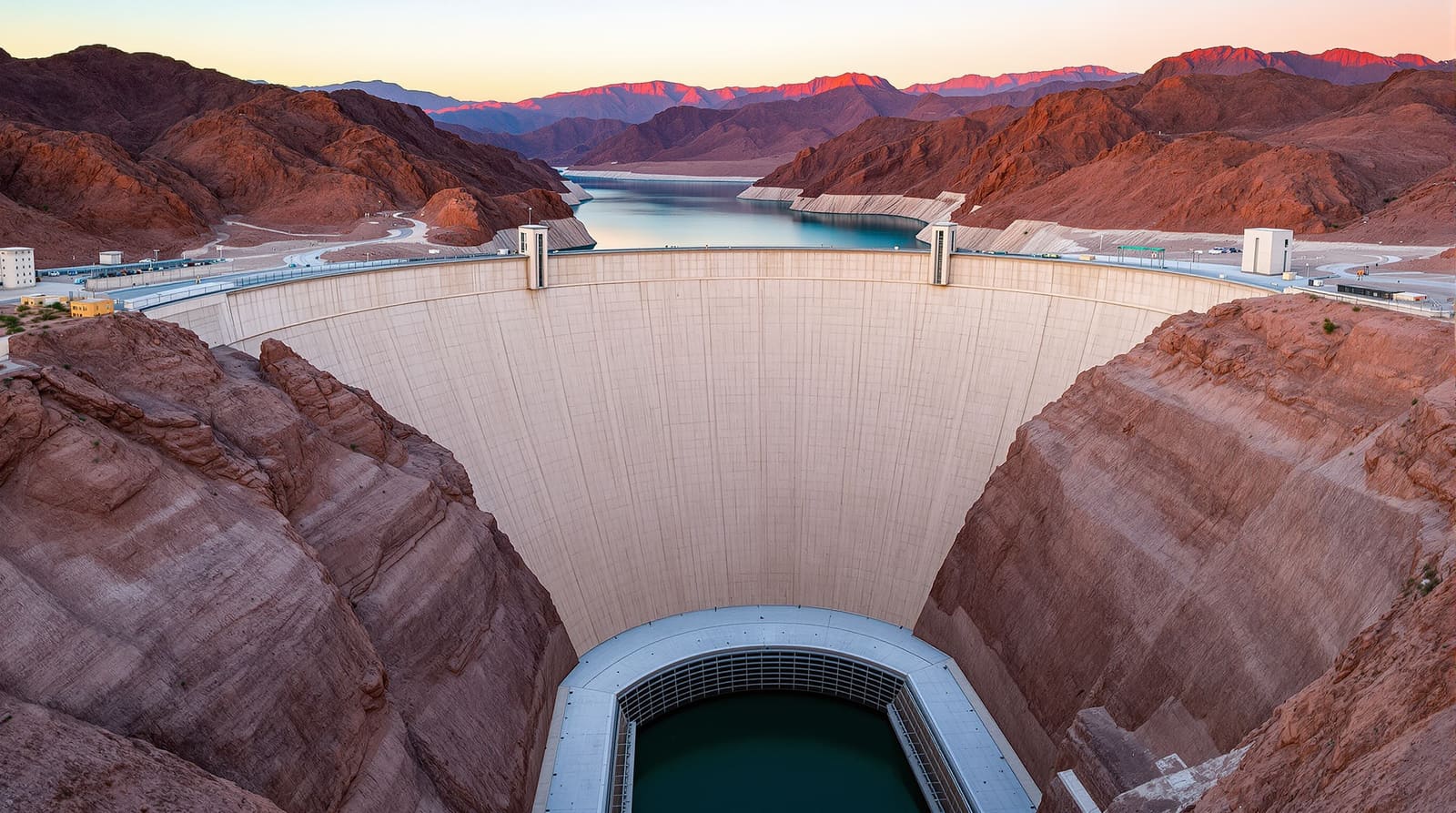
AI illustration, not a photo of the events.
The speaker of Iran's parliament, Mohammad Bagher Ghalibaf, has accused the United States of laying the groundwork for strikes on Iranian dams and warned that Tehran would answer in kind, according to the Israeli news channel News.co.il. His remarks followed a published report that Iran has been using dams in connection with its ballistic missile array.
Ghalibaf said that any dam, port or power station located close to American or Israeli bases would be regarded by Tehran as a "dual-use" target, News.co.il reported, adding that Iran would apply "the same logic" with no change. The Jerusalem Post described the statement as a warning to Washington and Jerusalem against going after dams, and placed it within what it called a controversy over missile bases.
Who is speaking
Ghalibaf presides over Iran's parliament, the legislative chamber of the Islamic Republic, often referred to by its Persian name, the Majlis. The speaker is one of the most senior political figures in the country, and statements from that office are generally read abroad as a signal of how the Iranian leadership is framing a dispute, though the speaker does not command the armed forces. Neither report says where or in what format Ghalibaf made the remarks, whether in a parliamentary session, an interview or a post online.
The argument over dams
The trigger for the exchange, as both outlets present it, is a report that Iran makes use of dams for its ballistic missile infrastructure. Neither News.co.il nor The Jerusalem Post, in the material available, identifies who published that report, what evidence it relied on, or which dams it named. The Jerusalem Post's framing refers to missile bases, suggesting the claim concerns military facilities built at or near dam sites, but the details are not set out in the reports.
Ghalibaf's response did not, in the reported remarks, deny the claim. Instead he turned it around: if Washington treats Iranian dams as legitimate targets because of a military connection, Iran would consider civilian infrastructure near American and Israeli bases on the same footing.
Israel's week in five stories, every Friday
Sourced and checked by the Israel.com newsroom, with Shabbat times. Free, one-click unsubscribe.
One list, unsubscribe in a click. See our privacy policy.
What "dual-use" means
In the language of armed conflict, a dual-use site is one that serves both civilian and military purposes, such as a port that handles commercial shipping and also supplies a military force, or a power station feeding both homes and a base. The label matters because under the laws of war, objects that make an effective contribution to military action can lose the protection given to purely civilian infrastructure. Dams and power plants occupy a sensitive place in that body of law, because attacking them can cause severe harm to civilians.
By adopting the term, Ghalibaf was signalling that Iran would use the same legal and political reasoning it attributes to the United States. His list, dams, ports and power stations, covers the kinds of civilian facilities that typically sit near military installations.

File photo
The wider backdrop
The statement comes amid open military tension between Iran and the United States. The Jerusalem Post illustrated its report with an image from a social media video showing a military aircraft preparing to take off on September 1, 2026, the day on which US Central Command (CENTCOM), the American military headquarters responsible for the Middle East, said US forces had struck an Iranian military target. The reports do not connect that strike directly to the dams claim.
Israel has long regarded Iran's ballistic missile program as a central security threat, and Iranian officials have repeatedly warned that attacks on Iranian territory would draw retaliation against both Israel and American forces in the region. Ghalibaf's remarks fit that pattern of pairing the two countries as targets.
What the reports do not say
- Who published the original report about Iran using dams for its missile program, and what evidence it offered.
- Which specific dams, ports, power stations or bases Ghalibaf had in mind.
- Whether the United States or Israel has responded to the statement; no reaction from either government has been reported.
- Where and when exactly Ghalibaf delivered the remarks.

xiquinhosilva / CC BY 2.0 · Wikimedia Commons
Read next
All trade →
Illustration
Security
Israel weighs acting alone on Iran while fearing a surprise US strike

File photo
Security
Trump may hold off on Iran strikes and leave Hormuz talks to Gulf, reports say

Illustration
Courts & Crime
Beit Hanina man, 19, indicted over alleged attack plan near Temple Mount

File photo
Government
Eisenkot works three coalition channels as talks with Likud are set to open
Sources and further reading
Every link below was opened and checked when this page was written. Official statements are marked as such: they are the subject's own account, not an independent one.
- Reportingnewssilt.meNews.co.il
- Reportingjpostjpost.comThe Jerusalem Post
How we checked this
The statement was reported by News.co.il and The Jerusalem Post; the wording of Ghalibaf's threat comes from News.co.il's account. The underlying claim that Iran uses dams for missiles has not been sourced or verified in either report.
Our sourcing and corrections policy →The week from Israel, in one email
The stories that mattered, sourced and checked by the Israel.com newsroom. Free, weekly, one-click unsubscribe.
One list, unsubscribe in a click. See our privacy policy.

Israel.com is free, and readers like you keep it that way.
The Israel.com newsroom checks every story against its sources and publishes it free. If this one helped, a contribution of any size keeps the next one free too.
One payment, nothing to sign up for. Another amountGive monthly
Latest
Illustration

Illustration
Illustration

Illustration
Illustration

Illustration