Eisenkot says change bloc will move fast on emergency government and Knesset
After a meeting of opposition party leaders, Gadi Eisenkot set out two aims: a national emergency government and a new Knesset speaker, aimed at averting further elections.
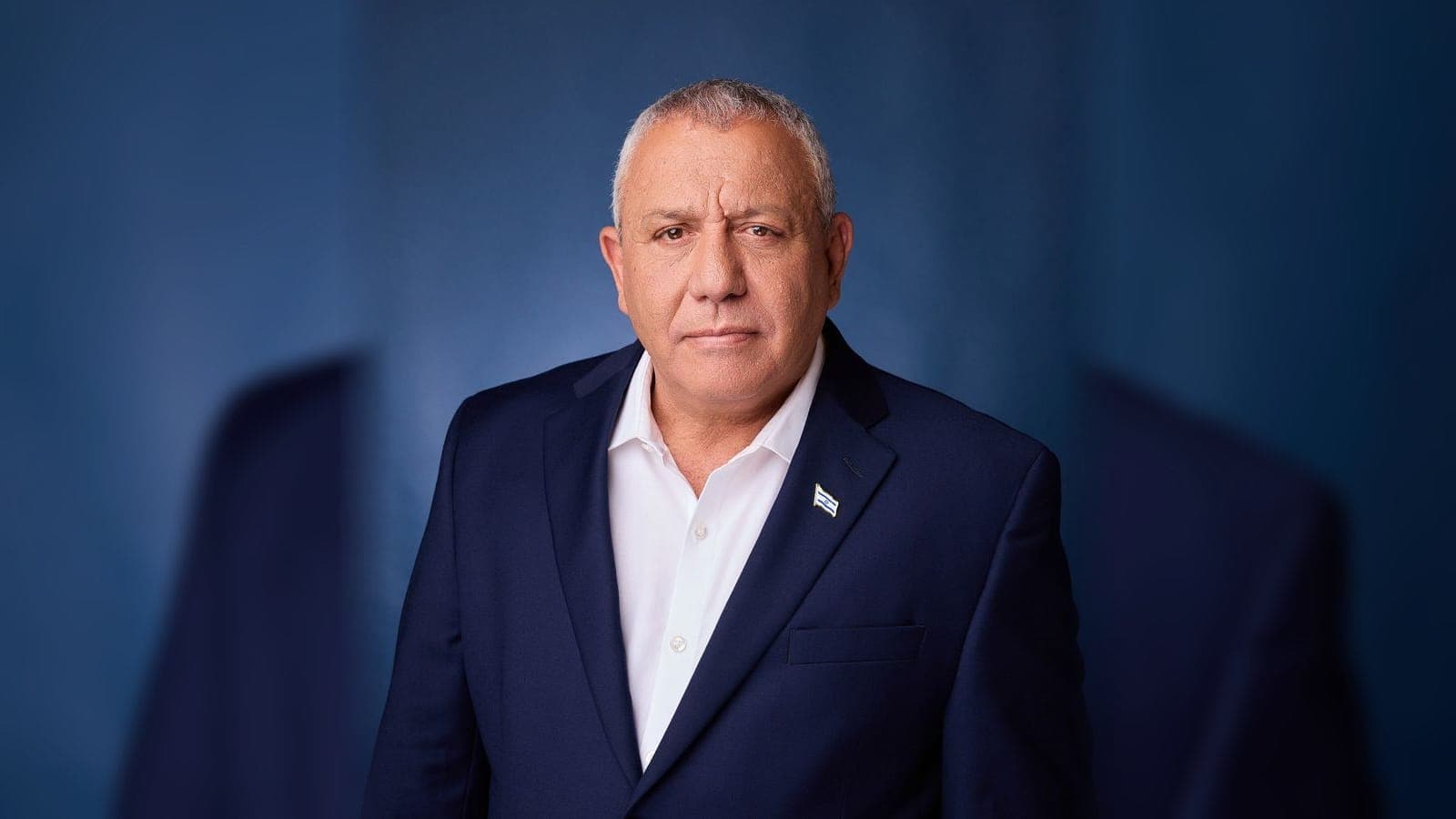
Gadi Eisenkot. File photo by יהב טרודלר (Yahav Trudler - Yahav Studio), CC BY-SA 3.0, via Wikimedia Commons.
Gadi Eisenkot, chairman of the Yashar! party, said on Tuesday evening that the parties of what Israeli politics calls the "change bloc" would act quickly to form a national emergency government and to push a series of measures through the Knesset, Israel's parliament. He spoke after a meeting of the bloc's party leaders, according to Ynet's news alerts channel, which carried his promise that "we will act quickly".
Ynet reported that Eisenkot framed the bloc's purpose as stopping Israel from being dragged into another round of elections and preventing Prime Minister Benjamin Netanyahu from entrenching himself in power. He described Netanyahu as a transitional prime minister backed by only 46 members of the Knesset, Ynet said. News.co.il reported that Eisenkot said Netanyahu had lost his Knesset majority and that the opposition was determined to complete a change of government.
The two stated goals
In a statement reported by N12 correspondent Dvir Jabra, Eisenkot said the bloc had "two goals". The first is establishing a national emergency government. The second is a package of parliamentary steps: electing a new Knesset speaker, passing what he called important legislation, and repealing laws that, in his words, endanger democracy.
Ynet's summary listed the same three targets: an emergency government, a new Knesset chair and the cancellation of laws the bloc regards as a threat to democracy. None of the reports named the specific laws Eisenkot has in mind, or the legislation the bloc intends to advance.
Political commentator Amit Segal quoted Eisenkot as saying the bloc would act as quickly as possible to prevent further elections and Netanyahu's continued hold on power. The wording differs slightly between outlets, but the reports agree on the substance of what he said.
Get an email the day Israel has a new government.
Coalition talks can take weeks. When a government is sworn in, Israel.com's newsroom emails who leads it, which parties are in and who got which ministry, then the Friday email each week. Free, and one click unsubscribes.
One list, unsubscribe in a click. See our privacy policy.
Who Eisenkot is and what the change bloc means
Eisenkot is a former chief of staff of the Israel Defense Forces who entered politics after leaving the military. Ynet identified him as the chairman of Yashar!, the party he now leads.
The "change bloc" (in Hebrew, gush hashinui) is the shorthand used in Israeli media for the parties opposed to a Netanyahu-led government. The term signals a shared aim of replacing the current leadership rather than a single party or formal alliance. The reports do not list which party leaders took part in Tuesday's meeting.
Why the Knesset speaker matters
The speaker of the Knesset presides over the chamber and has considerable influence over its agenda, including which bills come to a vote and when. A bloc that controls the speakership is better placed to schedule legislation and procedural votes. That explains why replacing the speaker appears alongside the emergency government as a near-term objective in Eisenkot's statement.
What a transitional government is
In Israel, a government that has lost its standing, or that is serving between an election and the swearing-in of a new coalition, continues to run the country in a caretaker capacity until a replacement is approved by the Knesset. Eisenkot's description of Netanyahu as a transitional prime minister, and his figure of 46 supporting lawmakers, are his own characterisation as reported by Ynet. The reports do not include any response from Netanyahu or his party to that claim.
A new government in Israel requires the confidence of a majority in the Knesset. Eisenkot's argument, as relayed by News.co.il, is that Netanyahu no longer commands such a majority and that the opposition parties intend to assemble an alternative.
The term "emergency government"
A national emergency government is a label Israeli politicians have used for broad coalitions formed around an urgent shared purpose, often bringing together parties that would not otherwise sit together. Eisenkot did not, in any of the reports, say which parties he expects to join, who would lead such a government, or what its programme would be beyond the parliamentary steps he listed.
What the reports do not say
- Which party leaders attended the meeting, and whether all of them endorsed Eisenkot's statement.
- Who the bloc would put forward as prime minister or as Knesset speaker.
- Which laws the bloc wants to repeal and what legislation it plans to pass.
- Whether the bloc has the votes in the Knesset to carry out these steps, and on what timetable.
- Any response from Netanyahu or his allies to Eisenkot's statement or to the figure of 46 lawmakers.
Read next
All elections →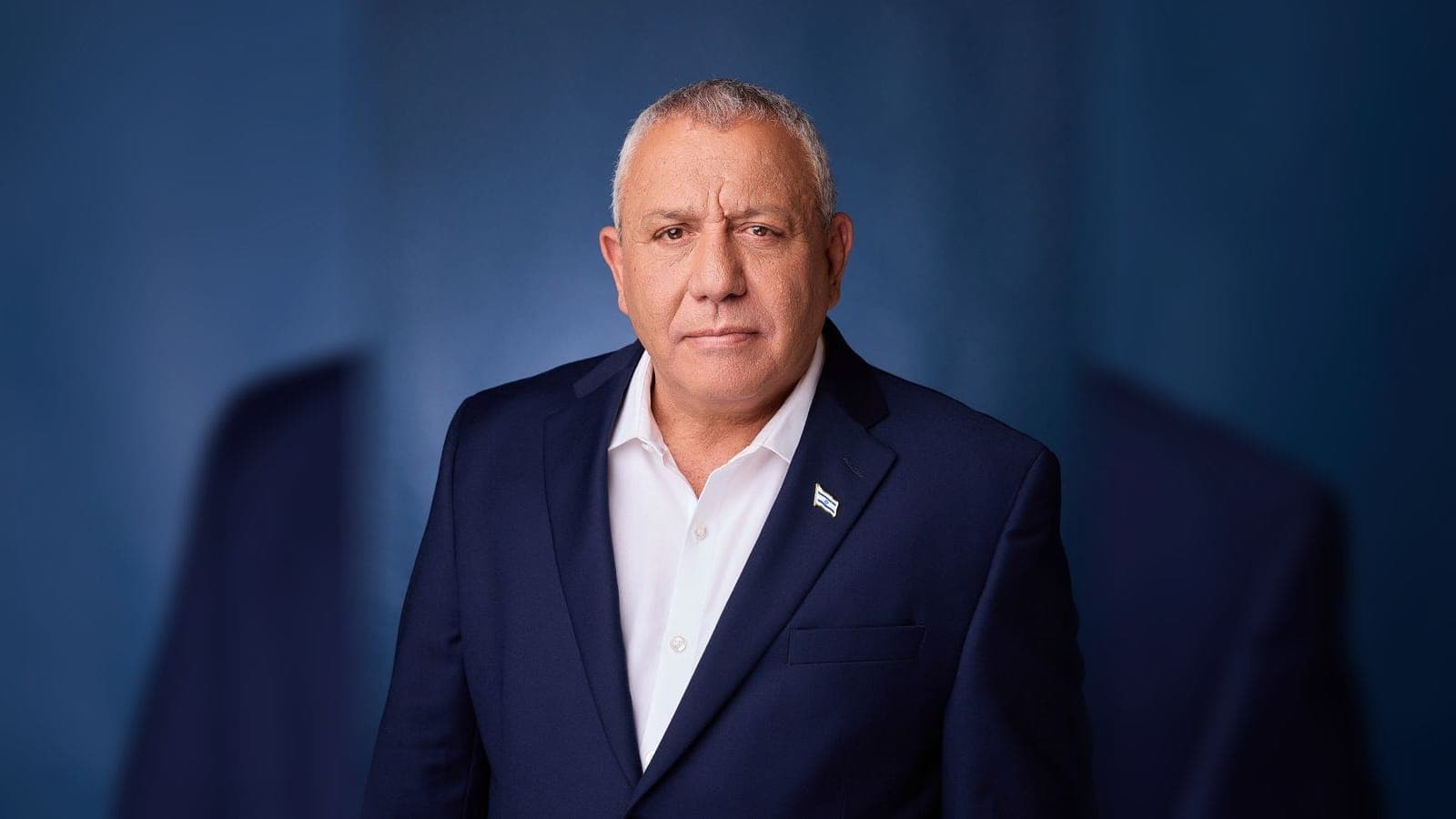
File photo
Security
Shin Bet Unit 730 to guard Gadi Eisenkot after 'traitor' shouts at his home
File photo
Elections
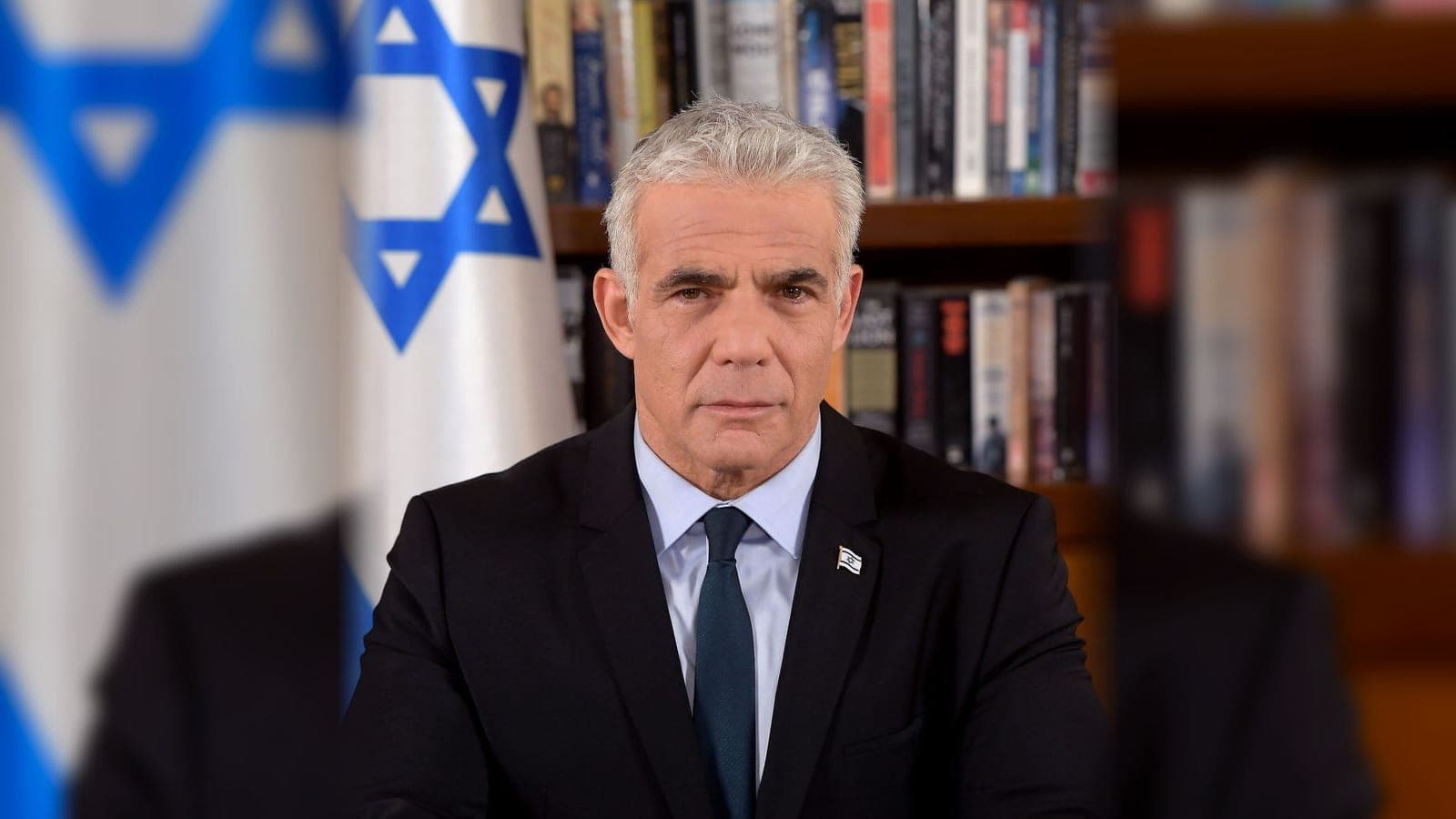
Lapid and Eisenkot meet after Knesset election to coordinate next steps
File photo
Courts & Crime
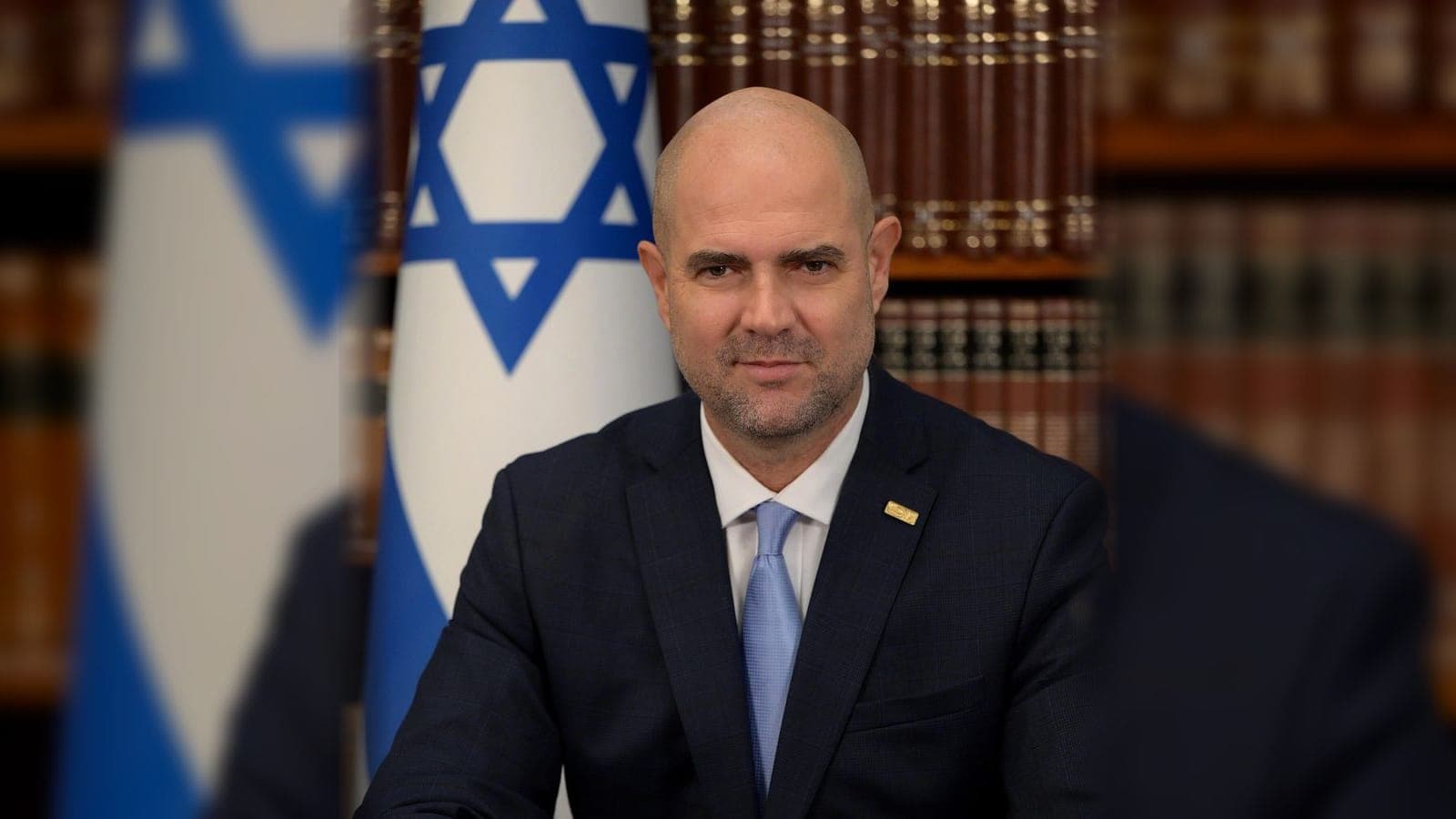
High Court fines Knesset Speaker Ohana 10,000 shekels but won't order comptroller vote
File photo
Government
Avigdor Liberman says he has no desire to become Knesset speaker
Sources and further reading
Every link below was opened and checked when this page was written. Official statements are marked as such: they are the subject's own account, not an independent one.
- Reportingyediothynet.co.ilYnet
- Reportingyediotht.meYnet alerts
- Reportingamitsegalt.meAmit Segal
- Reportingnewssilt.meNews.co.il
- Reportingkeshett.meN12
How we checked this
Eisenkot's statement was reported by Ynet, N12, News.co.il and commentator Amit Segal, who agree on its substance. The figure of 46 lawmakers backing Netanyahu is Eisenkot's claim as reported by Ynet alone and has not been independently verified.
Our sourcing and corrections policy →The week from Israel, in one email
The stories that mattered, sourced and checked by the Israel.com newsroom. Free, weekly, one-click unsubscribe.
One list, unsubscribe in a click. See our privacy policy.

Israel.com is free, and readers like you keep it that way.
The Israel.com newsroom checks every story against its sources and publishes it free. If this one helped, a contribution of any size keeps the next one free too.
One payment, nothing to sign up for. Another amountGive monthly
Latest
- Bomb threat halts Israeli-run cruise ship Crown Iris at Greek port of Syros
- Shas formally recommends Netanyahu after pledge on yeshiva students' status
- Attorney general rejects Likud claim she is stalling election tampering probe
- Yair Golan says Netanyahu is to blame as Trump moves to halt US security aid
- Likud says opposition talks with Arab parties are a 'knife in the back'
- Trump says $4 billion a year in US military aid to Israel ends in 2026