Up to 50 energy tankers hit by cyberattacks as US weighs Iran's role
US officials name Iran the primary suspect in cyberattacks and bomb threats against tankers, though a Trump administration official says no evidence links Tehran.
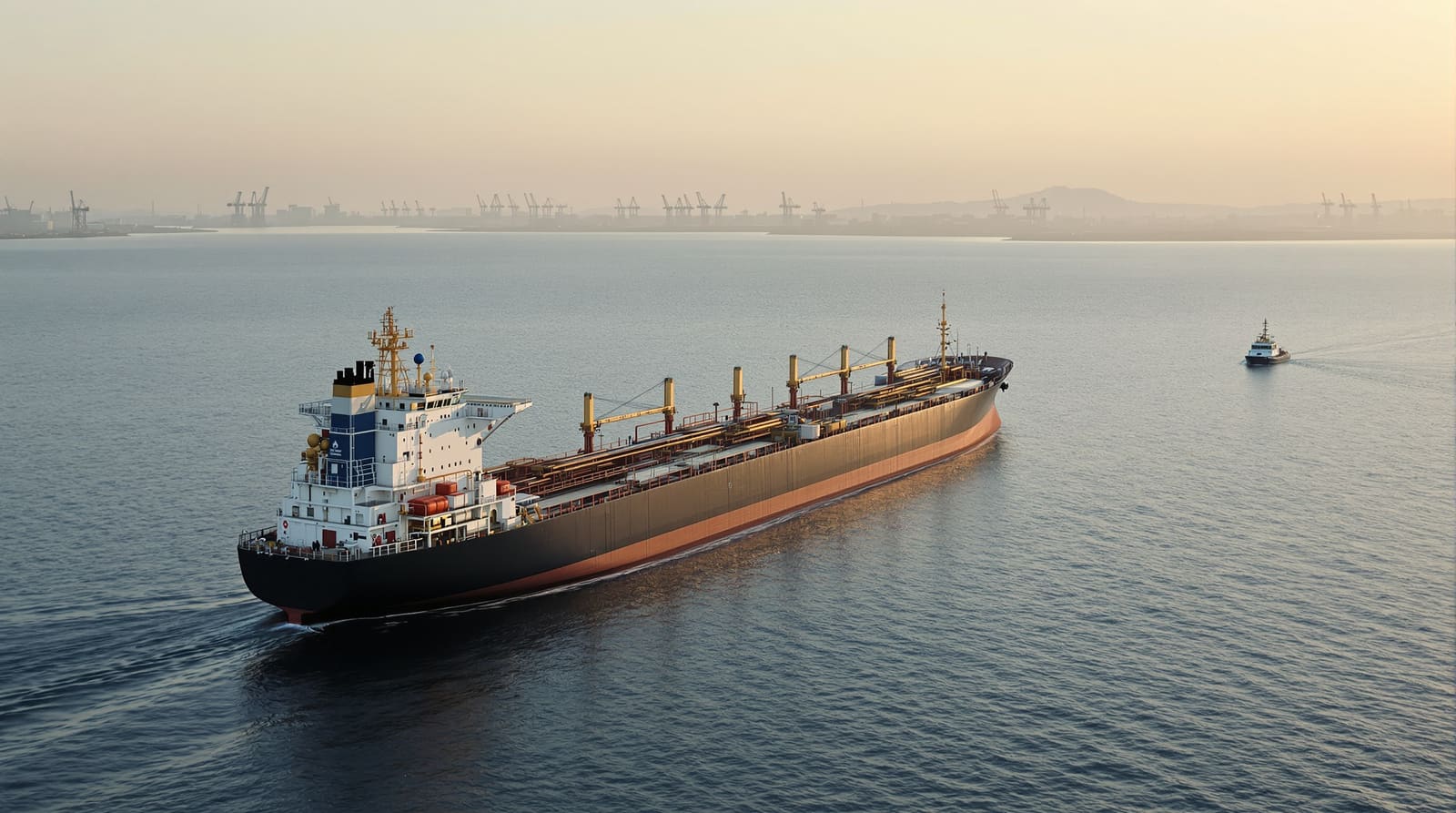
AI illustration, not a photo of the events.
As many as 50 energy tankers have been targeted by cyberattacks, and some of the vessels also received bomb threats, according to American officials cited in a report by Israel Hayom drawing on The Wall Street Journal. US officials regard Iran as the primary suspect, the report said, amid growing concern that Tehran is widening the war. The same report also carried a contrary view: a Trump administration official said the United States has found no evidence that Iran was involved.
The Wall Street Journal also reported that the US Coast Guard has dispatched cyber teams to ships approaching American ports. The Hebrew-language outlet News.co.il, citing the same newspaper, described the American effort as an examination of dozens of bomb and sabotage alerts concerning tankers around the world, with investigators trying to establish whether Iran is behind them through cyber operations.
What US officials are said to fear
According to News.co.il's account of the Journal's reporting, the spread of the attacks, and the threatening messages that came with some of them, have raised several concerns. One is that Iran may be trying to sow panic among shipping companies. Another is that the aim could be to disrupt sea lanes that are essential to trade. The most serious scenario described is an attempt to trigger an explosion at a major port far from the Middle East, including at ports in the United States.
None of the reports say that any such explosion has occurred, or that any tanker has been physically damaged. The incidents described are cyberattacks and threats, and the reports frame the explosion scenario as a fear held by officials rather than as an event.
Suspicion, not a finding
The two reports differ in emphasis, and the material itself contains a direct disagreement. Israel Hayom's summary states that US officials consider Iran the main suspect. The same summary quotes a Trump administration official as saying no evidence of Iranian involvement has been found. News.co.il presents the matter as an open question, saying the US is checking whether Iran is responsible.
Israel's week in five stories, every Friday
Sourced and checked by the Israel.com newsroom, with Shabbat times. Free, one-click unsubscribe.
One list, unsubscribe in a click. See our privacy policy.
Read together, the reports describe an investigation in progress. Attribution of cyber operations to a particular state is often slow and contested, and the accounts here do not indicate that Washington has reached a formal conclusion. Readers should treat Iran's role as suspected by some officials and disputed by at least one, not as established.
Why tankers and ports matter
Energy tankers carry crude oil, fuel and gas between producing regions and consuming markets, and disruption to their movement can ripple through shipping and energy prices. A tanker carrying fuel is also a potentially hazardous cargo in port, which helps explain why bomb threats against such vessels draw attention from port security authorities.

Illustration
Next story Technology
Amazon confirms deal for Israeli AI company Decart, reported at $7.5bn
The US Coast Guard is the American service responsible for maritime safety and security in US waters and ports. Sending cyber teams aboard ships before they reach port suggests the concern extends beyond data theft or disruption at sea to the possibility that compromised vessel systems could pose a danger on arrival. The reports do not describe what the teams have found.
The wider conflict
Israel Hayom's report frames the episode against concern that Tehran is widening the war. The reports do not spell out which theatre of conflict is meant or how the tanker incidents would connect to it operationally. For readers following Israel and the region, the significance is the suggestion, if the suspicion holds, that pressure linked to Iran could reach shipping and ports far from the Middle East rather than staying within it.
What the reports do not say
- Which tankers were affected, which companies own or operate them, and where they were when the cyberattacks occurred.
- What the cyberattacks did to the ships' systems, and whether any vessel lost navigation or control.
- What evidence, if any, underpins the US officials' view that Iran is the primary suspect, given that another administration official says none has been found.
- Whether Iran has responded to the suspicion; no Iranian reaction is reported.
- What the Coast Guard cyber teams have found aboard the ships they have inspected.
Read next
All technology →
File photo
Technology
Israeli firm Ramon Space raises $124 million to compute in orbit
Illustration
Technology
United Airlines fixes tech fault that delayed departures for about an hour
Illustration
Technology
Jordan blocks Telegram nationwide, citing extremism and national security

Illustration
Courts & Crime
Haifa man charged with killing his ex-wife while their son, 6, was present
See Israel.com first in Google's top stories.Add it as a preferred source on Google
Sources and further reading
Every link below was opened and checked when this page was written. Official statements are marked as such: they are the subject's own account, not an independent one.
- Reportingisraelhayomisraelhayom.comIsrael Hayom
- Reportingnewssilt.meNews.co.il
How we checked this
Both reports, from Israel Hayom and News.co.il, rely on The Wall Street Journal; we have not seen the original article or verified the figures independently. The suspicion against Iran is attributed to US officials and is contradicted by a Trump administration official in the same reporting.
Our sourcing and corrections policy →The week from Israel, in one email
The stories that mattered, sourced and checked by the Israel.com newsroom. Free, weekly, one-click unsubscribe.
One list, unsubscribe in a click. See our privacy policy.

Israel.com is free, and readers like you keep it that way.
The Israel.com newsroom checks every story against its sources and publishes it free. If this one helped, a contribution of any size keeps the next one free too.
One payment, nothing to sign up for. Another amountGive monthly
Latest

Illustration
File photo
Illustration

Illustration

Illustration

Illustration