US deployed two more Patriot batteries to guard Saudi and Qatari energy sites
Axios reports Washington sent the air defence units last month to reassure Riyadh and Doha in case fighting with Iran resumes, a move tied to access to Saudi airspace.
Illustration
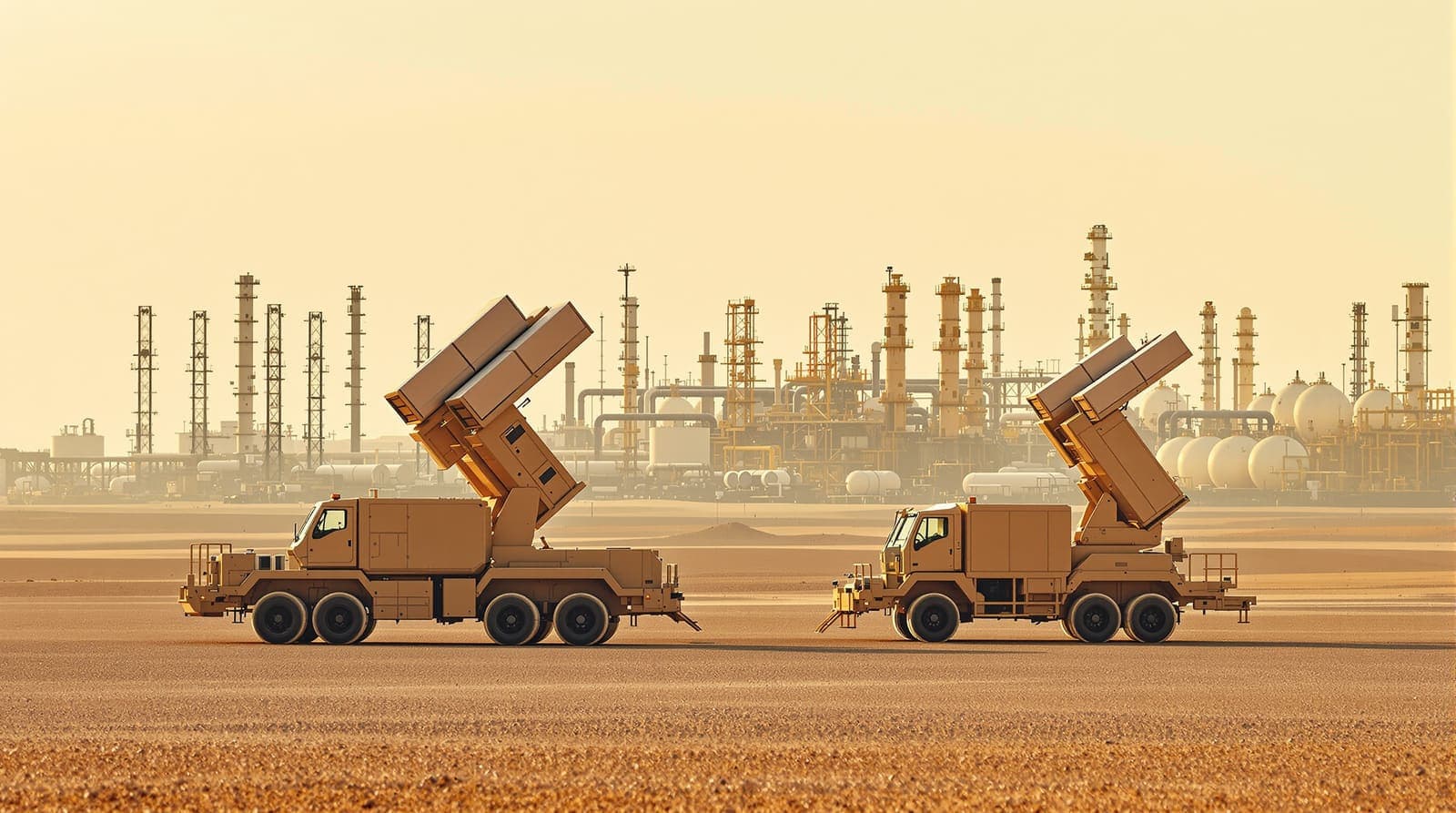
The United States sent two additional Patriot air defence batteries to Saudi Arabia and Qatar last month to protect oil and gas installations in both countries, according to a report by the American news site Axios. The story was first published by Axios correspondent Barak Ravid, who wrote that the deployment was meant to reassure both allies that Washington would defend their key energy facilities should President Trump decide to resume fighting against Iran.
The Times of Israel, citing Axios, reported that the information came from two US officials and one regional source, and that a spokesman for US Central Command declined to comment. Israeli outlets Ynet and The Jerusalem Post also carried the report, both attributing it to Axios.
What the sources posted

Scoop: U.S. sent last month two more Patriot systems to protect Saudi, Qatari energy sites. The U.S. wanted to reassure both allies it would protect their key oil & gas facilities in case Trump decides to resume fighting against Iran. My story on @axios axios.com/2026/10/02/pat…
On the ground

Qatar has joined regional nations, OIC and Turkiye in condemning an attack by Yemen’s Houthis targeting civilian infrastructure and a power distribution station serving the Prophet Muhammad’s Mosque in the Saudi holy city of Medina. 🔴 LIVE updates: aje.news/ze4ver

What a Patriot battery is
The Patriot is a mobile, US-made surface-to-air missile defence system, designed to intercept incoming aircraft and missiles. A battery is the deployable unit that operates it, built around launchers that can be moved by road. The reports describe the two new batteries as additional, meaning they join Patriot units already present in the region, though none of the reports says how many were there before or where exactly the new ones were placed.
Ravid's post refers to Patriot "systems" while The Times of Israel and Ynet use the word batteries. Ynet's alert describes the purpose as protecting infrastructure in the two countries; the other reports specify oil and gas facilities.
Why Saudi and Qatari energy sites matter
Saudi Arabia and Qatar are two of the Gulf's largest energy producers, and their oil and gas facilities sit within range of Iran across the Gulf. That proximity is at the centre of the Axios account. According to the report as summarised by The Times of Israel, the United States would need to use Saudi airspace if it resumed significant operations against Iran, and Riyadh would likely refuse permission if it believed its energy facilities would be left open to Iranian retaliation.
Read that way, the deployment is presented in the reporting as connected to US military planning toward Iran as well as to the defence of Gulf partners: stronger air defences over energy sites could make the Saudi government less wary of allowing US aircraft through its airspace. That link is drawn by the Axios reporting and its sources; neither Washington nor Riyadh has publicly confirmed it.
Who reported it
Axios is a Washington-based news site, and Barak Ravid is its correspondent covering Israel and the Middle East. US Central Command, which the Times of Israel says declined to comment, is the American military headquarters responsible for operations across the Middle East, including the Gulf.
The phrase "resume fighting" in Ravid's post indicates that the reporting treats US combat against Iran as something that has taken place and paused. The reports in this set do not describe that earlier fighting or its current status, and this article does not attempt to fill that gap.
What the reports do not say
All four reports trace back to a single original story by Axios, based on anonymous officials. No government has confirmed the deployment on the record, and Central Command declined to comment. The other outlets repeated the Axios account rather than confirming it separately.
The reports do not say where in Saudi Arabia or Qatar the batteries were placed, which specific facilities they protect, how many US personnel accompany them, or how long they are expected to stay. They do not give the exact date of delivery beyond saying it happened last month.
Nor do they include any response from the Saudi or Qatari governments, any reaction from Iran, or any indication of whether President Trump has decided to resume military operations. The claim that Riyadh would likely deny airspace access is attributed to the Axios reporting and has not been stated publicly by Saudi officials.
Sources and further reading
Every link below was opened and checked when this page was written. Official statements are marked as such: they are the subject's own account, not an independent one.
- Reportingyediotht.meYnet alerts
- Reportingtoitimesofisrael.comThe Times of Israel
- Reportingjpostjpost.comThe Jerusalem Post
- Reportingaxiosx.comBarak Ravid, Axios
How we checked this
The deployment was reported by Axios and repeated by The Times of Israel, Ynet and The Jerusalem Post, all citing Axios; it rests on anonymous officials and has not been confirmed on the record by any government. We have not independently verified it.
Our sourcing and corrections policy →The week from Israel, in one email
The stories that mattered, sourced and checked by the Israel.com newsroom. Free, weekly, one-click unsubscribe.
One list, unsubscribe in a click. See our privacy policy.
More in Energy
All energy →

Latest
- IDF and Shin Bet say slain Hamas northern Gaza commander held Israeli hostages
- Trump points to Iran link in Flydubai attack as Netanyahu admits breach
- Israeli rescue flights from Dubai set for Friday, delayed by security coordination
- Balad leader Sami Abu Shehadeh drops Knesset bid after High Court hearing
- IDF names 170 Gazans described as journalists as Hamas and PIJ members
- IDF says Gaza City strike killed Hamas cell commander tied to Be'eri abductions