Saudi Arabia lobbies EU to list Yemen's Houthis as a terrorist group
Riyadh is pushing Brussels to add the Iran-backed Houthis to its terror list, but European officials fear the step could undermine a future Yemen peace process.
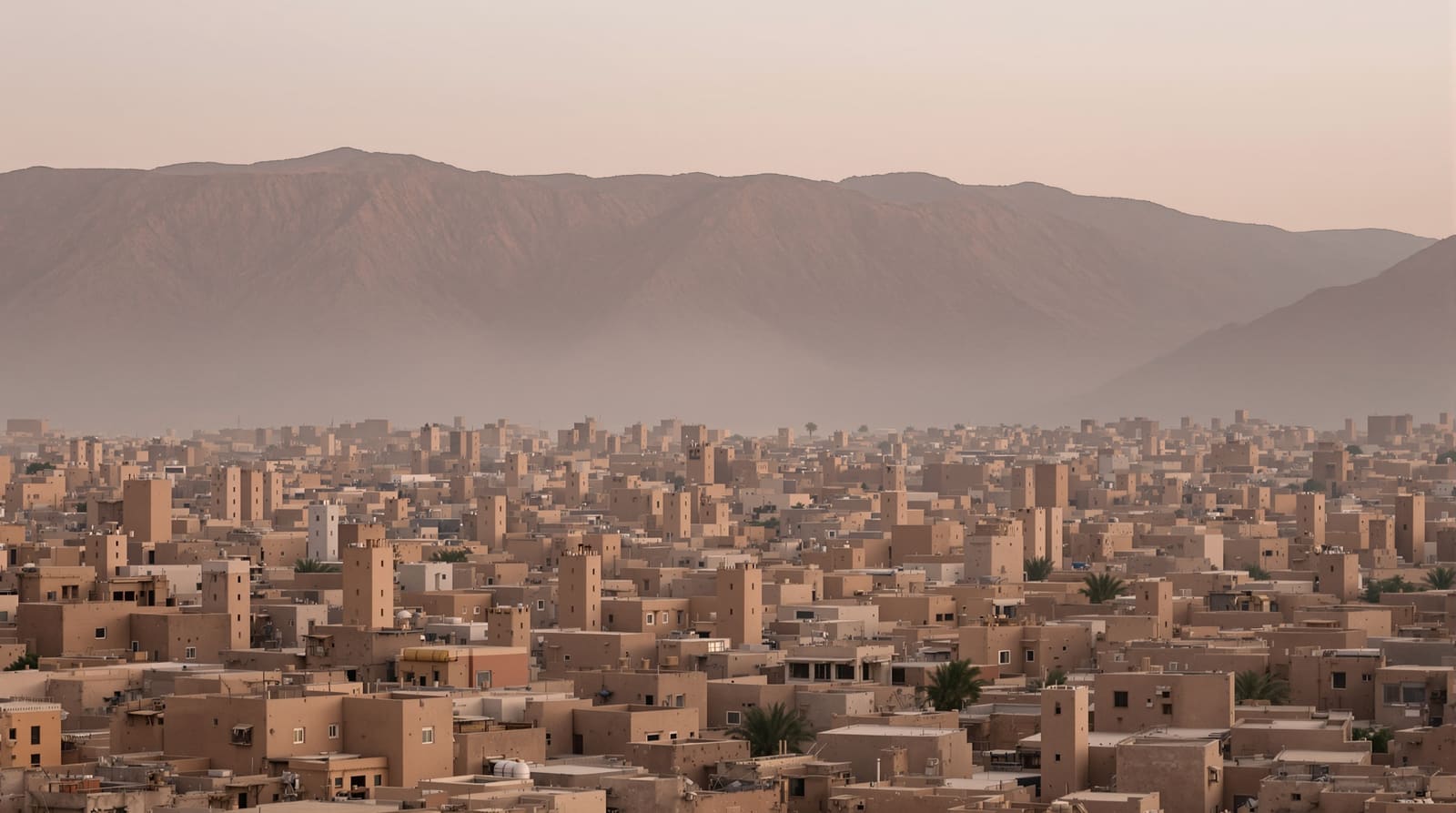
AI illustration, not a photo of the events.
Saudi Arabia is lobbying the European Union to formally classify Yemen's Houthi movement as a terrorist organization, but has not yet persuaded European governments to take the step, The Times of Israel reported, carrying a Reuters account based on the views of six European officials. According to that account, the main obstacle is a concern in Europe that such a listing could damage the prospects of a peace process in Yemen at some point in the future.
The Jerusalem Post also reported the Saudi pressure on the EU, highlighting the same European worry about the effect on peace efforts. Both reports were published on the evening of November 12, 2026.
On the ground

Saudi Arabia puts pressure on EU to label Yemen's Houthis a terrorist group reut.rs/4iDLn4b
Why Riyadh is pressing now
The Reuters report describes the lobbying as one part of a wider Saudi campaign to raise international pressure on the Houthis. It says the group has been attacking the kingdom almost every day in recent weeks, following a return to open fighting in a war that started more than a decade ago.
The Houthis are an armed movement in Yemen, the country on the southern edge of the Arabian Peninsula that borders Saudi Arabia. They are commonly described in reporting, including in the Reuters account, as rebels backed by Iran. Their stronghold is Sanaa, the Yemeni capital, where supporters and fighters have held public rallies. A photograph carried with the Times of Israel report shows a rally in Sanaa on July 17, 2026, held against the coalition led by Saudi Arabia. According to the caption, a banner at that rally stated in Arabic that every Saudi oil facility was a target for the group's missiles and drones. The Jerusalem Post illustrated its report with an image of a Houthi recruitment rally in Sanaa on October 7, 2026.
What the EU has already done
The European Union does not currently treat the Houthis as a terrorist organization, but the group is not free of European measures. According to the Reuters account, the Houthis are already under EU sanctions that include a ban on arms supplies and the freezing of assets belonging to 12 of the movement's commanders.
Israel's week in five stories, every Friday
Sourced and checked by the Israel.com newsroom, with Shabbat times. Free, one-click unsubscribe.
One list, unsubscribe in a click. See our privacy policy.
The bloc has, however, placed Iran's Islamic Revolutionary Guard Corps (IRGC) on its terrorist list. The IRGC is the elite branch of Iran's armed forces, and the Reuters report identifies it as a principal supporter of the Houthis. That creates a situation in which the EU has listed the backer but not the group it backs, a gap Saudi Arabia is now trying to close.
Where other Western governments stand
Other Western governments have gone further than Brussels. The Reuters report, as published by The Times of Israel, names the United States and Australia among countries that have already designated the Houthis as a terrorist organization.

Illustration
Next story Government
Houthis seek $51 billion and recognition from Saudi Arabia in truce talks
A terrorist listing generally carries more weight than targeted sanctions because it applies to an organization as a whole rather than to named individuals. The European hesitation described in both reports centres on that wider reach: officials are concerned that branding the movement as terrorist could make it harder to bring it into negotiations to end the war.
Why this matters beyond Yemen
For readers following Israel and the wider region, the story touches on the network of armed groups supported by Iran. The EU's earlier decision on the IRGC showed that the bloc is willing to list Iranian state bodies. Whether it extends that approach to the Houthis, a movement that is fighting a regional power on its border, is the question Saudi Arabia is now putting to European capitals.
The reports present the European position as unresolved rather than settled. They describe concerns that Riyadh has yet to overcome, not a formal rejection.
What the reports do not say
Neither report names the six European officials or the EU member states they represent, and neither gives a timetable for any EU decision. No response from the Houthis, from Iran or from the EU's institutions to the Saudi push has been reported. The reports also do not specify what form a future peace process might take or which talks European officials are seeking to protect.
Read next
All security →
Illustration
Security
Saudi Arabia reports two drones downed near Riyadh as Houthis claim Dammam strike

Illustration
Security
Houthis claim drone strike on Saudi pipeline's Pumping Station No. 7

Illustration
Security
Houthis blame Saudi jets for deadly Taiz market strike; toll ranges 20 to 30

Illustration
Security
Saudi Arabia says it destroyed 3 Houthi cruise missiles fired at Riyadh
Sources and further reading
Every link below was opened and checked when this page was written. Official statements are marked as such: they are the subject's own account, not an independent one.
- Reportingtoitimesofisrael.comThe Times of Israel
- Reportingjpostjpost.comThe Jerusalem Post
How we checked this
The Saudi lobbying effort was reported by both The Times of Israel, carrying a Reuters account, and The Jerusalem Post. Details on existing EU sanctions, the near-daily attacks and the six European officials come from the Reuters account alone.
Our sourcing and corrections policy →The week from Israel, in one email
The stories that mattered, sourced and checked by the Israel.com newsroom. Free, weekly, one-click unsubscribe.
One list, unsubscribe in a click. See our privacy policy.
Latest

Illustration

File photo
File photo

Illustration
File photo

File photo