
The Galilee · Best time to visit
The best time to visit the Galilee
The hill country takes about 603 mm of rain a year and 13 mm of that falls between June and September, which is why the Galilee has two visiting seasons rather than one long one.
The window most people want
March to May
Warm enough to walk all day, still wet enough that the streams and waterfalls run
Rain, June to September
13 mm
Summed from the monthly normals at 781 metres, 2015-2024. July alone is 1 mm
Tiberias in July and August
38 °C
Mean daily maximum on the lakeshore in the WMO normals, against 29.2 °C in the hills above it
Yom Kippur
about 28-30 hours
Airports, buses, shops and broadcasting all stop nationwide, once a year in September or October
The Galilee is the part of Israel where the season decides the itinerary rather than just the packing. The hill country takes roughly 603 mm of rain a year on the ten-year normals behind the chart below, and almost none of it falls in summer: the July figure is 1 mm across 0.3 rain days. That splits the year cleanly into a green half in which the streams run and the hills are worth walking, and a dry half in which the slopes brown off and the interest moves into the water, indoors, or uphill.
The numbers here are computed at 781 metres, roughly the height of the Upper Galilee plateau around Safed and Meron, and they are not the region's only climate. Tiberias sits on the Kinneret shore about 215 metres below sea level and runs, on the WMO normals in its climate table, to a mean daily maximum of 38.0 °C in July and August with a mean minimum of 25.0 °C. That is eight and a half degrees above the hill figure for the same weeks. Akko, out on the Mediterranean, is cooler than the lake and far more humid. Read the chart as the ridges and add most of ten degrees for the rift floor.
The other calendar is the Jewish one, and it is what visitors most often get wrong. Passover and Sukkot are each about a week in which Israeli schools close, families travel inside the country, national parks fill and Galilee guesthouse prices go up sharply. Yom Kippur stops the country outright, airport included. Lag BaOmer, a minor date almost everywhere else, is a Galilee event: hundreds of thousands of pilgrims converge on one hillside above Safed. None of that appears in a temperature chart and all of it decides whether a given week is a pleasure or a scramble.
The year
What the weather actually does in The Galilee
Monthly normals computed from daily reanalysis at this destination's own coordinates, 2015 to 2024. Not a forecast and not an impression.
Month by month
When to go to The Galilee
January
Hard going11.5°C by day, 5.3°C at night, 15.3 wet days
The wettest month in the hills, with 151 mm across 15.3 rain days, and night frost is normal at Safed's elevation. Snow shuts roads on the Golan plateau for a day or two at a time, the Mount Hermon site opens if the snow is good enough, and the Golan stream routes are running too hard to be a pleasure. What January does have is the Hula at its fullest, with the wintering cranes coming off the water at dawn, and the emptiest, cheapest weeks of the year. Come for the birds and the deserted sites rather than the walking.
February
Good13.2°C by day, 5.6°C at night, 11.5 wet days
Rain drops by a third from January and the hills are as green as they ever get. The Jesus Trail's operator starts its recommended walking season here, and the ground, the springs and the flowers all justify it. It is still genuinely cold up high: the Israel Meteorological Service's Safed station has logged minus 9.0 °C in February since its record began in 1939. Cranes are still in the Hula, which makes February the one month that gives both the birds and the walking.
March
Best15.5°C by day, 7.3°C at night, 12.4 wet days
Arguably the single best month here: warm enough to walk all day at 15.5 °C by day in the hills, wet enough that the Golan waterfalls are still full, and ahead of the school holidays. Purim falls in late February or March and is a noisy day rather than a closure. The thing to check is the Passover date, which in some years begins in the last days of March and turns the following week into the busiest of the spring. Rain is still likely on about twelve days, so bring for it.
April
Best20.5°C by day, 10.6°C at night, 7.3 wet days
The warm end of the green season and the month to aim at, with one large caveat. Passover fills the country: the intermediate days are a school holiday and collective leave for many employers, the national parks run at capacity, and Galilee guesthouse rates roughly double. In 2027 it takes 21 to 29 April, which is most of the month. Book far ahead or plan around it, because the wildflowers and the running water are worth the trouble either way.
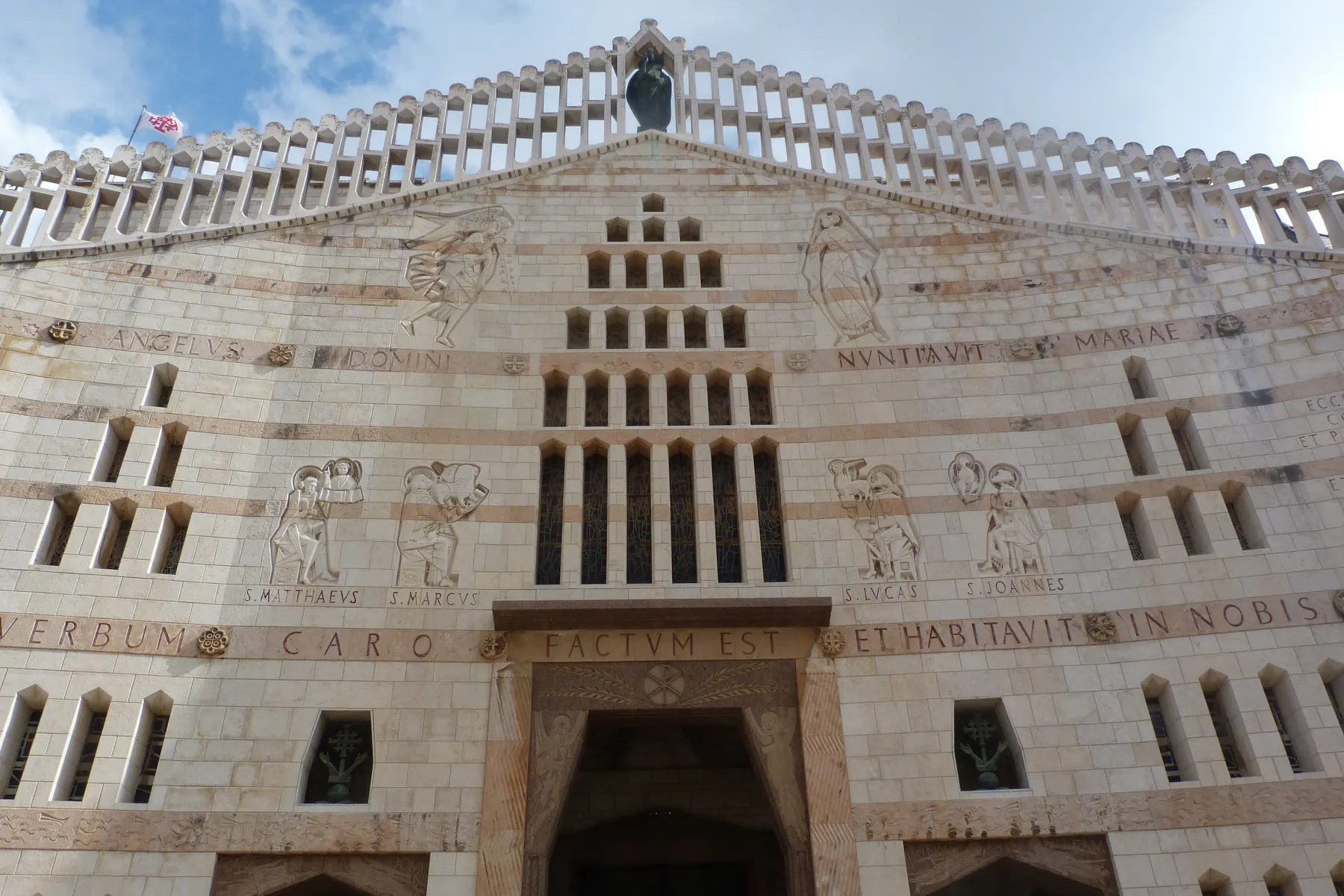
כובש המלפפונים / CC BY-SA 4.0 · Wikimedia Commons
May
Best24.6°C by day, 14.4°C at night, 5.1 wet days
The last comfortable walking month before the heat, and the last of the rain at 21 mm over about five days. Lag BaOmer brings pilgrims in their hundreds of thousands to the tomb at Meron for a night of bonfires; since the crush that killed 45 people there in 2021 the site has been ticketed in advance with four-hour slots and a mandated police presence, and the roads around Meron and Safed are effectively closed for a day either side. Shavuot falls in late May or June and shuts transport and shops for a day. Outside those two dates, May is superb.
June
Mixed26.9°C by day, 17°C at night, 1.8 wet days
Summer arrives properly, with 6 mm of rain in the whole month and nothing green left below the ridges. The Golan stream walks and their pools come into their own and the Kinneret is warm for anyone, but the Jesus Trail's operator flatly advises against walking the Lower Galilee from June onwards on dehydration grounds. Israeli schools break up in the second half of the month, so the lake hotels start filling from about the twentieth. Early June is a much better bet than late June.
July
Hard going29.2°C by day, 19.5°C at night, effectively no rain
The hardest month to enjoy on foot, and the page should not soften it. Rainfall is 1 mm; the hills at 781 metres reach 29.2 °C by day, which sounds tolerable until you note that Tiberias on the shore runs to 38.0 °C by day and 25.0 °C at night. Every Israeli school is on holiday, the Kinneret shore is full, and the unshaded sites, Akko's ramparts, Beit She'arim, Tzipori, are punishing between eleven and four. Walk at first light, spend the middle of the day in water or indoors, and accept that the region's best feature is out of reach.
August
Hard going29.5°C by day, 19.7°C at night, effectively no rain
July with the crowds fully settled in, and worse humidity on the coast at Akko. The hill normal peaks at 29.5 °C, the Safed station has logged 42.0 °C in August, and the rift floor is hotter again. The grape harvest is under way in the Golan and the pickers start before dawn for exactly the reason visitors should. If August is the only month available, base high, on the Meron slopes or at Amirim, rather than on the lake.
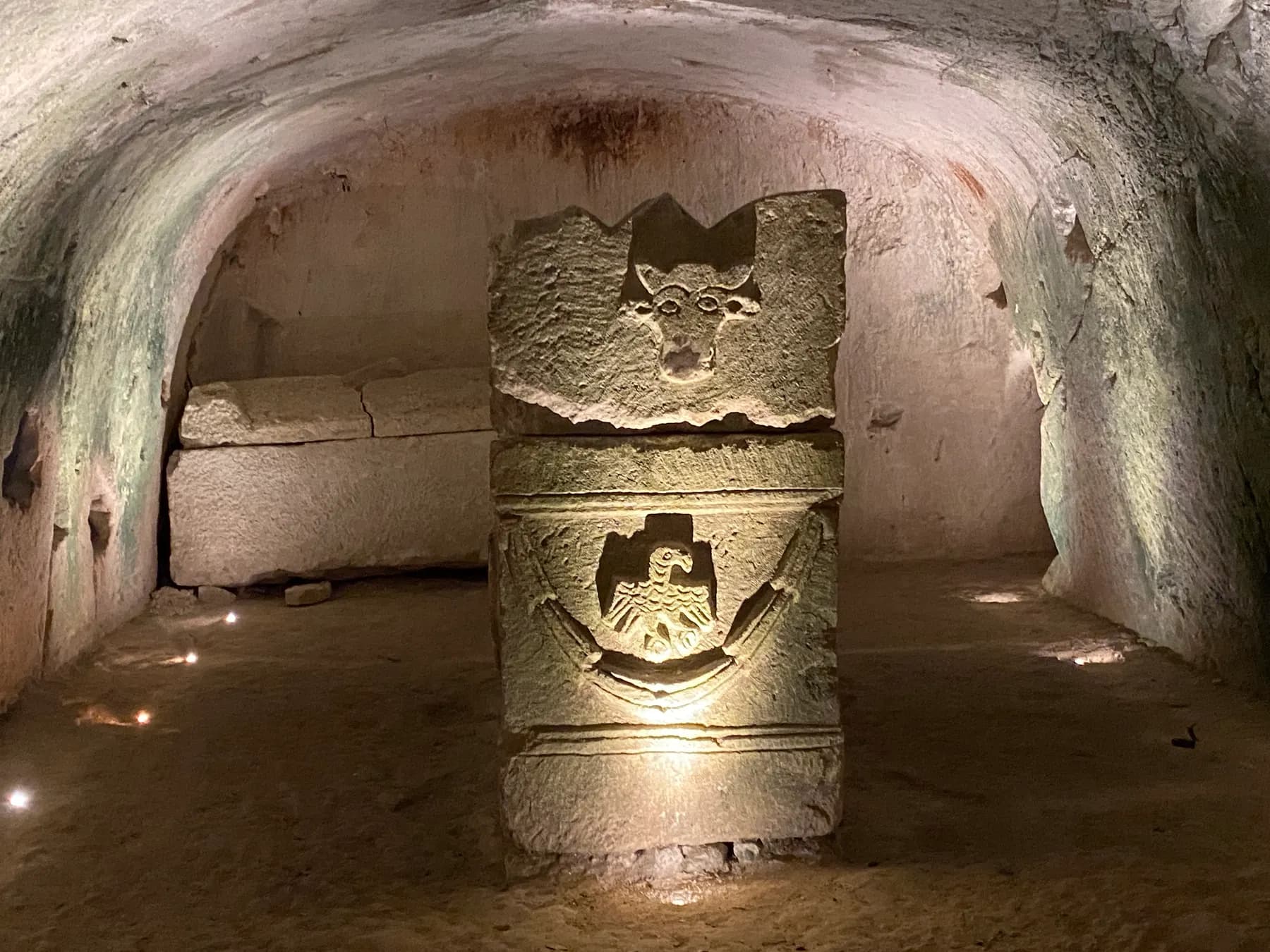
שלמה רודד / CC BY 2.5 · Wikimedia Commons
September
Mixed28.5°C by day, 18.5°C at night, 1.3 wet days
The heat holds, but the shape of the month is set by the festivals rather than the weather. In 2026 Rosh Hashanah falls 11 to 13 September, Yom Kippur 20 to 21 September and Sukkot from the 25th, which is three separate waves of domestic travel plus one day on which the country stops completely: no flights, no buses, no shops, no broadcasts, for about 28 to 30 hours. The lake is at its warmest and the Kinneret Crossing open-water swim is held this month. If the dates fall kindly the last week can be very good; if they do not, it is the most expensive week of the year.
October
Best25.1°C by day, 16°C at night, 5.3 wet days
The second real window, and for a lot of people the better one. The heat breaks to 25.1 °C in the hills, the first rain arrives at 23 mm across about five days, the olive harvest opens, and the first cranes come down into the Hula. Sukkot usually falls in the first half of the month and behaves exactly like Passover, with schools closed, parks full and rates doubled. Once it clears, the last fortnight of October is close to ideal.
November
Good19.2°C by day, 11.7°C at night, 8.7 wet days
The green returns with about 52 mm of rain, crane numbers build towards their winter peak, and in most years no festival falls in November at all, which makes it the quietest good month on the calendar. Days are short and the light goes early, which matters when the drive from the Hula to Nazareth is a solid two hours. Walking is still good, though the Golan canyon routes start to be affected by run-off after the first real storms. This is the value month.
December
Mixed14°C by day, 7.7°C at night, 11.7 wet days
Winter proper, with 115 mm across nearly twelve rain days and the first snow on Hermon and the high Golan. The Hula is at its best: something close to 15,000 cranes settle in for the winter and two tonnes of maize goes out daily to keep them off the farmland. Hanukkah is eight days of school holiday in December and fills the family-facing sites without closing anything. Daylight is at its shortest and the sites shorten with it, so check hours before setting out: Hula Lake Park stops admitting at 16:00 and closes at 17:30.
The table
Every month in figures
| Month | Average high | Average low | Rain | Wet days |
|---|---|---|---|---|
| January | 11.5°C | 5.3°C | 151 mm | 15.3 |
| February | 13.2°C | 5.6°C | 99 mm | 11.5 |
| March | 15.5°C | 7.3°C | 80 mm | 12.4 |
| April | 20.5°C | 10.6°C | 49 mm | 7.3 |
| May | 24.6°C | 14.4°C | 21 mm | 5.1 |
| June | 26.9°C | 17°C | 6 mm | 1.8 |
| July | 29.2°C | 19.5°C | 1 mm | 0.3 |
| August | 29.5°C | 19.7°C | 2 mm | 0.6 |
| September | 28.5°C | 18.5°C | 4 mm | 1.3 |
| October | 25.1°C | 16°C | 23 mm | 5.3 |
| November | 19.2°C | 11.7°C | 52 mm | 8.7 |
| December | 14°C | 7.7°C | 115 mm | 11.7 |
2015 to 2024 averages at 32.95, 35.35, elevation 781 m. Source: European Centre for Medium-Range Weather Forecasts (IFS, ERA5). A wet day has 1 mm of rain or more.
The windows
Two seasons work here, and only one of them is generous
Spring is the answer for most people, and the useful span is February to mid-May. The operator of the Jesus Trail, which crosses the Lower Galilee from Nazareth to Capernaum, puts its own optimal season at February to mid-May and October to November, and says spring is the better half because the landscape is green and lush, the flowers are in bloom, and the creeks and rivers carry more water. The normals agree: rainfall falls from 99 mm in February to 21 mm in May while the mean daily high climbs from 13.2 °C to 24.6 °C. March and April are where those curves cross in the walker's favour.
The catch in spring is Passover, which moves against the Gregorian calendar by up to a month and lands somewhere between late March and late April. In 2027 it runs 21 to 29 April, taking out most of the second half of the month. A spring trip planned on Gregorian dates alone will collide with it roughly every other year.
Autumn is the second window and it is shorter: October and the first half of November. The heat breaks, the first rain arrives (23 mm in October across about five rain days), the olive harvest starts, and the earliest cranes drop into the Hula. Sukkot usually sits in the first half of October and behaves exactly like Passover; once it clears, the last fortnight of October and the whole of November are the quietest good weeks in the Galilee's year, at the price of daylight that goes early.
Everything else is a trade. Winter buys the Hula and the lowest prices of the year and costs the walking; summer buys the Golan pools and the lake and costs the middle six hours of every day.
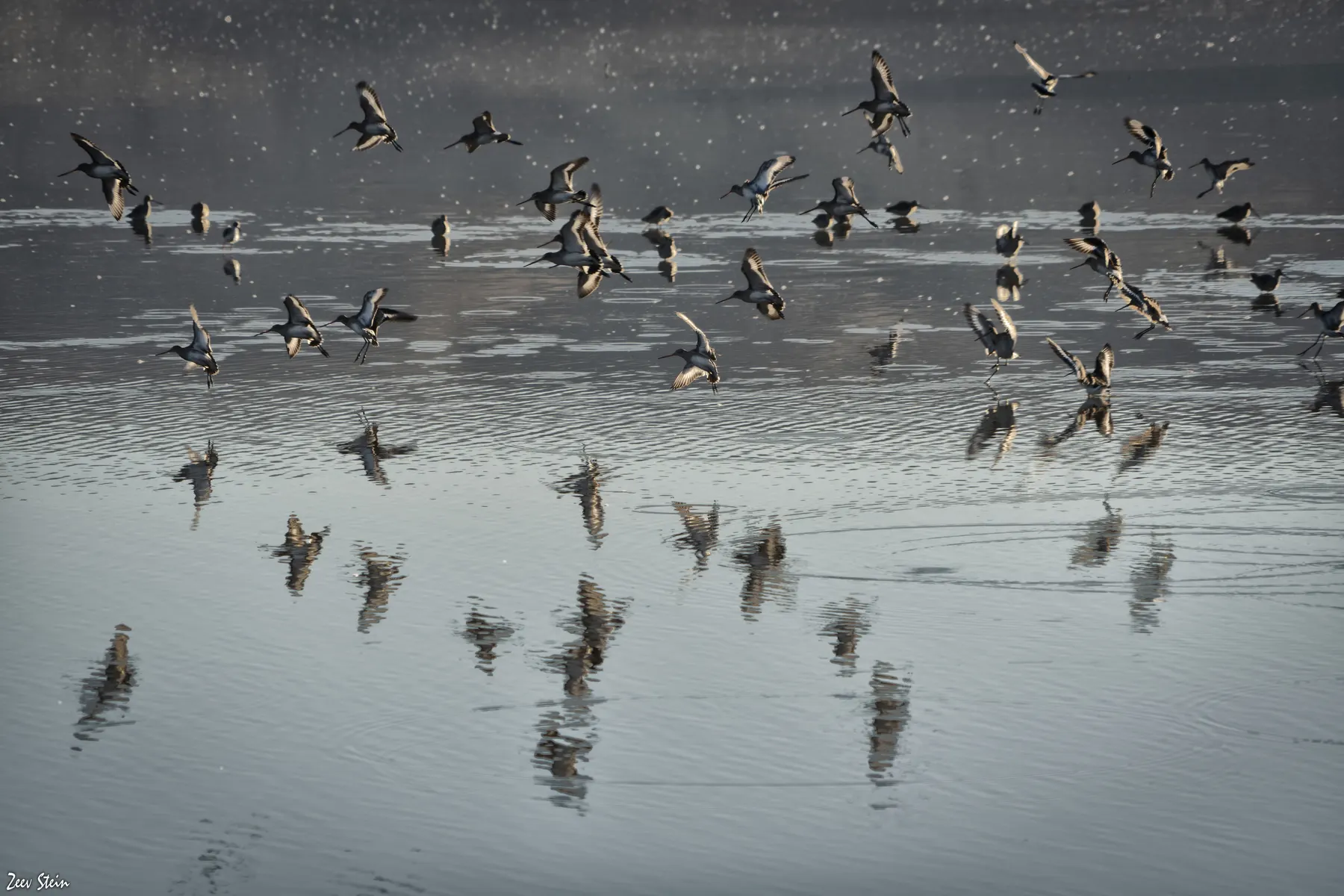
זאב שטיין / CC BY 2.5 · Wikimedia Commons
The calendar
Passover, Sukkot, and the day the country stops
Passover and Sukkot are the two that reshape prices. Both run about a week, and the intermediate days in the middle of each, the chol hamoed, are a school holiday and a period of collective paid leave in many Israeli businesses and government offices. The result is a national domestic travel week aimed squarely at what a visitor came for: national parks, nature reserves, the lake and the zimmer villages. Rooms are booked months out and rates roughly double. In 2026 Sukkot runs from the evening of 25 September to 2 October; in 2027 Passover falls 21 to 29 April and Sukkot 15 to 22 October.
Yom Kippur is a different kind of problem, because there is nothing to book around: the country simply closes. Airports shut, public transport does not run, shops and businesses are closed nationwide, and there are no radio or television broadcasts, for something on the order of 28 to 30 hours. It is remarkable to witness and impossible to travel on, and it falls on 20 to 21 September in 2026 and 10 to 11 October in 2027. Do not schedule a flight, a hire car collection or a drive across the Galilee into it.
Lag BaOmer is the Galilee's own crowd event. The tomb of Rabbi Shimon bar Yochai at Meron, in the Upper Galilee above Safed, draws what is usually described as hundreds of thousands of pilgrims for a night of bonfires, singing and first haircuts for three-year-old boys. On 30 April 2021 a crush there killed 45 people and injured about 150; since 2022 attendance has been capped and ticketed in advance, with a limit of four hours per person on site and a police and military presence mandated by law. The practical effect is that the roads around Meron and Safed are unusable for a day either side. It falls on 4 to 5 May in 2026 and 24 to 25 May in 2027.
The smaller dates still bite. Rosh Hashanah is two days off and Shavuot one, and both close transport and shops. Hanukkah is eight days of school holiday in December that fills family-facing sites without shutting anything.
Then there is Shabbat, every week. Israel Railways does not run, intercity buses thin out from Friday afternoon until Saturday night, and in Safed, Tiberias and Katzrin most of the town shuts with them. Nazareth and the Arab towns stay open on Saturday and are correspondingly busier for it.
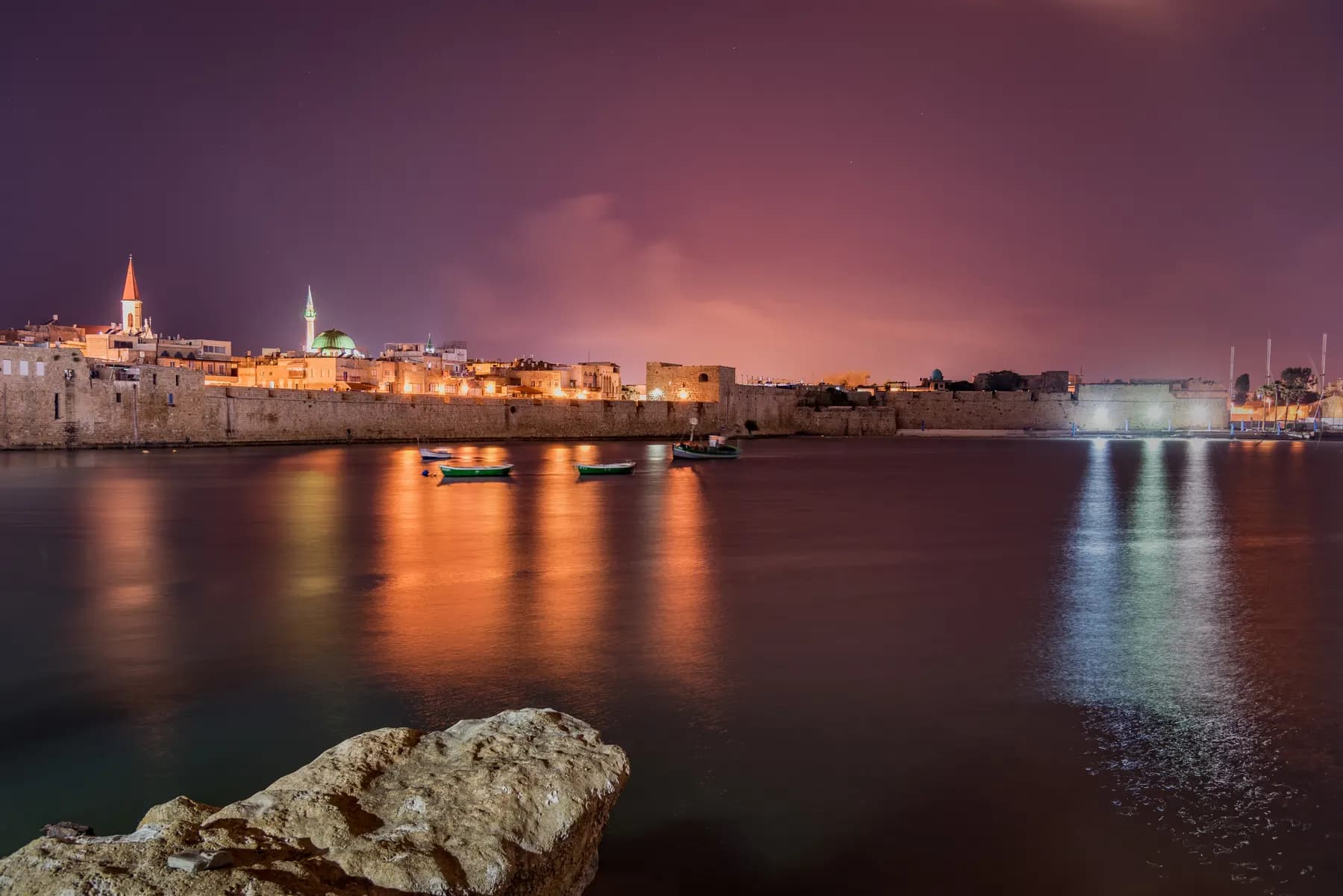
ארז אשכנזי / CC BY-SA 4.0 · Wikimedia Commons
Hazards
Snow above, storms below, and the hamsin in between
The Galilee's winter hazard is not the desert flash flood that dominates advice about the Negev. It is snow and storm. January delivers 151 mm across 15.3 rain days at 781 metres, and the Israel Meteorological Service's Har Kena'an station above Safed records 182.1 mm in January over its 2004 to 2022 normals, with night frost normal and a February record low of minus 9.0 °C in a series running back to 1939. Snow on the Golan plateau and around Safed closes roads for a day or two at a time, so check conditions on the morning rather than the night before.
The one place that wants the snow is Mount Hermon, where the ski site sits between 1,600 and 2,040 metres and opens only at the peak of winter, usually January to March. It is not a reliable season: from the 2000s the site went from two to three months of good snow most winters to as little as two to four weeks. Treat a ski day as a bonus, not a reason to come.
The Golan stream walks are the other winter casualty. Zavitan, Yehudiya and Meshushim, with their basalt pools and ladders, are the best hot-weather walking in the north precisely because they carry water, and in January and February they carry a great deal of it. Check the reserve's own status before driving out to one.
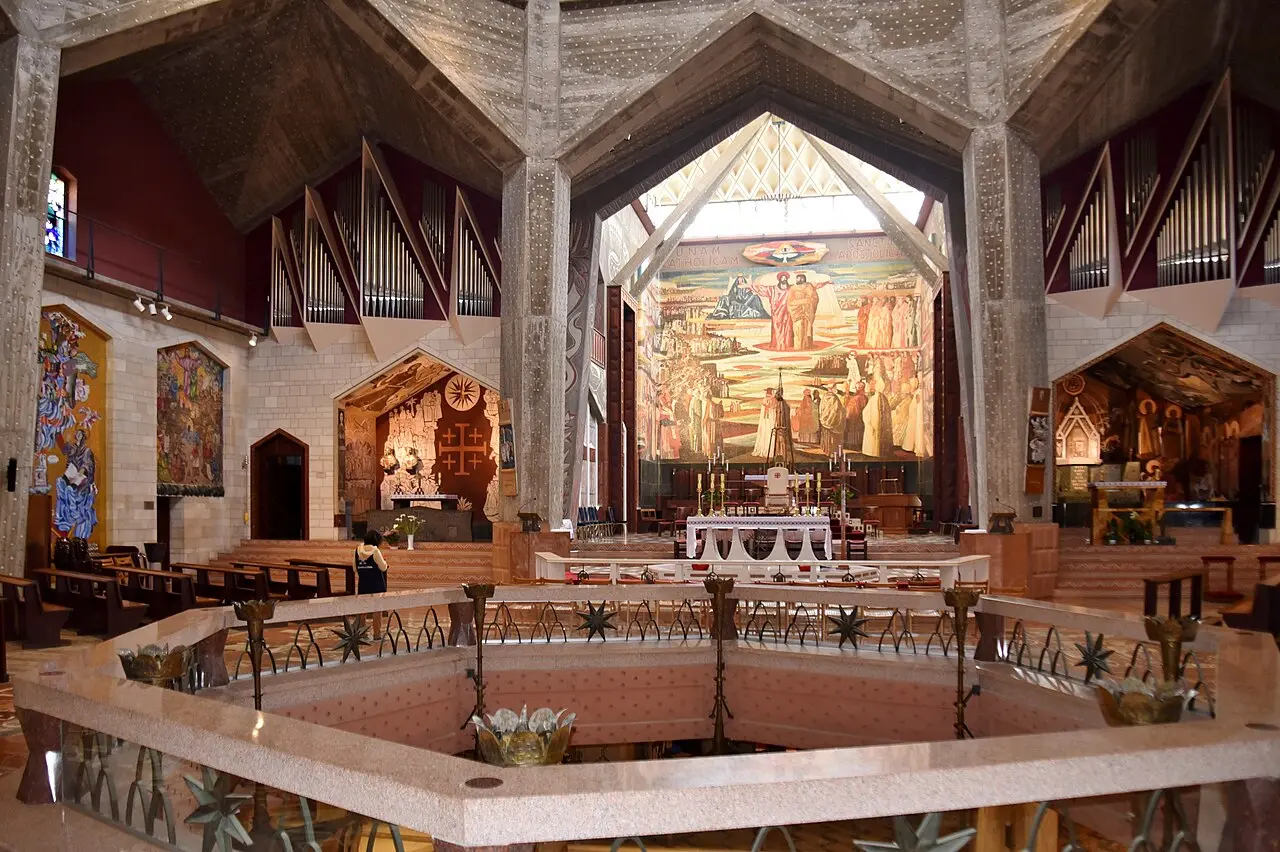
In spring and autumn the hazard reverses. A sharav, the hot dry wind Hebrew speakers also call a hamsin, is defined by three conditions together: a temperature above 27 °C, at least five degrees over the annual mean, and humidity ten per cent below normal. It arrives with dust that cuts visibility and strong overnight wind, and in Israel it clusters in the weeks between Passover and Shavuot. Summer's hazard is simpler and it is the rift floor itself: Tiberias has recorded extremes from 0 °C to 48 °C, the exposed archaeology at Akko, Beit She'arim and Tzipori has very little shade, and the springs marked on hill maps are not all running by August.
Bahnfrend / CC BY-SA 4.0 · Wikimedia Commons
What is on
Cranes, blossom and the olive press
The Hula Valley runs the region's most reliable seasonal spectacle and it is a winter one. KKL-JNF, which operates Hula Lake Park, says about 35,000 cranes arrive in the autumn and about 15,000 stay for the winter rather than continuing to Africa, and that farmers scatter two tonnes of maize daily through the winter to keep the birds off the surrounding fields. Roughly November to February is the season, the birds fly out to feed at first light, and entry to the park is free of charge on KKL-JNF's own statement, with the wagon, bicycles and golf carts charged separately.
Spring is the flower season and it is short. February and March give the hills their green and the springs run; by late April the lower slopes have started to go over. Anyone whose main object is walking or photography should aim at March rather than May: the same trail in May is browner, hotter and drier, and by June there is nothing left of it.
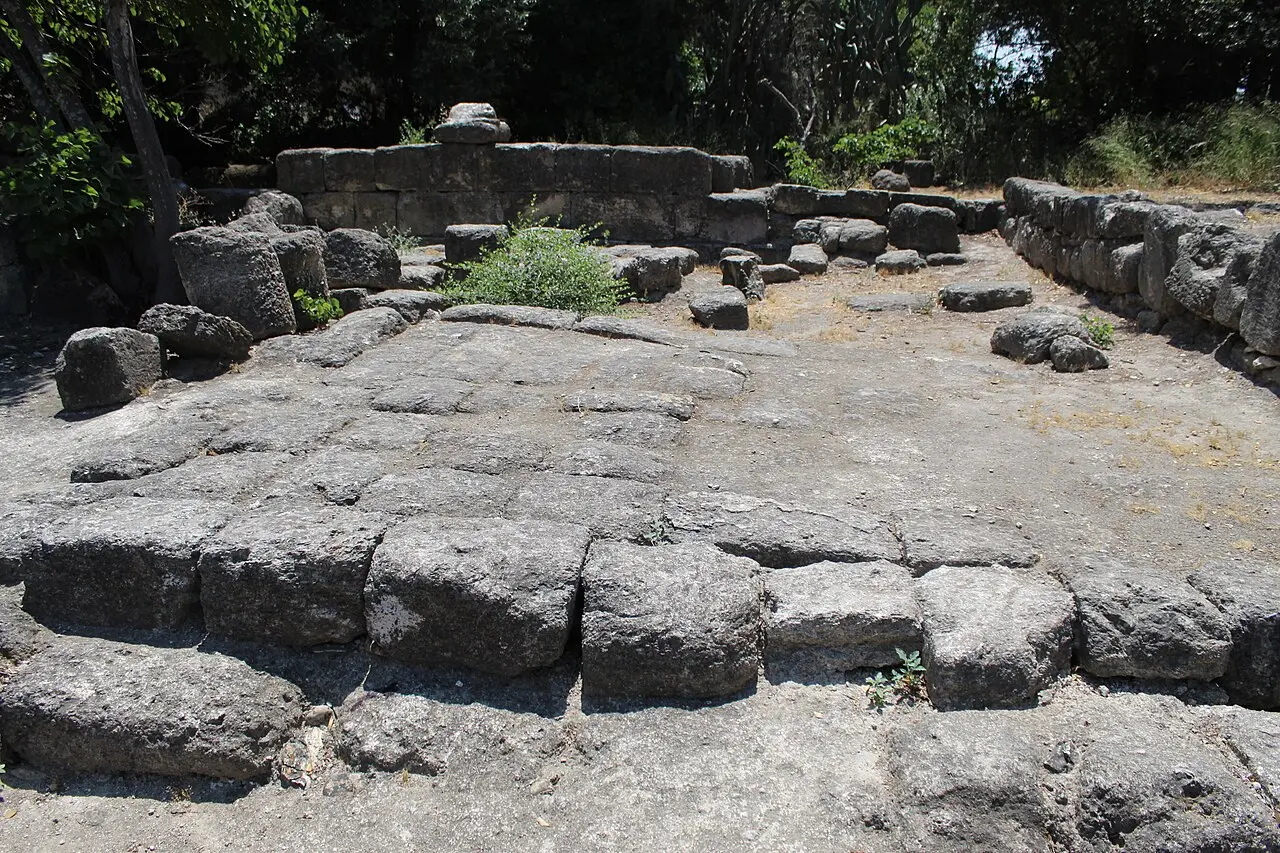
Late summer and autumn belong to the harvests. Grape picking in the Golan runs through the hot end of summer and starts before dawn for the same reason visitors should. The olive harvest starts in October: Israelis get through around 30,000 tonnes of olive oil a year and grow roughly half of it, much of that in these hills. The lake keeps its own calendar and is warmest at the end of summer, which is why the Kinneret Crossing, Israel's best-known open-water swim, is held every September.
Davidbena / CC BY-SA 4.0 · Wikimedia Commons

Practical
What to know before you go
- Check the Hebrew date before booking anything. Passover and Sukkot move against the Gregorian calendar by up to a month, and a spring or autumn trip planned on Gregorian dates alone will collide with one of them roughly every other year.
- Do not fly into Yom Kippur. Israeli airports shut for the duration and the days either side are among the heaviest of the year.
- If July or August is the only option, sleep high. The Upper Galilee ridges around Meron and Amirim are consistently cooler than Tiberias, which on the WMO normals runs to 38.0 °C by day and does not drop below 25.0 °C at night.
- At the Hula between November and February, go at first light. The cranes fly out to feed early and by mid-morning you are walking beside a lake with very few birds on it.
- Book a Meron or Safed room well clear of Lag BaOmer, or accept the roads. Site entry has been ticketed in timed slots since 2022 and the approaches close to ordinary traffic.
- Check Golan road conditions the same morning in winter, not the night before. Snow on the plateau closes routes for a day or two at a time.
- In a hamsin, move the whole day earlier and write off the afternoon. Episodes are hot, dusty and short, and the forecast temperature can be a long way under what arrives.
- Treat Friday as a half day. Trains stop for Shabbat, intercity buses thin out from Friday afternoon, and Safed, Tiberias and Katzrin close with them until Saturday night.
The figures
Numbers behind this page
Each figure carries the year it belongs to and links the source it came from.
| Measure | Figure | As of | Source |
|---|---|---|---|
| Rainfall in January, hills at 781 metres | 151 mm over 15.3 rain days | 2015-2024 | cds.climate.copernicus.eu |
| Rainfall in July, hills at 781 metres | 1 mm over 0.3 rain days | 2015-2024 | cds.climate.copernicus.eu |
| Annual rainfall, summed from the monthly normals | 603 mm | 2015-2024 | cds.climate.copernicus.eu |
| Mean daily high, August, hills at 781 metres | 29.5 °C | 2015-2024 | cds.climate.copernicus.eu |
| Mean daily high in Tiberias, July and August (WMO normals) | 38.0 °C, with a mean daily low of 25.0 °C | 1995-2009 | en.wikipedia.org |
| January rainfall at Safed, Har Kena'an station, Israel Meteorological Service | 182.1 mm | 2004-2022 | en.wikipedia.org |
| February record low at Safed, Israel Meteorological Service series | -9.0 °C | 1939-2022 | en.wikipedia.org |
| Cranes in the Hula: autumn arrivals, and those staying the winter | about 35,000, of which about 15,000 | 2026 | kkl-jnf.org |
The rest of the The Galilee guide
Sources and further reading
Every link below was opened and checked when this page was written. Official statements are marked as such: they are the subject's own account, not an independent one.
- OfficialKKL-JNF (Jewish National Fund), site operatorkkl-jnf.orgHula Lake Park
Crane numbers, the two tonnes of maize a day fed through the winter, free entry, and the 16:00 last admission with a 17:30 close.
- OfficialJesus Trail (route operator)jesustrail.comJesus Trail: frequently asked questions
The operator's own seasonal advice: February to mid-May and October to November as the optimal walking season, June to September described as prohibitively hot and humid.
- ReportingThe Times of Israel (12 March 2024)timesofisrael.comImpact of olive oil shortage on Israel could have been averted, industry chief says
The olive harvest beginning in October, and the roughly 30,000 tonnes of olive oil Israelis consume each year with about half of it grown locally.
- DataEuropean Centre for Medium-Range Weather Forecastscds.climate.copernicus.euERA5 reanalysis and IFS model archive
The ten-year monthly normals for 2015 to 2024 charted on this page, computed at the destination's own coordinates at 781 metres.
- DataIsrael Meteorological Serviceims.gov.ilClimate Atlas
The national long-term temperature, precipitation and rain-day series, and the source behind the Har Kena'an station normals and record extremes for Safed quoted here.
- ReferenceWikipediaen.wikipedia.orgSea of Galilee
The lake's surface elevation of about 215 metres below sea level, and the Kinneret Crossing open-water swim held every September.
- ReferenceWikipediaen.wikipedia.orgSafed
Carries the Israel Meteorological Service table for Har Kena'an, 2004 to 2022: January rainfall 182.1 mm, August high 30.4 °C, February record low minus 9.0 °C, and the 937 metre elevation.
- ReferenceWikipediaen.wikipedia.orgTiberias
Carries the World Meteorological Organization normals for the lakeshore: 38.0 °C mean daily high in July and August, 25.0 °C mean low, 437.1 mm annual rainfall, extremes 0 °C to 48 °C.
- ReferenceWikipediaen.wikipedia.orgPublic holidays in Israel
Which dates are full closures, the chol hamoed intermediate days as school holiday and collective leave, and the 28 to 30 hour Yom Kippur shutdown.
- ReferenceHebcalhebcal.comJewish holidays 2027
Gregorian dates for Passover, Lag BaOmer, Shavuot, Rosh Hashanah, Yom Kippur and Sukkot in 2027.
- ReferenceHebcalhebcal.comJewish holidays 2026
Gregorian dates for the 2026 autumn festivals and for Lag BaOmer 2026.
- ReferenceWikipediaen.wikipedia.orgMount Meron crowd crush
The 30 April 2021 disaster, 45 dead and about 150 injured, and the ticketing, four-hour limit and mandated security introduced from 2022.
- ReferenceWikipediaen.wikipedia.orgKhamsin
The three-part definition of a sharav, its spring and autumn timing between Passover and Shavuot, and the dust and night wind that come with it.
- ReferenceWikipediaen.wikipedia.orgMount Hermon ski resort
The 1,600 to 2,040 metre slope range, the January to March season, and the contraction of reliable snow from two or three months to two to four weeks.
The best time to visit the Galilee: common questions
What is the best month to visit the Galilee?+
March, with April close behind if Passover does not land in the middle of it. The hills are still green and the streams still running, the mean daily high in the hill country is 15.5 °C in March and 20.5 °C in April, and the school holidays have not started. October is the best of the autumn alternative, once Sukkot has cleared.
When is the worst time to visit the Galilee?+
Mid-July to the end of August, and it is genuinely difficult rather than merely warm. Tiberias on the lakeshore runs to a mean daily maximum of 38.0 °C with nights that do not fall below 25.0 °C, every Israeli school is on holiday, and the operator of the Jesus Trail describes June to September as prohibitively hot and humid with a serious risk of dehydration. The hills are eight or nine degrees cooler than the lake, which helps but does not solve it.
Should I avoid Passover and Sukkot?+
Avoid them unless you specifically want to see them, and if you travel then, book months ahead. Both run about a week, the intermediate days are a school holiday and collective leave for many Israeli employers, and the whole country travels domestically to exactly the parks, reserves and lakeside guesthouses a visitor came for. Rooms sell out and rates roughly double.
What happens on Yom Kippur if I am already in Israel?+
Everything stops for about 28 to 30 hours. Airports shut, there is no public transport, shops and businesses close nationwide, and radio and television do not broadcast; the roads carry emergency vehicles and not much else. It is worth experiencing if you are already settled somewhere, and impossible to travel on, so make sure you are where you want to be before it starts.
Does it snow in the Galilee, and when?+
On the high ground, mostly January and February. Safed, at up to 937 metres, gets occasional snow and routine night frost, and its record low is minus 9.0 °C. The Mount Hermon ski site, with slopes between 1,600 and 2,040 metres, opens only at the peak of winter and usually only from January to March, and since the 2000s its reliable snow has shrunk from two or three months to as little as two to four weeks. In the valleys and on the coast, snow is rare.
Can you swim in the Sea of Galilee, and in which months?+
Yes, and the comfortable span is roughly May to October. The lake is warmest at the end of summer, which is why the Kinneret Crossing, Israel's best-known open-water swim, is held every September. Winter swimming is for the hardy: Tiberias runs to a mean daily high of 18.1 °C in January on the WMO normals, and the water lags the air.
When can you see the cranes at the Hula?+
Roughly November to February. KKL-JNF says about 35,000 cranes arrive in the autumn and about 15,000 stay through the winter, fed on two tonnes of maize a day scattered at designated points to keep them off the farmland. Go at first light, because the birds leave to feed early and a midday visit is a walk beside an empty lake. Entry to the park is free of charge; the wagon, bicycles and golf carts cost extra.
Is the Galilee too hot to hike in summer?+
In the Lower Galilee, effectively yes, and the Jesus Trail's own operator says so. The Golan is the partial exception, because the canyon routes at Zavitan, Yehudiya and Meshushim are built around pools and the water is the point of going. Start at dawn either way, carry far more water than feels necessary, and do not count on the springs marked on hill maps still running in August.
What is a hamsin and how bad is it?+
It is a hot, dry, dusty spell, called a sharav in Hebrew, defined by a temperature above 27 °C that also runs at least five degrees over the annual mean with humidity ten per cent below normal. It brings enough dust to cut visibility and strong wind at night, and in Israel it clusters in the weeks between Passover and Shavuot. Episodes are short, usually a day or two, so the practical answer is to shift the walking to first light and give up on the afternoon.
Is winter worth it in the Galilee?+
For birds, prices and empty sites, yes; for walking, no. December and January carry 115 mm and 151 mm of rain across roughly twelve and fifteen wet days, snow closes Golan roads for a day or two at a time, and the stream routes are in spate. Against that, the Hula is at its peak, the hills are green, and the hotels are cheaper than at any other point in the year outside the festival weeks.