IDF fires interceptor at suspected aerial target over southern Lebanon
Israel's military says it launched an interceptor near troops in southern Lebanon; one Hebrew outlet reported the target was likely a false identification.

AI illustration, not a photo of the events.
The Israel Defense Forces (IDF), Israel's military, said it fired an interceptor at what it called a suspicious aerial target spotted above part of southern Lebanon where its soldiers are deployed. In a short statement on its official channel, the IDF spokesperson said the launch had taken place a short while before the announcement and that, in line with protocol, no sirens were activated.
The army did not say whether the interceptor struck anything or what the target was. Emanuel Fabian, military correspondent for The Times of Israel, reported that no sirens went off in any Israeli towns because Israeli civilians faced no threat. A separate Hebrew news service, News.co.il, went further, reporting that an initial check suggested the target had been misidentified.
What the sources posted

The IDF says it launched an interceptor missile a short while ago toward a "suspicious aerial target" identified over an area of southern Lebanon where troops are operating. No sirens sounded in any towns, as no threat was posed to Israeli civilians.
What the military said
The IDF account is brief. It describes a single interceptor launched toward an object in the air that troops or air defence operators flagged as suspicious, above an area of southern Lebanon where Israeli ground forces are active. The statement gives no information on the type of interceptor, the system that fired it, the outcome of the launch, or what kind of object was suspected.
Several outlets relayed the same announcement within minutes. The Times of Israel carried it on its live blog, and the Hebrew-language outlets Ynet and N12 posted the army's wording on their alert channels. None of those reports added detail beyond what the military released.
Why no sirens sounded
Israel uses public sirens and phone alerts to warn civilians to take shelter when a rocket, missile or drone may be heading toward populated areas. The IDF's note that no sirens were sounded "in accordance with protocol" indicates that the system did not judge the suspected target to be a threat to communities inside Israel. Fabian's report made that link explicitly, saying sirens stayed silent because civilians were not at risk.
Israel's week in five stories, every Friday
Sourced and checked by the Israel.com newsroom, with Shabbat times. Free, one-click unsubscribe.
One list, unsubscribe in a click. See our privacy policy.
For readers outside Israel, this is a routine element of such announcements. When the military fires an interceptor without an accompanying alert, it often issues a short statement so that residents who hear or see a launch understand why there was no warning.
Where this happened
Southern Lebanon lies directly north of Israel's border, facing the Galilee region of northern Israel. The IDF statement places the suspected target over Lebanese territory, in an area where Israeli troops are currently operating.
Next story Security
IDF's 91st Division reports over 540 sites dismantled in southern Lebanon
News.co.il's report, filed under a northern border heading, described the launch differently. It placed the suspicious aerial target in the eastern Upper Galilee, the hilly area of northern Israel adjacent to the Lebanese frontier, rather than over southern Lebanon. The two areas are close to each other, and an interceptor fired from one could be visible from the other, but the reports do not explain the difference.
A possible misidentification
The suggestion that no real threat was involved comes from a single outlet. News.co.il said that after examination it appeared the target had been a false identification. The IDF statement does not say this, and neither do the reports from The Times of Israel, Ynet or N12, which repeat only the army's description of a suspicious target. The military has not, in the material available, confirmed or denied that the detection was mistaken.
Air defence systems are designed to react quickly to objects that may be hostile, and operators sometimes fire before an object can be fully identified. Whether that is what happened in this case has not been officially stated.
What the reports do not say
- What the suspected aerial target was, whether a drone, a projectile or something else, and whether it was ever confirmed to exist.
- Whether the interceptor hit anything, and where any debris may have fallen.
- Which air defence system fired the interceptor.
- Whether the IDF agrees that the detection was a misidentification, a claim reported only by News.co.il.
- Why News.co.il located the target over the eastern Upper Galilee while the IDF and other outlets placed it over southern Lebanon.
- Whether anyone was hurt or anything was damaged. No report mentions casualties or damage.
Read next
All security →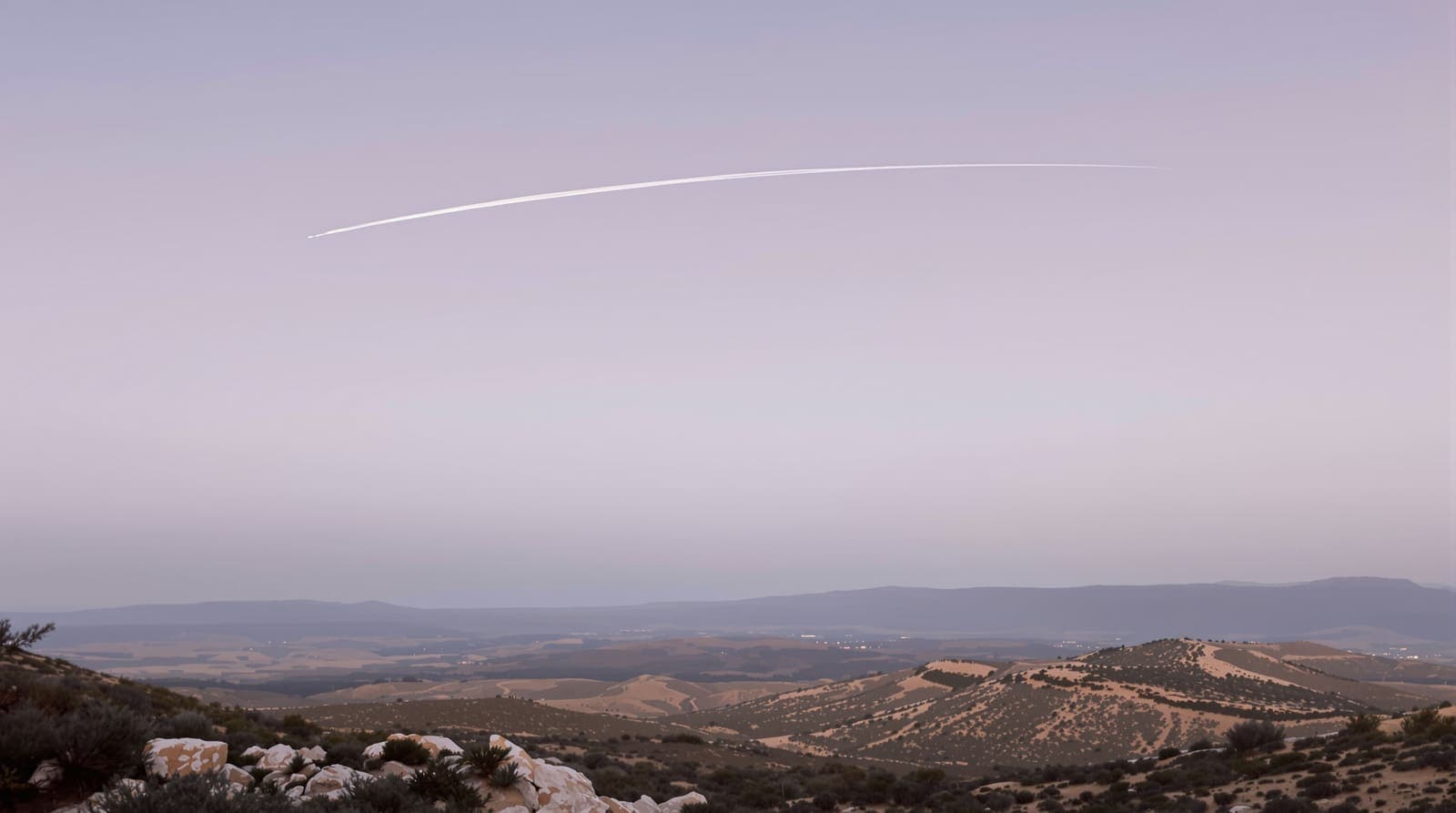
Illustration
Security
IDF fires interceptors at aerial target in southern Lebanon, later calls it false

Illustration
Security
IDF fires interceptor at what it calls a false target over southern Lebanon

Illustration
Security
IDF reviews interceptor launch at suspicious aerial target in southern Lebanon
Illustration
Security
IDF releases footage of tunnel routes it says it dismantled in southern Lebanon
Sources and further reading
Every link below was opened and checked when this page was written. Official statements are marked as such: they are the subject's own account, not an independent one.
- Officialidft.meIDF spokesperson
- Reportingyediotht.meYnet alerts
- Reportingtoitimesofisrael.comThe Times of Israel
- Reportingtoit.meEmanuel Fabian, Times of Israel military correspondent
- Reportingkeshett.meN12
- Reportingtoix.comEmanuel Fabian on X
- Reportingnewssilt.meNews.co.il
How we checked this
The interceptor launch and the absence of sirens come from the IDF spokesperson and were relayed by The Times of Israel, its military correspondent, Ynet and N12. The claim that the detection was a misidentification, and the eastern Upper Galilee location, are reported only by News.co.il and have not been confirmed by the military.
Our sourcing and corrections policy →The week from Israel, in one email
The stories that mattered, sourced and checked by the Israel.com newsroom. Free, weekly, one-click unsubscribe.
One list, unsubscribe in a click. See our privacy policy.
Latest
- Soldiers killed near Hebron named and buried as army operation goes on
- Truck driver arrested after fatal crash on Route 465 near Aboud
- IDF says about 220,000 dunams of West Bank olives harvested so far
- Troops detain Palestinian suspected of planning imminent attack in Binyamin area
- Man of about 25 shot dead in Yafia, near Nazareth, during a taxi ride
- IDF says Gaza strikes killed two men who moved Iranian and Turkish money to Hamas