Israel has 1,221 localities, and this page finds any of them.
Each locality has a page with its population, ages, wages, offences and road accidents, set beside Israel's own figures.
These are the biggest towns in Israel by population.
Each circle on the map is a place, as big as its number of residents.
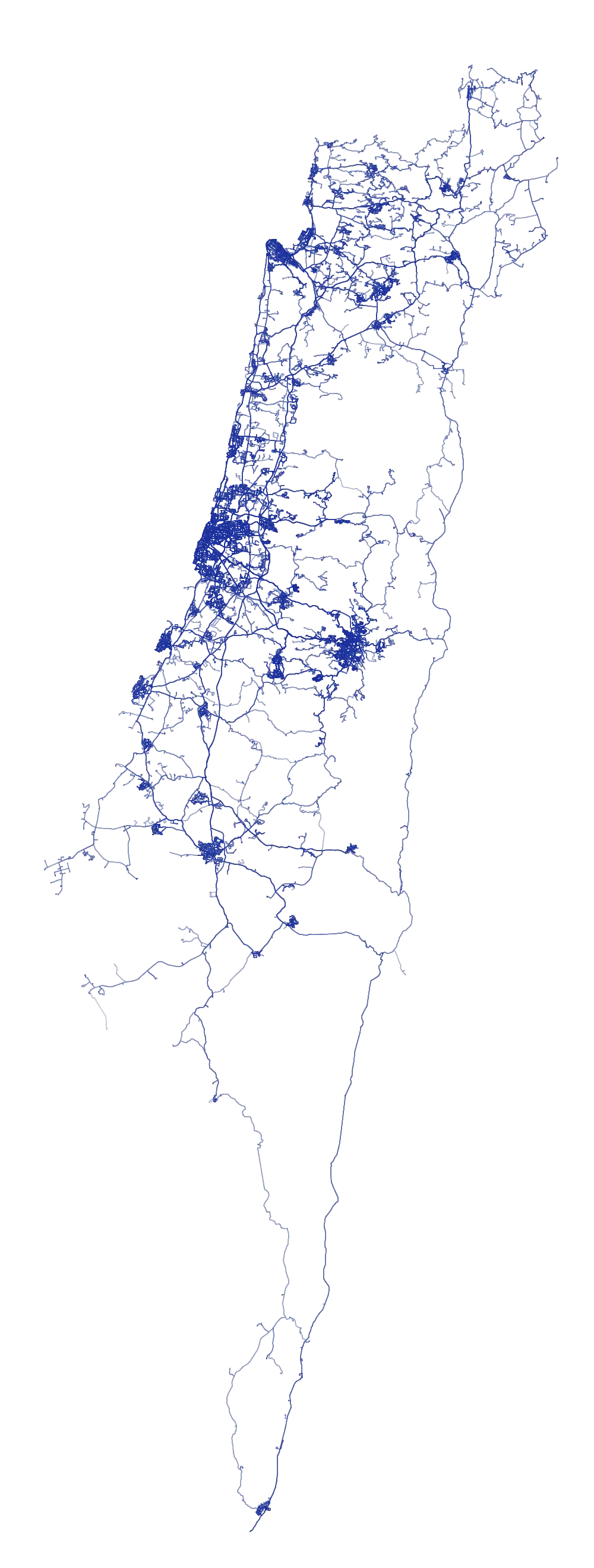
- Jerusalem1,050,151
- Tel Aviv494,900
- Haifa297,083
- Petah Tikva270,403
- Rishon LeZion259,275
- Netanya234,812
- Bnei Brak229,995
- Ashdod228,562
- Beer Sheva223,587
- Holon191,829
- Beit Shemesh176,786
- Ramat Gan172,242
- Ashkelon166,865
- Rehovot155,050
- Bat Yam129,495
Source: the Central Bureau of Statistics' file of localities for 2024, read on 5 November 2026.
These are the 16 ranked lists of towns.
Biggest Towns in Israel by Population
- Jerusalem1,050,151
- Tel Aviv494,900
- Haifa297,083
- Petah Tikva270,403
- Rishon LeZion259,275
Fastest Growing Towns in Israel Since 2020
See the whole listMost Densely Populated Towns in Israel
- Modi'in Illit35,226
- Bnei Brak34,923
- Beitar Illit25,157
- El'ad24,911
- Givatayim19,034
Highest Median Wages by Town in Israel
See the whole listHighest Share of Academic Degrees by Town
- Brukhin64%
- Alei Zahav59.4%
- Hoshaya54.2%
- Efrat52.1%
- Nofit51.1%
Youngest Towns in Israel by Median Age
- Alei Zahav12 years
- Modi'in Illit13 years
- Bir Hadaj13 years
- Brukhin13 years
- Yitzhar13 years
Oldest Towns in Israel by Median Age
- Nordia46 years
- Bat Yam44 years
- Kiryat Yam44 years
- Caesarea44 years
- Kfar Vradim43 years
Highest Share of Children by Town in Israel
- Yitzhar61.4%
- Brukhin60.2%
- Modi'in Illit59.7%
- Alei Zahav58.8%
- Tel Zion58.2%
Towns With the Most Residents Aged 65 and Over
- Nordia35%
- Bat Yam27.6%
- Kiryat Yam27.3%
- Haifa24%
- Savyon24%
Largest Households by Town in Israel
- Bir Hadaj6.8
- Modi'in Illit5.9
- Talmon5.5
- Beitar Illit5.2
- Mevo Horon5.2
Highest Share of Home Owners by Town in Israel
- Qasr al-Sir100%
- Bir Hadaj100%
- Makhul96.7%
- Abu Talul92.8%
- Ahuzat Barak92%
Highest Share of Renters by Town in Israel
- Metula63.8%
- Ganei Modi'in57.2%
- Tel Aviv55.2%
- Mitzpe Ramon51.6%
- Nokdim51.2%
Highest Towns in Israel Above Sea Level
- Majdal Shams1226 m
- Buq'ata1096 m
- Odem1050 m
- El Rom1049 m
- Mas'ade1035 m
Lowest Towns in Israel by Height Above Sea Level
- Neve Zohar-371 m
- Kalya-361 m
- Ovnat-352 m
- Neot HaKikar-350 m
- Ein Tamar-347 m
Towns in Israel by Year Founded, Oldest First
- Mikveh Israel1870
- Petah Tikva1878
- Rishon LeZion1882
- Zichron Yaakov1882
- Rosh Pinna1882
Towns With the Lowest Rate of Offences
- Modi'in Illit7.2
- Beitar Illit11.8
- Shoham12.8
- El'ad13.6
- Ganei Tikva15.6
These are the biggest places that have a photograph.
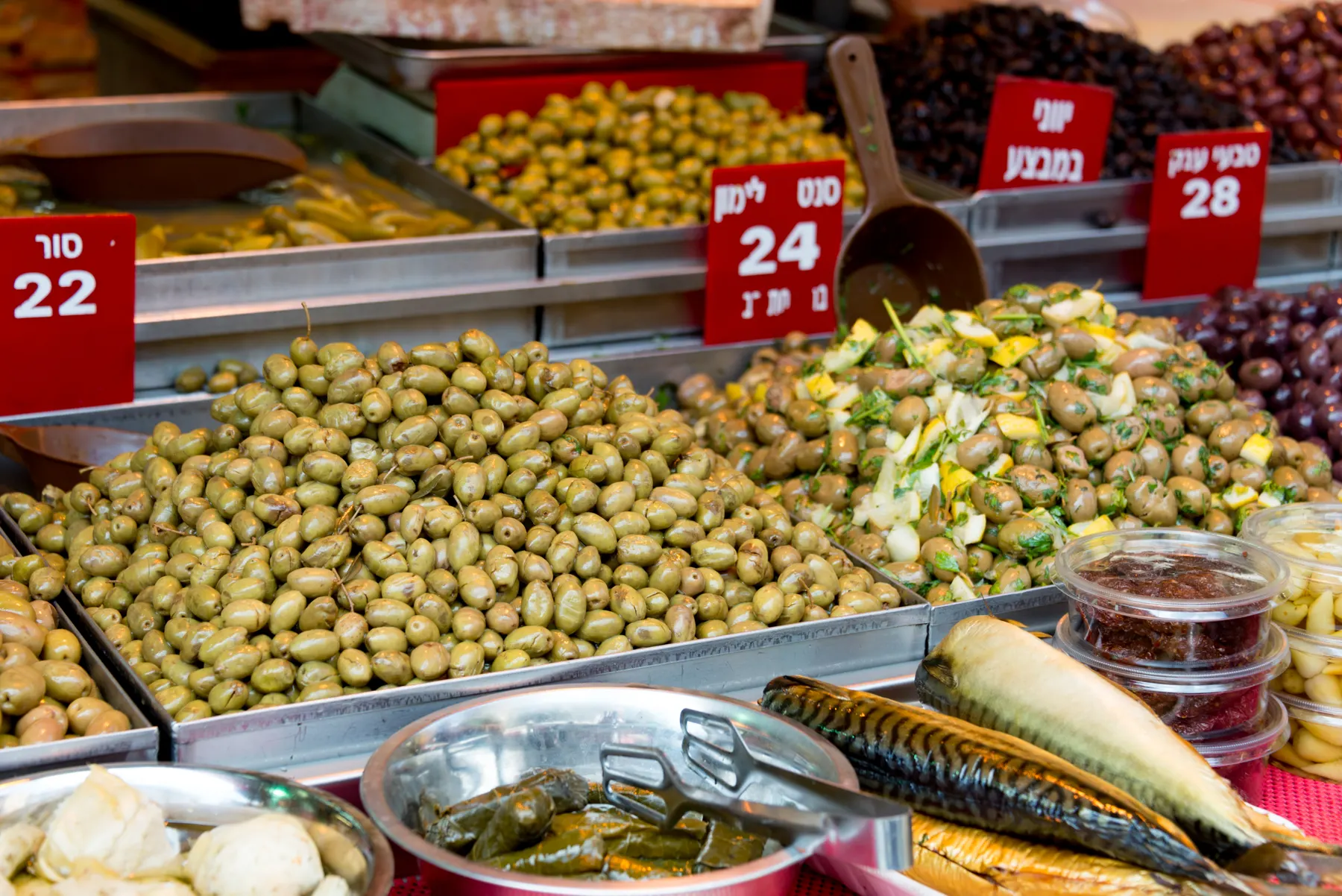 Jerusalem1050151 residents
xiquinhosilva / CC BY 2.0 · Wikimedia Commons
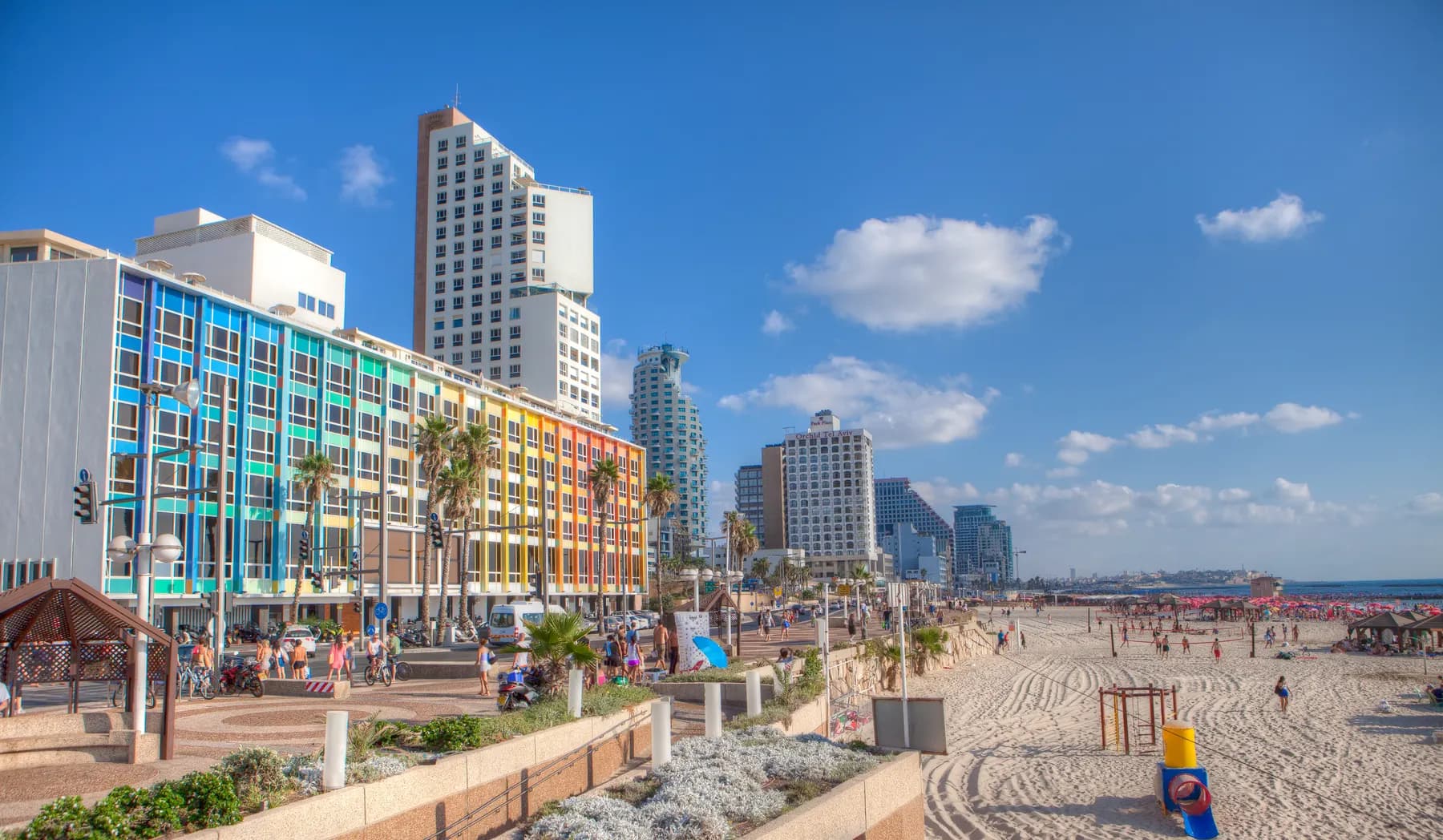 Tel Aviv494900 residents
israeltourism from Israel / CC BY-SA 2.0 · Wikimedia Commons
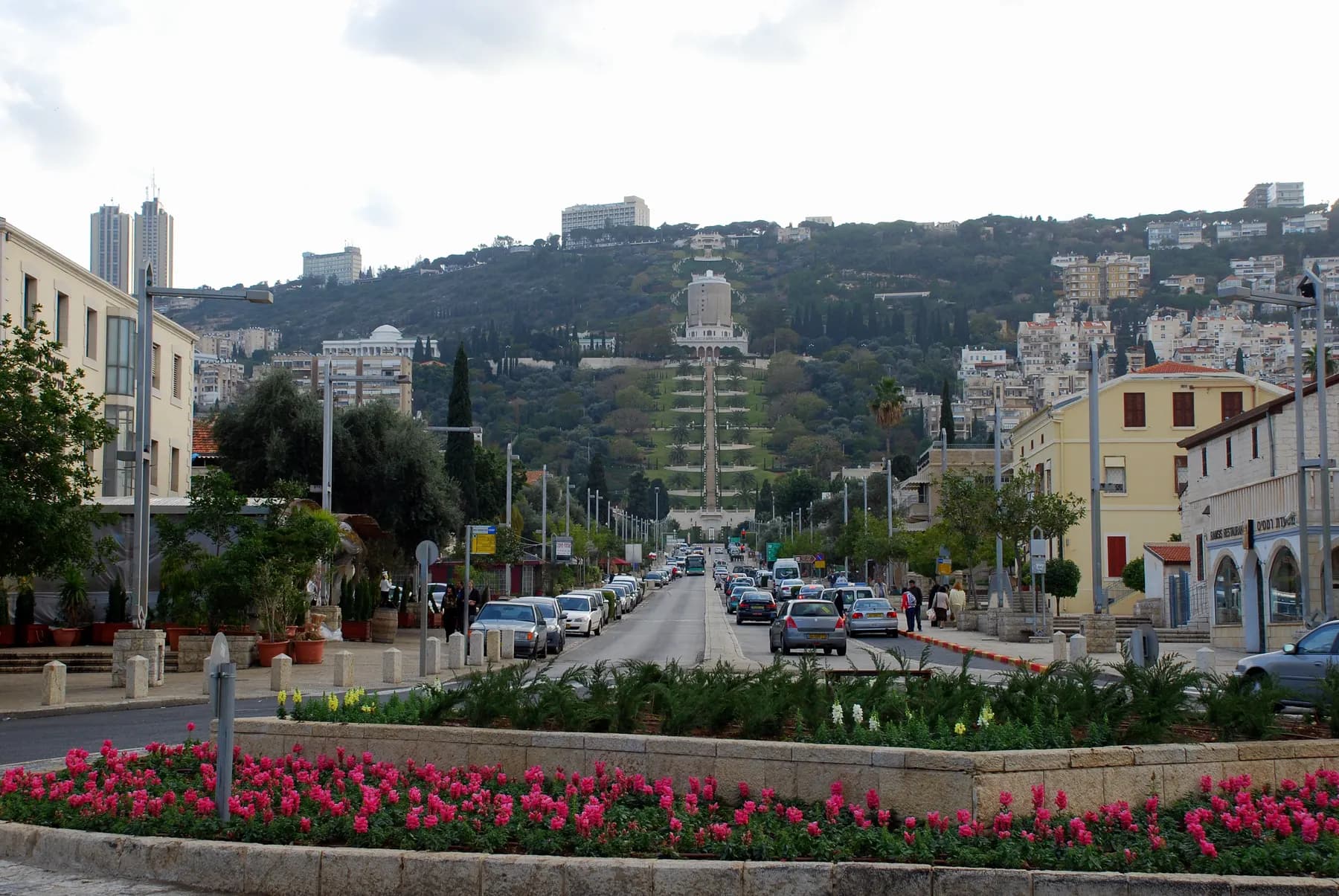 Haifa297083 residents
StateofIsrael / CC BY-SA 2.0 · Wikimedia Commons
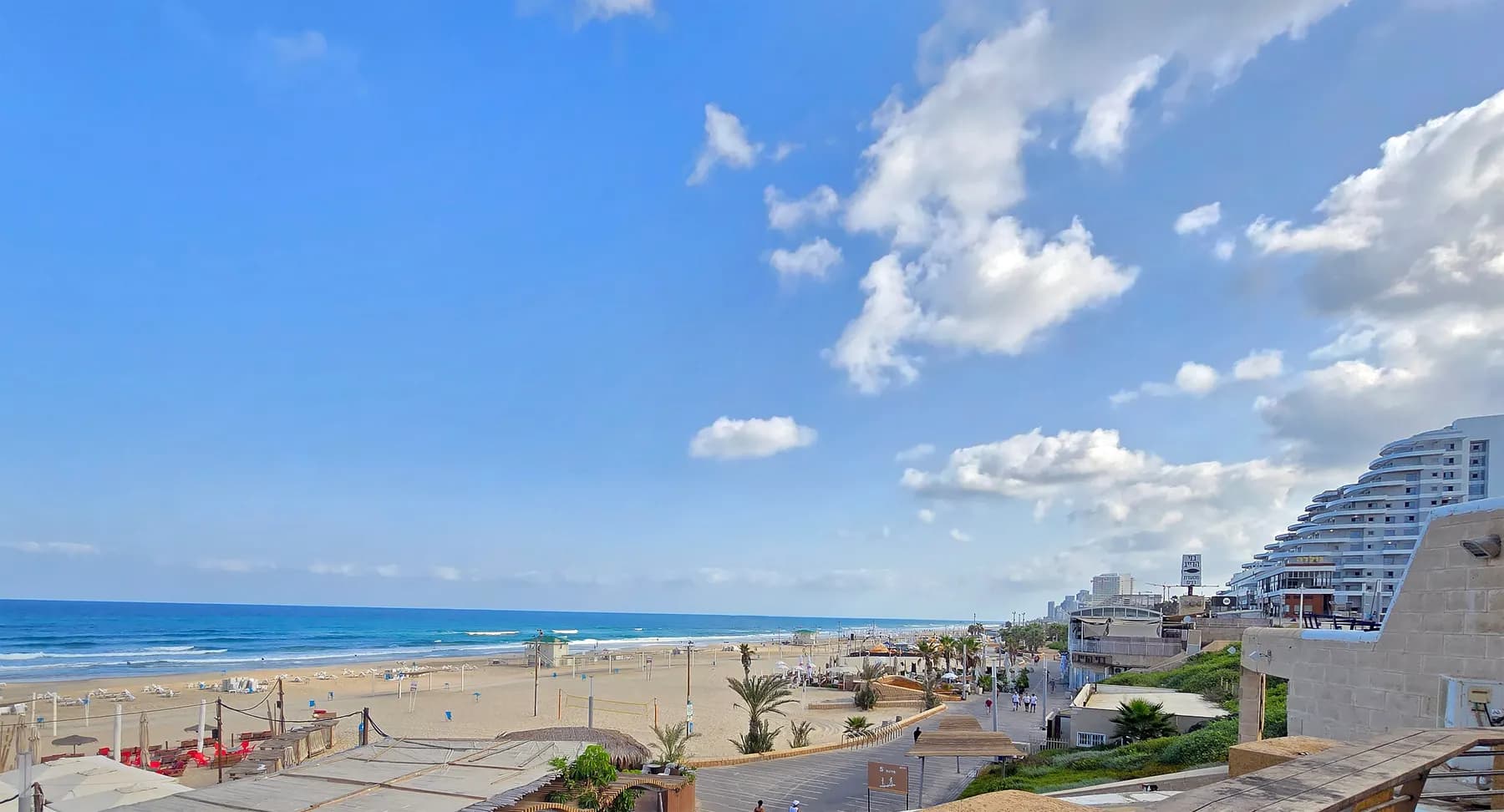 Rishon LeZion259275 residents
ישראל פרקר / CC BY 2.5 · Wikimedia Commons
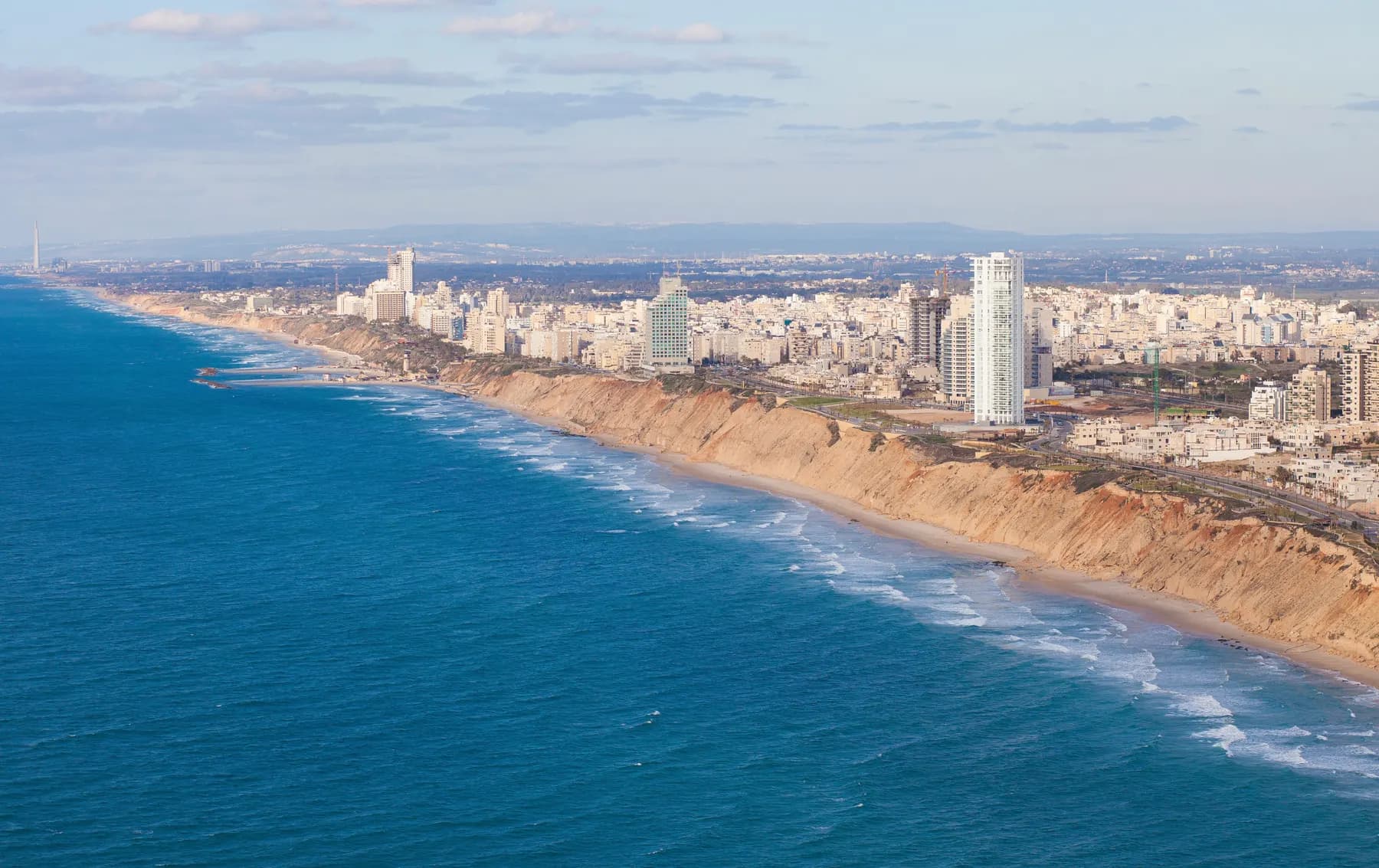 Netanya234812 residents
Israel_photo_gallery / CC BY-SA 2.0 · Wikimedia Commons
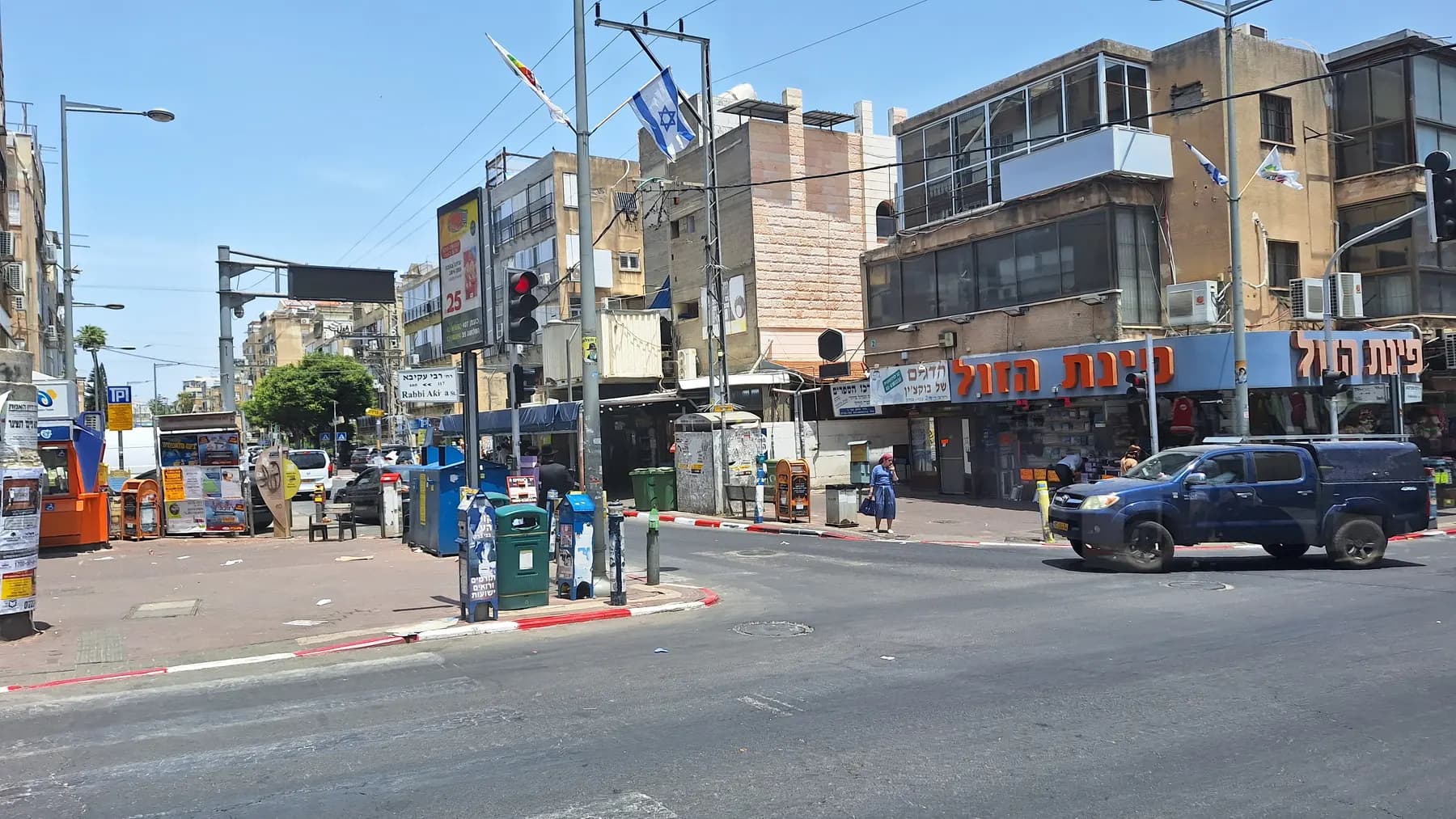 Bnei Brak229995 residents
Rakoon / CC0 · Wikimedia Commons
These are the kinds of place in the Bureau's file.
- Cities82
- Local councils121
- Kibbutzim268
- Moshavim410
- Cooperative moshavim43
- Community settlements110
- Villages46
- Rural localities53
- Other localities56
- Institutions32
Source: the Central Bureau of Statistics' file of localities for 2024, read on 5 November 2026.
These are the 54 regional councils and their places.
- Mateh Yehuda Regional Council 62
- Emek Hefer Regional Council 44
- Jezreel Valley Regional Council 38
- Misgav Regional Council 35
- Eshkol Regional Council 32
- Gilboa Regional Council 32
- Golan Regional Council 32
- Mateh Asher Regional Council 32
- Drom HaSharon Regional Council 31
- Mateh Binyamin Regional Council 29
- Upper Galilee Regional Council 29
- Hof HaCarmel Regional Council 26
- Gezer Regional Council 25
- Shomron Regional Council 25
- Emek HaMa'ayanot Regional Council 24
- Hevel Modi'in Regional Council 24
- Menashe Regional Council 24
- Merom HaGalil Regional Council 24
- Be'er Tuvia Regional Council 23
- Emek HaYarden Regional Council 22
- Ma'ale Yosef Regional Council 22
- Arvot HaYarden Regional Council 21
- Hof Ashkelon Regional Council 21
- Lachish Regional Council 19
- Lev HaSharon Regional Council 19
- Lower Galilee Regional Council 18
- Merhavim Regional Council 17
- Sdot Negev Regional Council 16
- Ramat Negev Regional Council 15
- Gush Etzion Regional Council 14
- Har Hevron Regional Council 14
- Hof HaSharon Regional Council 14
- Shafir Regional Council 14
- Zevulun Regional Council 14
- Bnei Shimon Regional Council 13
- Megiddo Regional Council 13
- Mevo'ot HaHermon Regional Council 13
- Yoav Regional Council 13
- Hevel Eilot Regional Council 12
- Sha'ar HaNegev Regional Council 12
- Emek Lod Regional Council 9
- Gan Rawe Regional Council 9
- Al-Kasom Regional Council 7
- Central Arava Regional Council 7
- Gederot Regional Council 7
- Hevel Yavne Regional Council 7
- Megilot Dead Sea Regional Council 7
- Nahal Sorek Regional Council 7
- Brenner Regional Council 6
- Tamar Regional Council 6
- Al-Batof Regional Council 4
- Bustan al-Marj Regional Council 4
- Neve Midbar Regional Council 4
- Alona Regional Council 3
Frequently asked questions
How many towns and villages does Israel have?
The Central Bureau of Statistics' file of localities for 2024 gives 1,221 localities a page here, and Jerusalem is the biggest with 1,050,151 residents.
What do the ranked lists rank?
Each of the 16 lists ranks towns by one figure from the Bureau, the register of residents or the police, and each list says which and gives the day it was read.
Why are small places missing from some lists?
A share of a few hundred people moves with a few families, so the lists of shares and rates take places of 2,000 residents or more, and the list of offences takes places of 20,000 or more.
Where do the figures on these pages come from?
They come from the Central Bureau of Statistics, the Population and Immigration Authority's register of residents and the Israel Police, and each page names its source and the day it was read.
Sources: the Central Bureau of Statistics, the Population and Immigration Authority and the Israel Police, each read on 5 November 2026.