Bennett welcomes Netanyahu's offer of an Eisenkot-first unity government
Naftali Bennett called Netanyahu's rotation offer the right decision but said the burden of proof is on him, and set out conditions including an 8-year term limit.
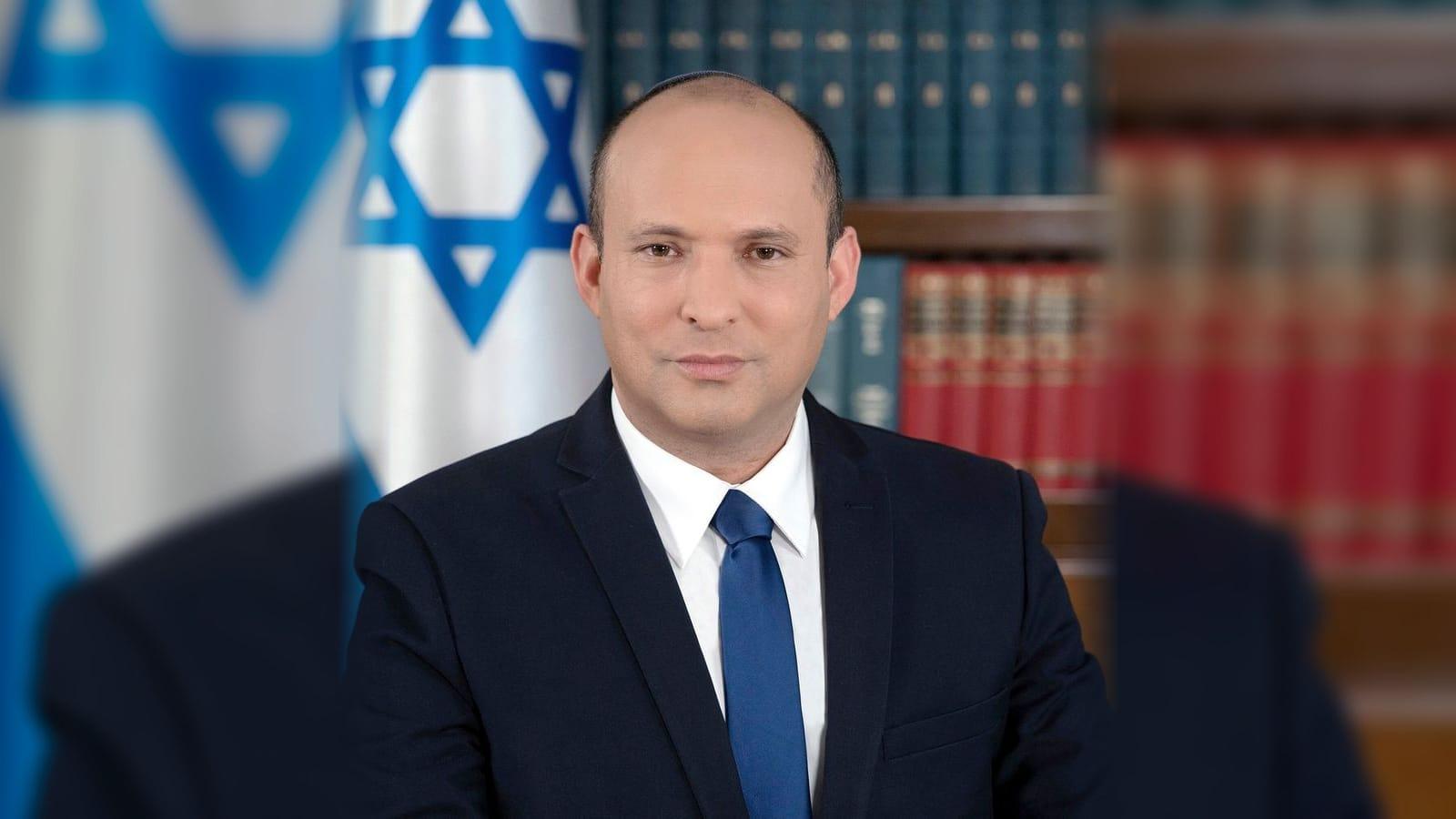
Naftali Bennett. File photo by Avi Ohayon, CC BY-SA 3.0, via Wikimedia Commons.
Former prime minister Naftali Bennett, who heads a party called Beyachad ("Together"), has welcomed an announcement by Prime Minister Benjamin Netanyahu that he is prepared to join a unity government led first by Gadi Eisenkot. Bennett wrote on X that Netanyahu had made the right decision, describing the proposed government as one built on what he called an alliance of those who serve. The Times of Israel characterised the response as cautious, framing Netanyahu's move as an offer of a rotation arrangement with Eisenkot.
Alongside the welcome, Bennett laid out a list of principles he said a unity government must adopt. N12 political correspondent Dafna Liel reported that these include establishing a state commission of inquiry, limiting a prime minister's tenure to 8 years, reaching agreement on the judicial system while halting the judicial overhaul laws from taking effect, and advancing what Bennett calls the "revolution of those who serve". News.co.il's version of the statement adds commitments to look after soldiers, meet the needs of the Israel Defense Forces (IDF) and allow Israel to protect its citizens from its enemies.
What the sources posted

נתניהו קיבל את ההחלטה הנכונה כשהודיע כי מוכן לממשלת אחדות בראשות איזנקוט תחילה, ממשלה על בסיס ברית המשרתים. ליבת ממשלה כזו היא מפלגות המייצגות את הציבור הציוני המשרת. לא נהיה תלויים במפלגות קצה לא ציוניות. הציבור המשרת והעובד יקבל מחדש את ההובלה של מדינת ישראל מידיי מפלגות Show more


בנט: נתניהו קיבל החלטה נכונה, חובת ההוכחה שמדובר בכוונה אמיתית ולא במס שפתיים היא עליו @yaara_shapira kan.org.il/content/kan-ne…
On the ground

🔴 BREAKING: Israeli Prime Minister Benjamin Netanyahu says he is willing to serve second in a rotating premiership agreement with Gadi Eisenkot, urging immediate negotiations to form a unity government.

What a rotation government means
In Israeli politics, a rotation agreement splits a single government term between two leaders, each serving as prime minister for part of it. Under the arrangement Netanyahu has signalled he would accept, according to Bennett's account of it, Eisenkot would hold the post first. Eisenkot is a former IDF chief of staff who entered politics after leaving the military. Neither Bennett's statement nor the reports describe how long each turn would last or when a handover would take place.
Bennett's warnings to Netanyahu
Bennett paired his approval with explicit distrust. Kan News, the public broadcaster, reported his line that the burden now falls on Netanyahu to show the offer reflects real intent and is not mere lip service. In his post, Bennett also wrote that foot-dragging or empty negotiations designed to block the formation of a government without Netanyahu must not be allowed, adding that time is short.
He said he would conduct himself according to an old Hebrew maxim, which translates roughly as "respect him, suspect him, and suspect him again". Ynet's news alert led on the same two points: that Netanyahu's decision was correct and that no time-wasting could be permitted.
Get an email the day Israel has a new government.
Coalition talks can take weeks. When a government is sworn in, Israel.com's newsroom emails who leads it, which parties are in and who got which ministry, then the Friday email each week. Free, and one click unsubscribes.
One list, unsubscribe in a click. See our privacy policy.
The "serving public" and the ultra-Orthodox parties
A central theme of Bennett's statement is the idea of the "serving public", a term used in Israel for citizens who do military or national service. The phrase is frequently set against the ultra-Orthodox, or Haredi, community, much of which does not serve in the army, a long-running source of political dispute.
Bennett wrote that the core of a unity government should be parties representing the Zionist serving public, and that it would not depend on what he termed extreme, non-Zionist, sectoral parties. He said the working and serving public would take back leadership of the country from such parties. He did not name the parties he meant.
File photo
Next story Elections
Bennett tells Netanyahu he will bear consequences if Eisenkot unity bid stalls
Commentator Amit Segal, writing on his Telegram channel, singled out this passage as the key one, interpreting it to mean that the Haredi parties would enter any such coalition with reduced leverage. That reading is Segal's analysis rather than something Bennett stated.
The conditions in context
A state commission of inquiry is the most senior form of official investigation under Israeli law, with powers to summon witnesses and issue findings on the conduct of officials. Calls for one have been a recurring opposition demand. The statement as reported does not specify what the commission would examine.
The judicial overhaul refers to a package of legislation advanced by Netanyahu's government to change the powers of the courts and the way judges are appointed. It prompted large protests inside Israel. Bennett's condition, as reported by N12 and News.co.il, is that the laws be stopped from coming into force while the parties seek agreement on the judicial system.
A cap of 8 years on a prime minister's time in office would be a new constraint in Israel, where no such limit currently applies. The News.co.il text of this clause uses a different Hebrew verb from N12's, which appears to be a transcription variation; N12 and the other reports describe it as a limit on tenure.
What the reports do not say
None of the reports carries a response from Netanyahu, Eisenkot or the ultra-Orthodox parties to Bennett's conditions. It is also not reported whether Netanyahu has accepted any of the principles Bennett set out, what timetable is envisaged for negotiations, or whether formal talks between the parties have begun.
People in this story: Naftali Bennett, Benjamin Netanyahu, Gadi Eisenkot, Amit Segal
Read next
All government →
File photo
Elections
Bennett pledges to back an Eisenkot-led government and rules out Netanyahu
File photo
Elections
Netanyahu tells Bennett, Eisenkot and Liberman Israel faces a historic crossroads

File photo
Elections
Yair Golan tells Bennett not to join Netanyahu, even in a rotation deal

File photo
Security
Ben Gvir widens attack on Mansour Abbas Hamas move to Eisenkot and Bennett
See Israel.com first in Google's top stories.Add it as a preferred source on Google
Sources and further reading
Every link below was opened and checked when this page was written. Official statements are marked as such: they are the subject's own account, not an independent one.
- Officialbennettx.comNaftali Bennett on X
- Reportingyediotht.meYnet alerts
- Reportingtoitimesofisrael.comThe Times of Israel
- Reportingamitsegalt.meAmit Segal
- Reportingamitsegalt.meAmit Segal
- Reportingnewssilt.meNews.co.il
- Reportingkeshett.meN12
- Reportingkanx.comKan News on X
How we checked this
Bennett's statement was reported by Ynet, The Times of Israel, N12, Kan News, News.co.il and commentator Amit Segal, and posted by Bennett himself on X. The interpretation that Haredi parties would lose leverage is Amit Segal's analysis alone.
Our sourcing and corrections policy →The week from Israel, in one email
The stories that mattered, sourced and checked by the Israel.com newsroom. Free, weekly, one-click unsubscribe.
One list, unsubscribe in a click. See our privacy policy.

Israel.com is free, and readers like you keep it that way.
The Israel.com newsroom checks every story against its sources and publishes it free. If this one helped, a contribution of any size keeps the next one free too.
One payment, nothing to sign up for. Another amountGive monthly
Latest
File photo

File photo
File photo

File photo

File photo

Illustration