CNN: US strike plans for Iran include the 'mother of all bombs'
US officials told CNN the military has drawn up options using the MOAB against Iranian energy and nuclear sites, though they doubt it can reach deeply buried facilities.
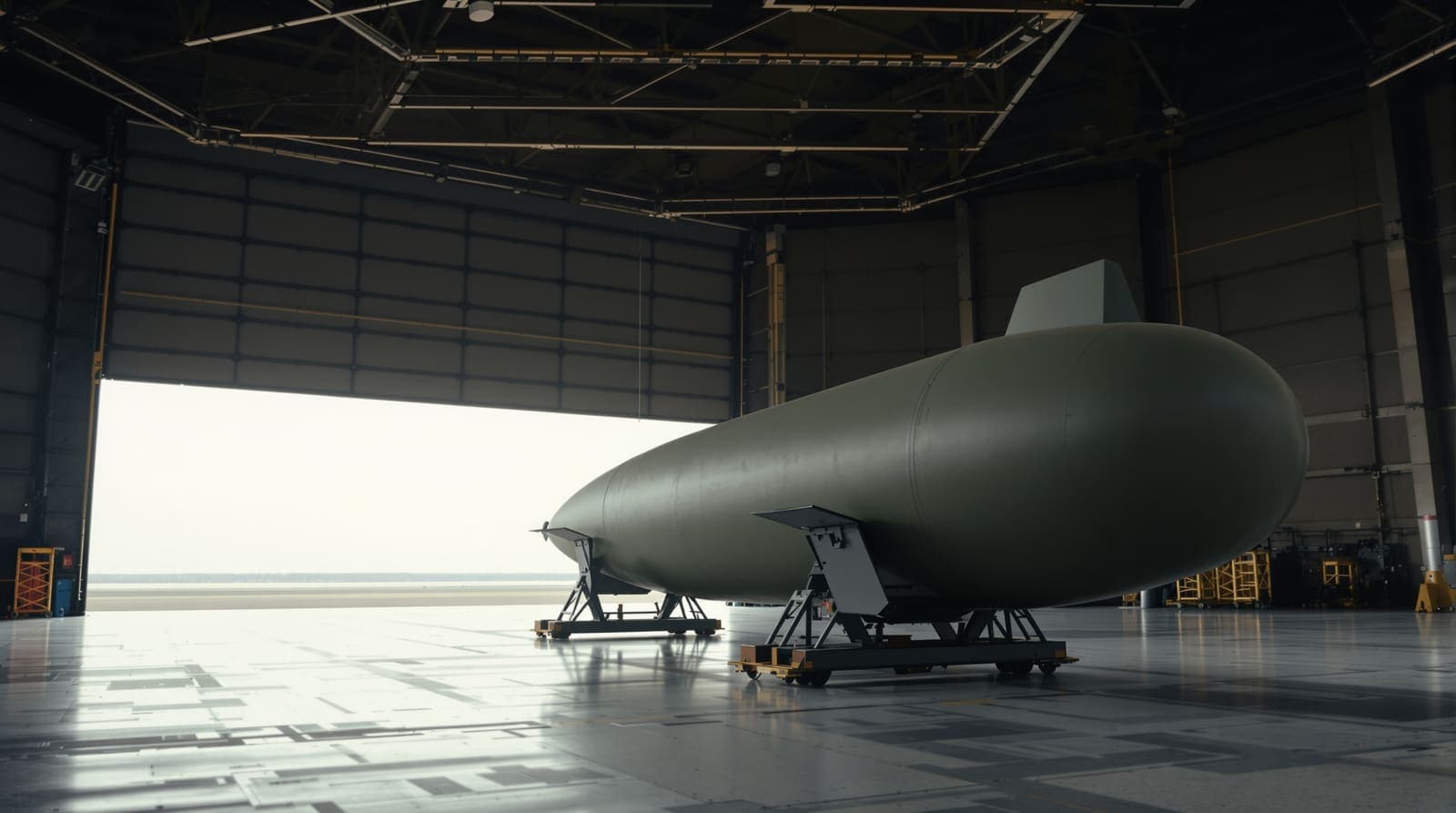
AI illustration, not a photo of the events.
The United States military has prepared strike plans against Iran that include the possible use of the GBU-43/B Massive Ordnance Air Blast bomb, widely nicknamed the "mother of all bombs", according to a CNN report cited by several Israeli outlets. The Times of Israel, summarising CNN, reported that the plans cover Iranian energy infrastructure and nuclear sites and would apply if President Donald Trump orders combat operations to resume. CNN based its report on US officials familiar with the matter.
No decision to use the weapon has been reported. Joe Truzman of the Foundation for Defense of Democracies noted that Trump would have to authorise any strike, and that officials doubt the bomb can destroy facilities buried deep underground. The Times of Israel added that Reuters could not immediately verify the CNN report.
What the MOAB is
The MOAB is described in the reports as the largest non-nuclear bomb in the American arsenal. It is a conventional weapon designed to produce a very large blast at or near the surface rather than to penetrate deep into rock or concrete. Ynet reported that the bomb has been dropped in an operational setting only once to date. The Israeli Telegram channel Abu Ali Express, relaying the CNN piece, said the bomb weighs about ten tons and, according to analysts quoted by CNN, can cause heavy damage above ground across an area the size of nine streets, while its effect on underground targets is limited.
The underground problem
The central doubt raised in the coverage is whether a surface blast weapon would achieve Washington's goals against Iran's nuclear programme, parts of which are buried. Ynet identified a possible target as a site known in Hebrew as Har HaMakosh, which translates as "Pickaxe Mountain", an underground Iranian nuclear facility. Abu Ali Express said CNN's report cast doubt on the bomb's usefulness against underground sites of that kind. Ynetnews reported that military sources questioned whether the bomb could change the course of the war.
According to the analysts cited, the weapon's main value may be psychological: the threat of using it, rather than the physical result. Israel Hayom, citing CNN, said the strategy is meant to put heavy psychological pressure on Iran.
Political framing in Washington
Two outlets drew out a political dimension from the CNN report. Israel Hayom wrote that planners hope such a move could provide an exit strategy before the upcoming US midterm elections. Ynet said the language of the report suggests the Americans might declare victory after dropping the bomb and then withdraw their forces. Neither outlet quoted a US official saying this directly, and these readings should be treated as interpretation of CNN's reporting rather than stated policy.
Why this matters to readers following Israel
The reports frame the plans as relevant only if fighting with Iran resumes, which assumes a prior round of hostilities that has paused. The Times of Israel described a potential MOAB deployment as a significant escalation in the conflict. For Israel, whose security establishment treats Iran's nuclear programme as a primary threat, US planning against Iranian nuclear and energy targets is closely watched, and Israeli outlets moved quickly to carry the story on news sites and Telegram alert channels.
Where accounts differ
The reports broadly agree on the core claim but differ in emphasis. Some describe targets as energy infrastructure and nuclear sites in general; Ynet singled out Pickaxe Mountain as a possible target. The Times of Israel attributed the doubts to officials familiar with military planning, while Ynetnews referred to military sources. Hebrew-language alerts from Ynet and the commentator Amit Segal described the bomb's possible use as a first in a conflict with Iran.
What the reports do not say
None of the reports names the US officials CNN spoke to, and there is no on-the-record comment from the Pentagon or the White House in the material. The reports do not say when the plans were drawn up, how many sites are on any target list, which aircraft would deliver the bomb, or whether Israel was consulted. There is no Iranian response in the coverage. The claims about a midterm exit strategy and a declaration of victory rest on single outlets' reading of CNN's report. Above all, no report says that Trump has approved, or is close to approving, any strike.
Sources and further reading
Every link below was opened and checked when this page was written. Official statements are marked as such: they are the subject's own account, not an independent one.
- Reportingyediothynet.co.ilYnet
- Reportingyediotht.meYnet alerts
- Reportingtoitimesofisrael.comThe Times of Israel
- Reportingjpostjpost.comThe Jerusalem Post
- Reportingisraelhayomisraelhayom.comIsrael Hayom
- Reportingisraelhayomisraelhayom.comIsrael Hayom
- Reportingabualiexpresst.meAbu Ali Express
- Reportingamitsegalt.meAmit Segal
- Reportingfddx.comJoe Truzman, FDD
- Reportingyediothynetnews.comYnetnews
How we checked this
The underlying claim comes from a single CNN report citing unnamed US officials, relayed by seven Israeli and US outlets; we have not independently verified it. Details on the bomb's weight and blast area come from Abu Ali Express's summary, and the midterm exit-strategy framing from Israel Hayom alone.
Our sourcing and corrections policy →The week from Israel, in one email
The stories that mattered, sourced and checked by the Israel.com newsroom. Free, weekly, one-click unsubscribe.
One list, unsubscribe in a click. See our privacy policy.
More in Security
All security →
Latest
- Egyptian jet that landed before October 7 carried two businessmen, reports say
- Worker, about 30, dies after forklift accident at Bu'eine Nujeidat factory
- Two arrested as Haredi draft opponents try to enter Bnei Brak Kodkod building
- Boy, 10, dies after recycling bin explosion in Beitar Illit, Ynet reports
- Intel Kiryat Gat blast: one injured worker dies, two others seriously hurt
- Man, 37, taken to Ichilov with penetrating injuries after Tel Aviv assault