Democrats back Gadi Eisenkot for prime minister, completing opposition bloc
Yair Golan's Democrats will recommend Yashar leader Gadi Eisenkot to President Herzog, making him the shared pick of all four Zionist opposition parties.
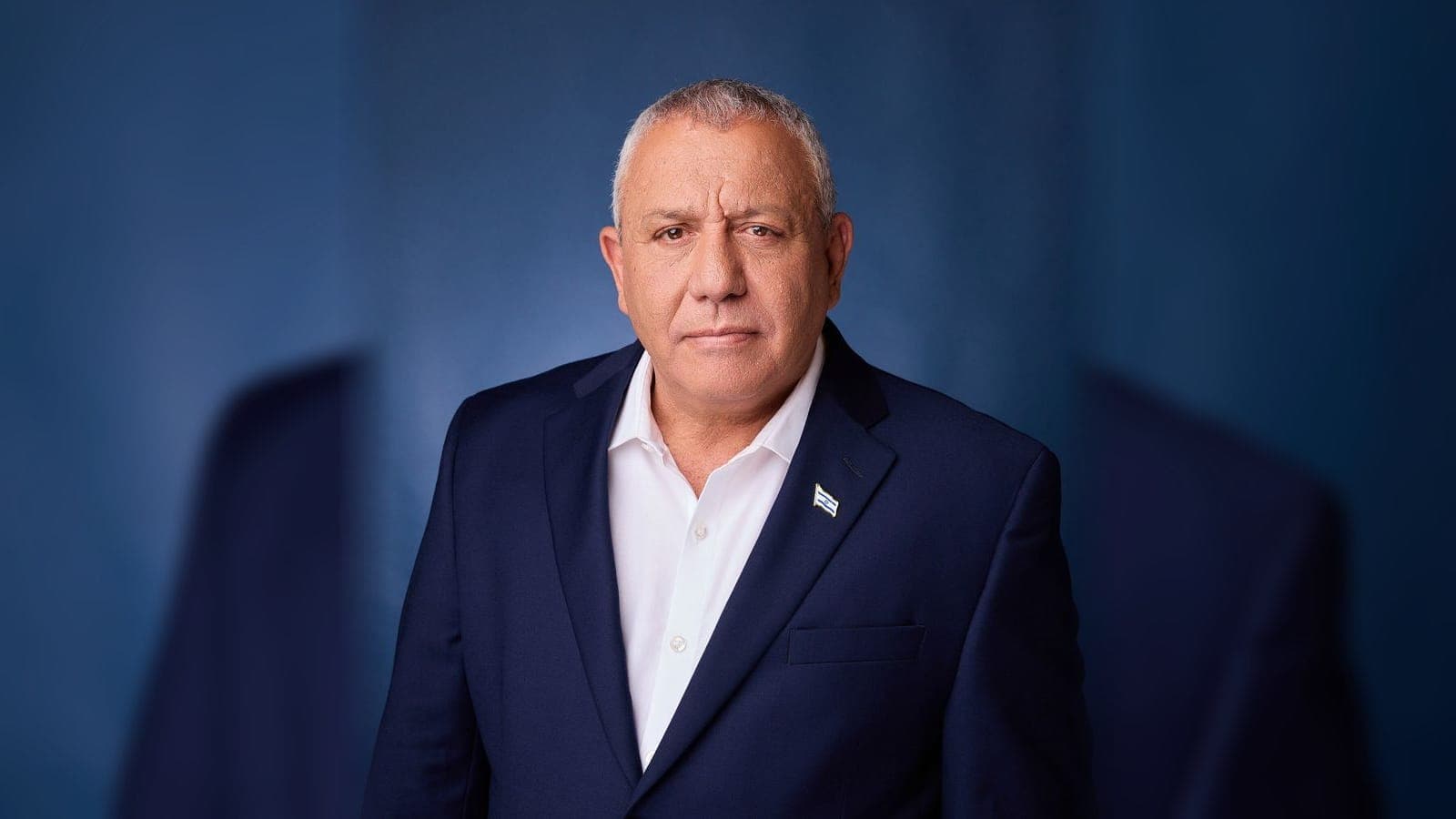
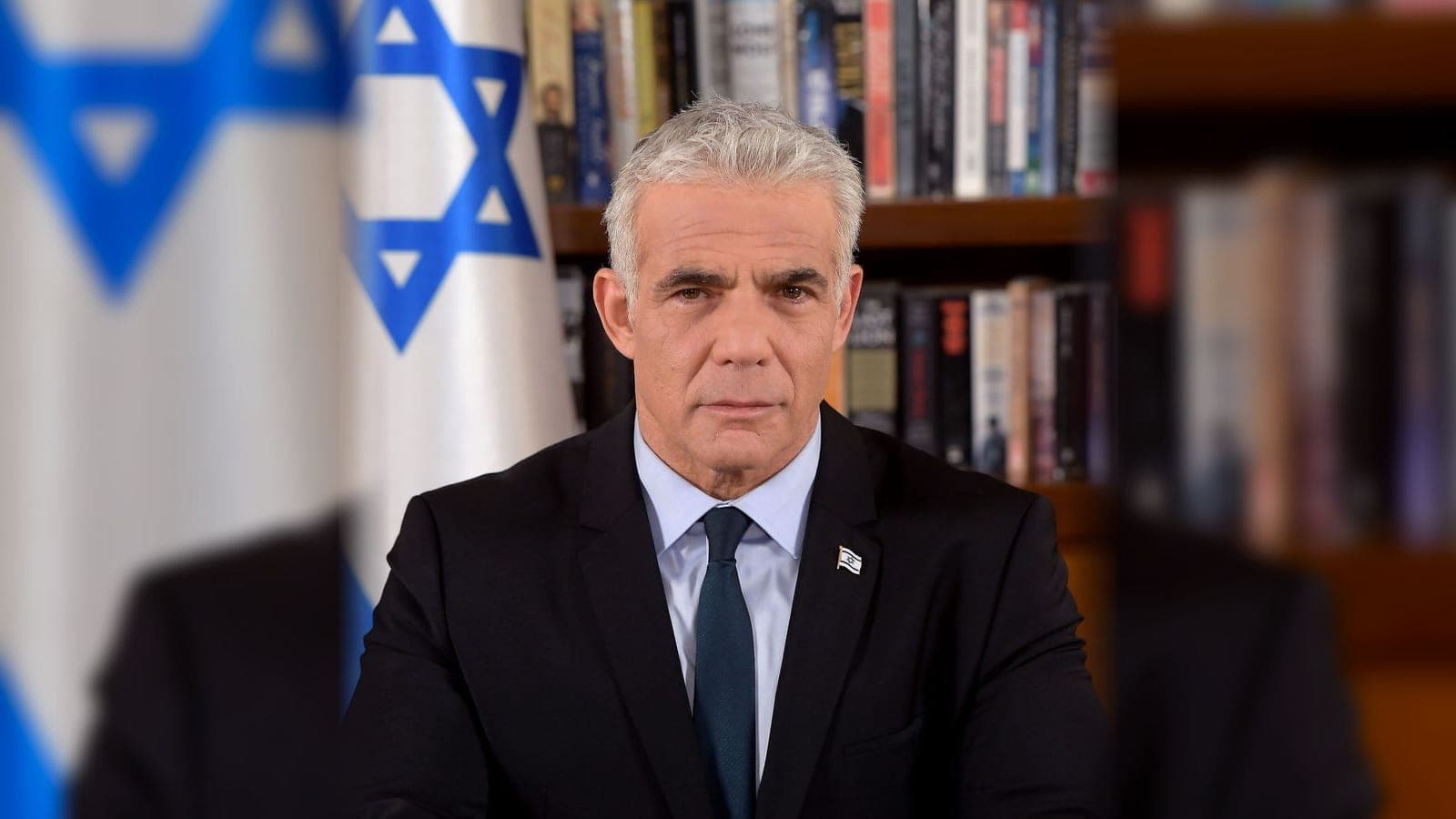
Gadi Eisenkot. File photo by יהב טרודלר (Yahav Trudler - Yahav Studio), CC BY-SA 3.0, via Wikimedia Commons.
The Democrats party has decided to recommend Gadi Eisenkot, chairman of the Yashar party, to President Isaac Herzog as its candidate to form Israel's next government. N12 reported the announcement on Monday afternoon, and Hebrew news channel News.co.il said the decision was taken at the end of a meeting of the party's Knesset faction, as part of the round of recommendations that comes before the president hands out the mandate to build a coalition.
With the move, the Democrats' chairman, Yair Golan, became the last of the leaders of the four-party Zionist opposition bloc to come out publicly for Eisenkot, according to The Times of Israel. Naftali Bennett, who chairs B'Yachad, announced his backing the day before, and Avigdor Liberman, chairman of Yisrael Beytenu, declared his support earlier on Monday, the paper reported. The Jerusalem Post said the Democrats made their position known ahead of their meeting with Herzog.
On the ground

Eisenkot: Will enact Knesset majority; door open to MKs who accept principles haaretz.com/israel-news/el…

🔴 The Democrats party, chaired by Yair Golan, announces support for Eisenkot to form Israel’s next government
How a prime minister is chosen after an Israeli election
Israelis do not vote directly for a prime minister. They vote for party lists in the Knesset, the country's parliament. After the results are in, the president, whose role is largely ceremonial, meets representatives of each party elected to the Knesset and asks whom they recommend to lead the next government. These consultations are known in Hebrew political shorthand as the round of recommendations.
At the end of the round, the president gives one Knesset member the mandate, meaning the formal task of trying to assemble a governing coalition. Because no single party typically wins enough seats to govern alone, the candidate must then negotiate with other parties to secure a parliamentary majority. The mandate does not make someone prime minister; it gives them the first opportunity to try.
The Times of Israel reported that Herzog is widely expected to hand the mandate to whichever candidate collects the largest number of recommendations. That makes each party's declaration a building block in a count that both sides are watching closely.
Get an email the day Israel has a new government.
Coalition talks can take weeks. When a government is sworn in, Israel.com's newsroom emails who leads it, which parties are in and who got which ministry, then the Friday email each week. Free, and one click unsubscribes.
One list, unsubscribe in a click. See our privacy policy.
The parties lining up behind Eisenkot
Eisenkot leads Yashar, a party that took part in the 2026 general election. A photograph published by The Jerusalem Post shows him with members of his party at its election headquarters in Tel Aviv on election night, October 28, 2026, after polls closed and exit poll results were released.
The four parties that The Times of Israel describes as the Zionist opposition bloc are Yashar itself, the Democrats under Golan, B'Yachad under Bennett and Yisrael Beytenu under Liberman. All four have now said they will name Eisenkot. The term "Zionist opposition" is commonly used in Israeli political reporting to distinguish these parties from other parties outside the current governing camp, including Arab-majority parties, which are counted separately when blocs are discussed.
The Democrats' formal step, a vote at the end of a faction meeting, as reported by News.co.il, is the routine way an Israeli party settles its recommendation before its delegation goes to the president's residence in Jerusalem.
Next story Elections
Likud says Gadi Eisenkot is breaking promises in bid to form a government
The other side of the count
The recommendations are not all going one way. The Times of Israel's live coverage on the same day carried reports that Shas, the ultra-Orthodox party, will recommend Benjamin Netanyahu as the next prime minister. The same coverage noted that Netanyahu had posted a claim from his Likud party of a "dark cloud" hanging over the election results. The material does not explain what Likud meant by the phrase or what, if anything, it is disputing.
The Democrats' announcement therefore adds to one tally in a contest in which Netanyahu's camp is gathering recommendations of its own. Which candidate ends up with more is the question the round of consultations is designed to answer, and the reports reviewed here do not settle it.
What the reports do not say
None of the reports gives a seat count for the Democrats, for Yashar or for the opposition bloc as a whole, and none states how many Knesset members have so far recommended either Eisenkot or Netanyahu. It is therefore not possible, from this material, to say whether the four-party bloc's recommendations add up to more than those for Netanyahu.
The reports do not quote Golan or any other Democrats lawmaker directly on the reasons for the decision, and they do not say whether the party attached conditions to its support. They do not say when exactly the Democrats were due to meet Herzog, beyond The Jerusalem Post's note that the announcement came ahead of that meeting.
The reports also do not say how other parties, beyond Shas and the four opposition parties, intend to recommend, or when Herzog is expected to finish his consultations and announce whom he is tasking with forming a government. The meaning of Likud's "dark cloud" remark, and whether it relates to any formal challenge to the results, is not explained in the material.
Read next
All government →
File photo
Security
Shin Bet to oversee Gadi Eisenkot's security through Unit 730-directed guards
File photo
Government
Jewish Democrats push back as Haley Stevens endorses Republican Mike Rogers
File photo
Elections
Liberman backs Eisenkot for PM, Lapid for speaker, rules out Netanyahu
File photo
Elections
Lapid and Eisenkot meet after Knesset election to coordinate next steps
Sources and further reading
Every link below was opened and checked when this page was written. Official statements are marked as such: they are the subject's own account, not an independent one.
- Reportingtoitimesofisrael.comThe Times of Israel
- Reportingjpostjpost.comThe Jerusalem Post
- Reportingnewssilt.meNews.co.il
- Reportingkeshett.meN12
- Reportingkeshett.meN12
How we checked this
The Democrats' decision was reported independently by N12, News.co.il, The Times of Israel and The Jerusalem Post. The framing of Golan as the last of the four opposition leaders to back Eisenkot, and the reports on Shas and Likud, come from The Times of Israel alone.
Our sourcing and corrections policy →The week from Israel, in one email
The stories that mattered, sourced and checked by the Israel.com newsroom. Free, weekly, one-click unsubscribe.
One list, unsubscribe in a click. See our privacy policy.

Israel.com is free, and readers like you keep it that way.
The Israel.com newsroom checks every story against its sources and publishes it free. If this one helped, a contribution of any size keeps the next one free too.
One payment, nothing to sign up for. Another amountGive monthly
Latest
- Likud asks Israel's election chief for a Shin Bet briefing before results are certified
- Iran's president says Tehran will seek dialogue but resist excessive demands
- Shas plans to recommend Netanyahu to the president to form the next government
- Herzog to open coalition consultations with Israel's smallest parties first
- Tucker Carlson claims Netanyahu is pressing Trump to strike Iran
- Beit She'an police officer charged with sexual offences against two policewomen