Lapid and Eisenkot meet after Knesset election to coordinate next steps
Yair Lapid and Gadi Eisenkot held their first publicly acknowledged meeting since the Knesset elections, saying they discussed the results and coordinated moves.
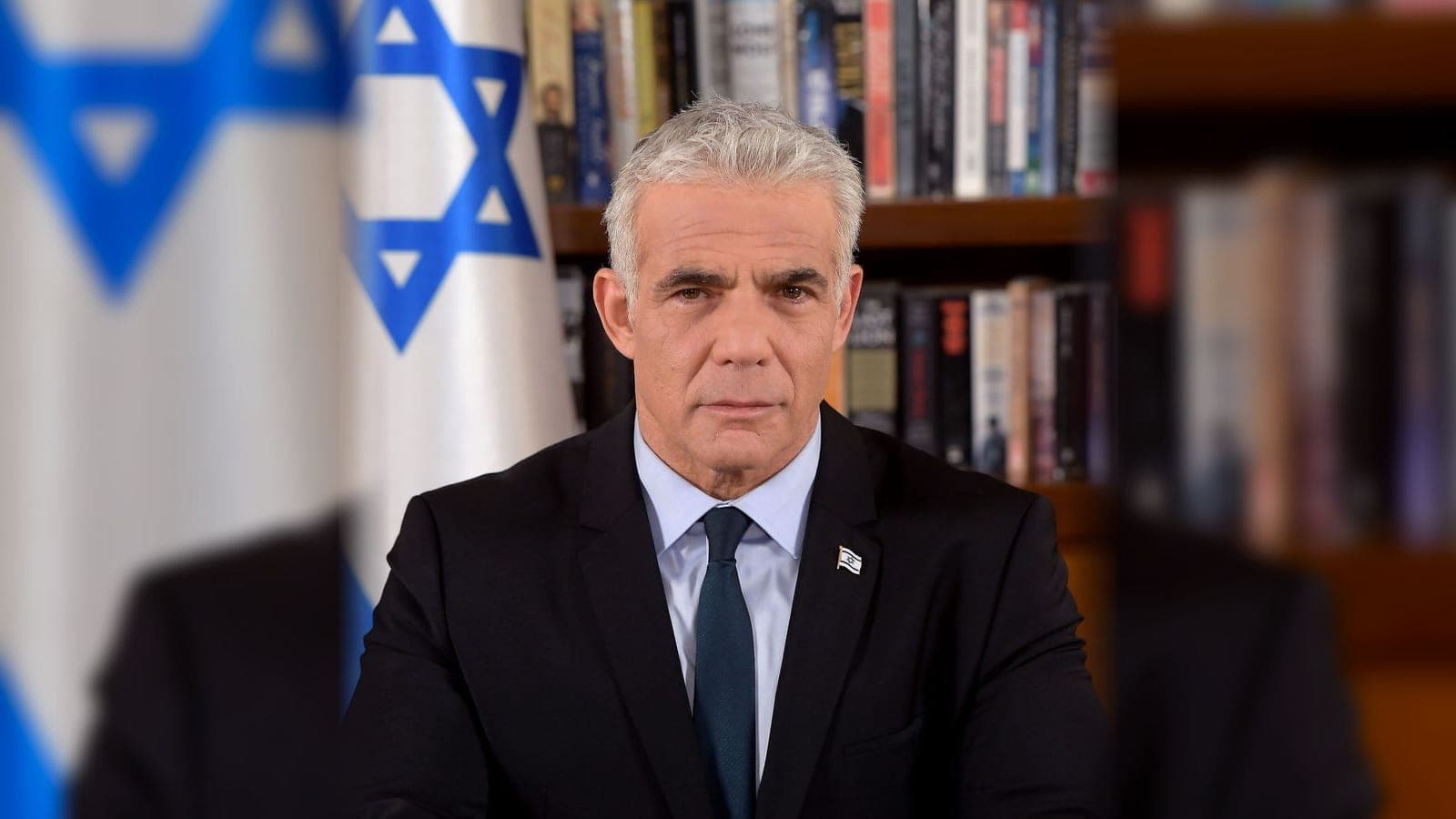
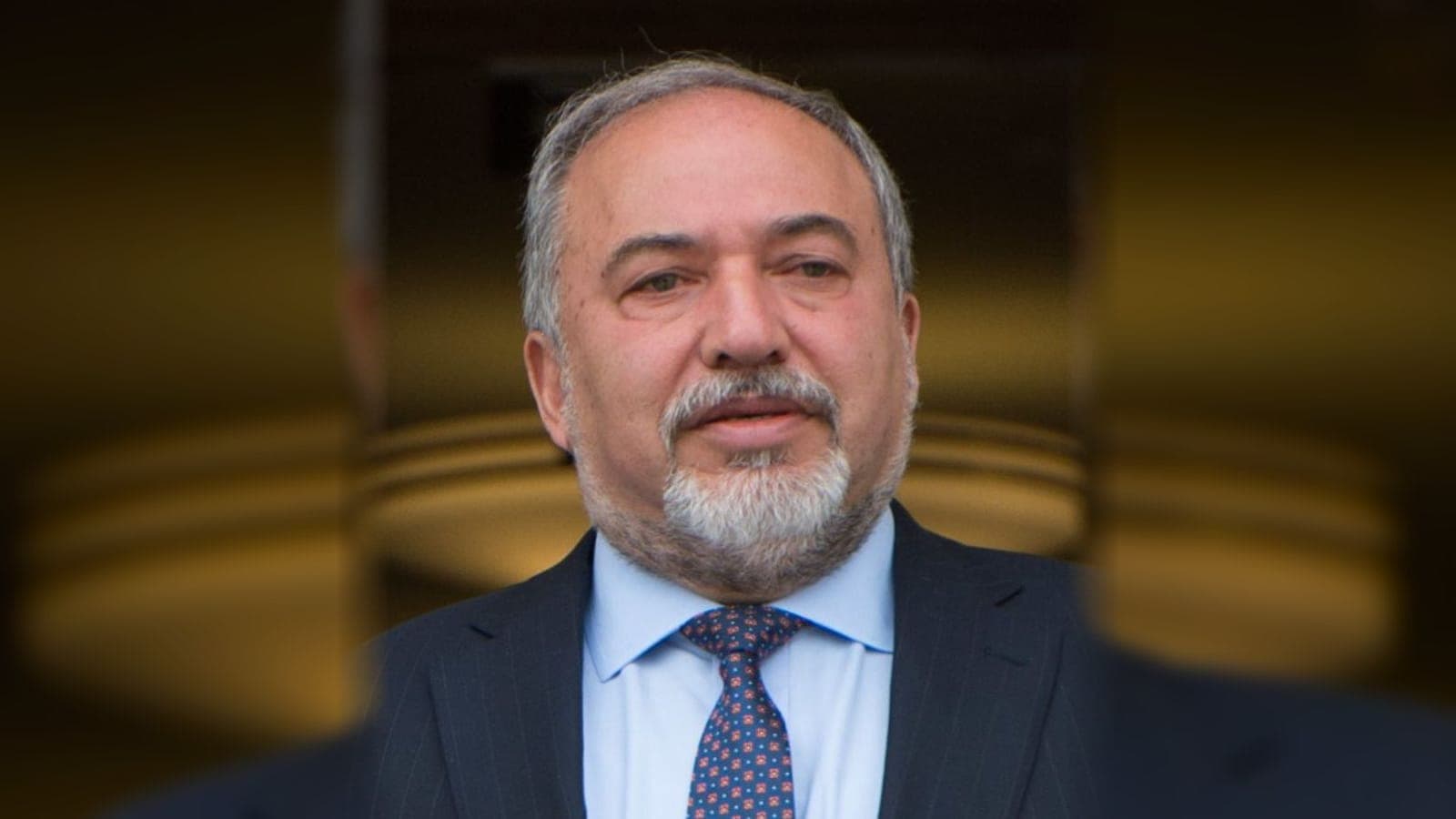
Yair Lapid. File photo by Avi Ohayon, CC BY-SA 3.0, via Wikimedia Commons.
Yair Lapid, the former prime minister, and Gadi Eisenkot, chairman of the Yashar party, met in the evening to discuss the outcome of Israel's parliamentary elections, according to several Israeli outlets. The Times of Israel reported that Lapid himself announced the meeting, and that it was the first time the two had acknowledged meeting in public since Tuesday's vote for the Knesset.
A short statement on the talks, carried in similar form by several outlets, said the pair reviewed the election results and coordinated their next steps. In the account given by Lapid, as quoted by The Times of Israel, the two acted out of a joint commitment to "realize the will of the voter." Political commentator Amit Segal posted the same statement in Hebrew, framing the meeting as Eisenkot sitting down with Lapid, while Ynet's news alert summarised it as the two having coordinated moves.
On the ground

Eisenkot sets conditions for coalition, vows to use Knesset majority to reverse Netanyahu policies After meeting Yair Lapid, Yashar! chief welcomes any MK backing universal service and dismantling Hamas' rule in Gaza; he vows to av... ynetnews.com/article/by6ffo…

Who the two politicians are
Lapid served as Israel's prime minister and, before this election, led the parliamentary opposition. A photograph used by The Times of Israel to illustrate the story, dated September 7, 2025, shows him in that role meeting Eisenkot, who at the time was a former member of the Knesset. In its report, The Times of Israel described Lapid as the number two on a list called B'Yachad, a Hebrew word meaning "together." The reports do not explain the composition of that list or who heads it.
Eisenkot is a former chief of staff of the Israel Defense Forces who entered politics after leaving the military. He now chairs a party named Yashar, Hebrew for "straight" or "honest," written by N12 with an exclamation mark as "Yashar!"
What happens after an Israeli election
The Knesset is Israel's single-chamber parliament. Israeli elections are fought on national party lists, and no party has historically won a majority on its own, so governments are formed by coalitions. In the days after a vote, party leaders typically meet to test possible alliances before the president consults the factions and asks one member to try to assemble a government. Meetings like this one are part of that early sounding-out phase, and joint statements are often worded in general terms.
Get an email the day Israel has a new government.
Coalition talks can take weeks. When a government is sworn in, Israel.com's newsroom emails who leads it, which parties are in and who got which ministry, then the Friday email each week. Free, and one click unsubscribes.
One list, unsubscribe in a click. See our privacy policy.
The phrase about realizing the will of the voter is common in Israeli post-election politics, where each camp argues that the results give it a mandate. The statement released after this meeting did not say what that will is or what the coordinated moves involve.
Lapid's next meeting
N12 political correspondent Dafna Liel reported that Lapid is due to meet Avigdor Liberman, chairman of the Yisrael Beytenu party, the following day. Liberman, a veteran right-wing politician whose party draws much of its support from Russian-speaking Israelis, has been part of past efforts to form governments without the Likud party.
Next story Security
Lapid says Knesset can be sworn in after meeting Shin Bet chief David Zini
Separately, The Times of Israel's live coverage on the same day carried a claim by Liberman that he had received several approaches about becoming Speaker of the Knesset, the official who presides over the parliament, but that he was not interested in the post.
What the reports do not say
None of the reports give the election results or say how many seats either politician's list won. They do not describe any agreement reached between Lapid and Eisenkot, whether they discussed a joint bid to form a government, or whether they intend to recommend a particular candidate for prime minister.
The reports also do not say where the meeting took place, how long it lasted, or who else attended. The account rests on a single short statement, which The Times of Israel attributes to Lapid; the Hebrew outlets quote the same wording without naming its author. No comment from Eisenkot beyond that shared statement appears in the material, and the content of Lapid's planned talks with Liberman has not been reported.
Read next
All elections →
File photo
Elections
Lapid claims 'a win on points' as his share of Bennett merger falls to 5 seats
File photo
Government
Israel's opposition weighs replacing Knesset speaker Ohana, with Lapid floated
File photo
Elections
Katz says Lapid, Bennett and Golan will carry blame for any pre-election attack
File photo
Government
Avigdor Liberman says he has no desire to become Knesset speaker
Sources and further reading
Every link below was opened and checked when this page was written. Official statements are marked as such: they are the subject's own account, not an independent one.
- Reportingyediotht.meYnet alerts
- Reportingtoitimesofisrael.comThe Times of Israel
- Reportingamitsegalt.meAmit Segal
- Reportingkeshett.meN12
How we checked this
The meeting was reported by Ynet, The Times of Israel, N12 and commentator Amit Segal, all citing the same brief statement. The planned Lapid and Liberman meeting is reported only by N12, and the description of Lapid as B'Yachad's number two comes only from The Times of Israel.
Our sourcing and corrections policy →The week from Israel, in one email
The stories that mattered, sourced and checked by the Israel.com newsroom. Free, weekly, one-click unsubscribe.
One list, unsubscribe in a click. See our privacy policy.

Israel.com is free, and readers like you keep it that way.
The Israel.com newsroom checks every story against its sources and publishes it free. If this one helped, a contribution of any size keeps the next one free too.
One payment, nothing to sign up for. Another amountGive monthly
Latest
- Iran's Rezaei says he read Vance letter and is debating nuclear doctrine
- France reports 320,000 protesters as clashes erupt in Paris and Marseille
- Rubio: Trump undecided on Iran strikes; any deal must address nuclear concerns
- Eisenkot sets four conditions for coalition partners after Israel's election
- US Embassy warns of credible mass casualty threat at Moscow's Tsaritsyno museum
- Khamenei orders unlimited response to attack at meeting with three top commanders