Eisenkot and Bennett talks end without deal as accounts of progress differ
Eisenkot's party says talks continue with no breakthrough, while The Jerusalem Post reports progress; no coalition agreement has been signed.
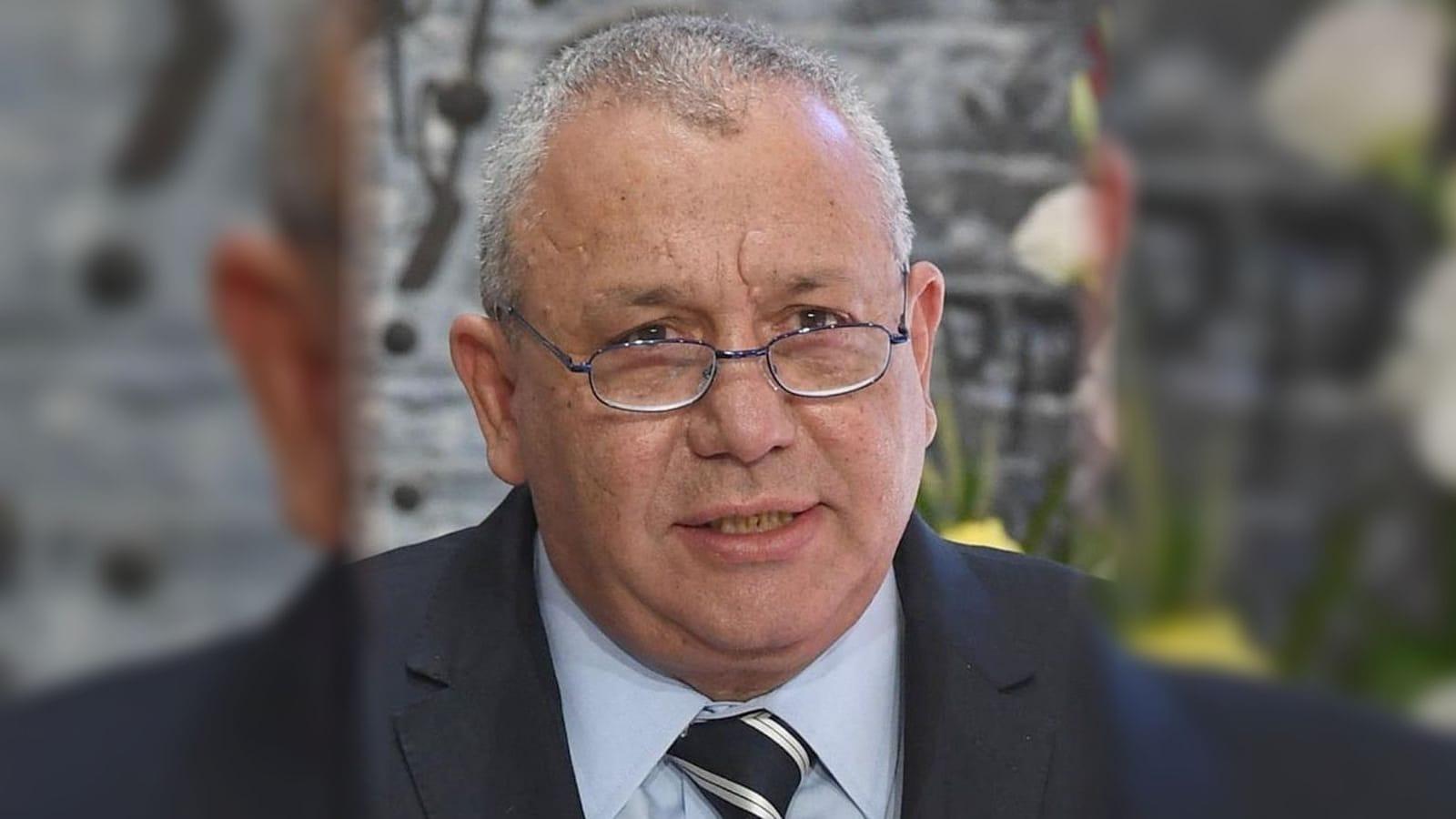
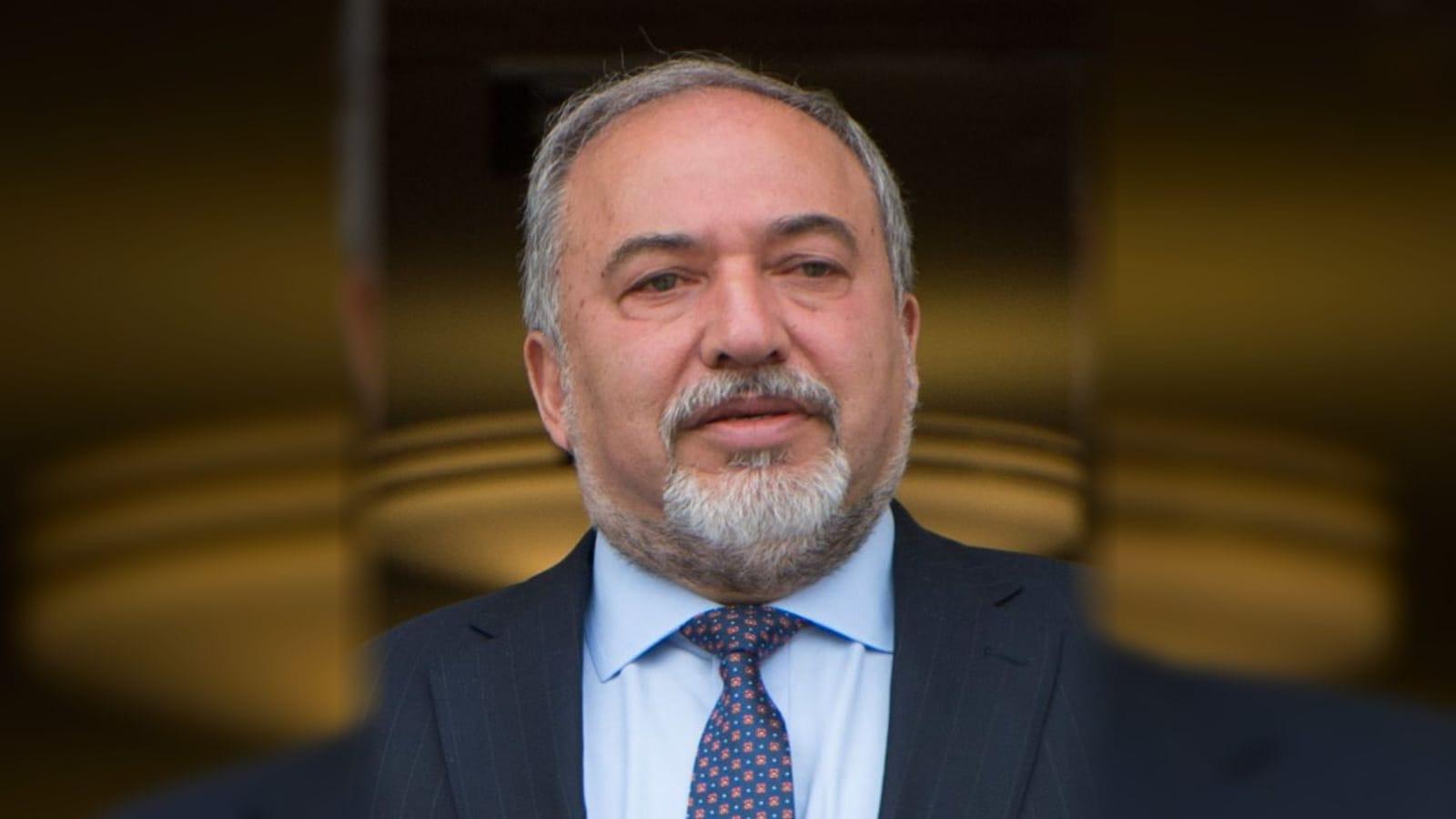
Gadi Eisenkot. File photo by Mark Neyman, CC BY-SA 3.0, via Wikimedia Commons.
One update since publication
- Eisenkot's party says no breakthrough; The Jerusalem Post reports progress and calls the talks lengthy.
This story is being added to as it develops. Earlier text is kept below the updates rather than rewritten, so what this page said at each point is still on it.
Update, 29 November, 18:07 Israel time
Two further outlets have reported on the end of the Eisenkot and Bennett meeting, and they characterise its outcome differently. The Times of Israel reported that Eisenkot's party said negotiations were continuing and that no breakthrough was seen. This is the first account in our reporting attributed specifically to Eisenkot's party rather than to the joint statement.
The Jerusalem Post, by contrast, said Bennett and Eisenkot had made progress in their coalition talks, while agreeing that the two sides had not reached a deal. The Jerusalem Post also described the talks as lengthy. That differs from the earlier Ynet alert, which said the meeting was over in less than an hour, and from The Times of Israel's earlier description of the encounter as brief.
What the sources posted


הסתיימה פגישת איזנקוט ובנט, צוותי המו"מ ממשיכים לעבוד על הסכם קואליציוני @glick_sh
The material available to us from both outlets consists of headlines only. It does not say what progress The Jerusalem Post was referring to, who assessed it, or whether its description of the talks as lengthy refers to the leaders' meeting or to the wider negotiations between the party teams. All reports still agree that no coalition agreement has been signed.
The story as first reported
A face-to-face meeting between Gadi Eisenkot and Naftali Bennett ended without a signed coalition agreement, according to several Israeli news outlets. Ynet reported in a news alert that the meeting was over in less than an hour, and The Times of Israel described the encounter as brief, framing it against a backdrop of fading prospects for a unity government.
After the meeting, the two men put out a joint statement. N12 political correspondent Dafna Liel reported that the statement said talks between the parties' teams were continuing "at this hour", and that no coalition agreement had yet been signed. Kan, the public broadcaster, said the negotiators were still working on a coalition deal, and a later Ynet alert likewise said the teams were pressing on with discussions and that nothing had been signed.
Get an email the day Israel has a new government.
Coalition talks can take weeks. When a government is sworn in, Israel.com's newsroom emails who leads it, which parties are in and who got which ministry, then the Friday email each week. Free, and one click unsubscribes.
One list, unsubscribe in a click. See our privacy policy.
Who the two leaders are
Gadi Eisenkot is a former chief of staff of the Israel Defense Forces (IDF), the country's military, who moved into politics after leaving the army. Naftali Bennett is a former prime minister of Israel who heads his own party. Each leads a separate faction, which is why the talks are being conducted by two sets of negotiators rather than within a single party.
The reports do not describe the meeting itself in any detail. They agree on three points: the two leaders met directly, the meeting was short, and the work of reaching a written agreement has been handed back to the party teams.
What a coalition agreement is
No single party has historically won enough seats in the Knesset, Israel's parliament, to govern alone. Governments are therefore formed by coalitions, and the parties joining them usually set out their terms in signed coalition agreements. These documents typically cover which ministries each partner receives, policy commitments, and how decisions will be made inside the government.
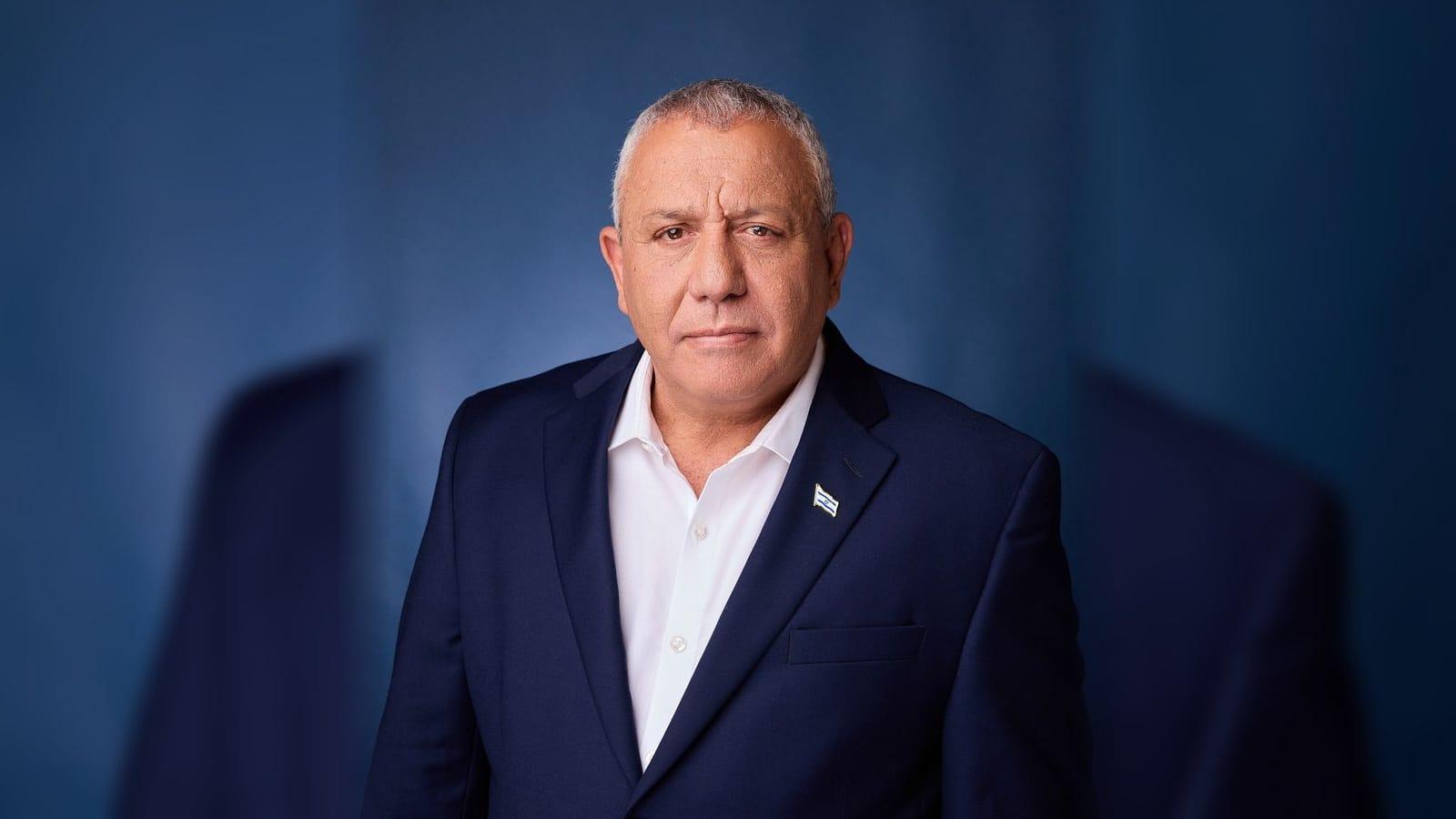
File photo
Next story Government
Eisenkot's draft cabinet: Lieberman at defence, Bennett at finance
Negotiating teams, made up of party officials and advisers, usually handle the detailed drafting, while party leaders meet to settle the issues their teams cannot resolve. A short leaders' meeting followed by a statement that the teams are still talking is a familiar pattern in Israeli coalition building, and on its own it does not indicate whether a deal is close or stalled.
The unity government question
The Times of Israel headline linked the meeting to prospects for a unity government, saying those prospects were fading. In Israeli politics, a unity government generally refers to a broad coalition that brings together parties from rival camps. The Times of Israel item available to us consisted of its headline only, so it is not clear from the material which parties such a government would include or what has reduced its chances. None of the other outlets made the same assessment, and the joint statement from Eisenkot and Bennett did not mention it.
How the reports compare
The outlets broadly agree on the facts. Ynet and The Times of Israel both emphasised how short the meeting was. Political commentator Amit Segal wrote on Telegram that there was still no coalition agreement between the two and that negotiations between the party teams were ongoing. N12 published an initial version of its item quoting the joint statement and then an edited version that added that the two leaders had not yet signed an agreement.
Kan's post said the teams were working toward a coalition agreement, while the other reports stressed that none had been signed. These are two descriptions of the same situation rather than conflicting accounts.
What the reports do not say
None of the reports explains what Eisenkot and Bennett discussed, which issues remain open between their teams, or why the meeting ended so quickly. No timetable for concluding an agreement has been reported. The Times of Israel's assessment that prospects for a unity government are fading is not accompanied, in the material available, by any explanation or sourcing, and no other party has been reported responding to the meeting.
People in this story: Gadi Eisenkot, Naftali Bennett, Amit Segal
Read next
All government →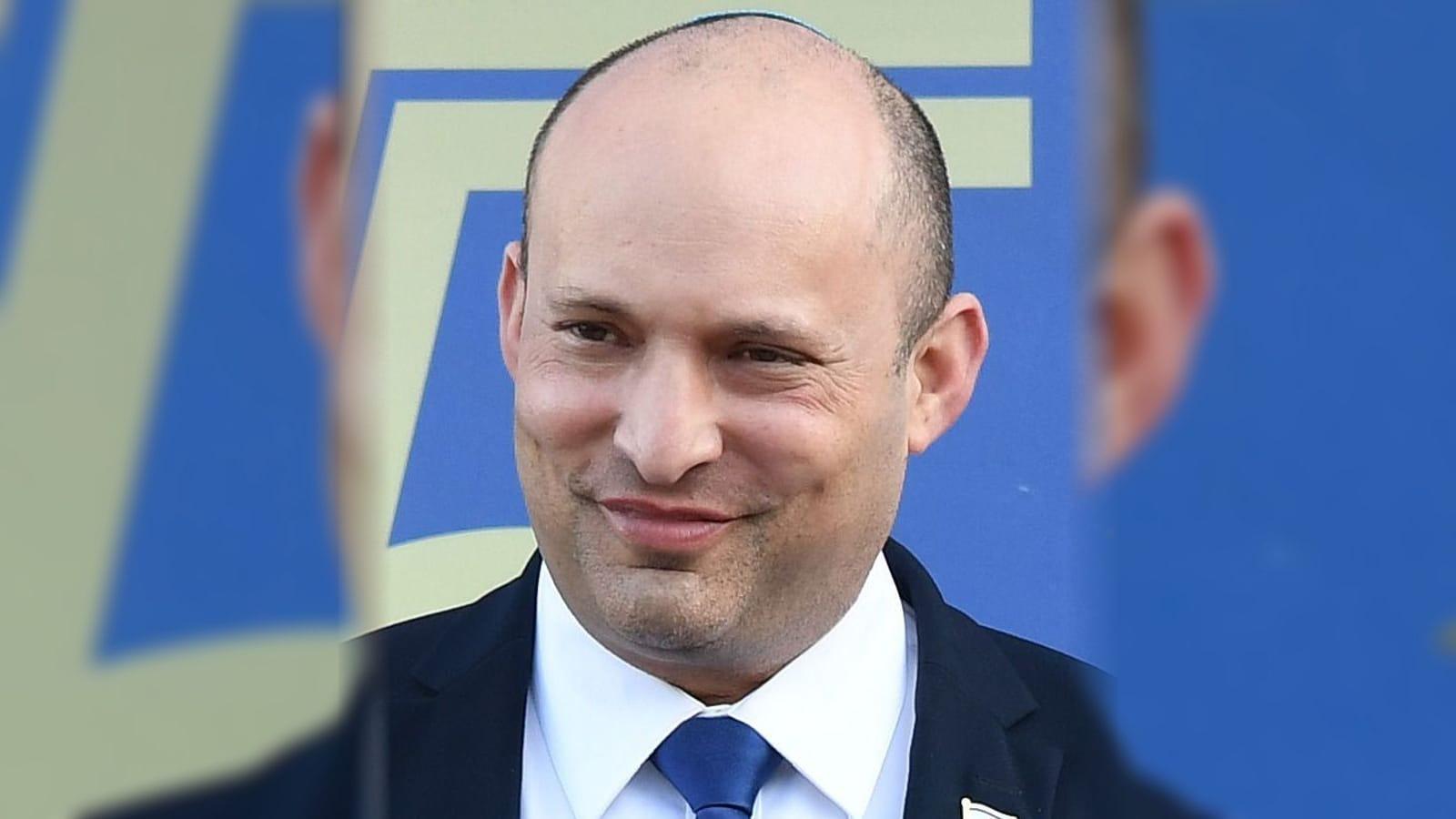
File photo
Government
Bennett arrives at Herzliya hotel for negotiation meeting with Eisenkot
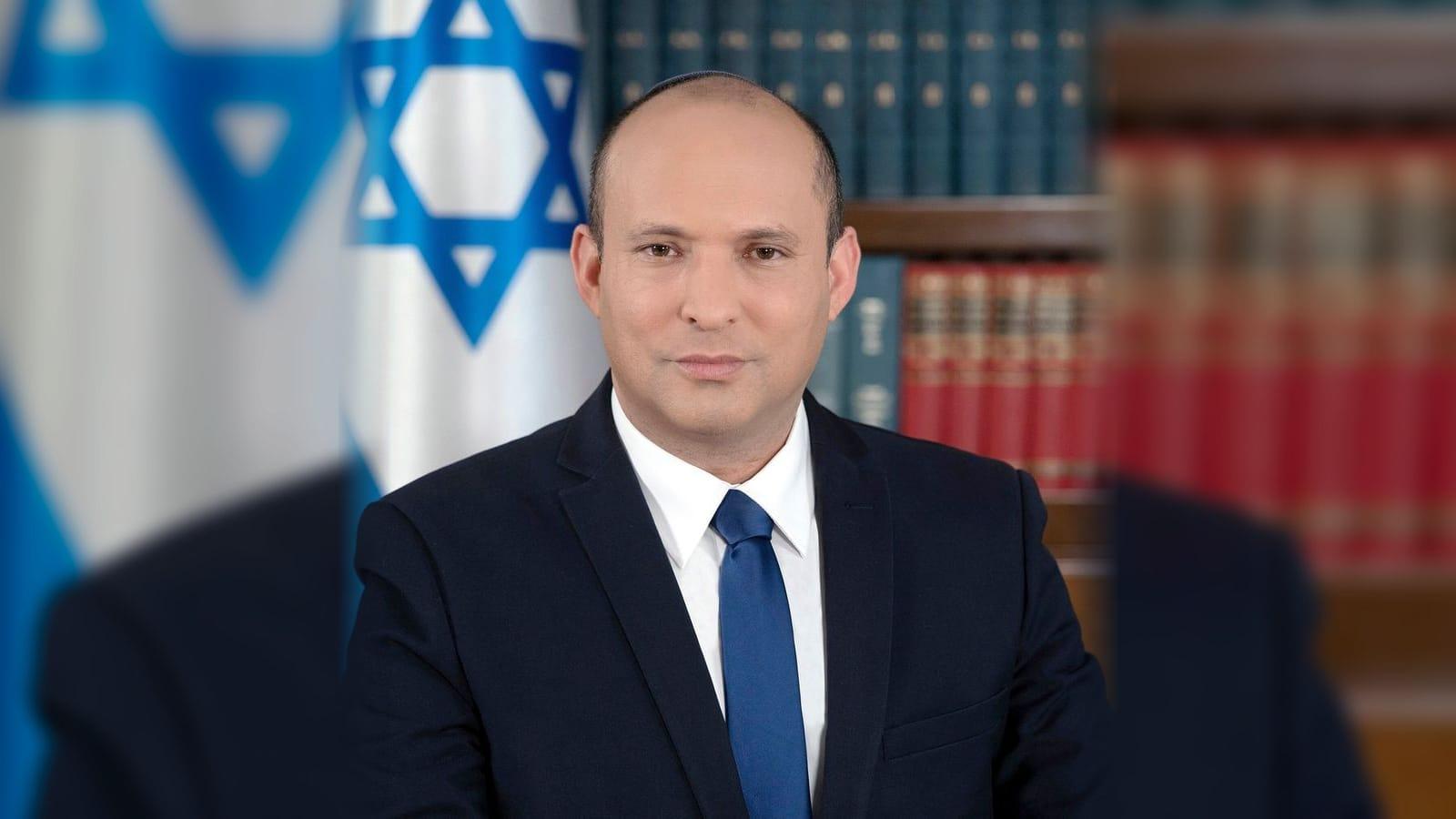
File photo
Government
Bennett welcomes Netanyahu's offer of an Eisenkot-first unity government

File photo
Security
Ben Gvir widens attack on Mansour Abbas Hamas move to Eisenkot and Bennett
File photo
Government
Liberman asks Bennett why he now trusts Netanyahu on a unity government
See Israel.com first in Google's top stories.Add it as a preferred source on Google
Sources and further reading
Every link below was opened and checked when this page was written. Official statements are marked as such: they are the subject's own account, not an independent one.
- Reportingyediotht.meYnet alerts
- Reportingyediotht.meYnet alerts
- Reportingtoitimesofisrael.comThe Times of Israel
- Reportingamitsegalt.meAmit Segal
- Reportingkeshett.meN12
- Reportingkeshett.meN12
- Reportingkanx.comKan News on X
- Reportingtoitimesofisrael.comThe Times of Israel
- Reportingjpostjpost.comThe Jerusalem Post
How we checked this
Multiple outlets agree the meeting ended with no signed agreement and talks continuing. Whether progress was made, and how long the talks ran, rests on differing single-outlet accounts available only as headlines.
Our sourcing and corrections policy →The week from Israel, in one email
The stories that mattered, sourced and checked by the Israel.com newsroom. Free, weekly, one-click unsubscribe.
One list, unsubscribe in a click. See our privacy policy.

Israel.com is free, and readers like you keep it that way.
The Israel.com newsroom checks every story against its sources and publishes it free. If this one helped, a contribution of any size keeps the next one free too.
One payment, nothing to sign up for. Another amountGive monthly
Latest

Illustration

Illustration

Illustration

Illustration
Illustration

Illustration