Eisenkot and Liberman say they can form a stable four-year government
The two leaders met in the Knesset amid disputes over coalition options, but their statement gave no sign that their differences had been settled.
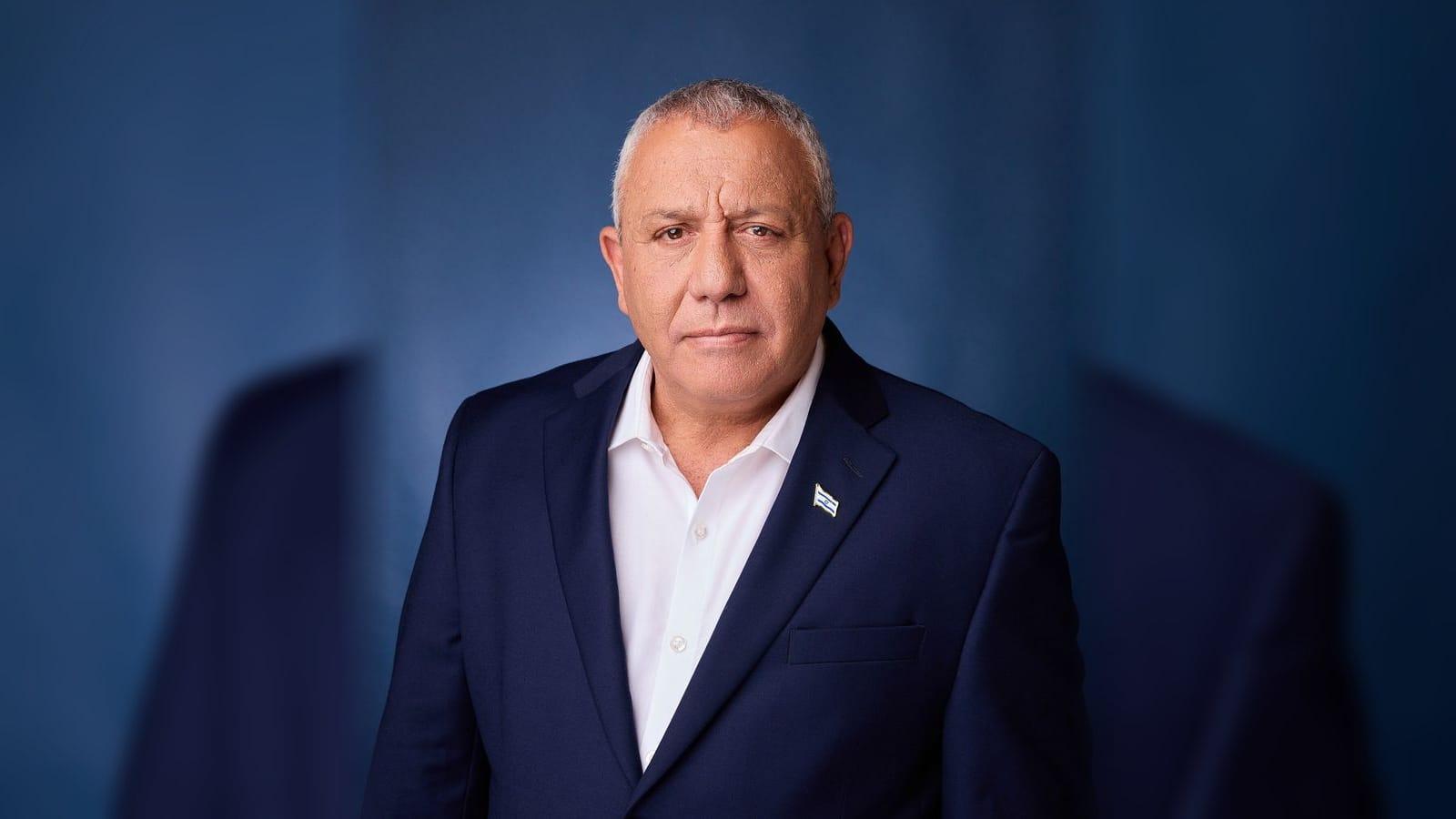
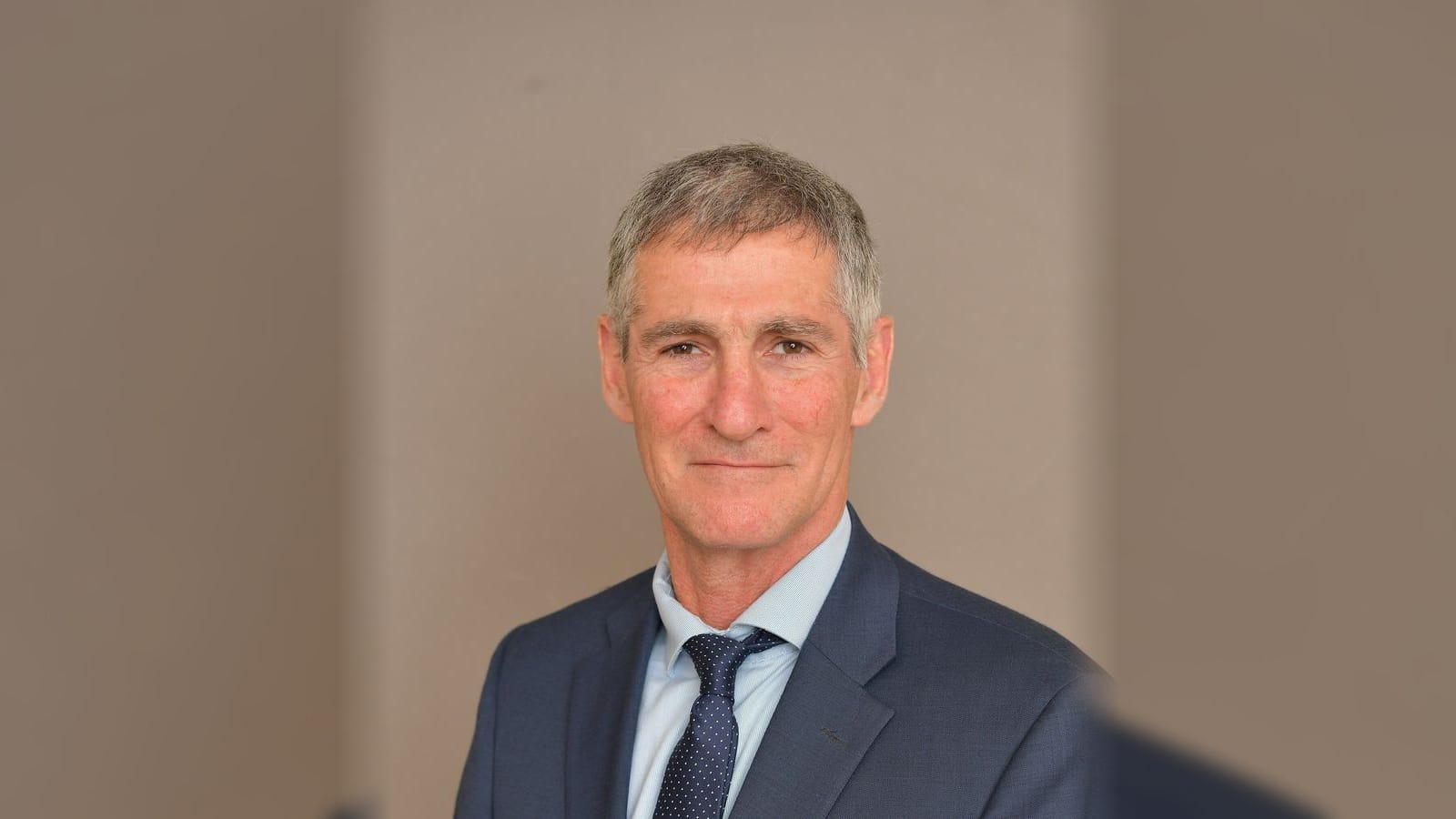
Gadi Eisenkot. File photo by יהב טרודלר (Yahav Trudler - Yahav Studio), CC BY-SA 3.0, via Wikimedia Commons.
Gadi Eisenkot, who leads the Yashar party, met Yisrael Beytenu leader Avigdor Liberman, and afterwards the two said they were fully confident they could put together a stable government that would last four years, The Times of Israel reported, citing a statement issued by Yashar. The party called the session a "constructive and productive discussion."
The Hebrew news channel News.co.il reported that the meeting was held at the Knesset, Israel's parliament, a short time before its post. Ynet's alert service reported the end of the meeting and the same message of confidence in a stable four-year government. Political commentator Amit Segal attributed the words to Eisenkot himself, quoting him as describing a good, businesslike meeting.
On the ground

🔴Eisenkot and Lieberman express full confidence in forming a full term government, following a 'productive and positive' discussion
Who the two leaders are
Eisenkot is a former chief of staff of the Israel Defense Forces (IDF), the country's military, who moved into politics after leaving the army. In the reports he appears as the head of Yashar, the party whose statement described the meeting, and as the figure exploring options for building Israel's next government.
Liberman heads Yisrael Beytenu ("Israel Is Our Home"), a right-wing party with a largely secular voter base. He has served in senior cabinet posts in the past and has long been a pivotal figure in coalition arithmetic, at times joining governments and at times refusing to.
Why the meeting mattered
Israel elects its parliament by nationwide proportional representation, so no single party usually wins a majority on its own. A prime minister must assemble a coalition of several parties that together command a majority of Knesset members. That makes the positions of mid-sized parties such as Yisrael Beytenu decisive.
Get an email the day Israel has a new government.
Coalition talks can take weeks. When a government is sworn in, Israel.com's newsroom emails who leads it, which parties are in and who got which ministry, then the Friday email each week. Free, and one click unsubscribes.
One list, unsubscribe in a click. See our privacy policy.
According to The Times of Israel, the talks took place against a background of friction between the two men over the coalition-building paths open to Eisenkot. Liberman has ruled out two of them: a minority government, and any government that depends on Arab-led parties. At the same time, the outlet reported, he has indicated he is prepared to negotiate with the ultra-Orthodox factions.
Each of those terms carries weight in Israeli politics. A minority government is one whose ministers do not themselves hold a majority of seats and which survives only because other parties outside the cabinet choose not to bring it down. Arab-led parties represent many of Israel's Arab citizens; a government relying on them, whether as members or as outside supporters, remains politically contested. The ultra-Orthodox, or Haredi, parties represent strictly religious Jewish communities and have frequently sat in coalitions. Liberman has in the past clashed with them sharply over religion and state, which is why his reported openness to talks with them drew notice.
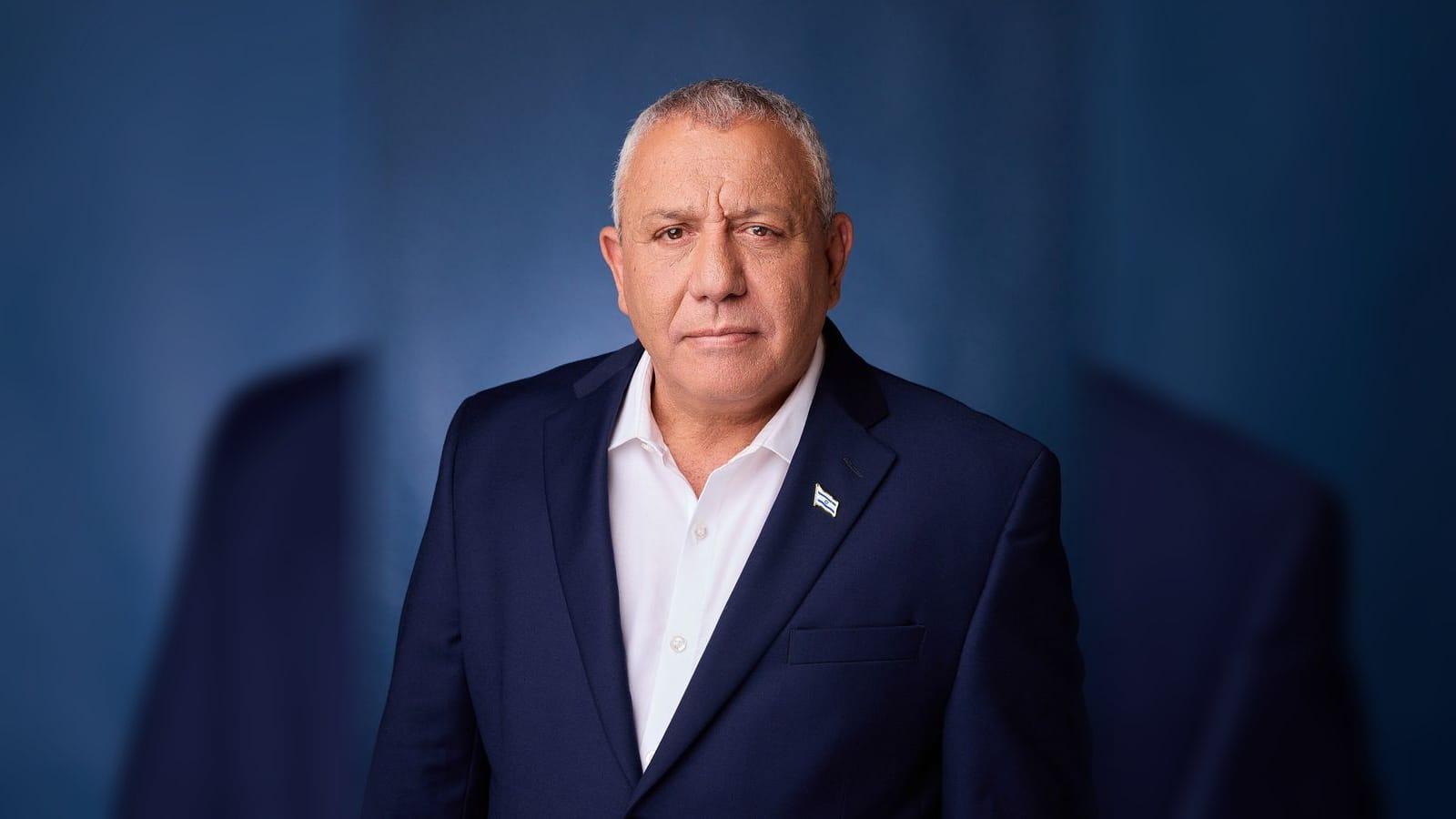
File photo
Next story Government
United Torah Judaism rejects Eisenkot party bid to replace Knesset speaker Ohana
How the sources described it
The four reports agree on the core facts: the two men met, and afterwards both said they were sure they could build a durable government lasting a full four-year term. They differ in emphasis. The Times of Israel and Amit Segal present the outcome largely through the official message, with Segal framing it as a direct quote from Eisenkot and The Times of Israel attributing it to a Yashar statement.
News.co.il took a more sceptical tone. Its post opened with a quip suggesting that the meeting took place but was not a great success, before going on to report the same expression of confidence. The outlet did not explain what lay behind that characterisation.
The Times of Israel also noted that the statement stopped short of saying whether any of the underlying disagreements had been worked out.
What the reports do not say
- None of the reports says whether Eisenkot and Liberman resolved their differences over a minority government, reliance on Arab-led parties or talks with the ultra-Orthodox factions.
- No concrete agreement, such as a commitment by Yisrael Beytenu to join a coalition or a division of ministerial posts, has been reported.
- No separate statement from Liberman or Yisrael Beytenu appears in the material; the account of the meeting comes from Yashar and from Eisenkot.
- News.co.il did not say what prompted its suggestion that the meeting fell short.
- The reports do not say whether further meetings between the two are planned.
Read next
All elections →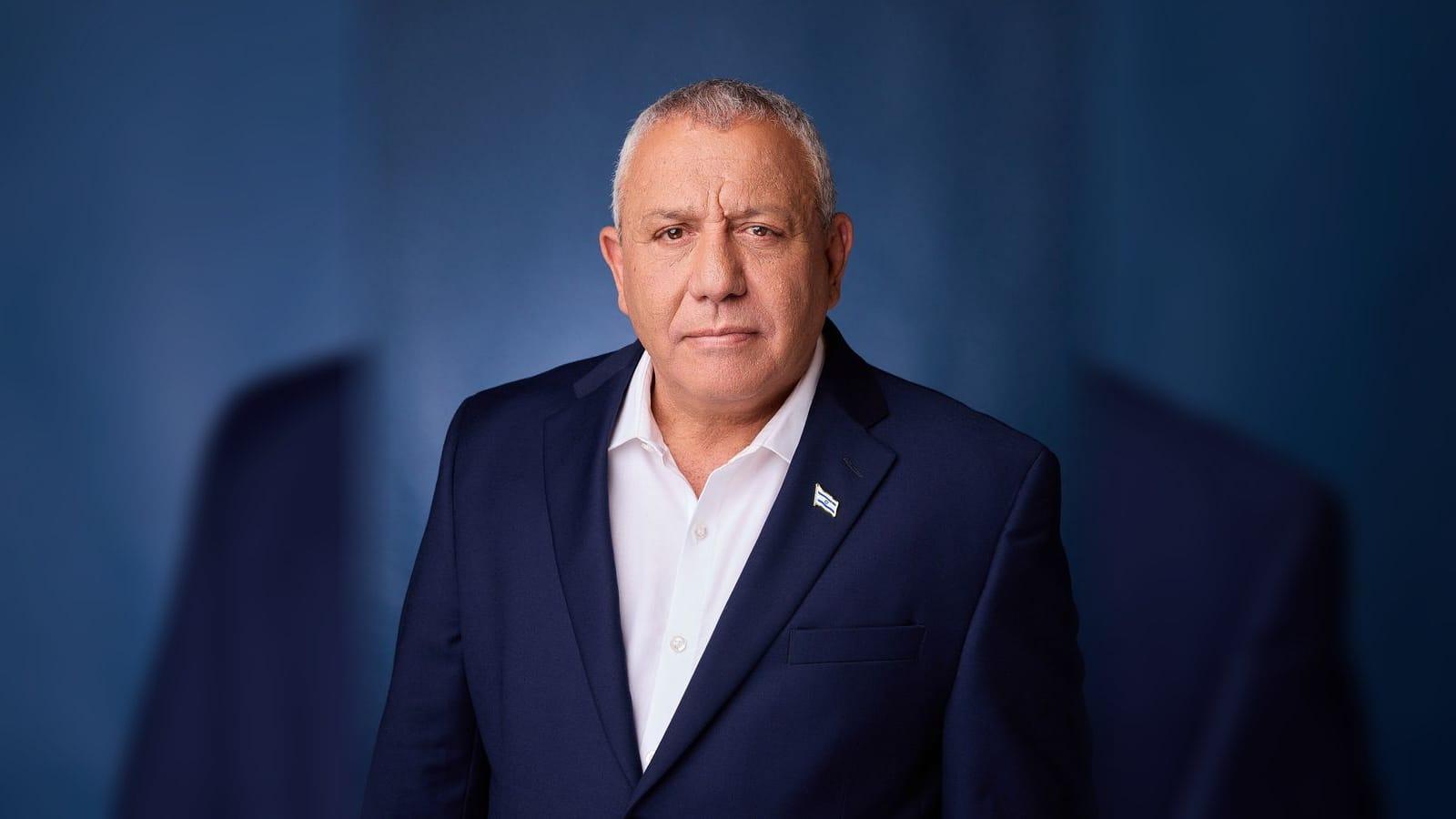
File photo
Government
Eisenkot to hold off on swearing in government until Knesset speaker is replaced
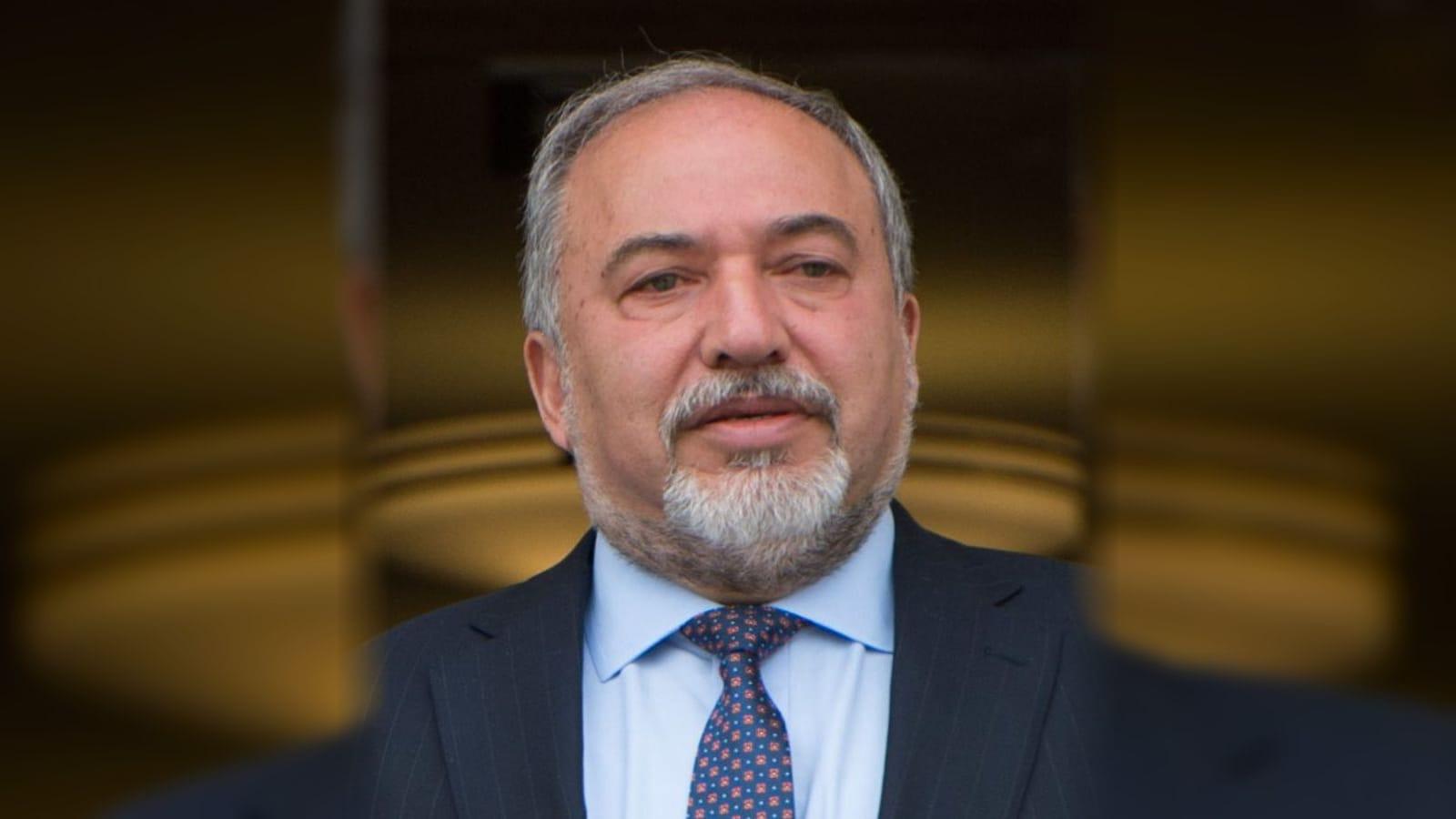
File photo
Elections
Liberman tells Eisenkot camp a minority government would hand Netanyahu a win
File photo
Government
Liberman denies sabotaging Eisenkot, defends Haredi draft compromise talk
File photo
Elections
Yair Golan tells Liberman to go form a government with Netanyahu
Sources and further reading
Every link below was opened and checked when this page was written. Official statements are marked as such: they are the subject's own account, not an independent one.
- Reportingyediotht.meYnet alerts
- Reportingtoitimesofisrael.comThe Times of Israel
- Reportingamitsegalt.meAmit Segal
- Reportingnewssilt.meNews.co.il
How we checked this
The meeting and the shared expression of confidence were reported by The Times of Israel, Ynet, News.co.il and commentator Amit Segal. The account of the talks comes from Yashar and Eisenkot; no statement from Liberman's side appears in the reports, and the Knesset location is reported only by News.co.il.
Our sourcing and corrections policy →The week from Israel, in one email
The stories that mattered, sourced and checked by the Israel.com newsroom. Free, weekly, one-click unsubscribe.
One list, unsubscribe in a click. See our privacy policy.

Israel.com is free, and readers like you keep it that way.
The Israel.com newsroom checks every story against its sources and publishes it free. If this one helped, a contribution of any size keeps the next one free too.
One payment, nothing to sign up for. Another amountGive monthly
Latest

Illustration
File photo

File photo

Illustration
Illustration

Illustration