Netanyahu renews call for unity government that includes Haredi parties
Netanyahu again urged rival parties to join a unity government under his leadership with ultra-Orthodox parties inside, leaving open what he would negotiate.
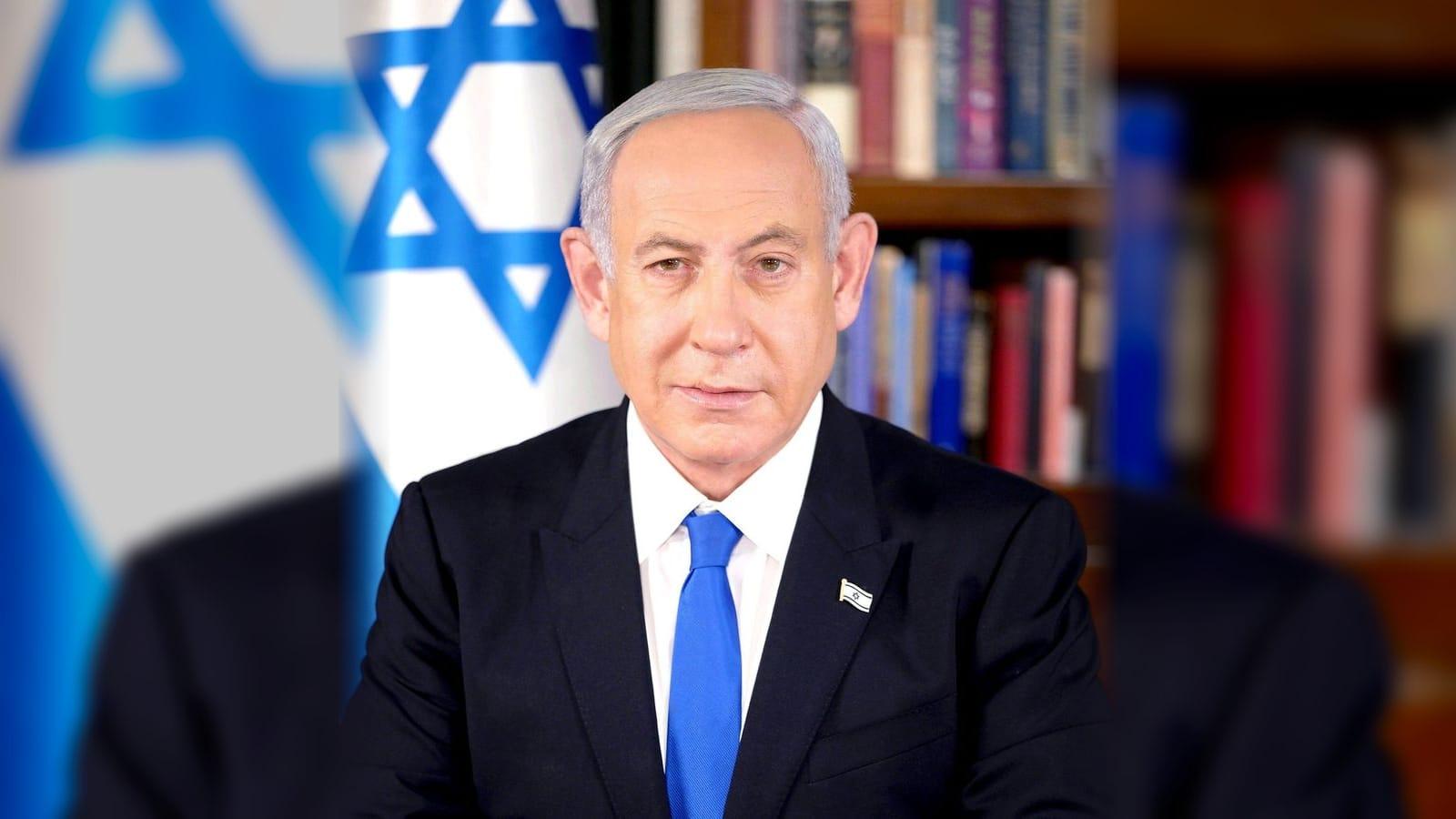
Benjamin Netanyahu. File photo by Avi Ohayon, CC BY-SA 3.0, via Wikimedia Commons.
Benjamin Netanyahu, the leader of the Likud party, has once more called for the formation of a national unity government, and said that such a government should also include the Haredi, or ultra-Orthodox, parties. Ynet reported in a news alert that he made the appeal without referring to any rotation arrangement, the kind of deal under which two leaders take turns serving as prime minister.
According to N12 political correspondent Dafna Liel, Netanyahu again invited the parties of the so-called change bloc to enter a government that would contain every party in the national bloc, with himself as prime minister. Political commentator Amit Segal reported that Netanyahu argued the largest party should lead a unity government, and then added that he was prepared to enter into discussion on the matter.
On the ground

🇮🇱 Eisenkot starts difficult task of forming new Israeli government Israel's former military chief Gadi Eisenkot has started the tough task of forming a government, reaching out to Benjamin Netanyahu's allies as he warned the veteran prime minister had brought the country to a Show more
What a unity government means in Israel
Israel is governed by coalitions. No single party has ever won a majority in the Knesset, the country's parliament, on its own, so a prime minister needs the backing of several parties to govern. A unity government, in Israeli usage, is a coalition that brings together rival camps that would normally sit on opposite sides of the chamber, rather than one built only from a leader's natural allies.
Such arrangements have sometimes been built around rotation, in which the premiership is split between the heads of two partner parties for set periods. That is why Ynet singled out the fact that Netanyahu did not mention a rotation: in a unity offer, the question of who sits in the prime minister's chair, and for how long, is usually the central point of bargaining.
The two blocs
The terms used in the reports describe the two broad camps of Israeli politics in recent years. The national bloc refers to Netanyahu's Likud together with its right-wing and religious allies, including the Haredi parties. The change bloc is the label used for the parties opposed to Netanyahu continuing as prime minister, which span the political centre, parts of the right and parts of the left.
Get an email the day Israel has a new government.
Coalition talks can take weeks. When a government is sworn in, Israel.com's newsroom emails who leads it, which parties are in and who got which ministry, then the Friday email each week. Free, and one click unsubscribes.
One list, unsubscribe in a click. See our privacy policy.
Netanyahu's offer, as N12 described it, would not replace any of his existing partners. Instead it asks parties from the opposing camp to join a government in which all the national bloc parties remain, under his leadership.
Why the Haredi parties matter
The Haredi parties represent ultra-Orthodox Jewish communities and have been long-standing partners of Netanyahu. Their place in government is a point of friction for several parties in the change bloc, which have disagreed with them on issues such as military service for ultra-Orthodox men and state funding for religious institutions. By stating that a unity government needs to include the Haredim, Netanyahu set out a condition that some of the parties he is courting have objected to in the past.
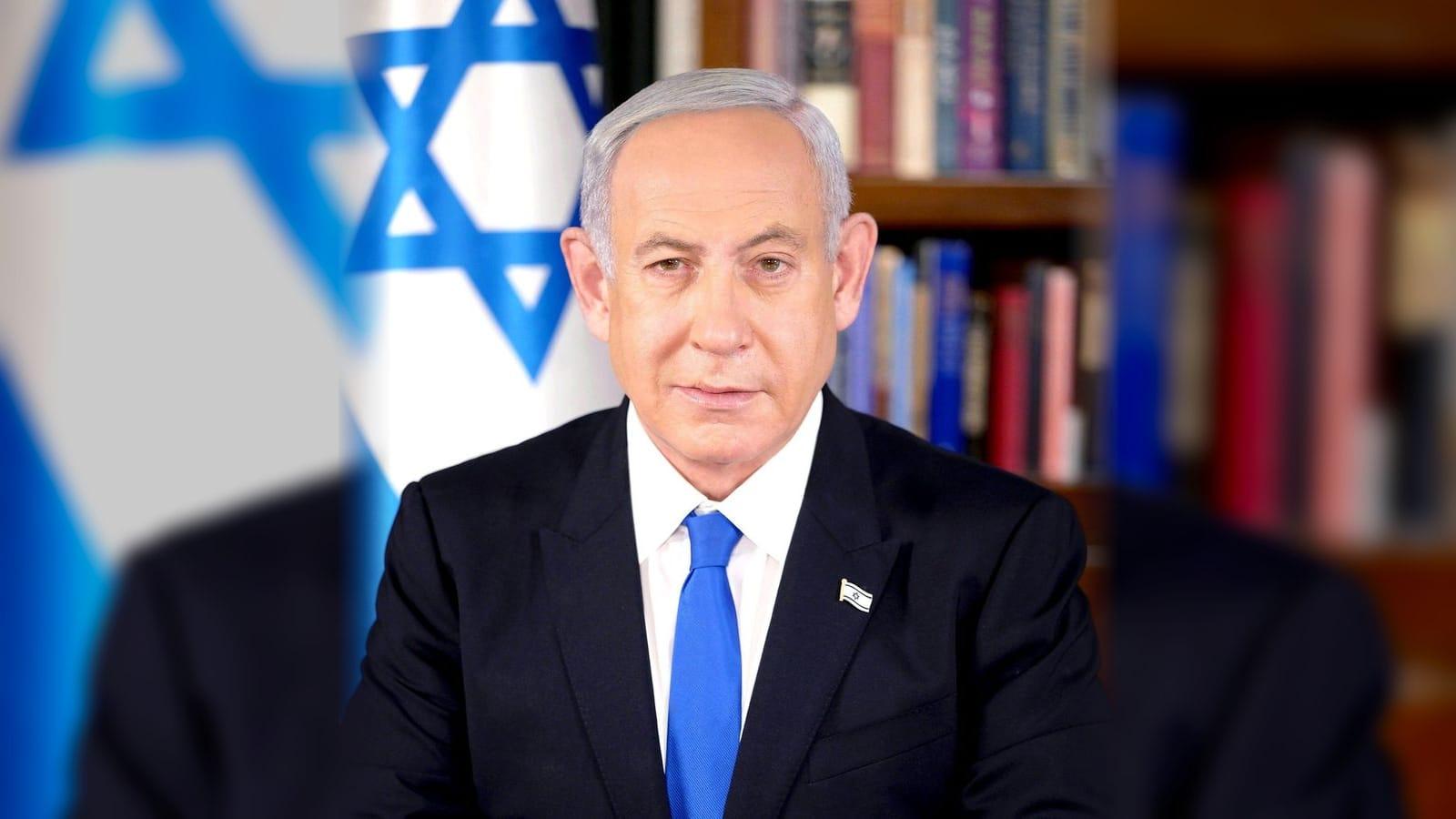
File photo
Next story Government
Netanyahu names Ofir Katz to chair Likud's faction in the 26th Knesset
A leadership claim with a caveat
The reports differ in emphasis on how firm Netanyahu was about leading the government. N12's account presents the offer as one in which he would be prime minister. Segal's report records the same claim, framed as a principle that the largest party should head the government, but also notes that Netanyahu followed it by saying he was ready to talk. Segal wrote that it is unclear whether that willingness referred to discussing who would stand at the head of the government or which parties would be included in it. Ynet, for its part, highlighted only that rotation went unmentioned.
The word "again" appears in all three accounts: each describes this as a repeated appeal rather than a new initiative.
What the reports do not say
None of the reports carries a response from the leaders of the change bloc parties, or says whether any of them is willing to consider the offer. They do not quote Netanyahu's full remarks or say where he made them, and they do not resolve what he meant when he said he was open to discussion, in particular whether the question of who would lead the government is negotiable.
Read next
All government →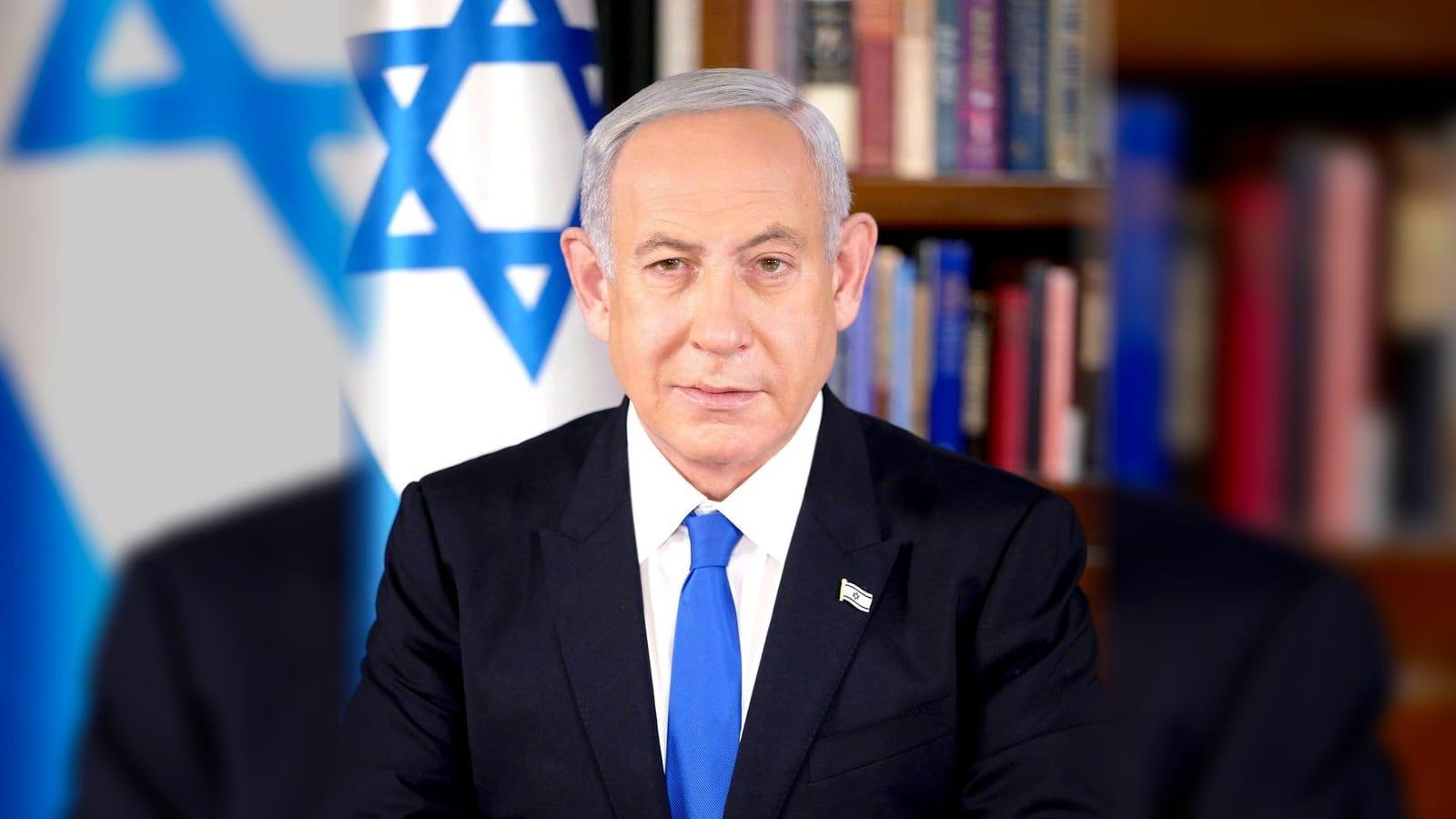
File photo
Government
Netanyahu calls for a unity government, and Eisenkot's party calls it spin
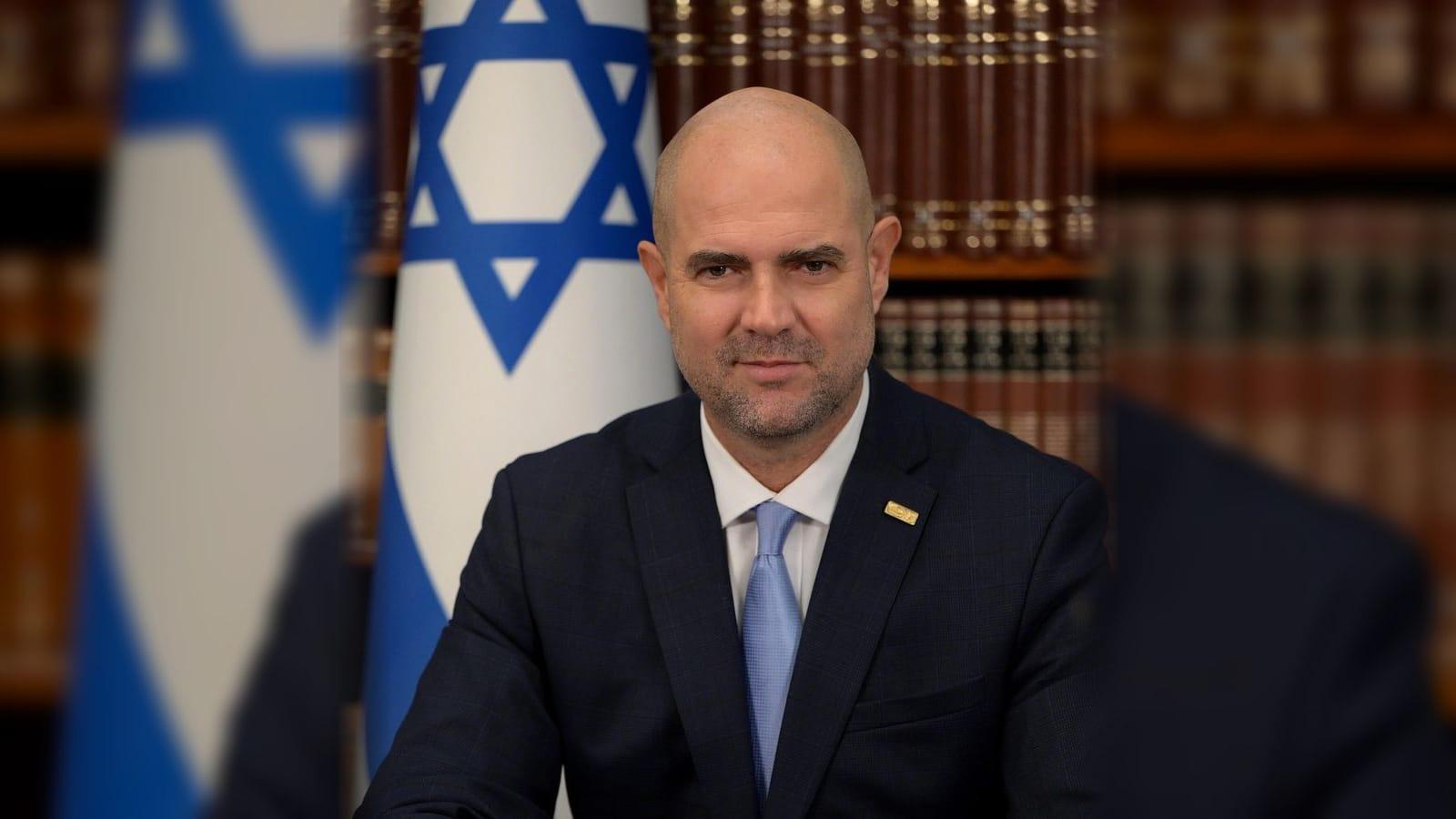
File photo
Religion
Ohana rules out day-one vote as Yashar! seeks Haredi backing to replace him
File photo
Courts & Crime
Liberman denies Channel 13 report of Haredi backchannel, sets High Court test
File photo
Government
Liberman denies sabotaging Eisenkot, defends Haredi draft compromise talk
Sources and further reading
Every link below was opened and checked when this page was written. Official statements are marked as such: they are the subject's own account, not an independent one.
- Reportingyediotht.meYnet alerts
- Reportingamitsegalt.meAmit Segal
- Reportingkeshett.meN12
How we checked this
The renewed call was reported separately by Ynet, N12 and commentator Amit Segal, all in short Hebrew alerts. The remark that Netanyahu was ready to enter discussion, and the question of what that covered, come from Segal's report alone.
Our sourcing and corrections policy →The week from Israel, in one email
The stories that mattered, sourced and checked by the Israel.com newsroom. Free, weekly, one-click unsubscribe.
One list, unsubscribe in a click. See our privacy policy.

Israel.com is free, and readers like you keep it that way.
The Israel.com newsroom checks every story against its sources and publishes it free. If this one helped, a contribution of any size keeps the next one free too.
One payment, nothing to sign up for. Another amountGive monthly
Latest

Illustration
File photo

File photo

Illustration

Illustration
File photo