Eisenkot and Lieberman meet, say they can form a four-year government
Two days after receiving the mandate, Gadi Eisenkot met Avigdor Lieberman and both voiced confidence in a stable coalition, though Naftali Bennett has stayed silent.
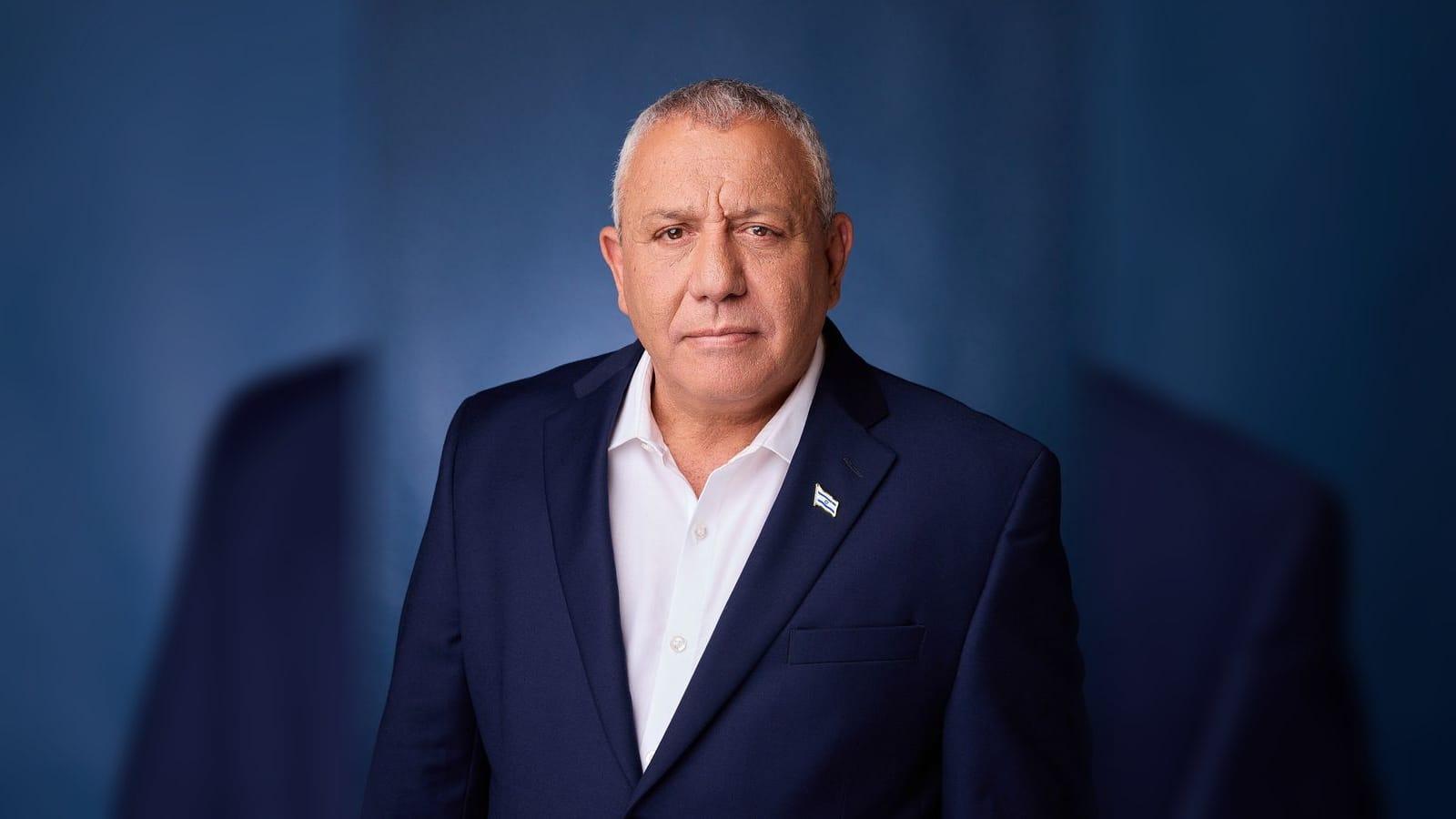
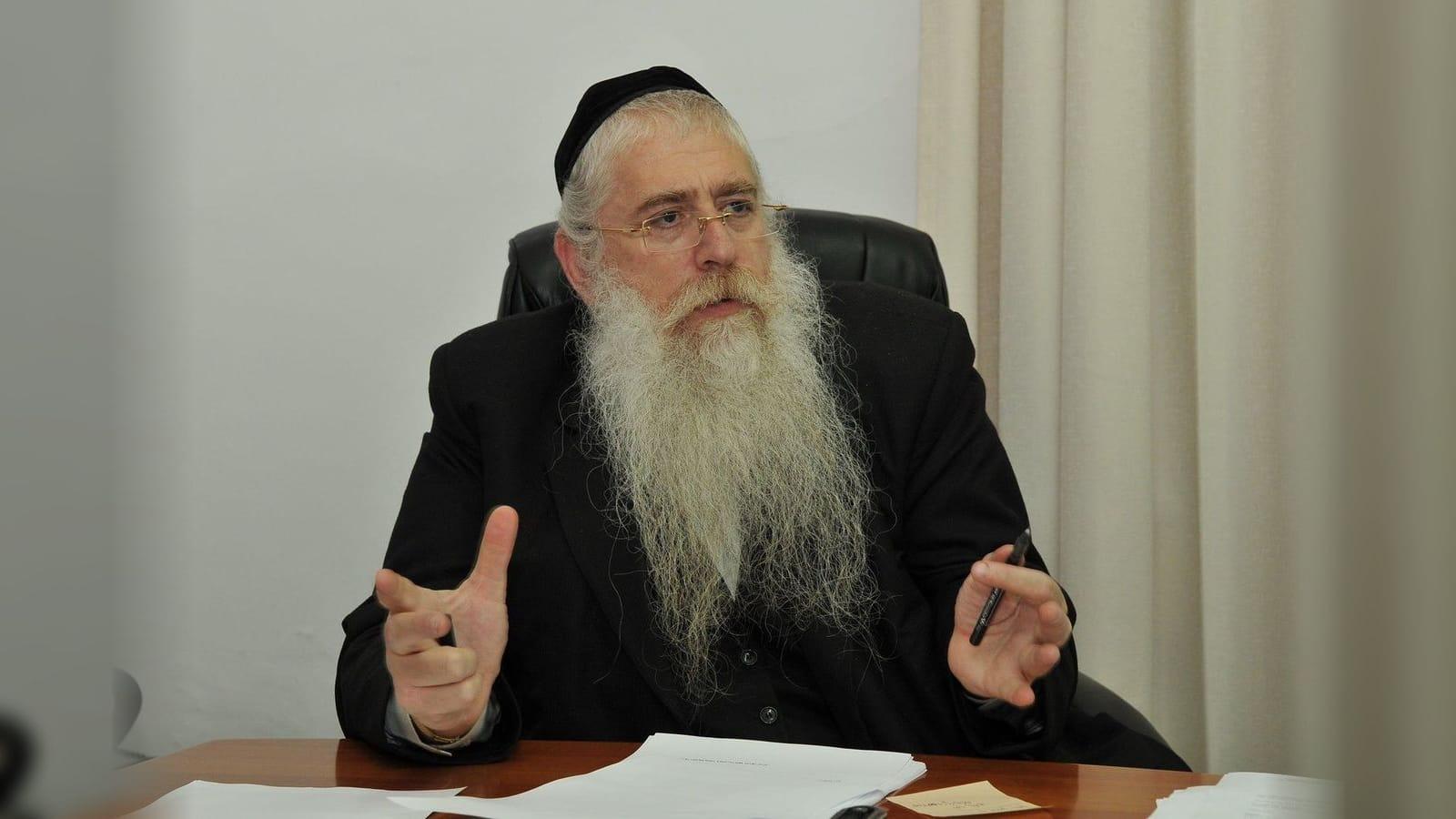
Gadi Eisenkot. File photo by יהב טרודלר (Yahav Trudler - Yahav Studio), CC BY-SA 3.0, via Wikimedia Commons.
Gadi Eisenkot, chairman of the Yashar! party and the politician now charged with assembling Israel's next government, met Yisrael Beytenu chairman Avigdor Lieberman on Monday, and both men emerged saying they were confident they could build a stable coalition that would last four years. Israel Hayom reported that the talks were described as productive and positive, while noting that significant obstacles to a coalition still stand.
Eisenkot characterised the session as businesslike and good, according to a statement relayed on the Telegram channel of political commentator Amit Segal. Ynet reported that the meeting followed a period of public clashes between the two leaders, and that it came as Naftali Bennett, chairman of the Together party, has still not spoken publicly since election night.
On the ground

"Netanyahu doesn't have a CLEAR PATH to form a NEW GOVERNMENT." Middle East Correspondent and Author Jotam Confino discusses Netanyahu's chances of remaining in power if Gadi Eisenkot fails to form a government, including a possible deal with Avigdor Lieberman. @mrconfino
Video from Al Arabiya English. Tap to play. Nothing from it is shown until you do.

🔴Eisenkot and Lieberman express full confidence in forming a full term government, following a 'productive and positive' discussion
Why this meeting mattered
In Israel, no single party has ever won an outright majority in the Knesset, the country's parliament, so every government is a coalition. After an election, the president consults party leaders and then gives one member of the Knesset the task of forming a government. According to Israel Hayom, President Isaac Herzog handed that task to Eisenkot on Saturday, starting a 28-day period for negotiations.
Eisenkot, a former military chief of staff, leads Yashar!. Lieberman, a veteran politician and former minister, leads Yisrael Beytenu, a secular right-wing party. Both belong to what Israeli media call the change bloc, the group of parties seeking to replace the outgoing government. Any coalition Eisenkot builds from that bloc would need Lieberman's party, which is why tension between them drew attention.
A separate analysis piece in Israel Hayom argued that in this first confrontation between the bloc's leaders, it was Lieberman who backed down, something the paper said surprised most of the bloc's experienced politicians given that Eisenkot has far less political experience. The same piece said Eisenkot's real test is still ahead. That is the paper's assessment, not a statement from either party.
Get an email the day Israel has a new government.
Coalition talks can take weeks. When a government is sworn in, Israel.com's newsroom emails who leads it, which parties are in and who got which ministry, then the Friday email each week. Free, and one click unsubscribes.
One list, unsubscribe in a click. See our privacy policy.
The ultra-Orthodox question
A recurring fault line in Israeli coalition politics is the Haredi, or ultra-Orthodox, community and the long-running dispute over exempting its young men from compulsory military service. Lieberman has built much of his political identity on opposing those exemptions. That makes any coalition path that relies on Haredi parties sensitive for him and for other partners.
In a later post, Amit Segal wrote that the two men agreed to move forward together toward forming a government, and offered his reading that this means the first stage will pursue what he called the Haredi track, meaning a coalition route involving the ultra-Orthodox parties. Neither Eisenkot nor Lieberman was quoted confirming that interpretation in the reports.
File photo
Next story Elections
Eisenkot's Yashar party set to take Knesset speaker post from Ohana
Bennett's silence and the draft pledge
Ynet reported that Bennett has not appeared in public since the election, and that lawmakers expected to sit for his Together party have insisted that his silence should not be read as consent. Ynet linked this to concern that Bennett's campaign promise on military conscription could be broken in coalition talks. Yonatan Shalev, cited by Ynet, said the party would not compromise on the matter.
The combination matters for Eisenkot: a route through the Haredi parties, as described by Segal, would sit uneasily with partners who campaigned on drafting ultra-Orthodox men. How Bennett responds is therefore one of the variables in the coming negotiations.
Where the sources differ in emphasis
The reports agree that the meeting took place and that both leaders voiced confidence in a four-year government. They differ in framing. Israel Hayom's news report stresses that major hurdles remain, its analysis casts the outcome as a retreat by Lieberman, Segal presents it as an agreement to advance jointly with an initial Haredi-inclusive approach, and Ynet places it against the backdrop of unease inside Bennett's party.
What the reports do not say
None of the reports gives details of what, if anything, was concretely agreed between Eisenkot and Lieberman, or whether Lieberman has accepted negotiations with the ultra-Orthodox parties. Bennett's own position has not been reported, and no response from the Haredi parties to the meeting appears in the material.
Read next
All elections →
File photo
Elections
Eisenkot and Liberman say they can form a stable four-year government
File photo
Elections
Netanyahu confidant Natan Eshel approached Ra'am's Abbas over Eisenkot

File photo
Elections
Trump tells 60 Minutes that hostility to Israel cost Republicans votes

File photo
Elections
Trump calls Eisenkot and Netanyahu alike after backing Netanyahu in election
Sources and further reading
Every link below was opened and checked when this page was written. Official statements are marked as such: they are the subject's own account, not an independent one.
- Reportingyediothynet.co.ilYnet
- Reportingisraelhayomisraelhayom.comIsrael Hayom
- Reportingamitsegalt.meAmit Segal
- Reportingamitsegalt.meAmit Segal
- Reportingisraelhayomisraelhayom.comIsrael Hayom
How we checked this
The meeting and the leaders' expressions of confidence were reported by Ynet, Israel Hayom and commentator Amit Segal. The reading that talks will start on a Haredi track comes only from Segal, and the claim that Lieberman backed down comes from an Israel Hayom analysis.
Our sourcing and corrections policy →The week from Israel, in one email
The stories that mattered, sourced and checked by the Israel.com newsroom. Free, weekly, one-click unsubscribe.
One list, unsubscribe in a click. See our privacy policy.

Israel.com is free, and readers like you keep it that way.
The Israel.com newsroom checks every story against its sources and publishes it free. If this one helped, a contribution of any size keeps the next one free too.
One payment, nothing to sign up for. Another amountGive monthly
Latest

File photo

File photo

File photo
File photo

Illustration
Illustration