Eisenkot pledges not to join a unity government without Liberman and Golan
Gadi Eisenkot has reportedly promised two allied party leaders he will stay out of any unity government that excludes them, binding his partnership with them more tightly.
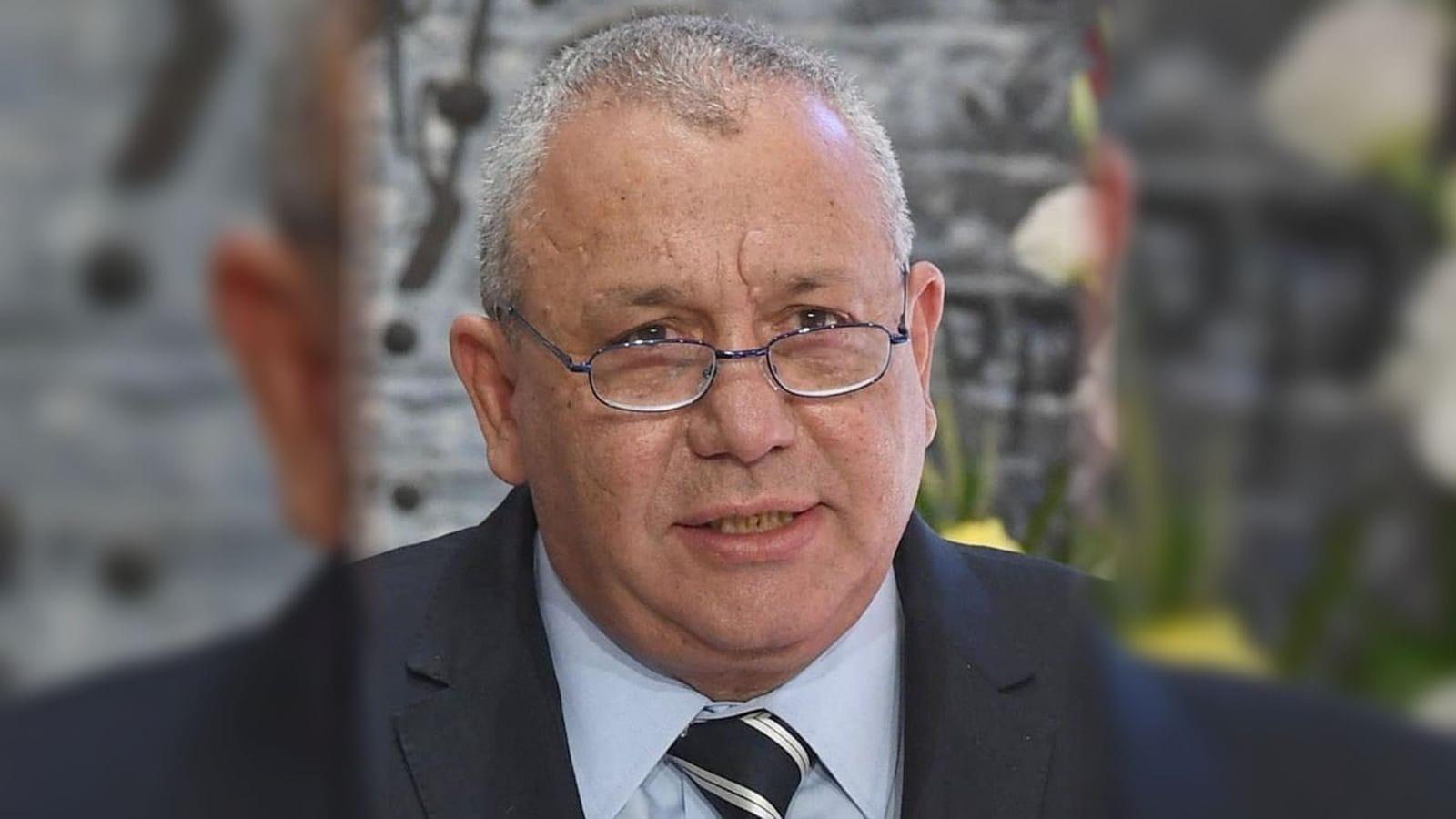
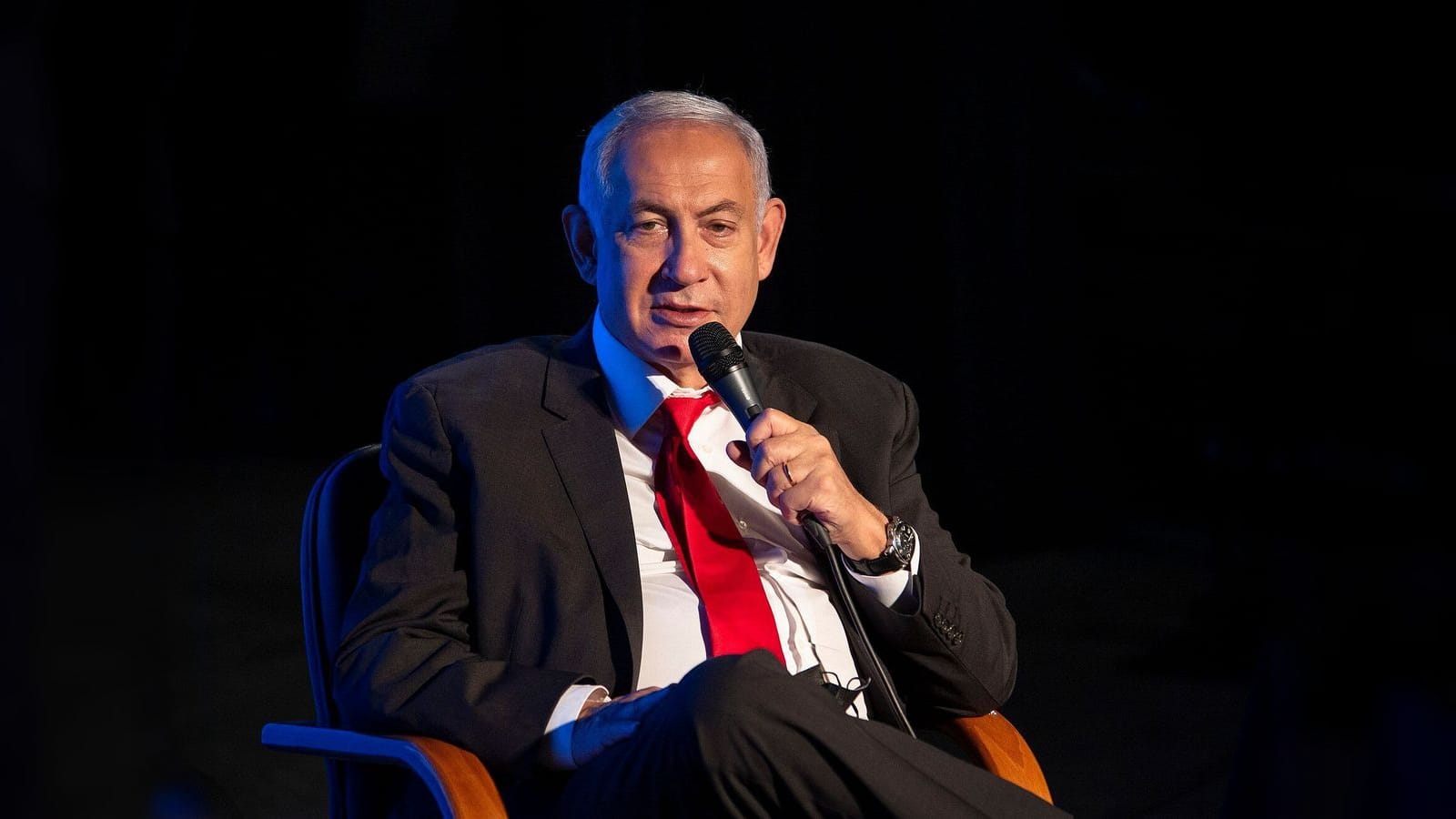
Gadi Eisenkot. File photo by Mark Neyman, CC BY-SA 3.0, via Wikimedia Commons.
Gadi Eisenkot, chairman of the Yashar party, has committed to Avigdor Liberman and Yair Golan that he will not enter a unity government without them, according to a first report by N12 political correspondent Dafna Liel. The report described Liberman and Golan as leaders who have already signed coalition agreements with Eisenkot.
The Times of Israel, citing the report, framed the pledge slightly differently: that Eisenkot vowed not to form a unity government without the consent of the two men. Neither outlet published the text of the commitment or a statement from any of the three politicians.
Who the three politicians are
Gadi Eisenkot is a former chief of staff of the Israel Defense Forces (IDF), the country's military, who moved into politics after leaving the army. He now heads Yashar, a party whose Hebrew name roughly means "straight" or "upright".
Avigdor Liberman leads Yisrael Beytenu ("Israel Is Our Home"), a right-wing secularist party that has long drawn much of its support from immigrants from the former Soviet Union. He has served as defence minister and finance minister in past governments.
Yair Golan, a former deputy IDF chief of staff, leads The Democrats, a party formed from the merger of Labor and Meretz, the two main parties of Israel's centre-left and left.
Get an email the day Israel has a new government.
Coalition talks can take weeks. When a government is sworn in, Israel.com's newsroom emails who leads it, which parties are in and who got which ministry, then the Friday email each week. Free, and one click unsubscribes.
One list, unsubscribe in a click. See our privacy policy.
The three come from different points on the political spectrum but share opposition to the current government led by Prime Minister Benjamin Netanyahu.
What a unity government means in Israel
Israel is governed by coalitions: no single party has ever won a majority in the Knesset, the country's parliament, on its own. After an election, the leader asked to form a government must assemble a majority from several parties, and the terms of each party's participation are set out in written coalition agreements.
File photo
Next story Government
Eisenkot's Yashar! to meet Likud again in the Knesset despite Golan objections
In Israeli political usage, a "unity government" generally refers to a coalition that brings together large parties from rival camps rather than one built from a single bloc. Such arrangements have been formed in the past when neither camp could govern alone. A pledge not to enter one without named partners is a way for a party leader to signal that allies will not be left behind if broader negotiations open up after a vote.
Why the pledge matters
According to N12, Liberman and Golan have already signed coalition agreements with Eisenkot. That suggests the three have agreed in advance on how they would cooperate in a future government. The reported commitment adds a further condition: Eisenkot would not take his party into a broader governing partnership while leaving either of them outside it.
For the two partners, such a promise offers some protection against a scenario in which a larger party courts Eisenkot alone. For Eisenkot, it ties his options in post-election coalition talks to the positions of two leaders with quite different voter bases.
How the two reports differ
The two accounts are close but not identical. N12 reported that Eisenkot committed not to join a unity government without Liberman and Golan, which reads as a requirement that both be part of any such government. The Times of Israel headline said he vowed not to form one without their consent, which could be read as giving the two men a say over the decision rather than a guaranteed place in the coalition. The reports do not resolve which formulation reflects the actual undertaking, and we have not seen the commitment itself.
What the reports do not say
- Neither report quotes Eisenkot, Liberman or Golan, and no response from any of them, or from Yashar, Yisrael Beytenu or The Democrats, has been reported.
- The reports do not say whether the commitment was made in writing, whether it forms part of the signed coalition agreements, or when it was given.
- The contents of the coalition agreements Liberman and Golan reportedly signed with Eisenkot have not been published.
- It is not clear whether the pledge applies to any unity government or to one with specific parties, and the reports do not name which parties a unity government would involve.
People in this story: Gadi Eisenkot, Yair Golan, Benjamin Netanyahu
Read next
All government →
File photo
Government
Yair Golan's Democrats halt coalition talks with Eisenkot's Yashar party

File photo
Government
Yair Golan presses Eisenkot to reject a unity government with Netanyahu
File photo
Elections
Liberman warns Netanyahu may offer Eisenkot a rotation as a ploy for elections
File photo
Elections
Netanyahu tells Bennett, Eisenkot and Liberman Israel faces a historic crossroads
See Israel.com first in Google's top stories.Add it as a preferred source on Google
Sources and further reading
Every link below was opened and checked when this page was written. Official statements are marked as such: they are the subject's own account, not an independent one.
- Reportingtoitimesofisrael.comThe Times of Israel
- Reportingkeshett.meN12
How we checked this
The commitment was reported first by N12's Dafna Liel and then by The Times of Israel, which appears to relay the same report; no on-record statement from Eisenkot, Liberman or Golan has been published. The two outlets word the pledge differently, and we have not seen its text.
Our sourcing and corrections policy →The week from Israel, in one email
The stories that mattered, sourced and checked by the Israel.com newsroom. Free, weekly, one-click unsubscribe.
One list, unsubscribe in a click. See our privacy policy.

Israel.com is free, and readers like you keep it that way.
The Israel.com newsroom checks every story against its sources and publishes it free. If this one helped, a contribution of any size keeps the next one free too.
One payment, nothing to sign up for. Another amountGive monthly
Latest

Illustration
File photo

Illustration

Illustration
File photo

Illustration