IDF Central Command officers say Jewish terror is for police to handle
Senior officers in the military command overseeing the West Bank reportedly argue in closed meetings that settler violence falls to the police, not the army.
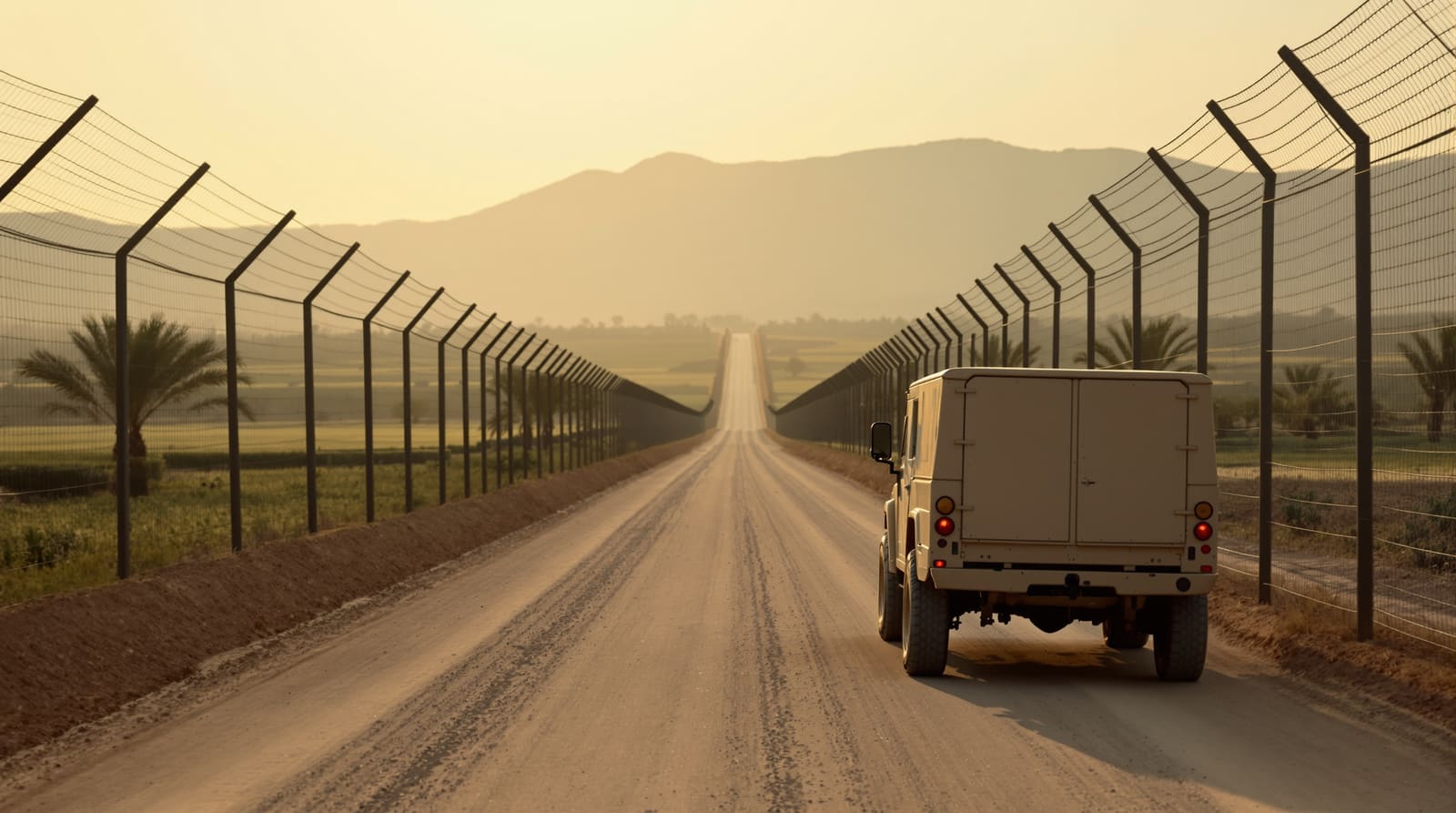
AI illustration, not a photo of the events.
Senior officers in the Israel Defense Forces' Central Command have argued in closed-door discussions that the military does not bear responsibility for dealing with Jewish terror and nationalist crime in the West Bank, and that the task belongs to the Israel Police alone. Barak Ravid of Axios posted the claim on X, citing reporting by journalists Josh Breiner and Matan Golan.
According to that reporting, the officers take this position even though the head of Central Command, Major General Avi Bluth, is the sovereign authority in the West Bank territories. The Times of Israel also reported the story, describing senior IDF officers as reluctant to assign soldiers to the job of countering violence by settlers.
What the sources posted

ג'וש בריינר ומתן גולן מדווחים: "קצינים בכירים בפיקוד המרכז מתנערים בדיונים סגורים מאחריות צה"ל לטיפול בטרור היהודי ובפשיעה הלאומנית, וטוענים כי האחריות לכך מוטלת על משטרת ישראל בלבד. זאת על אף שהריבון בשטחי הגדה המערבית הוא אלוף פיקוד המרכז, אבי בלוט" haaretz.co.il/news/politics/…
What Central Command is
The IDF is organised into regional commands, each responsible for military activity in a part of the country. Central Command is the one whose area includes the West Bank. Its commander holds the rank of aluf, the Hebrew term for a major general, and the reports name the current holder of the post as Avi Bluth.
The West Bank has not been annexed by Israel, and Israeli civilian law does not apply there in the way it does inside Israel. Instead, the military commander of the area serves as the governing authority. That is the point the reporting cited by Ravid stresses: the officer described as sovereign over the territory heads the same command whose senior ranks are said to be pushing responsibility for Jewish extremist violence onto the police.
What the terms mean
In Israeli public debate, "Jewish terror" and "nationalist crime" are the phrases commonly used for violent attacks carried out by Israeli Jews, often settlers, against Palestinians and their property, motivated by ideology rather than ordinary criminal gain. The Times of Israel framed the same issue as settler violence.
Israel's week in five stories, every Friday
Sourced and checked by the Israel.com newsroom, with Shabbat times. Free, one-click unsubscribe.
One list, unsubscribe in a click. See our privacy policy.
The question of who is responsible for preventing and responding to such incidents sits at the boundary between two institutions. The army controls security in the West Bank and deploys troops there, while the Israel Police is the body that investigates crimes committed by Israeli citizens. The officers quoted in the reporting are said to place the responsibility entirely on the police side of that line.
Why the position matters
The dispute is about more than paperwork. If the army regards Jewish extremist violence as outside its remit, the question of whether soldiers in the field are tasked with stopping it becomes a live one. The Times of Israel's account focuses on exactly that practical issue: whether troops are allocated to the effort at all.
Illustration
Next story Security
IDF Southern Command to begin 'Shield and Storm' drill on Sunday
The reports present this as an internal position voiced in closed forums, not as a published policy or an official statement from the military. Neither report quotes an officer by name, and neither describes a formal order or written directive.
What the reports do not say
Neither report includes a response from the IDF Spokesperson's Unit, from Avi Bluth himself or from the Israel Police, so it is not known whether the military disputes the account or how the police view the division of responsibility. The reports do not identify the officers involved, say when the discussions took place, or state whether the position has affected how troops are actually deployed in the West Bank. Ravid's post cites reporting by Breiner and Golan but does not name the outlet in which it appeared, and the Times of Israel item as provided to us consists of a headline, so the full detail behind its framing is not available here.
People in this story: Barak Ravid, Avi Bluth
Read next
All security →
Illustration
Security
Central Command chief Avi Bluth says a few hundred extremists harm Israel

Illustration
Security
Two Iranian Guards commanders say 'zero hour' nears to break naval blockade
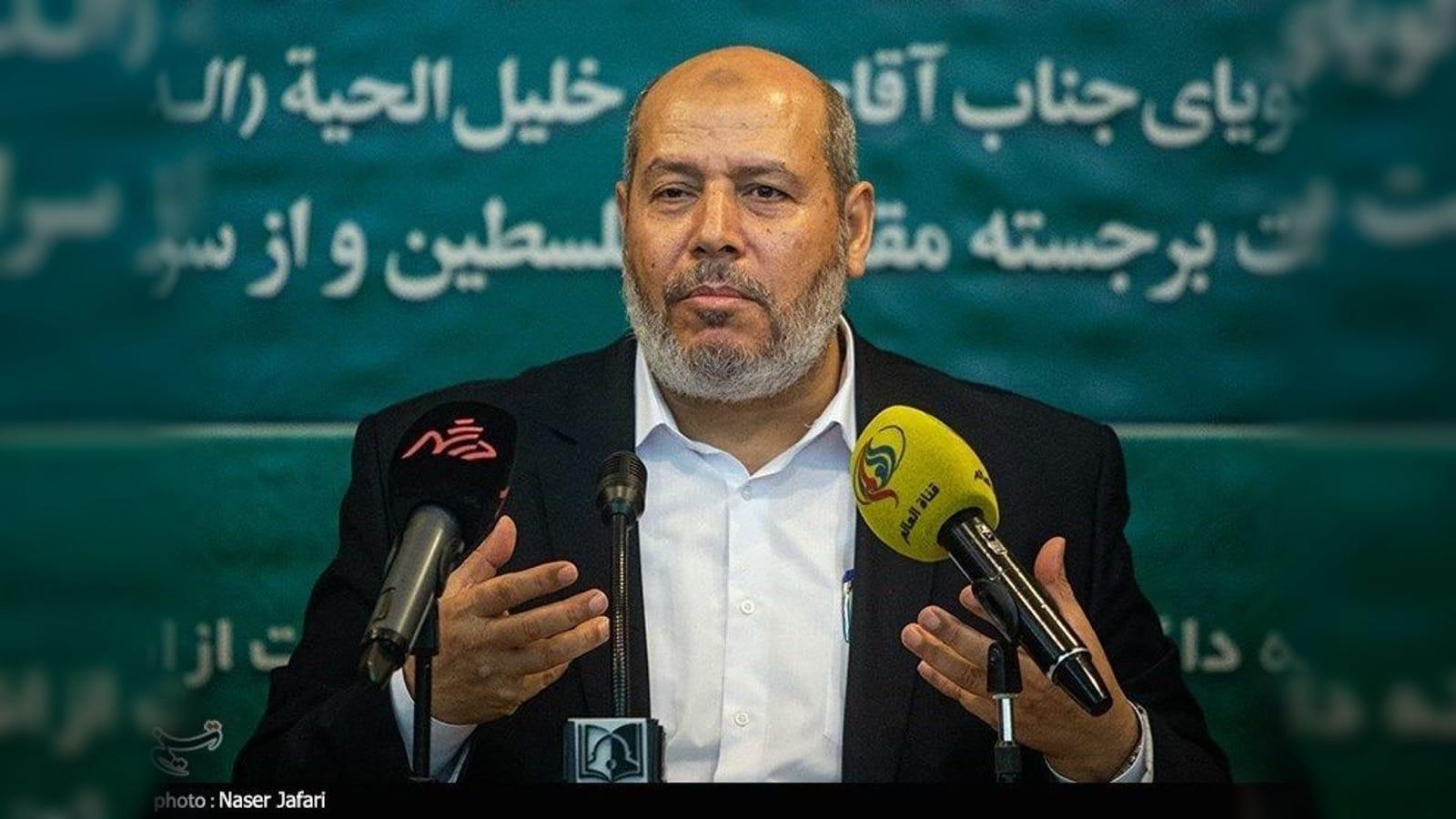
File photo
Security
Son of Hamas leader Khalil al-Hayya reported to survive Israeli strike in Gaza City
Illustration
Security
Israeli troops find six pistols in Jordan Valley on the eastern border
See Israel.com first in Google's top stories.Add it as a preferred source on Google
Sources and further reading
Every link below was opened and checked when this page was written. Official statements are marked as such: they are the subject's own account, not an independent one.
- Reportingaxiosx.comBarak Ravid, Axios
- Reportingtoitimesofisrael.comThe Times of Israel
How we checked this
The account rests on reporting by Josh Breiner and Matan Golan as relayed on X by Axios correspondent Barak Ravid, and on a Times of Israel headline describing the same story. We have not independently confirmed the closed-door discussions, and no official response is included in either report.
Our sourcing and corrections policy →The week from Israel, in one email
The stories that mattered, sourced and checked by the Israel.com newsroom. Free, weekly, one-click unsubscribe.
One list, unsubscribe in a click. See our privacy policy.
Latest
File photo

Illustration
File photo
File photo
File photo

Illustration