Eisenkot says he sees no immediate Iran threat after Netanyahu briefing
Gadi Eisenkot said Iran poses no direct threat that requires action before a new government is formed, a view that put him at odds with Benjamin Netanyahu.
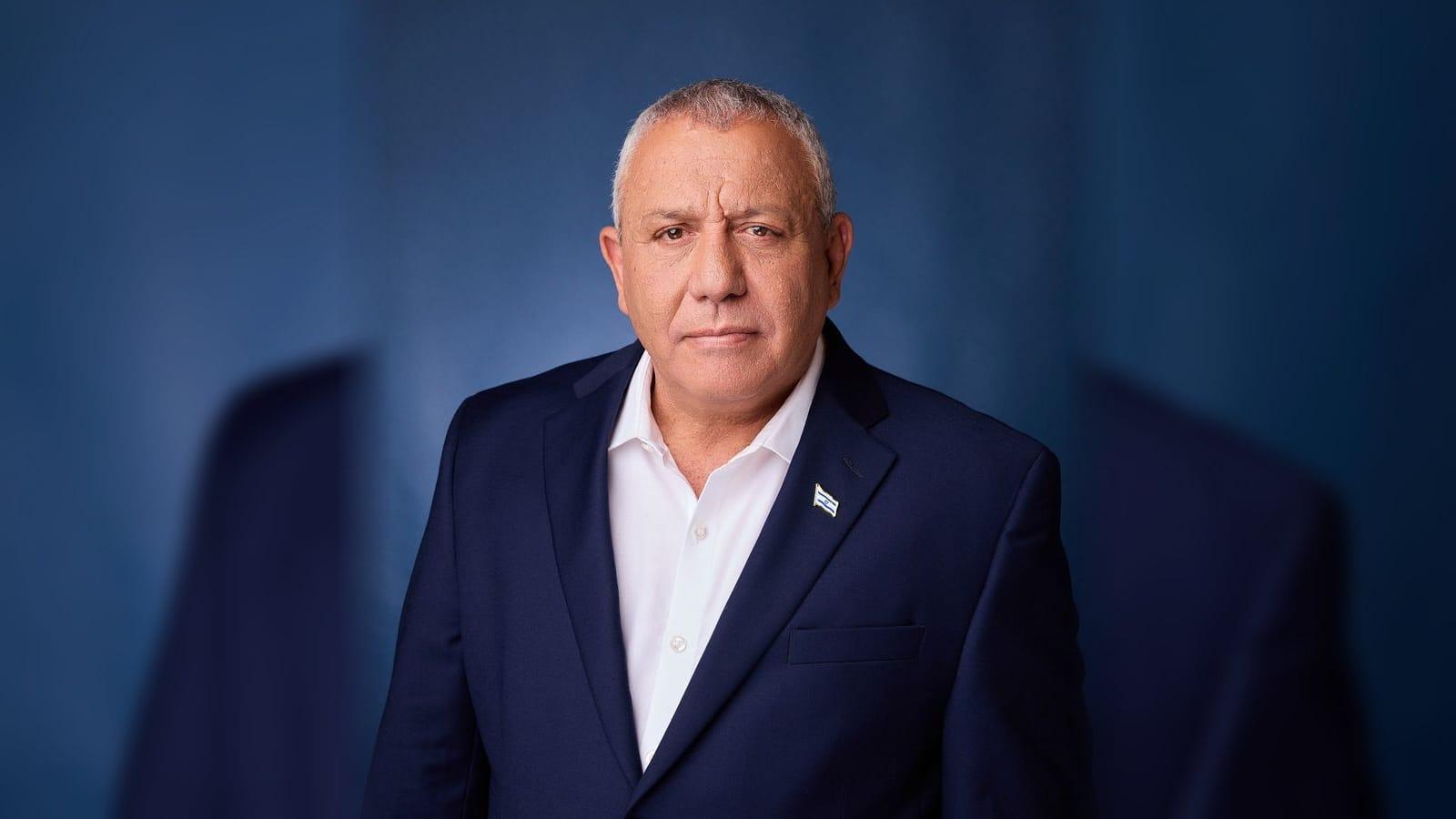
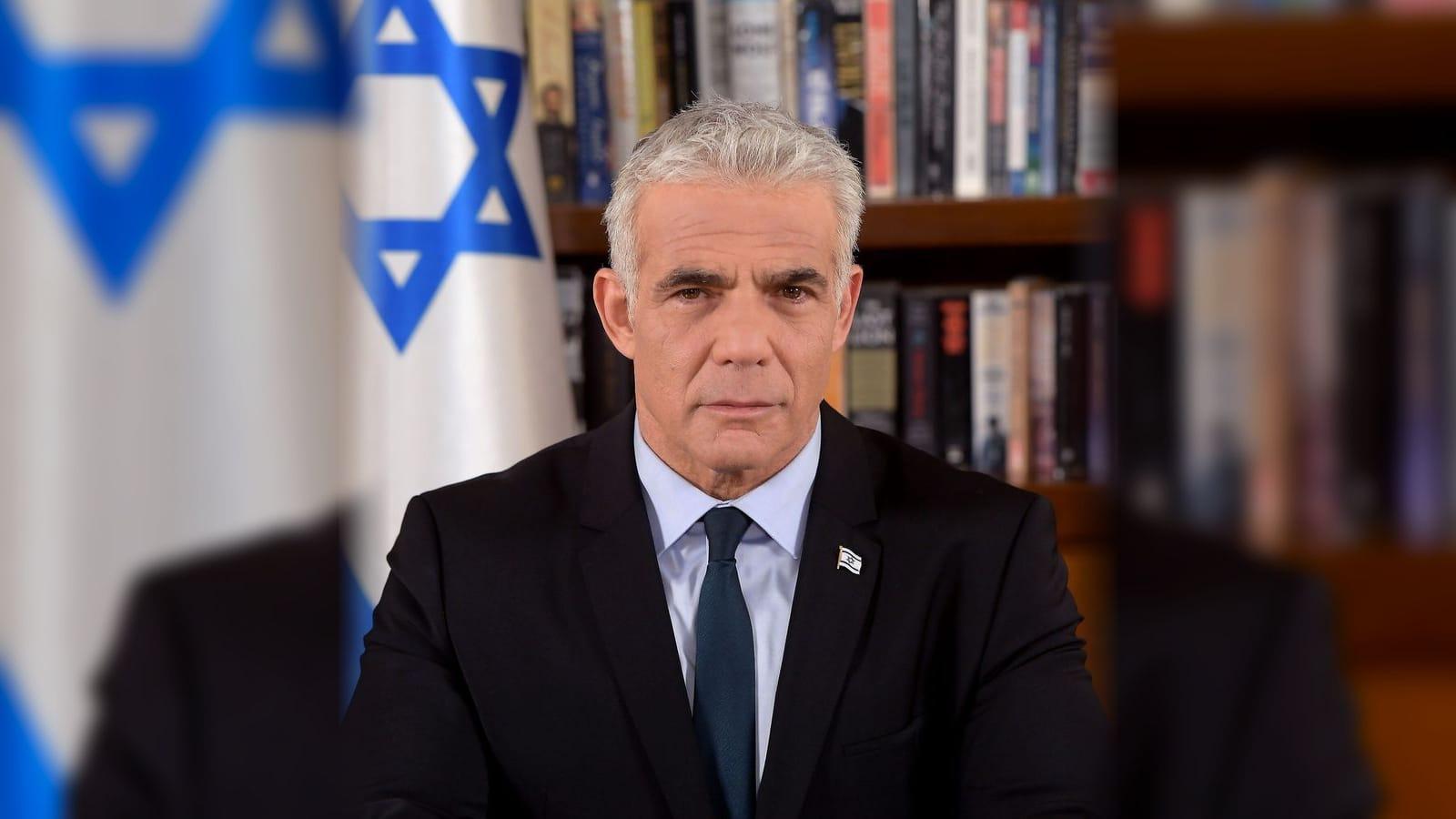
Gadi Eisenkot. File photo by יהב טרודלר (Yahav Trudler - Yahav Studio), CC BY-SA 3.0, via Wikimedia Commons.
Gadi Eisenkot, the former military chief who now leads a political party, said he does not currently see an Iranian threat to Israel urgent enough to require action before a new government takes office. According to a post by the Israeli political journalist Amit Segal on Telegram, Eisenkot made the remark after he had received a security update from Prime Minister Benjamin Netanyahu. Segal quoted him as saying, in Hebrew, that on the Iran issue he does not see "a direct and immediate threat" to the State of Israel that calls for action ahead of the formation of a government.
The comment exposed a gap between the two men over how pressing the danger from Iran is. The Times of Israel reported that Netanyahu and Eisenkot sparred over whether Iran should be regarded as an immediate security threat. The material available to us does not set out Netanyahu's own words in that exchange.
Who Gadi Eisenkot is
Eisenkot served as chief of staff of the Israel Defense Forces (IDF), the most senior uniformed post in Israel's military, before entering politics. That background gives his assessments of security threats particular weight in Israeli public debate, because he speaks as someone who has commanded the army and sat in the forums where such threats are weighed. Today he is an opposition politician rather than a serving officer, so his remarks are a political statement, not an official military assessment.
Why a security briefing matters here
In Israel, the prime minister can share classified security updates with leading political figures, including members of the opposition, particularly when sensitive decisions may be on the table. The point Segal highlighted is the timing: Eisenkot spoke after receiving such an update from Netanyahu, and still said he saw no threat demanding action. In other words, his assessment was offered with access to the information the government chose to share, not in ignorance of it.
Israel's week in five stories, every Friday
Sourced and checked by the Israel.com newsroom, with Shabbat times. Free, one-click unsubscribe.
One list, unsubscribe in a click. See our privacy policy.
The phrase "before a government is formed"
Eisenkot's wording ties his view to Israel's coalition process. Israeli governments are built from coalitions of parties in the Knesset, the country's parliament, and forming one after an election can take weeks of negotiation. During that period the outgoing government continues to run the country. By framing his remark around the formation of a government, Eisenkot was addressing whether any major step on Iran needs to be taken in that interim window, rather than waiting for a new cabinet to be in place. The reports do not specify what kind of action was under discussion.
Iran in Israeli politics
Iran has for years been treated by Israeli leaders across the political spectrum as the country's most serious strategic challenge, largely because of its nuclear programme and its support for armed groups hostile to Israel. Disagreements among Israeli politicians are usually less about whether Iran is a threat than about how urgent it is and what should be done, and when. The exchange between Netanyahu and Eisenkot, as described by The Times of Israel, falls into that second category: a dispute over immediacy.
Avigdor Liberman
Avigdor Liberman, a former defence minister who heads the Yisrael Beytenu party, was also reported to have commented on the matter. However, neither of the reports available to us contains his remarks, so we are not able to say what position he took.
What the reports do not say
- What Netanyahu said in response, or what he told Eisenkot in the briefing, is not set out in the material we have.
- The reports do not describe what action, if any, the government is considering regarding Iran.
- Liberman's comments are not included in either report.
- Whether other opposition figures received the same briefing is not stated.
People in this story: Gadi Eisenkot, Amit Segal, Benjamin Netanyahu
Read next
All security →
File photo
Government
Eisenkot calls Netanyahu a threat to democracy amid coalition talks
File photo
Government
Eisenkot tells Knesset Iran poses no immediate threat requiring action
File photo
Government
Netanyahu rebuts Eisenkot on Iran, links threats to call for unity government
File photo
Elections
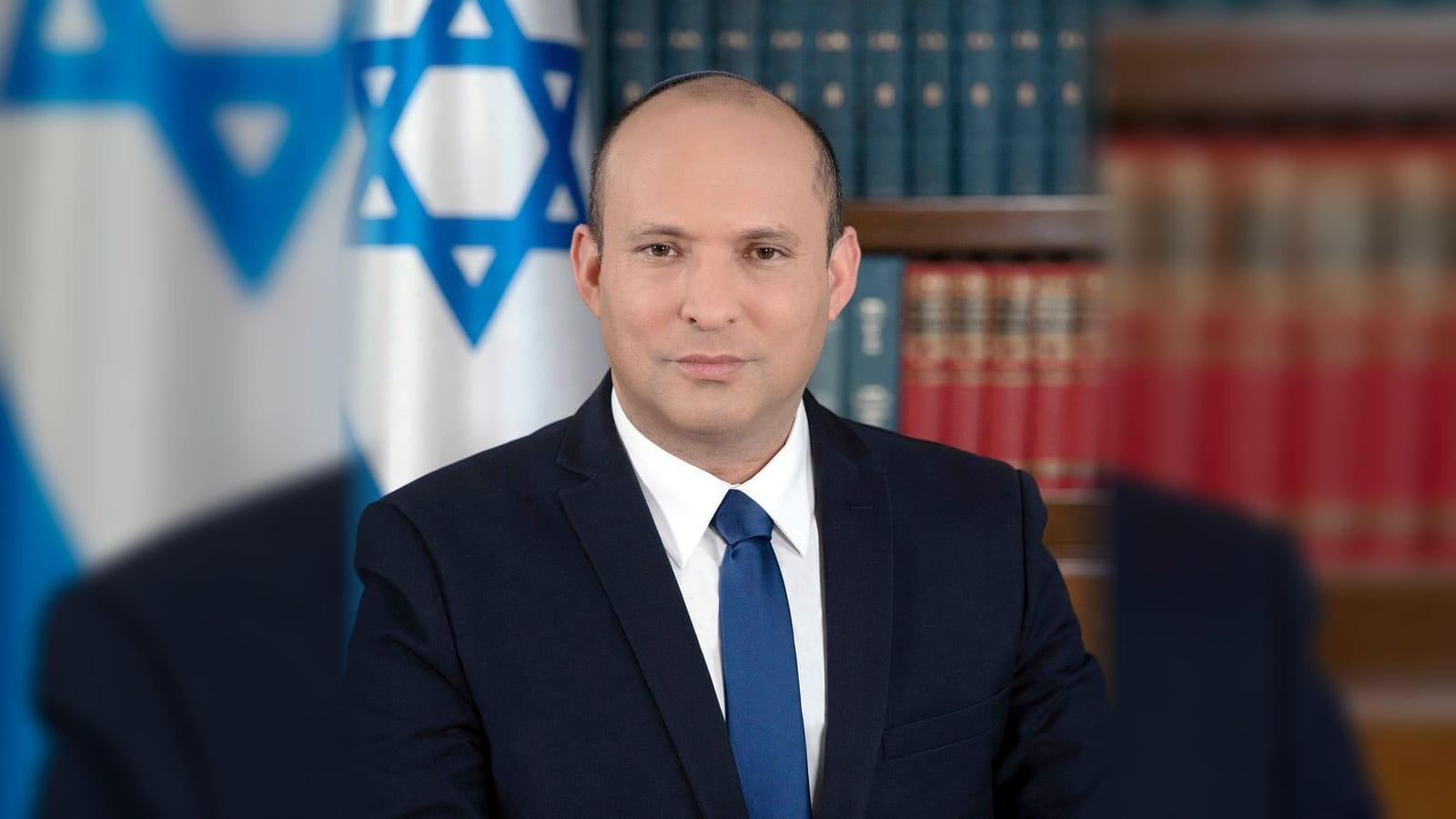
Bennett tells Netanyahu he will bear consequences if Eisenkot unity bid stalls
See Israel.com first in Google's top stories.Add it as a preferred source on Google
Sources and further reading
Every link below was opened and checked when this page was written. Official statements are marked as such: they are the subject's own account, not an independent one.
- Reportingamitsegalt.meAmit Segal
- Reportingtoitimesofisrael.comThe Times of Israel
How we checked this
Eisenkot's quoted remark comes from a Telegram post by journalist Amit Segal; The Times of Israel separately reported a dispute between Netanyahu and Eisenkot over the Iran threat. Liberman's comments and Netanyahu's position were not in the material we reviewed.
Our sourcing and corrections policy →The week from Israel, in one email
The stories that mattered, sourced and checked by the Israel.com newsroom. Free, weekly, one-click unsubscribe.
One list, unsubscribe in a click. See our privacy policy.
Latest
File photo
File photo
File photo
File photo

Illustration

Illustration