Netanyahu rebuts Eisenkot on Iran, links threats to call for unity government
Israel's prime minister said rivals play down grave threats for political reasons, and in his own post said most Israelis want a unity government.
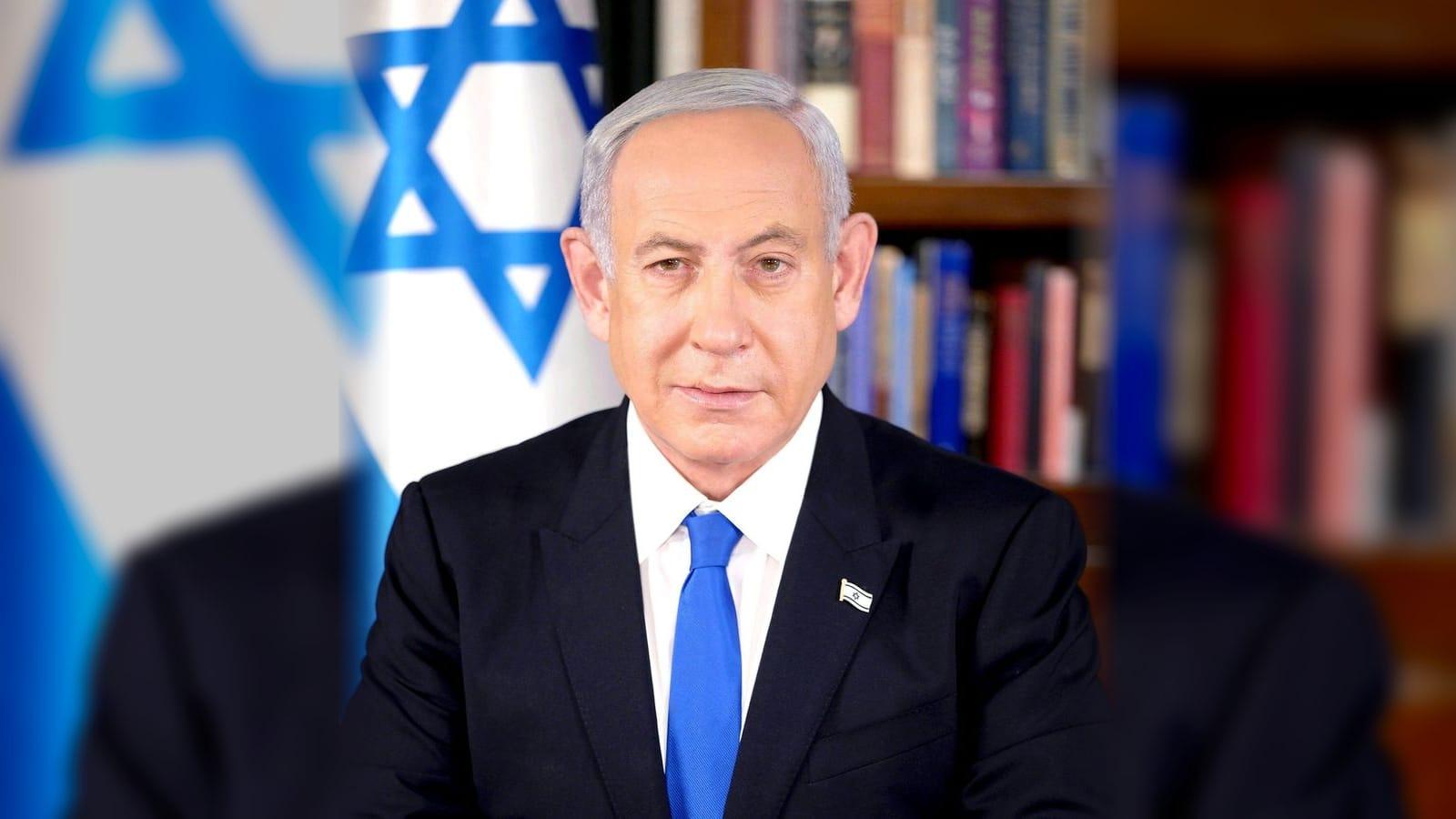
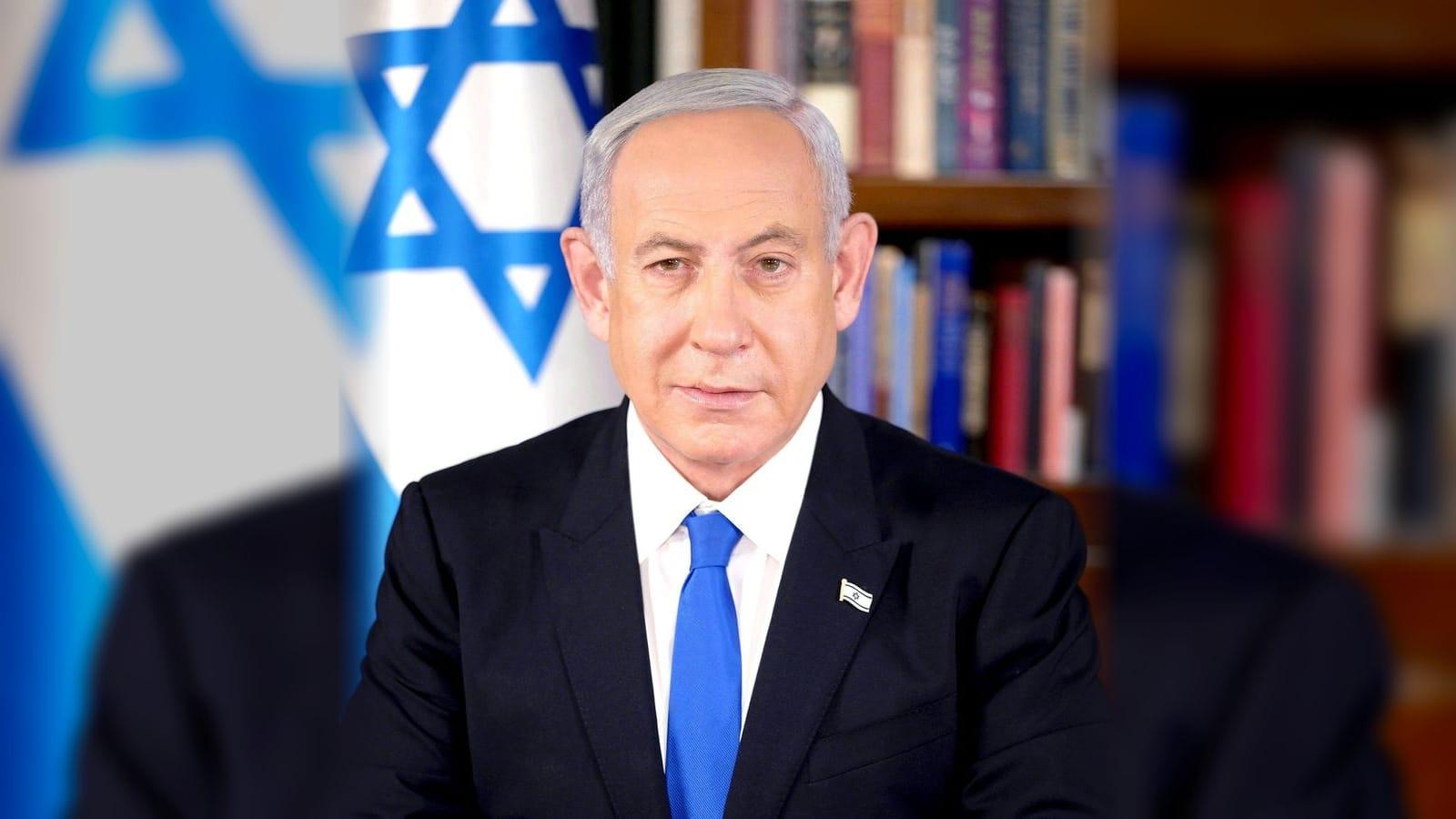
Benjamin Netanyahu. File photo by Avi Ohayon, CC BY-SA 3.0, via Wikimedia Commons.
One update since publication
- Netanyahu, in his own X post, linked his warning on threats to a call for a unity government.
This story is being added to as it develops. Earlier text is kept below the updates rather than rewritten, so what this page said at each point is still on it.
Update, 23 November, 17:07 Israel time
Netanyahu tied his warning about the threats facing Israel to a call for national unity. In a Hebrew post on his own X account, published shortly after the Likud faction remarks, he wrote that an overwhelming majority of Israelis want a unity government. He said they grasp that the country's ability to secure its existence against the grave threats around it depends on Israelis standing together.
The same post repeats, in his own words, the line already reported by other outlets: that those who belittle or shrink these severe threats do so for political motives, and that the danger is real and serious, as anyone versed in the material knows. The post speaks of threats surrounding Israel in general terms. It does not mention Iran or Eisenkot by name, and it does not say what form a unity government would take or whom it would include. These are Netanyahu's own claims about public opinion and the threat picture; the post cites no polling or intelligence to support them.
What the sources posted

רוב מוחץ של אזרחי המדינה כמהים לממשלת אחדות. הם מבינים אמת פשוטה: היכולת שלנו להבטיח את קיום המדינה מול האיומים הגדולים סביבנו תלויה באחדותנו. מי שמזלזל או מגמד את האיומים האלה - החמורים והקשים סביבנו - עושה זאת מסיבות פוליטיות. זה אמיתי, זה רציני וכל מי שבקיא בחומר יודע עד כמה Show more
The Times of Israel also reported the remarks, describing Netanyahu as accusing his rivals, in the plural, of minimizing security threats for political reasons and calling the danger immediate. Its report, as received, does not single out Eisenkot.
No response from Eisenkot or other opposition figures has been reported so far.
The story as first reported
Prime Minister Benjamin Netanyahu said on Monday that the threat Israel faces from Iran is immediate, and that anyone minimising it is acting out of political motives. Ynet's breaking-news channel framed the remarks as Netanyahu contradicting Eisenkot, quoting the prime minister as saying the danger from Iran is "immediate".
Get an email the day Israel has a new government.
Coalition talks can take weeks. When a government is sworn in, Israel.com's newsroom emails who leads it, which parties are in and who got which ministry, then the Friday email each week. Free, and one click unsubscribes.
One list, unsubscribe in a click. See our privacy policy.
In a further alert, Ynet quoted Netanyahu as saying that whoever shrinks the immediate and severe threats is doing so for political reasons. The Jerusalem Post reported the same message, quoting Netanyahu as saying the Iranian threats "are real", and a photo caption on its report places him at a Likud faction meeting on November 23, 2026.
What Netanyahu said
The fullest version of the quote came from News.co.il, which described the comments as Netanyahu's answer to Eisenkot. In its rendering, Netanyahu said that people who dismiss or belittle these threats are doing so for political reasons, adding: "It is real, it is serious", and that anyone familiar with the material knows just how serious it is.
The three outlets agree on the core of the statement: that Netanyahu described the Iranian threat as real and pressing, and that he attributed attempts to downplay it to politics. The wording differs slightly between them because the Hebrew reports are short alerts and the remarks were translated or condensed, but none of the reports contradicts another on substance.
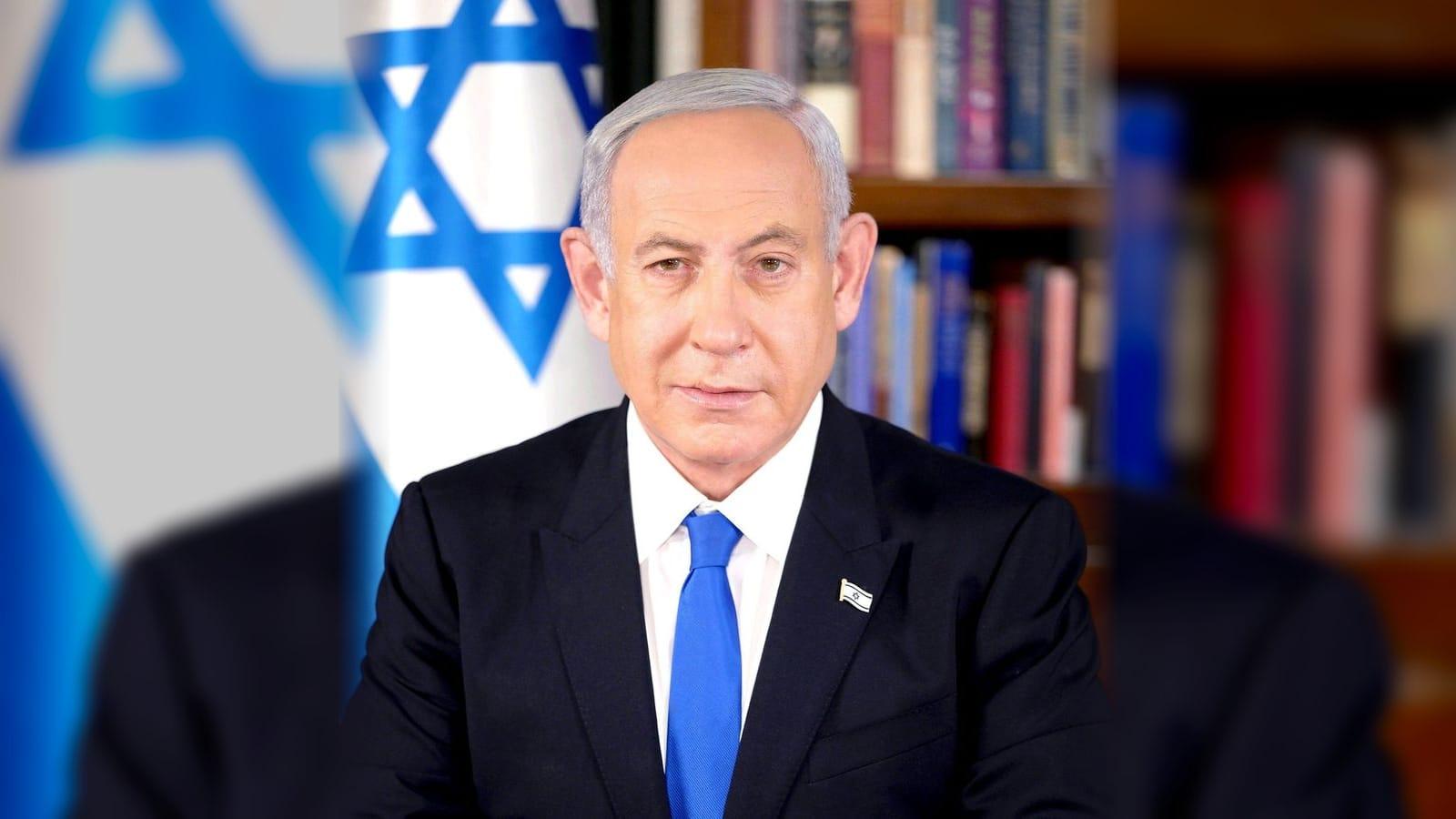
File photo
The setting: a Likud faction meeting
Likud is Netanyahu's party, the largest component of his governing coalition. Israeli parties hold faction meetings of their members of the Knesset, Israel's parliament, and the opening remarks at these sessions are often delivered in front of cameras. Party leaders, including the prime minister, regularly use that platform to respond to political rivals and to set out positions on security and policy, which is why remarks made there tend to reach news alerts within minutes.
Who Eisenkot is
Eisenkot is a former chief of staff of the Israel Defense Forces (IDF) who entered politics after leaving the military and is now a figure in the opposition to Netanyahu's government. His background as the army's top commander gives his views on security matters particular weight in Israeli public debate, and it means disagreements between him and the prime minister over the scale of external threats draw attention beyond ordinary partisan exchanges.
None of the reports sets out what Eisenkot said that prompted the response. They describe Netanyahu's remarks as a contradiction of, or answer to, Eisenkot, which suggests Eisenkot had characterised the Iranian threat differently, but the substance and wording of his comments are not given in the material.
Why Iran dominates the argument
Iran has for years been at the centre of Israel's security debate, and Netanyahu has made confronting it a defining theme of his political career. Arguments over how imminent the danger is are not only strategic: they shape how voters judge the government's record and its priorities, and they feed into competing claims about who is best placed to lead the country on security. Netanyahu's charge that rivals downplay the threat "for political reasons" fits that pattern, turning a question about intelligence assessments into a question about motives.
Netanyahu also suggested, according to News.co.il, that those with access to the relevant information understand the seriousness of the situation. He did not, in any of the reports, specify what that information is or which threats he was referring to beyond the general reference to Iran.
What the reports do not say
- None of the reports quotes or summarises the statement by Eisenkot that Netanyahu was responding to.
- No response from Eisenkot or his party to Netanyahu's remarks has been reported.
- Netanyahu did not, in the reported remarks, describe the specific threats he called immediate or offer evidence for his assessment.
People in this story: Benjamin Netanyahu
Read next
All government →
File photo
Government
Netanyahu offers unity talks without preconditions; Eisenkot calls it spin
File photo
Elections
Bennett pledges to back an Eisenkot-led government and rules out Netanyahu
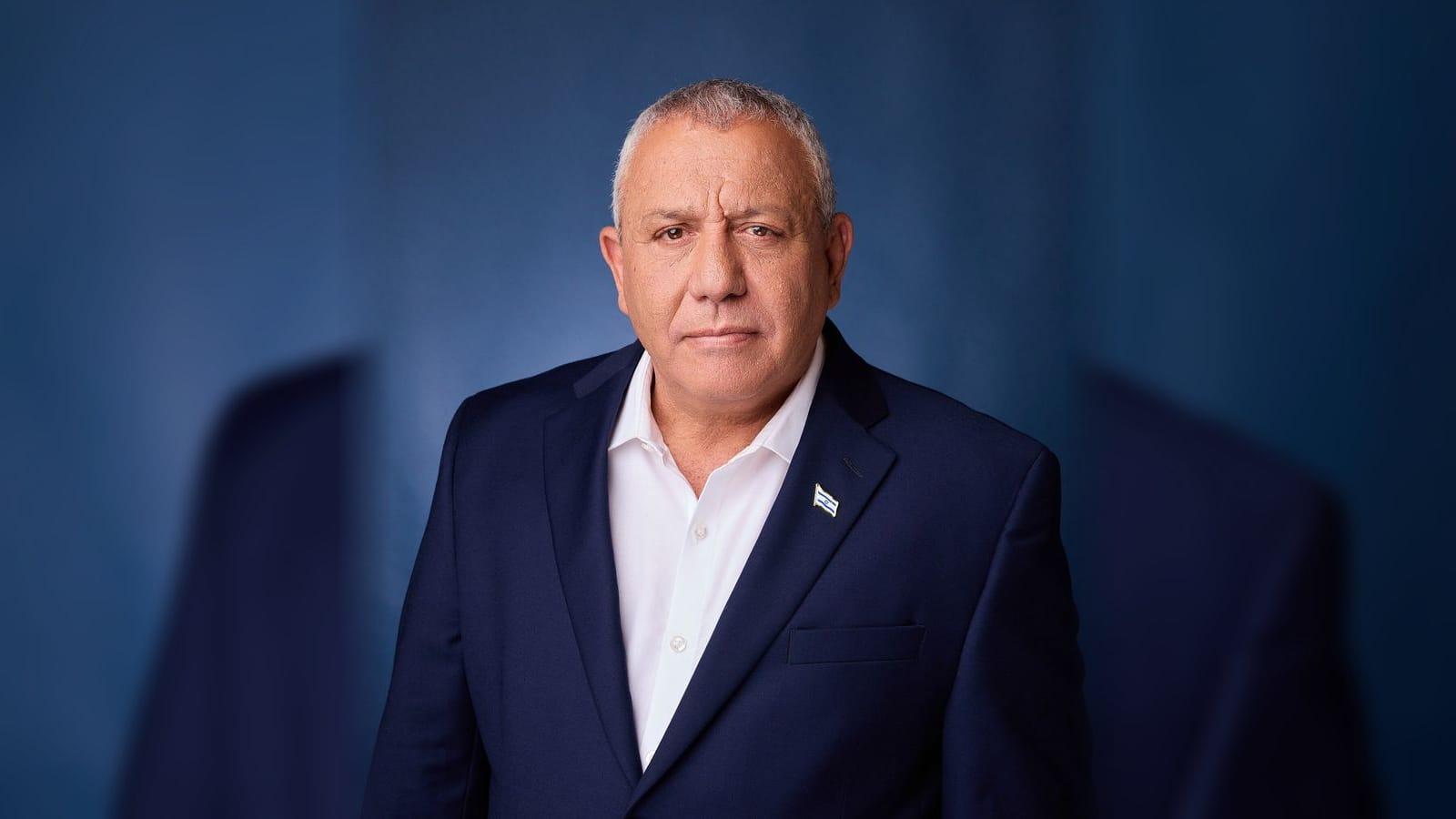
File photo
Government
Eisenkot calls Netanyahu a threat to democracy amid coalition talks
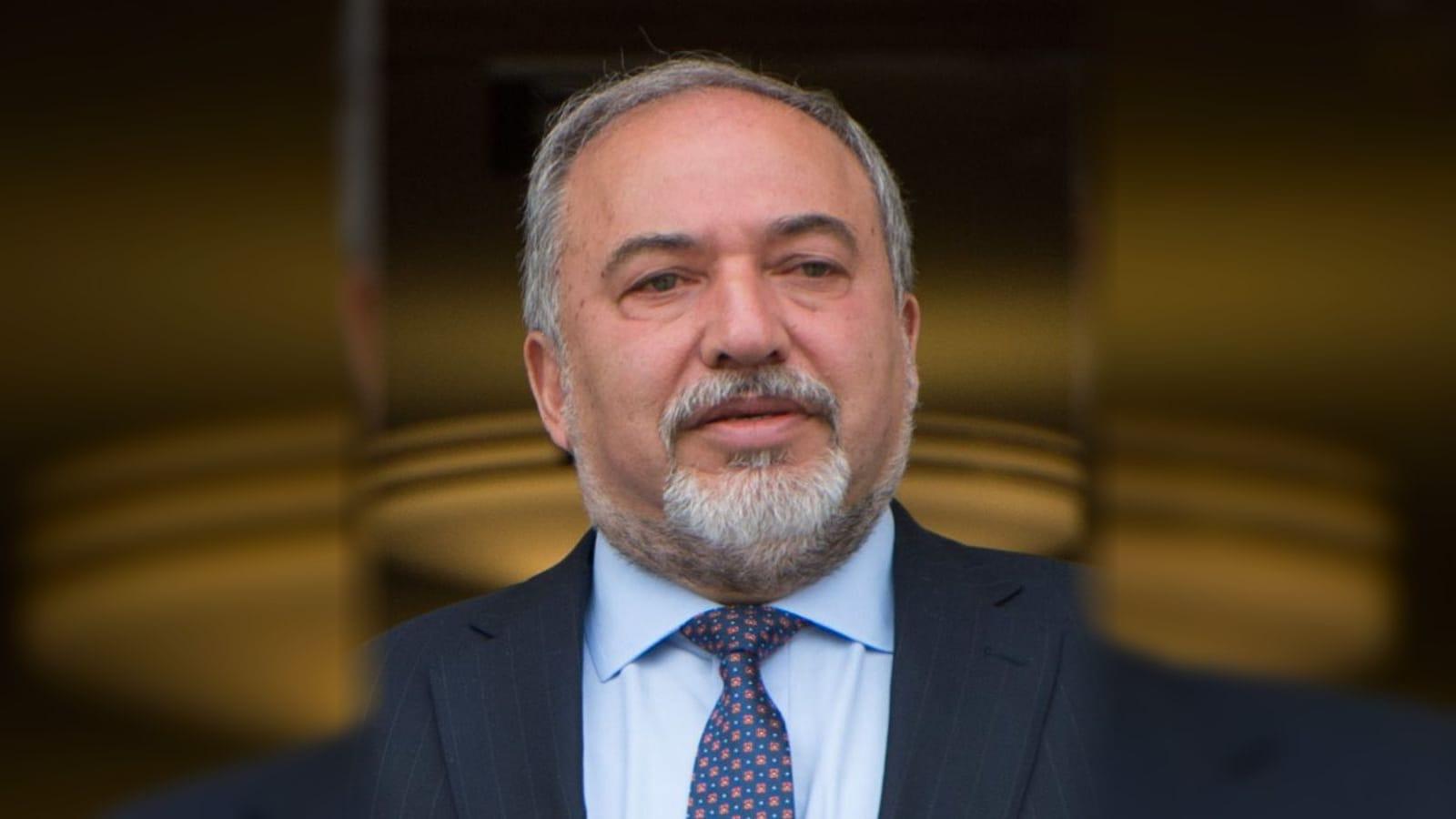
File photo
Security
Liberman calls a solo Netanyahu order to strike Iran 'manifestly illegal'
See Israel.com first in Google's top stories.Add it as a preferred source on Google
Sources and further reading
Every link below was opened and checked when this page was written. Official statements are marked as such: they are the subject's own account, not an independent one.
- Officialnetanyahux.comBenjamin Netanyahu on X
- Reportingyediotht.meYnet alerts
- Reportingyediotht.meYnet alerts
- Reportingjpostjpost.comThe Jerusalem Post
- Reportingnewssilt.meNews.co.il
- Reportingtoitimesofisrael.comThe Times of Israel
How we checked this
The remarks are reported consistently by Ynet, News.co.il, The Jerusalem Post and The Times of Israel, and Netanyahu repeated them in his own X post. His claims about public support for a unity government and the severity of the threats are his own and unsupported by evidence in the reports.
Our sourcing and corrections policy →The week from Israel, in one email
The stories that mattered, sourced and checked by the Israel.com newsroom. Free, weekly, one-click unsubscribe.
One list, unsubscribe in a click. See our privacy policy.

Israel.com is free, and readers like you keep it that way.
The Israel.com newsroom checks every story against its sources and publishes it free. If this one helped, a contribution of any size keeps the next one free too.
One payment, nothing to sign up for. Another amountGive monthly
Latest
Illustration

Illustration
File photo
File photo

File photo

Illustration