Eisenkot tells Knesset Iran poses no immediate threat requiring action
Speaking in the Knesset after a Netanyahu briefing, Gadi Eisenkot said Iran poses no immediate threat requiring military action before a new government is formed.
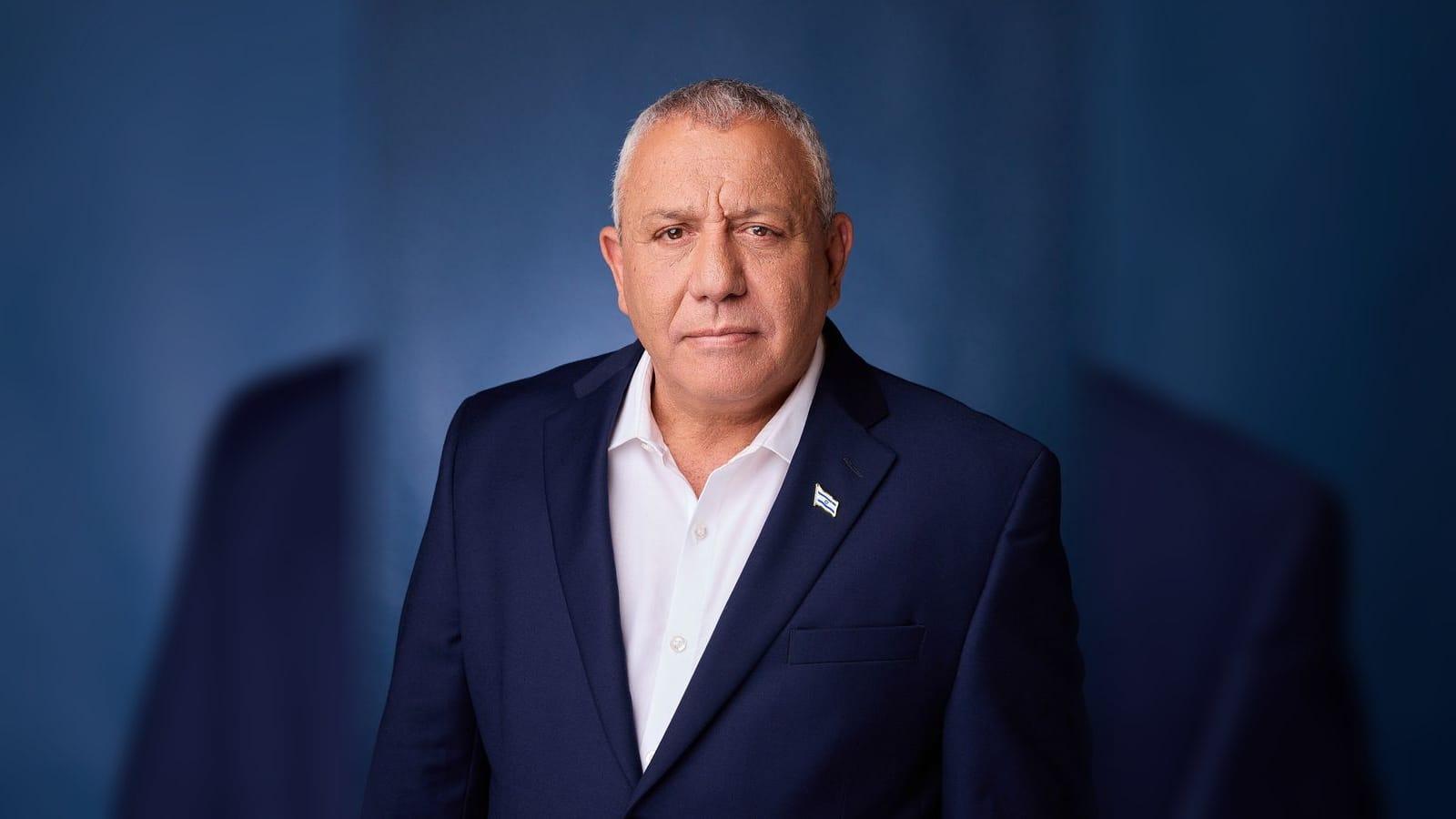
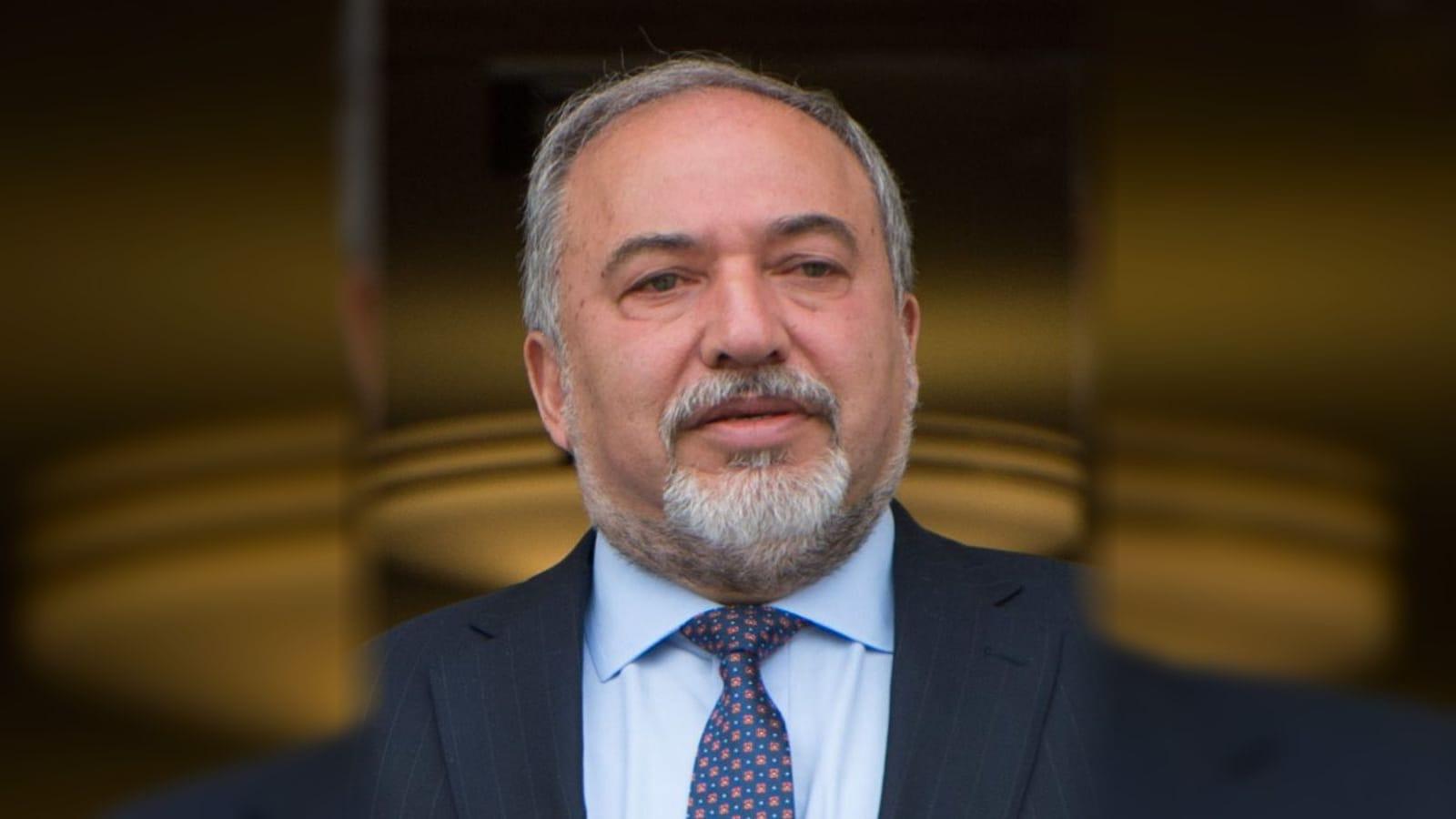
Gadi Eisenkot. File photo by יהב טרודלר (Yahav Trudler - Yahav Studio), CC BY-SA 3.0, via Wikimedia Commons.
One update since publication
- Eisenkot's Iran remark was made in the Knesset, News.co.il reports; Liberman separately called a solo Iran strike order illegal.
This story is being added to as it develops. Earlier text is kept below the updates rather than rewritten, so what this page said at each point is still on it.
Update, 23 November, 16:07 Israel time
Two further outlets have now reported Eisenkot's assessment, and one of them places it in the Knesset. News.co.il reported on its Telegram channel that Eisenkot made the remark in the Knesset, saying there was no urgency to act in Iran before the new government is sworn in. That answers, in part, the question of where he spoke, which earlier reports did not address.
The Times of Israel carried the statement on its live blog, framing it as Eisenkot seeing no immediate Iranian threat that calls for military action. The web address of that entry also indicates that Eisenkot said Israel should concentrate on removing or destroying Tehran's enriched uranium. The full text of the entry was not available in the material reviewed, so the wording and context of that point cannot yet be confirmed.
In the same post, News.co.il reported a separate remark by Avigdor Liberman, also speaking in the Knesset. Liberman said that if Netanyahu were to order an independent strike on Iran, that would be a manifestly illegal order. The report does not say whether he was responding to Eisenkot, and no reaction from Netanyahu's office to either statement appears in the new reports.
The story as first reported
Gadi Eisenkot, the former chief of staff of the Israel Defense Forces who now sits in opposition politics, said he does not see Iran as a direct and immediate threat to Israel that would require action before a new government is formed. He made the remark after receiving a security update from Prime Minister Benjamin Netanyahu, according to political commentator Amit Segal, who published the quote on his Telegram channel.
In the words Segal attributed to him, Eisenkot said that on the matter of Iran, he does not see today "a direct and immediate threat" to the State of Israel that demands action ahead of the formation of a government. N12, the Israeli television news channel, carried the same quote on its own news feed, crediting it to Segal.
Get an email the day Israel has a new government.
Coalition talks can take weeks. When a government is sworn in, Israel.com's newsroom emails who leads it, which parties are in and who got which ministry, then the Friday email each week. Free, and one click unsubscribes.
One list, unsubscribe in a click. See our privacy policy.
Who Eisenkot is
Eisenkot led the Israel Defense Forces, Israel's military, as chief of staff before entering politics. His background as the country's most senior soldier gives his assessments on security weight with parts of the Israeli public, and he has been a critic of Netanyahu from the opposition benches. That combination is what made his comment notable: it came from a former military chief speaking after he had been given the government's own security picture, not from an outsider without access to it.
What a security briefing to the opposition means
In Israel, the prime minister can share sensitive security information with senior opposition figures, particularly when a decision with national consequences may be on the table. Such briefings are typically confidential. The reports do not describe what Netanyahu told Eisenkot, how long the meeting lasted or who else attended. The only content made public is Eisenkot's own conclusion afterwards, as relayed by Segal.
The word "also" in Segal's framing, which says Eisenkot held this view even after the update, suggests the remark was meant as a response to an expectation that the briefing might change his position. The reports do not spell out what that expectation was.
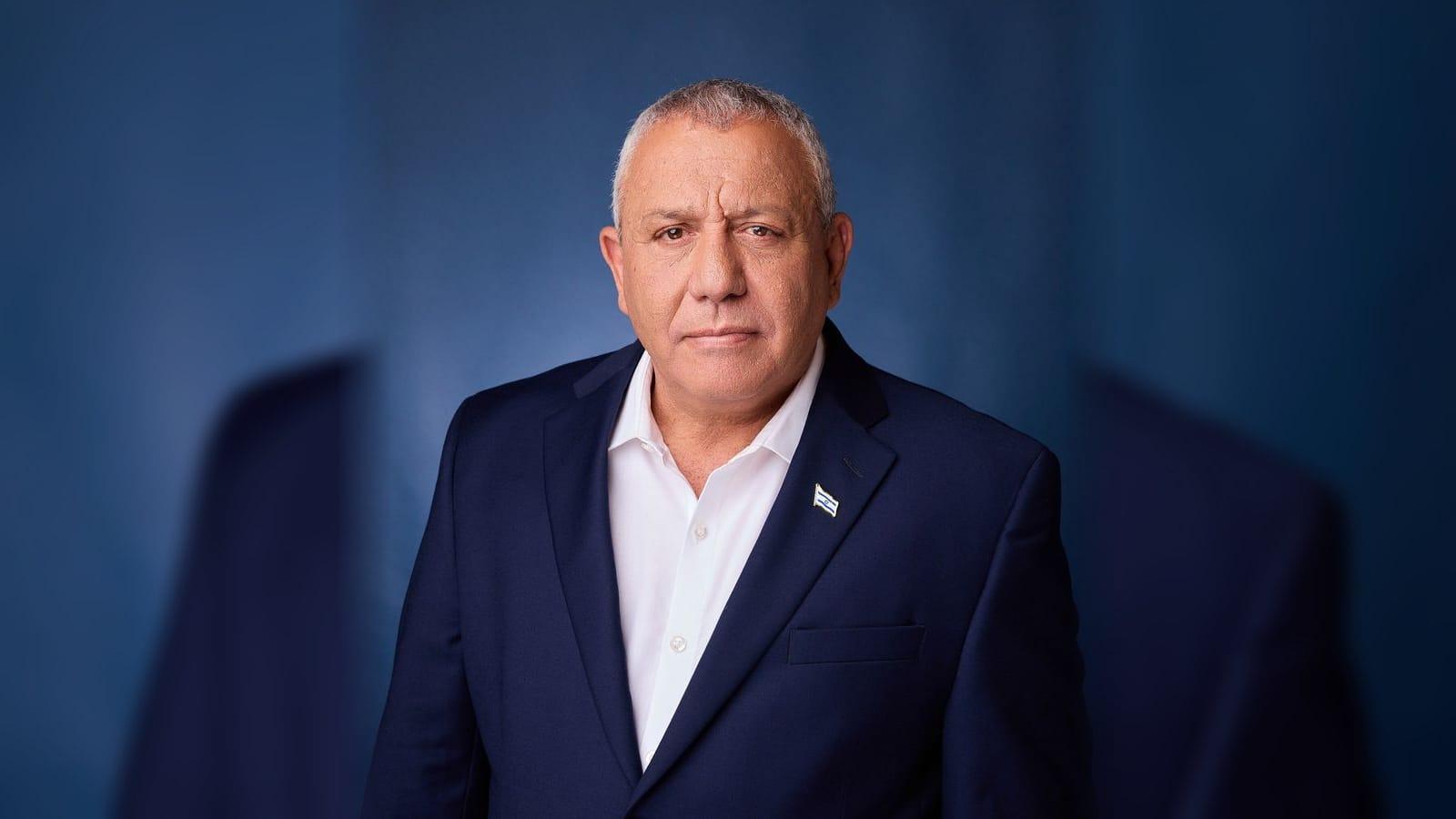
File photo
Next story Government
Eisenkot's Yashar! to meet Likud again in the Knesset despite Golan objections
Why the timing matters
Eisenkot tied his assessment to the formation of a government. In Israel's parliamentary system, a government is formed when a candidate assembles a coalition with majority backing in the Knesset, the country's parliament. Until that happens, the outgoing government continues to serve in a caretaker capacity. Whether a caretaker government should take major security decisions, such as military action, is a recurring debate in Israeli politics, because such steps bind whoever governs next.
By saying he saw no threat requiring action before a government is in place, Eisenkot was in effect arguing that there is no security urgency that would justify such a decision during the current interim period. The reports do not say whether any such action had been proposed.
Iran in Israeli security debate
Iran has for years been treated by Israeli governments of all stripes as the country's principal strategic threat, because of its nuclear programme, its missile arsenal and its support for armed groups hostile to Israel. Disagreements in Israel tend to be less about whether Iran is a danger and more about timing, method and who should make the call. Eisenkot's statement fits that pattern: he did not dismiss Iran as a concern, but drew a line around the word "immediate".
How this was reported
Both reports trace to a single source. Segal posted the quote first, and N12's feed reproduced it minutes later with credit to him. There is no second, independent account of what Eisenkot said, and no video or written statement from Eisenkot himself appears in the material.
What the reports do not say
The reports do not say where or how Eisenkot made the remark, whether in an interview, a meeting or a written message. They do not record any response from Netanyahu's office, and they give no indication of what the security update contained or why it was given at this point. It is also not stated whether other opposition leaders received the same briefing or reached a similar view.
People in this story: Gadi Eisenkot, Benjamin Netanyahu, Amit Segal
Read next
All government →
File photo
Government
Eisenkot plans Knesset vote on an emergency government if unity talks fail

File photo
Government
Eisenkot condemns Olam Katan cover mocking Knesset speaker Matan Kahana

File photo
Elections
Kahana elected Knesset speaker 66-52; Likud condemns, Eisenkot bloc celebrates
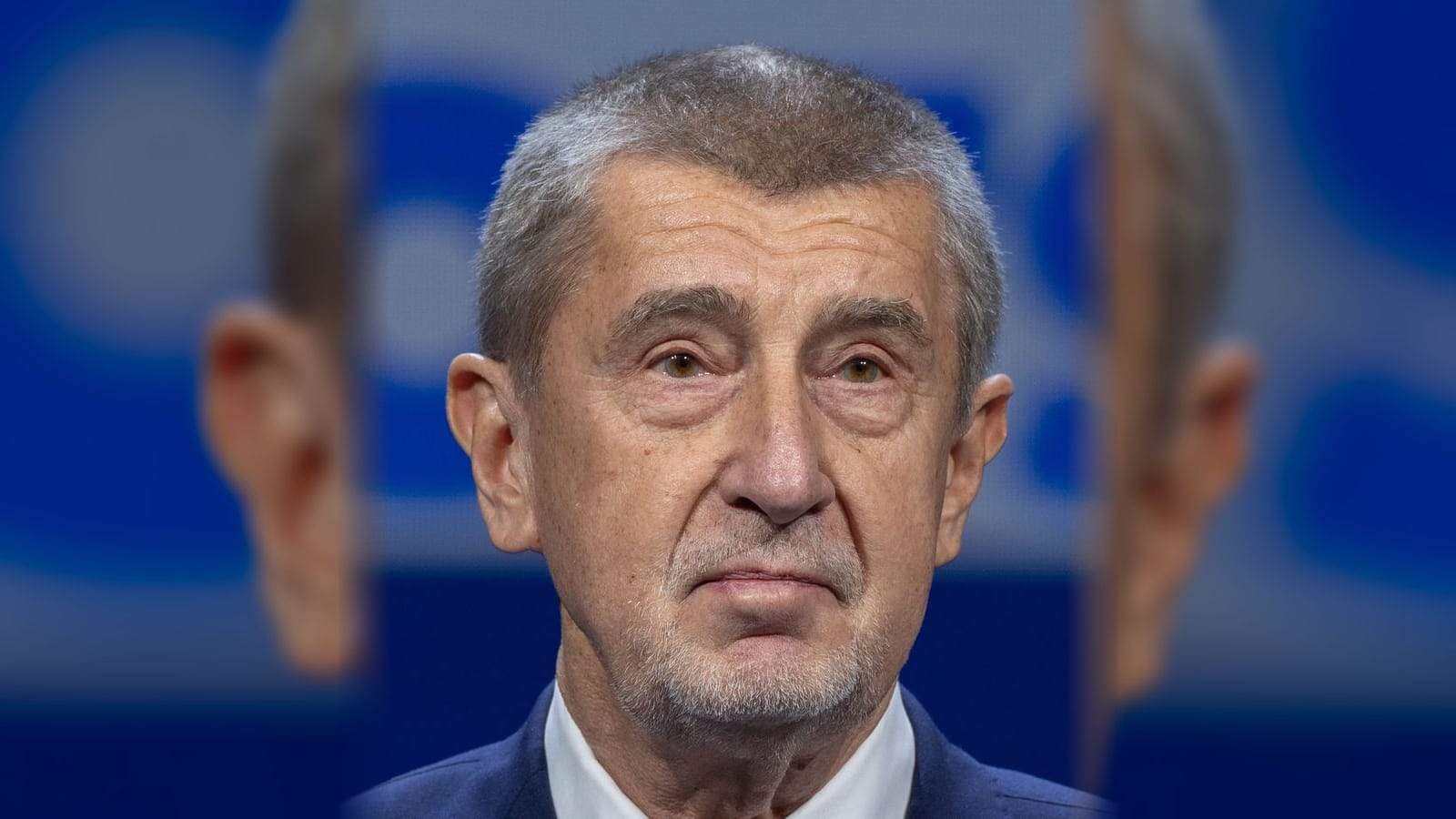
File photo
Elections
Czech PM Babis meets Gadi Eisenkot at the Knesset at Prague's request
See Israel.com first in Google's top stories.Add it as a preferred source on Google
Sources and further reading
Every link below was opened and checked when this page was written. Official statements are marked as such: they are the subject's own account, not an independent one.
- Reportingamitsegalt.meAmit Segal
- Reportingkeshett.meN12
- Reportingtoitimesofisrael.comThe Times of Israel
- Reportingnewssilt.meNews.co.il
How we checked this
Eisenkot's statement is now carried by Amit Segal, N12, The Times of Israel and News.co.il, though it is unclear whether these are independent accounts. The Knesset venue rests on News.co.il, and the enriched uranium point appears only in a Times of Israel web address.
Our sourcing and corrections policy →The week from Israel, in one email
The stories that mattered, sourced and checked by the Israel.com newsroom. Free, weekly, one-click unsubscribe.
One list, unsubscribe in a click. See our privacy policy.

Israel.com is free, and readers like you keep it that way.
The Israel.com newsroom checks every story against its sources and publishes it free. If this one helped, a contribution of any size keeps the next one free too.
One payment, nothing to sign up for. Another amountGive monthly
Latest

Illustration

Illustration
File photo
Illustration

Illustration
Illustration