Liberman calls a solo Netanyahu order to strike Iran 'manifestly illegal'
Avigdor Liberman said an order by Prime Minister Benjamin Netanyahu to attack Iran independently would be unlawful, invoking a loaded term in Israeli military law.
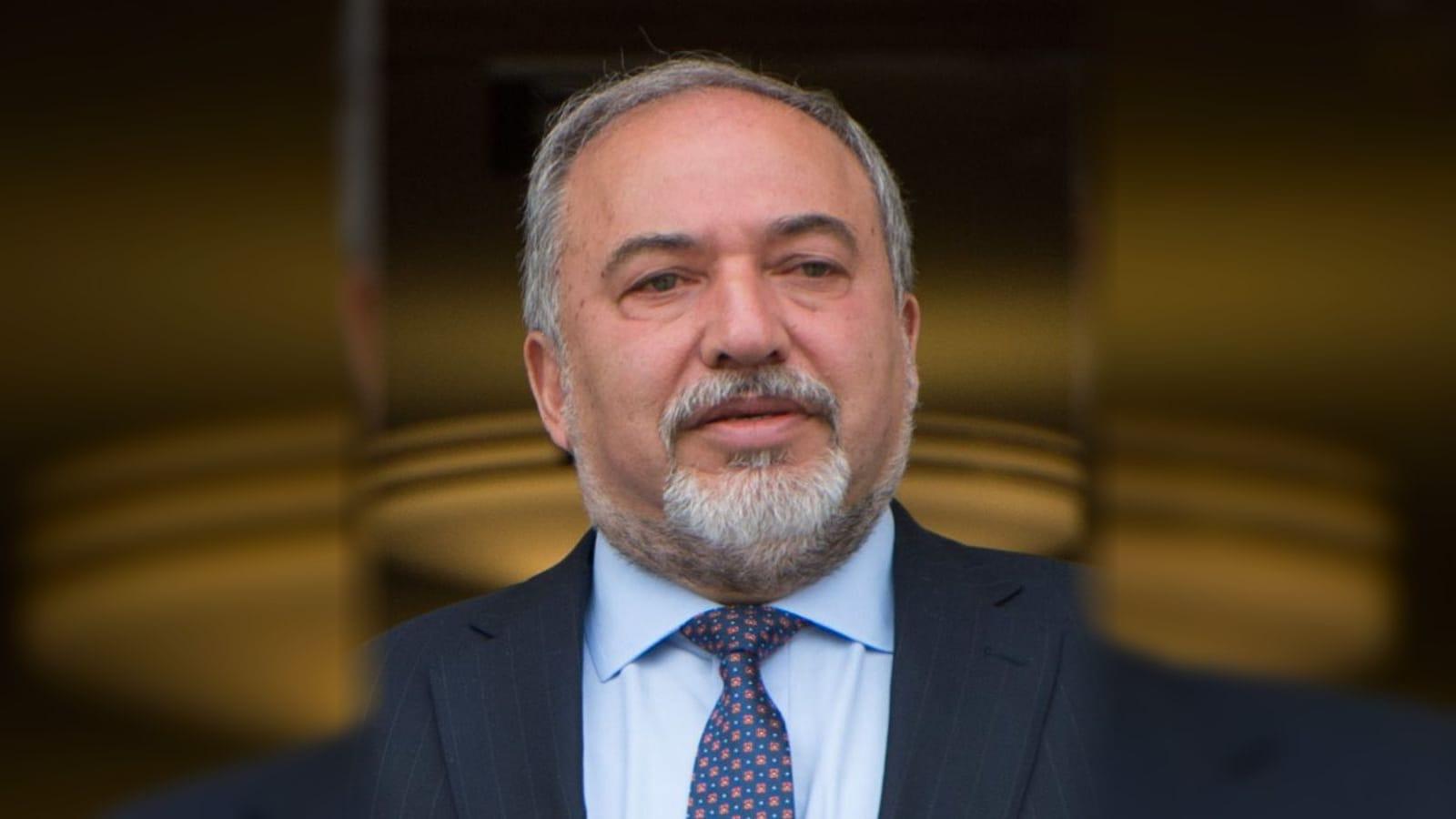
Avigdor Liberman. File photo by Jim Mattis, public domain, via Wikimedia Commons.
Avigdor Liberman, the leader of the Yisrael Beytenu party, said on Monday that if Prime Minister Benjamin Netanyahu were to order an independent attack on Iran, that instruction would be a manifestly illegal order. Ynet carried the remark in a breaking news alert, quoting Liberman as saying that such an order from Netanyahu would be "a manifestly illegal order."
N12, the news site of Israel's Channel 12, reported the same statement, attributing it to its correspondent Yaron Avraham and saying Liberman spoke following an exposé by Channel 12 News. Neither outlet, in the alerts available, described what that exposé contained or what plan, if any, it concerned.
Who Avigdor Liberman is
Liberman heads Yisrael Beytenu, a right-wing secular party whose name means "Israel Our Home." He has held senior posts in past Israeli governments, including defence minister and foreign minister, and has been a prominent critic of Netanyahu in recent years. His comments therefore come from a politician with long experience of Israel's security establishment, but they remain his own position, not that of the government or the military.
What a "manifestly illegal order" means in Israel
The Hebrew phrase Liberman used, pkuda bilti chukit be'alil, is a term with specific weight in Israeli law and military culture. Israeli soldiers are generally required to obey orders, but the law and the military's ethical code recognise an exception: an order that is so plainly unlawful that its illegality is obvious on its face. Israeli courts have described such an order as one over which a "black flag" flies. Soldiers are expected to refuse an order of this kind, and obeying it does not shield them from responsibility.
By using this phrase rather than simply calling a decision unwise or improper, Liberman framed a hypothetical order from the prime minister in the strongest legal language available in Israeli public debate about the chain of command. The alerts do not report him setting out the legal basis for that characterisation, such as which procedure or authority he believes would be bypassed.
Israel's week in five stories, every Friday
Sourced and checked by the Israel.com newsroom, with Shabbat times. Free, one-click unsubscribe.
One list, unsubscribe in a click. See our privacy policy.
The word "independently"
Both reports quote Liberman as referring to an independent strike on Iran. The alerts do not explain what he meant by independent. In Israeli political discussion the word can refer to acting without coordination with allies, or to a prime minister acting without the approval of the bodies that normally authorise military action, such as the security cabinet. The available reports do not say which of these, if either, Liberman had in mind, and Israel.com is not in a position to infer it.
How decisions on war are made
In Israel, major military operations are typically approved by the government or by its security cabinet, a smaller forum of senior ministers that deals with defence and foreign policy. The prime minister chairs that forum but does not, as a matter of normal practice, act alone on decisions of this scale. Questions about whether the prime minister could bypass these bodies have surfaced in Israeli debate before, and Liberman's remark places itself in that argument. The reports do not say whether the Channel 12 exposé alleged any such bypass.
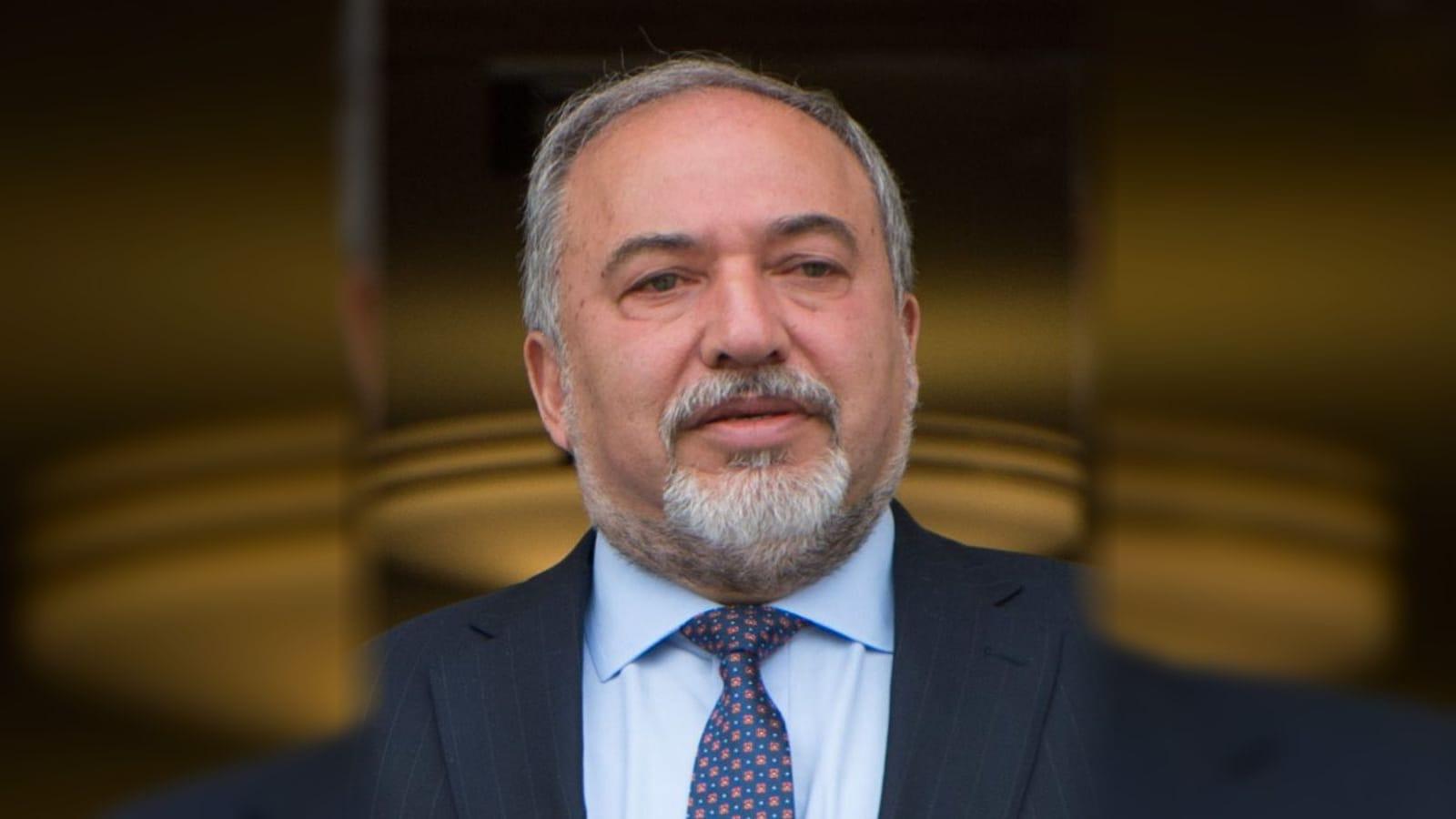
File photo
Next story Security
Liberman to get security briefing from Netanyahu's military secretary
Iran in Israeli politics
Iran has for many years been at the centre of Israeli security policy, with successive governments describing its nuclear programme and its support for armed groups in the region as a central threat. Debate in Israel has rarely been about whether Iran is a threat, and more often about how and when to act, and who has the authority to decide. Liberman's statement addresses that last question.
What the reports do not say
The alerts do not describe the Channel 12 exposé that, according to N12, prompted Liberman's comment, nor do they say whether Netanyahu has issued, considered or been reported to be considering any such order. No response from the Prime Minister's Office, the military or the Attorney General has been reported. The alerts also do not record Liberman explaining what would make the order illegal or what he would expect soldiers or officials to do in response.
People in this story: Benjamin Netanyahu, Yaron Avraham
Read next
All security →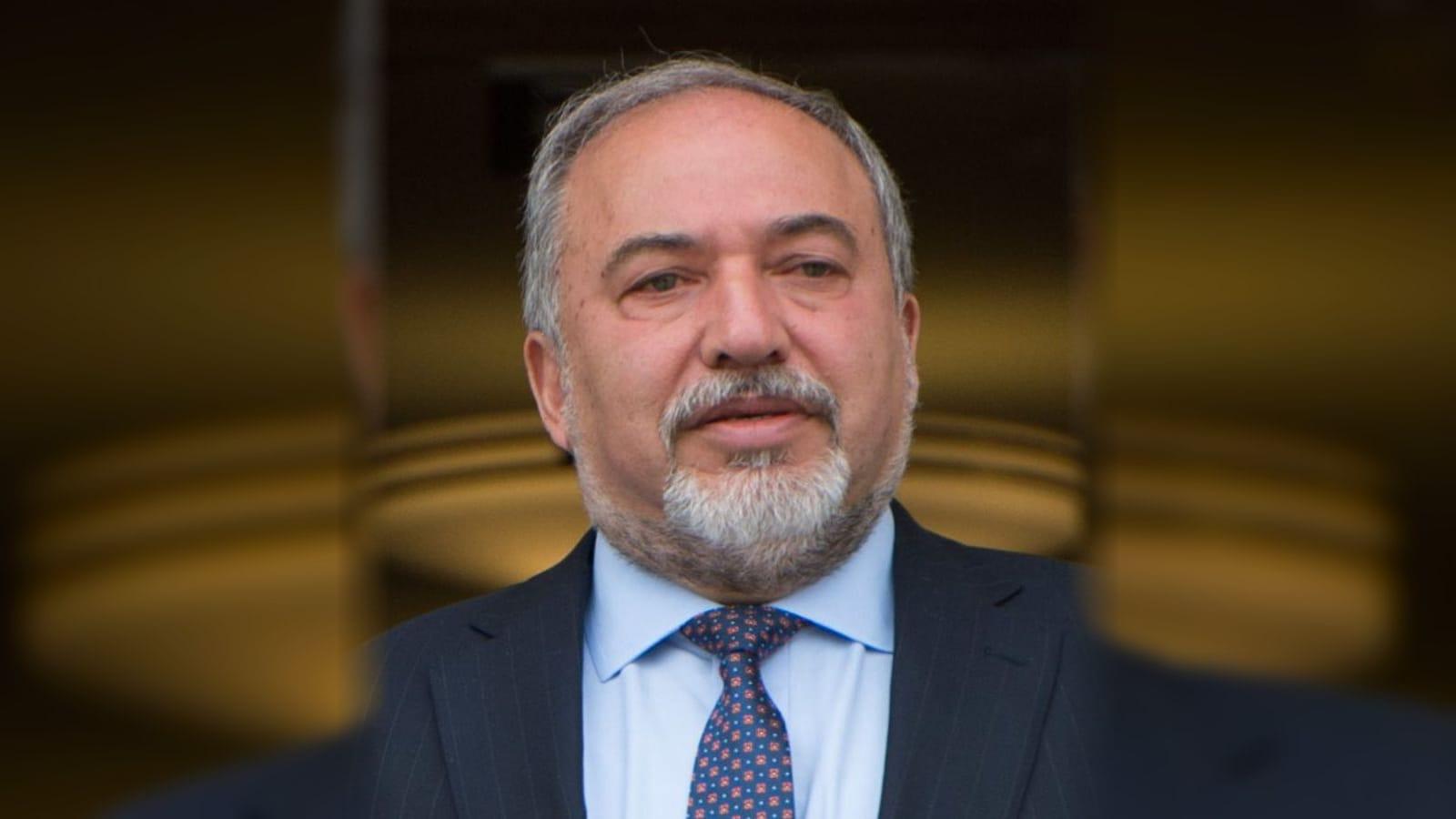
File photo
Security
Liberman says a new strike on Iran now would be politically motivated
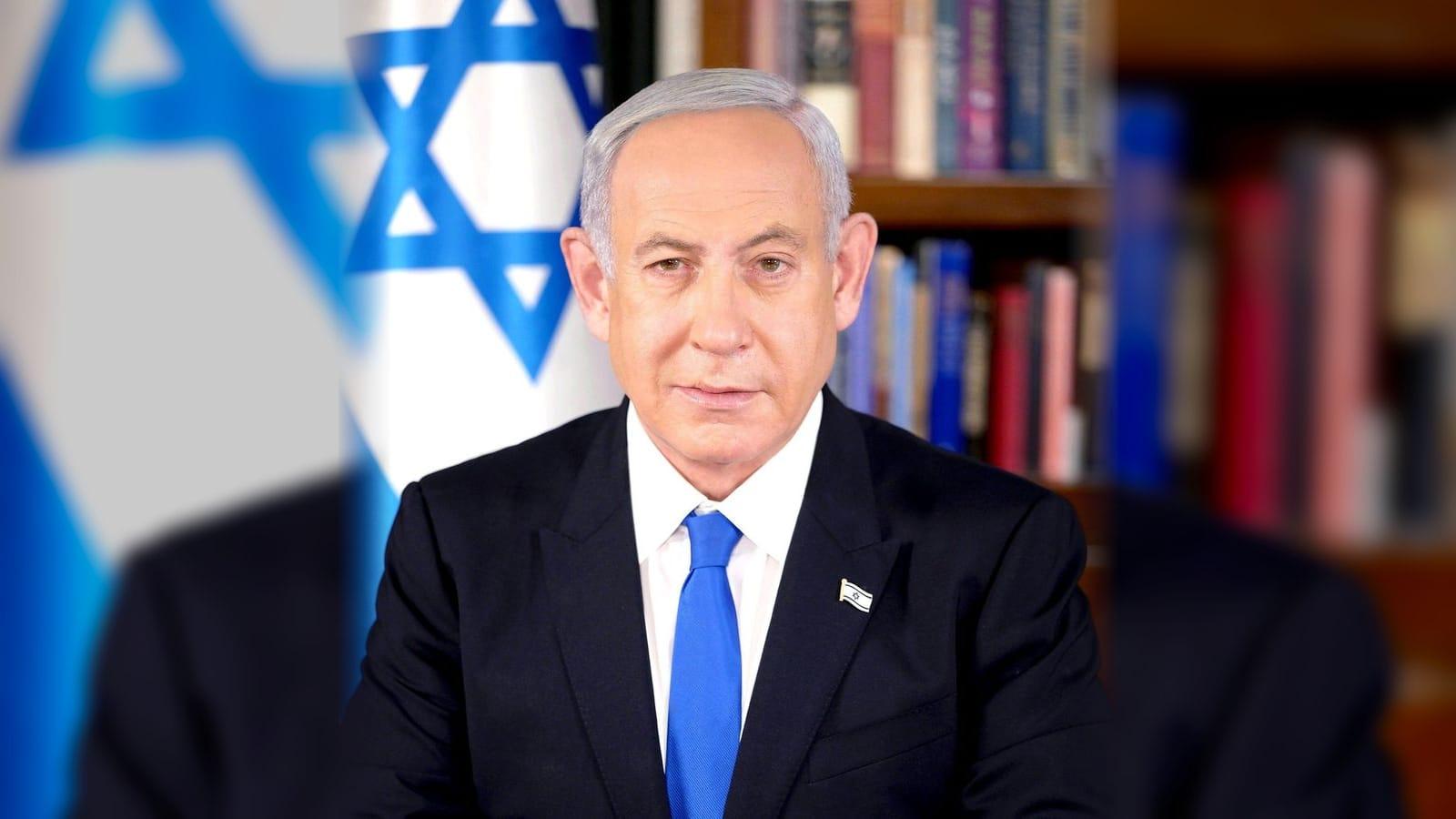
File photo
Elections
Netanyahu tells Bennett, Eisenkot and Liberman Israel faces a historic crossroads
File photo
Security
Trump tells Axios he is in no hurry to strike Iran as Netanyahu presses
File photo
Security
Netanyahu urges short Iran campaign as Trump reviews Pentagon strike options
See Israel.com first in Google's top stories.Add it as a preferred source on Google
Sources and further reading
Every link below was opened and checked when this page was written. Official statements are marked as such: they are the subject's own account, not an independent one.
- Reportingyediotht.meYnet alerts
- Reportingkeshett.meN12
How we checked this
The statement was reported separately by Ynet and N12, both quoting Liberman in near-identical terms. The link to a Channel 12 News exposé comes from N12 alone, and the exposé's contents are not described in either report.
Our sourcing and corrections policy →The week from Israel, in one email
The stories that mattered, sourced and checked by the Israel.com newsroom. Free, weekly, one-click unsubscribe.
One list, unsubscribe in a click. See our privacy policy.
Latest
File photo

Illustration

Illustration
Illustration

Illustration

Illustration