Freed hostage Liri Albag confronts director of Venice documentary 'NAZA'
Israelis released from captivity in Gaza have publicly criticised the documentary and its co-creator Yuval Abraham, saying the film leaves out what they endured.
Illustration
A group of Israelis who were held hostage in Gaza and later released have publicly criticised the documentary NAZA, which was screened in competition at the Venice International Film Festival. The Jerusalem Post reported that former hostages attacked the film and accused those behind it of writing their suffering out of the picture.
Among them is Liri Albag, one of the hostages freed from captivity in Gaza, who directed her criticism at the film's creator, Yuval Abraham. In remarks published by the Israeli broadcaster N12, Albag addressed Abraham directly, saying that had he been in the communities bordering the Gaza Strip on October 7, none of the attackers would have stopped to say, in her words, "hey, leave him alone, he is fine, we do not hurt him." The quotation is rendered here from the Hebrew as published by N12.
What the film is and where it was shown
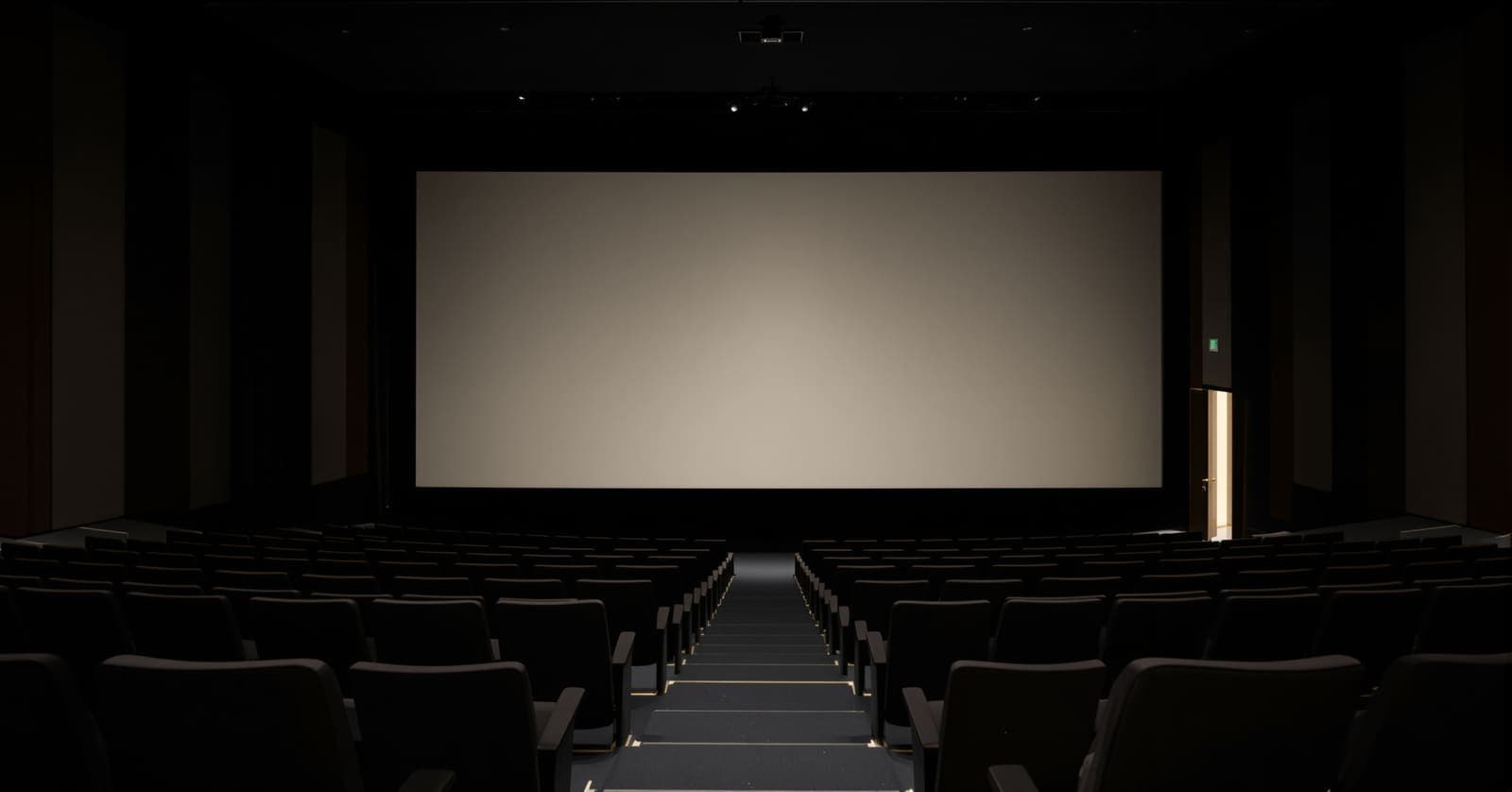
The Venice International Film Festival, held annually on the Lido in Venice, is one of the oldest and most closely watched film festivals in the world, and its competition slate regularly draws international press attention to documentaries about ongoing conflicts. A Reuters photograph carried by The Jerusalem Post is captioned as showing the screening of the documentary at the 83rd edition of the festival on 10 September 2026.
The reports differ on how the film is named. The Jerusalem Post and N12 refer to it as NAZA, while the Israeli outlet News.co.il refers to it by a Hebrew title meaning "collateral damage." The material available does not explain whether these are alternative titles for the same work in different markets, and neither version is presented here as the definitive one.
Who Liri Albag is in this story
Albag is described in the Hebrew reports as a survivor of captivity, the standard term used in Israeli media for a person taken hostage and later returned. Hostages seized during the Hamas-led assault on southern Israel on October 7 were held in the Gaza Strip, and those who came back have become a prominent public voice in Israel, speaking at rallies, before parliamentary committees and in the media about the conditions in which they were held.
The area Albag refers to is known in Hebrew as the Otef Aza, usually translated as the Gaza envelope: the belt of kibbutzim, moshavim and towns immediately alongside the Gaza Strip that bore the first hours of the attack. Her argument, as reported, is a challenge to the filmmaker about what the attackers would or would not have done had he been there.
Why documentaries about the war draw this kind of response
Films dealing with the war have become a recurring flashpoint in Israeli public debate, particularly when they premiere at major European festivals and are received by international audiences before Israeli ones. Former hostages and bereaved families have repeatedly argued that accounts of the conflict produced for foreign festivals leave out the events of October 7 and the experience of captivity. The criticism reported here follows that pattern, though the reports do not place it in any wider campaign.
What the reports do not say
The available material is limited, and several basic points are unresolved. It does not describe the content of the documentary, its subject matter, its running time or who else worked on it alongside Yuval Abraham. It does not say how many former hostages joined the criticism, whether they issued a joint statement or spoke individually, or on what platform Albag's remarks were first made.
No response from Abraham or from anyone else connected to the film appears in the reports, and there is no indication that one was sought or declined. The reports also do not say whether the film has been or will be shown in Israel, how it was received by the festival jury or audience, or whether any festival body has commented. Because the Hebrew items are brief social posts rather than full articles, the fuller account of the exchange rests on a single report.
Sources and further reading
Every link below was opened and checked when this page was written. Official statements are marked as such: they are the subject's own account, not an independent one.
- Reportingjpostjpost.comThe Jerusalem Post
- Reportingnewssilt.meNews.co.il
- Reportingkeshett.meN12
How we checked this
The criticism was reported by The Jerusalem Post, N12 and News.co.il; the quotation attributed to Liri Albag appears in the Hebrew post published by N12 and is translated here. The film's content, the number of former hostages involved and any response from the filmmakers are not covered in the available reports.
Our sourcing and corrections policy →The week from Israel, in one email
The stories that mattered, sourced and checked by the Israel.com newsroom. Free, weekly, one-click unsubscribe.
One list, unsubscribe in a click. See our privacy policy.
More in Security
All security →

Latest
- Netanyahu to fly to New York next week for UN General Assembly address
- IDF spokesman asks 'NAZA' directors to screen full film for the military
- Israeli forecasters warn of heat stress across most of the country
- US airman shot down over Iran tells 60 Minutes of his rescue
- Chief of staff Eyal Zamir to weigh response to NAZA documentary
- IDF says Hebron raid stopped a planned shooting attack over Rosh Hashanah