Iran truckers strike over fuel as bread limits reported in several provinces
Israel Hayom reports unauthorised trucker strikes and spreading blackouts in Iran, while opposition channels say bread sales are being rationed in some provinces.
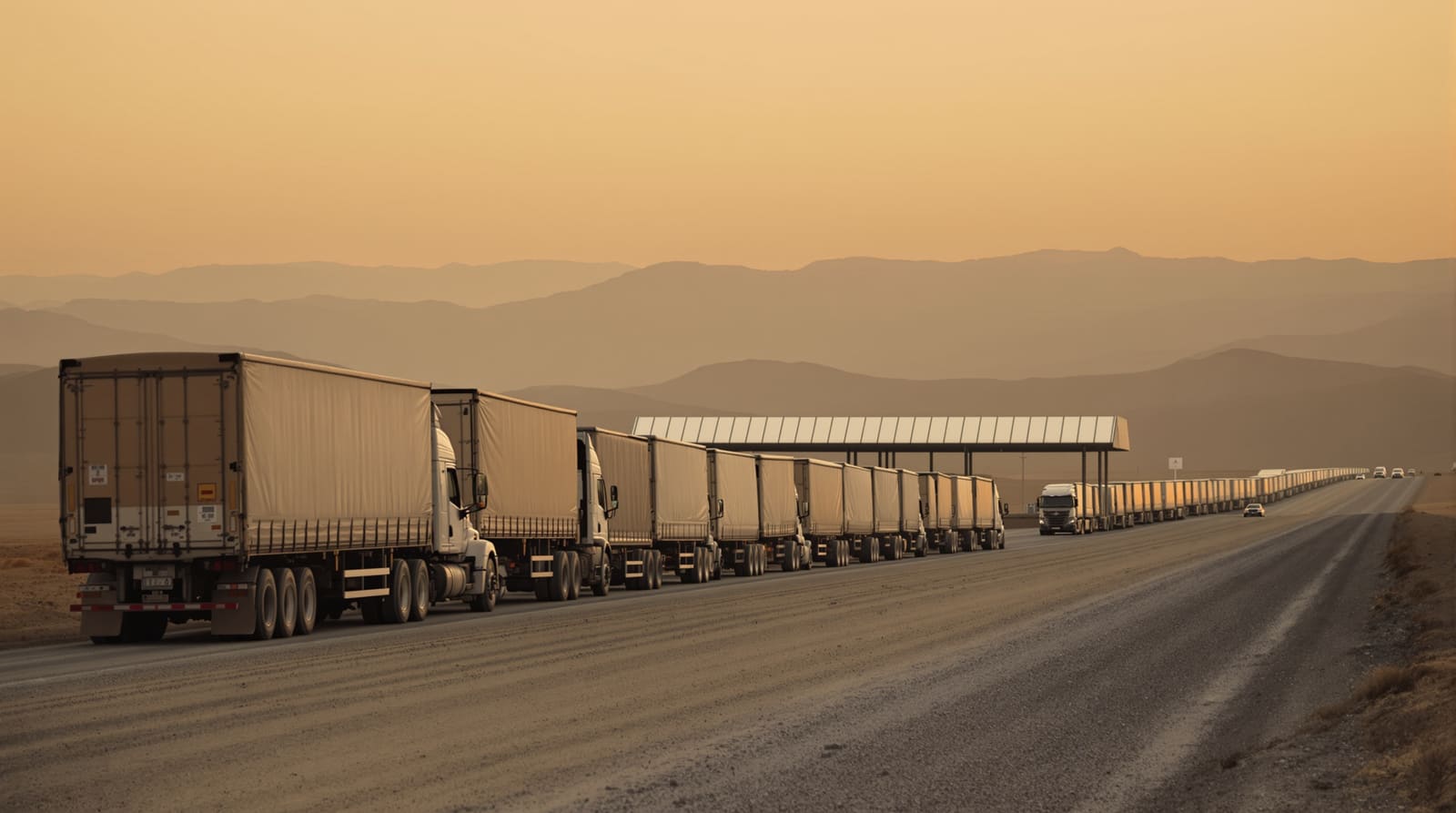
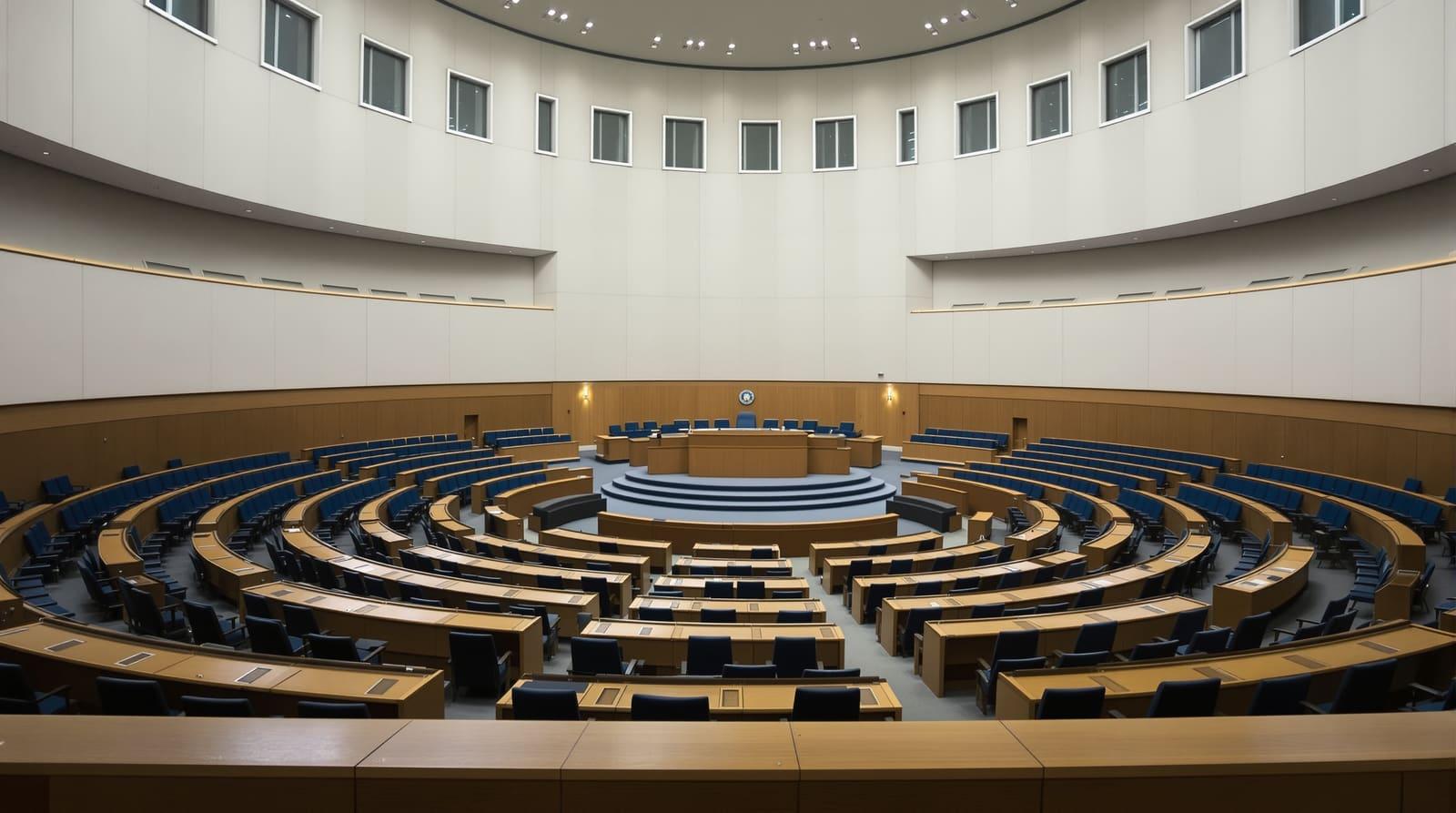
AI illustration, not a photo of the events.
Truck drivers in a number of Iranian cities have stopped work without permission from the authorities, Israel Hayom reported, in protest at deepening fuel shortages and the rising cost of keeping their vehicles on the road. The newspaper linked the strikes to a blockade it says is pushing the Islamic Republic toward economic collapse as Tehran continues to stand against the United States, and it reported that blackouts are also spreading.
Separately, the Israeli Telegram channel Abu Ali Express relayed reports from Iranian opposition channels that the government of President Pezeshkian has been running a trial programme limiting how much bread citizens can buy in several provinces, among them Markazi, Khuzestan and Zanjan. According to those reports, the scheme began in mid-November without any advance notice to the public, leaving people confused and producing long queues to buy bread.
What the truckers are protesting
The Israel Hayom account centres on the haulage sector. Drivers cited two pressures: fuel that is increasingly hard to obtain, and maintenance bills that keep climbing. One driver quoted by the newspaper said that his costs had gone up steadily since the war while the rates paid for carrying freight had moved in the opposite direction, squeezing income from both sides.
The detail that the stoppages took place without government authorisation matters in the Iranian context. Labour action that is not sanctioned by the state carries risk for participants, and strikes in transport can quickly affect the movement of food, fuel and other goods across a large country. The report does not say how many drivers are involved or name the cities affected.
Bread restrictions in the provinces
The three provinces named in the opposition reports are spread across the country. Markazi lies in central Iran, Khuzestan is in the south-west on the border with Iraq and is a centre of the country's oil industry, and Zanjan is in the north-west. The reports describe the measure as a pilot, suggesting it has not been applied nationwide, but they do not specify the purchase limits or how they are being enforced.
Israel's week in five stories, every Friday
Sourced and checked by the Israel.com newsroom, with Shabbat times. Free, one-click unsubscribe.
One list, unsubscribe in a click. See our privacy policy.
Bread is a staple of the Iranian diet, and access to it at affordable prices has long been politically sensitive. A reported move to limit purchases, introduced without a public announcement, is the kind of measure that tends to draw attention as a signal of supply strain.
About the sources
Israel Hayom is a Hebrew-language daily with an English edition. Abu Ali Express is a widely followed Israeli Telegram channel that tracks Arab and Iranian affairs, often by relaying material from regional media and social networks. In this case it was passing on claims made by Iranian opposition outlets, not reporting its own findings, and it framed them as reports rather than confirmed facts.

Illustration
Next story Security
Lebanon's PM Salam says IDF used Debel pupils for military propaganda
The two accounts describe different aspects of economic pressure: one focuses on fuel, transport and electricity, the other on food. They do not contradict each other, but neither confirms the other's claims, and each rests on its own sourcing.
The wider picture
Israel Hayom presented these developments as symptoms of an economy under heavy strain, attributing that strain to a blockade and to the Iranian leadership's continued defiance of Washington. The reference by the quoted driver to costs rising since the war places the current difficulties in the period after that conflict, though the reports do not elaborate on its course or its economic effects.
What the reports do not say
Neither report includes a response from the Iranian government, either to the strikes or to the claimed bread rationing. Israel Hayom gives no figures on how many truckers have joined the strikes, which cities are involved or where blackouts are occurring. The bread restrictions are sourced only to Iranian opposition channels as relayed by Abu Ali Express, with no official Iranian confirmation, no stated purchase limits and no indication of whether the pilot will be widened or ended. The reports also do not detail who is enforcing the blockade or what it covers.
Read next
All security →
Illustration
Security
Haredi man held as deserter ten days before his wedding is freed from military prison
Illustration
Security
IDF intelligence warns Iran strike could open fronts in Lebanon, Syria, Gaza

File photo
Security
Trump leans toward Iran strikes after New Year as Israel reportedly presses

File photo
Security
IDF chief Zamir calls for more troops, says October 7 attackers being pursued
Sources and further reading
Every link below was opened and checked when this page was written. Official statements are marked as such: they are the subject's own account, not an independent one.
- Reportingisraelhayomisraelhayom.comIsrael Hayom
- Reportingabualiexpresst.meAbu Ali Express
How we checked this
The trucker strikes and blackouts are reported by Israel Hayom; the bread restrictions come from Iranian opposition channels as relayed by Abu Ali Express. Neither account has been independently verified by us, and no Iranian official response has been reported.
Our sourcing and corrections policy →The week from Israel, in one email
The stories that mattered, sourced and checked by the Israel.com newsroom. Free, weekly, one-click unsubscribe.
One list, unsubscribe in a click. See our privacy policy.
Latest
Illustration
Illustration
Illustration

File photo

Illustration

Illustration