Iran's Rezaei says he read Vance letter and is debating nuclear doctrine
A senior Iranian security official said the US tone has changed and that Tehran is discussing whether to keep its nuclear doctrine if war resumes, with no decision yet.

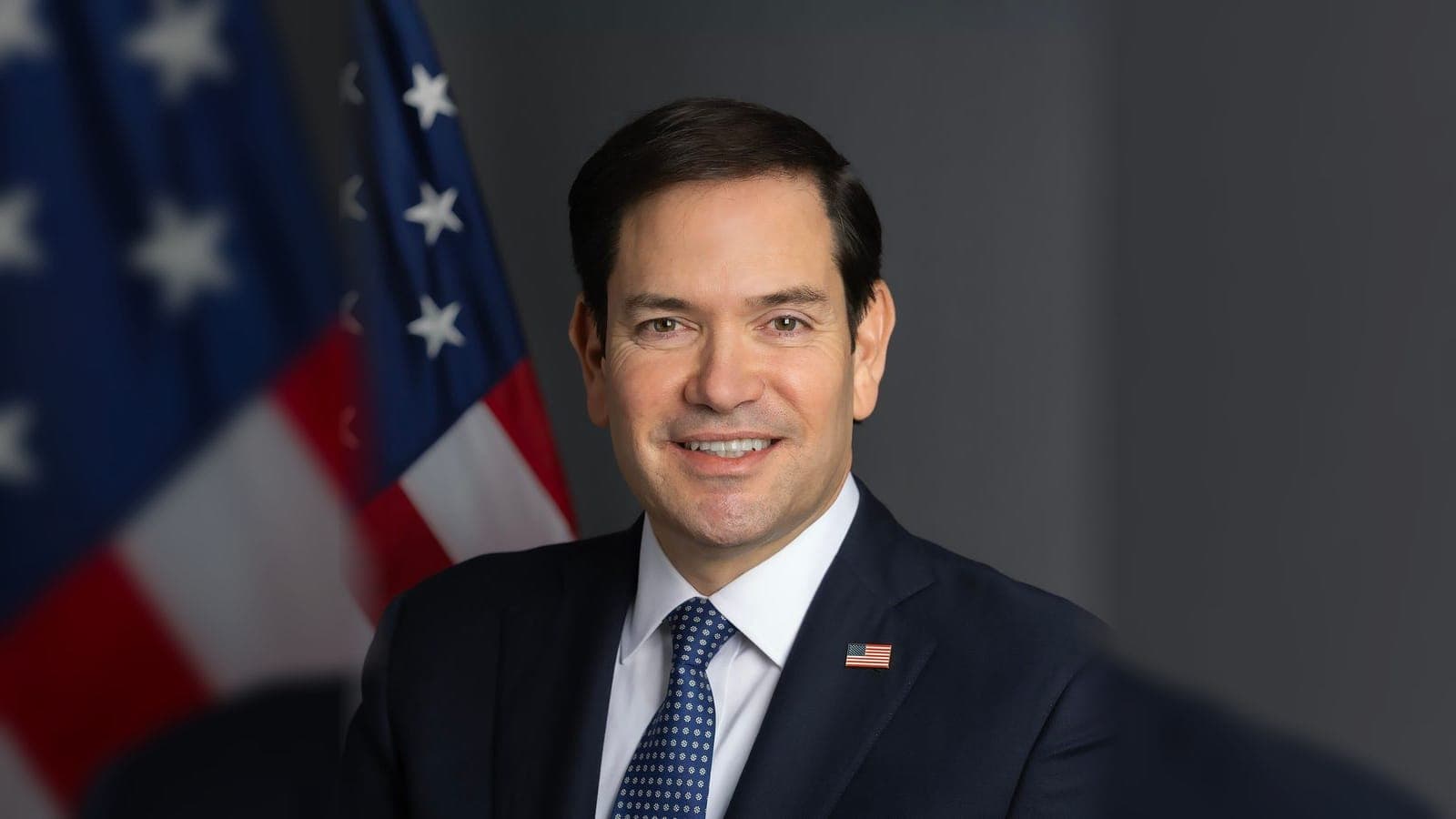
JD Vance. File photo by Emily J. Higgins, public domain, via Wikimedia Commons.
Mohsen Rezaei, a senior Iranian security official, said he has read a letter from US Vice President JD Vance but has not yet answered it, and described the American tone as completely different from before. The Times of Israel reported that he made the remarks in a video aired on Iranian television, calling the shift a good sign and saying it showed Iran had consolidated its victory. He declined to discuss what the letter contained.
In the same appearance, Rezaei said Iran is debating whether to keep its existing nuclear doctrine if fighting breaks out again, while stressing that no new decision has been made. According to the Israeli broadcaster N12, he said the question under discussion was whether, in the event of renewed war, Iran would want to continue with the doctrine it held in the past. The Times of Israel characterised this as a debate over whether to maintain Iran's longstanding ban on nuclear weapons.
Who Rezaei is and the body he speaks for
Rezaei is associated in both outlets' reports with Iran's Supreme National Security Council, the country's top forum on security matters. The two organisations describe his role differently: N12 calls him the council's secretary, while The Times of Israel calls him its head. This article does not resolve that difference.
In his own words, as relayed by N12, he said no new decision had been taken either in the government or by the leadership of the state, and that nothing had been formally adopted by the authorities.
The Vance letter and the state of talks
The Times of Israel reported that Vance sent a letter to Iranian officials in recent days as part of an effort to revive negotiations, even as the United States and Israel have stepped up threats to order new strikes. The outlet said indirect mediation through Qatar was continuing, though Iranian officials had said earlier the same day that they had no plans to meet US officials.
Israel's week in five stories, every Friday
Sourced and checked by the Israel.com newsroom, with Shabbat times. Free, one-click unsubscribe.
One list, unsubscribe in a click. See our privacy policy.
Rezaei explained his silence on the letter's content by pointing to the American side. N12 quoted him as saying that because the Americans had not published anything from the letter, he too would say nothing about it for now. He also set out a condition for any nuclear discussion: according to N12, he said that anyone wishing to enter talks on nuclear issues must first recognise the rights of the Iranian people. He added that Iran would now move forward.
What the doctrine debate refers to
The Times of Israel describes Iran's current position as a longstanding ban on nuclear weapons. Rezaei's remarks, as reported by N12, do not use the word weapons in the quoted passage; he speaks of the doctrine Iran had in the past and whether to keep it if war returns.
Next story Government
Vance writes to Iran's Rezaei on talks as Trump denies directing outreach
He linked the debate to public pressure and to recent attacks. N12 quoted him as saying the Iranian people have demands and are looking for logic in events, because they see that the enemy came and struck all of Iran's nuclear facilities. He did not name the attacker in the quoted passage.
Where the two outlets differ
- His title: secretary of the council (N12) versus head of the council (The Times of Israel).
- The doctrine: N12's quotation refers to keeping or changing a past doctrine; The Times of Israel frames it specifically as a nuclear weapons ban.
- The broadcast: The Times of Israel refers to Iranian television and state TV; N12 does not say where the remarks were made.
What the reports do not say
Neither outlet reports what Vance's letter says, when exactly it was delivered, or to which Iranian officials it was addressed. Rezaei himself declined to describe it, and the reports do not indicate whether the US side has commented on it.
The reports do not say who is taking part in the doctrine discussion, how far it has progressed, or whether any timetable exists for a decision. They do not explain which rights Rezaei expects the United States to recognise before nuclear talks, and they do not specify which attacks on nuclear facilities he was referring to or when they took place. There is also no detail on the substance of the Qatari mediation or on any response from Israeli officials to Rezaei's remarks.
Read next
All security →
File photo
Government
Iran's foreign minister says Tehran has weighed Vance letter at senior level
File photo
Security
Rubio: Trump undecided on Iran strikes; any deal must address nuclear concerns

Illustration
Security
Iran's military chief says forces can strike US and Israel without geographic limits

Illustration
Security
Iran blames US for attack on Qeshm fishing boats, later says missing pair found
Sources and further reading
Every link below was opened and checked when this page was written. Official statements are marked as such: they are the subject's own account, not an independent one.
- Reportingkeshett.meN12
- Reportingkeshett.meN12
- Reportingtoitimesofisrael.comThe Times of Israel
- Reportingtoitimesofisrael.comThe Times of Israel
How we checked this
The remarks were reported by two organisations, N12 and The Times of Israel, which agree on the letter and the doctrine debate but describe Rezaei's title differently. The detail on Qatari mediation and US and Israeli threats comes from The Times of Israel alone; we have not independently verified the broadcast.
Our sourcing and corrections policy →The week from Israel, in one email
The stories that mattered, sourced and checked by the Israel.com newsroom. Free, weekly, one-click unsubscribe.
One list, unsubscribe in a click. See our privacy policy.
Latest
- France reports 320,000 protesters as clashes erupt in Paris and Marseille
- Eisenkot sets four conditions for coalition partners after Israel's election
- Lapid and Eisenkot meet after Knesset election to coordinate next steps
- Avigdor Liberman says he has no desire to become Knesset speaker
- US Embassy warns of credible mass casualty threat at Moscow's Tsaritsyno museum
- Khamenei orders unlimited response to attack at meeting with three top commanders