Judicial overhaul at centre of third round of Eisenkot-Netanyahu unity talks
Negotiators for Yashar and Likud met again after an earlier session ended without agreement, as opposition bills to repeal overhaul laws advance in the Knesset.
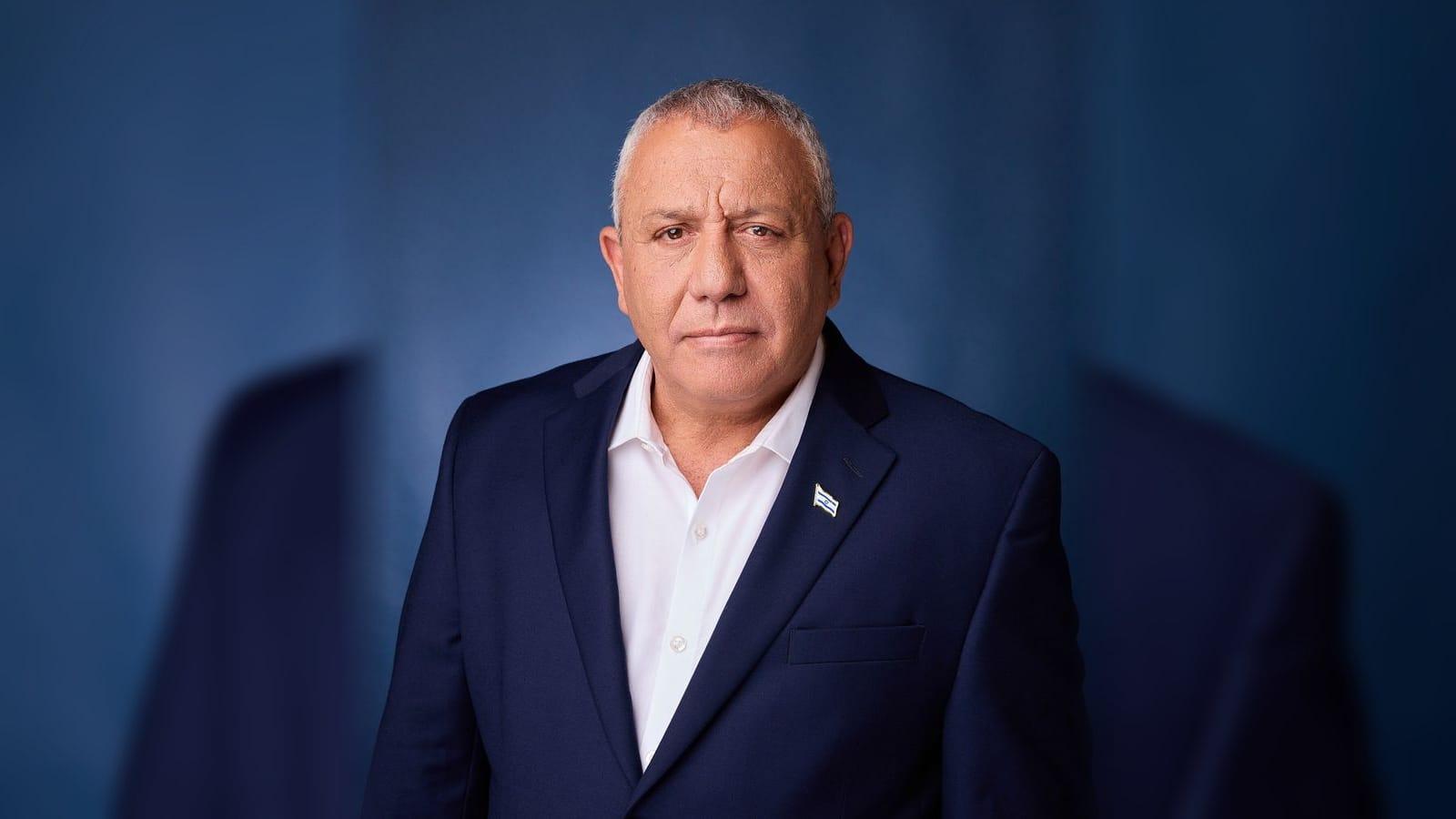
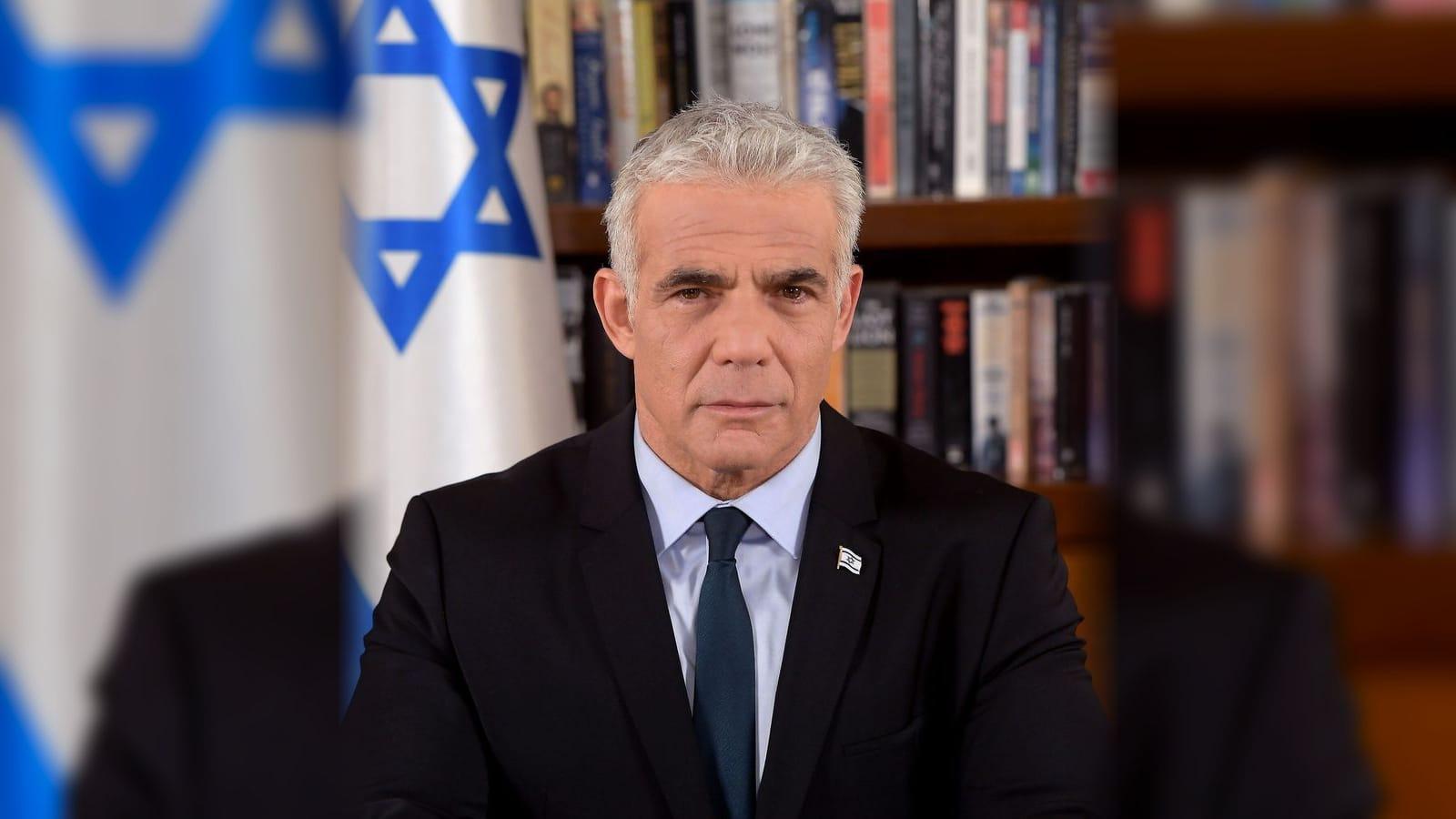
Gadi Eisenkot. File photo by יהב טרודלר (Yahav Trudler - Yahav Studio), CC BY-SA 3.0, via Wikimedia Commons.
Negotiating teams representing Yashar party leader Gadi Eisenkot and Prime Minister Benjamin Netanyahu of Likud met on Monday evening for another session of talks on a possible unity government, with the judicial overhaul as the main subject on the table. The Times of Israel described the meeting as the third round of unity talks between the two sides, and The Jerusalem Post reported that the talks had resumed as the Yashar and Likud teams sat down together.
According to Ynet, the previous session ended with no agreements reached, and this one was held in the office of Likud Knesset member Ofir Katz. Ynet added that Likud had brought in a new face for the session: David Peter, a recently elected Likud lawmaker, was set to take part.
Who is at the table
Yashar is the party headed by Gadi Eisenkot, and the talks are between his team and that of Netanyahu, whose Likud party is the largest force on the Israeli right. Political commentator Amit Segal wrote on his Telegram channel that attorney Raz Nazri is serving as Eisenkot's representative in the negotiations. Segal linked that appointment to remarks from the Haredi (ultra-Orthodox) parties about having examined matters from a legal angle, though his post did not spell out what those parties had checked or why Nazri's role explained it.
On the Likud side, Ynet identified Ofir Katz as the host of the meeting and David Peter as the newest addition to the team. The reports do not give a full list of who sat on either delegation.
What the judicial overhaul is
The judicial overhaul refers to a package of laws and proposals advanced by Netanyahu's governments to change the balance of power between the elected branches and the courts, including the Supreme Court. Its supporters describe it as a correction to judicial overreach; its opponents describe it as a threat to judicial independence. The programme drew sustained mass protests in Israel and has remained one of the most divisive questions in the country's politics.
Get an email the day Israel has a new government.
Coalition talks can take weeks. When a government is sworn in, Israel.com's newsroom emails who leads it, which parties are in and who got which ministry, then the Friday email each week. Free, and one click unsubscribes.
One list, unsubscribe in a click. See our privacy policy.
Ynet reported that since the election of the new Speaker of the Knesset, Israel's parliament, the opposing camp it calls the change bloc has passed a number of bills in a preliminary reading that would cancel laws passed as part of the overhaul. Those votes carried a majority of 63 lawmakers, Ynet said, and took place before any new government has been formed. A preliminary reading is the first vote a private member's bill faces in the Knesset; a bill must clear further committee stages and readings before it becomes law.
That parliamentary activity gives the overhaul particular weight in the coalition talks: any partnership between Eisenkot and Netanyahu would have to settle how a joint government would treat legislation that one side championed and the other is already moving to undo.
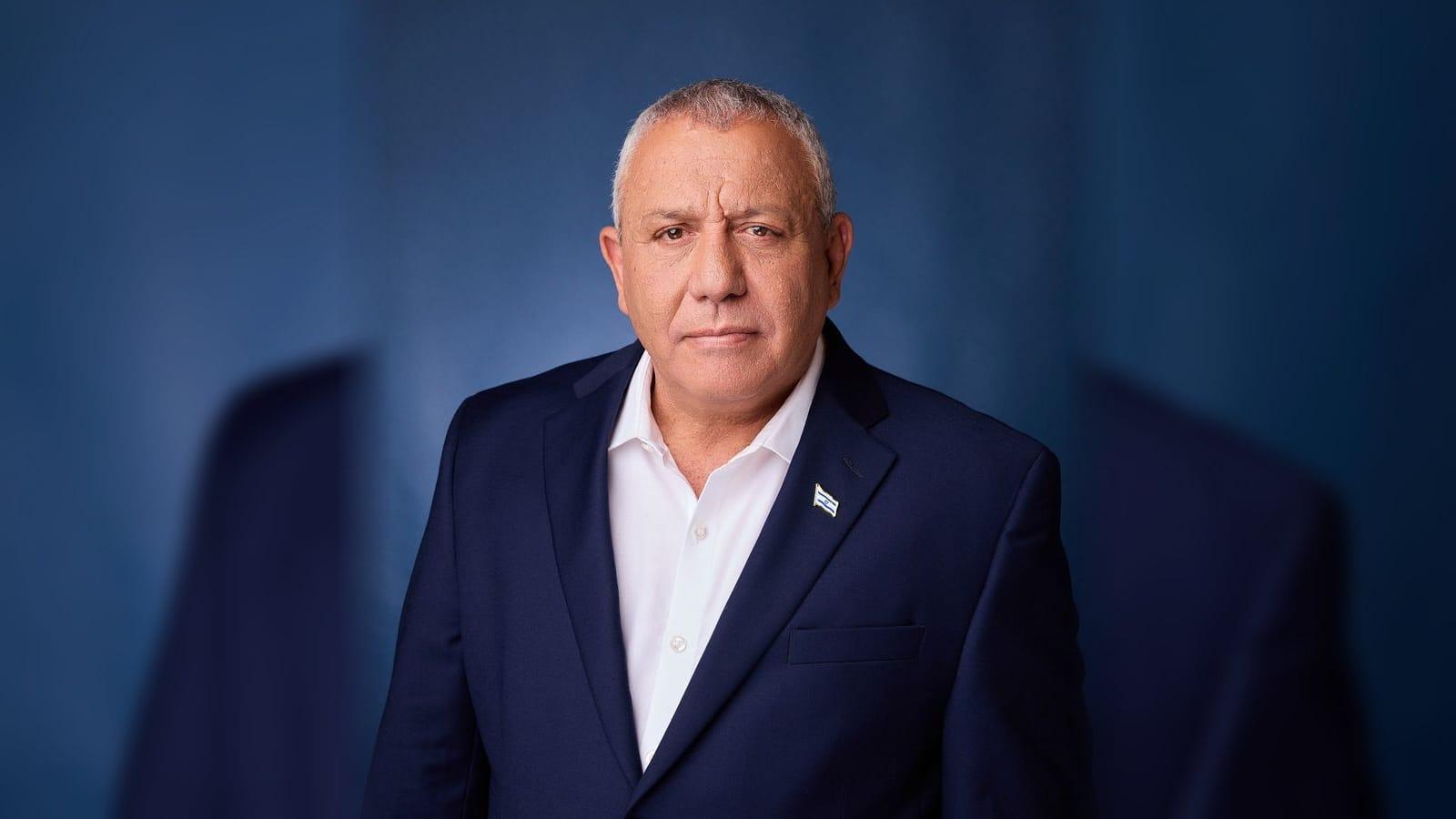
File photo
Next story Security
Eisenkot says he sees no immediate Iran threat after Netanyahu briefing
Where the talks stand
The reports offer different readings of momentum. Ynet stressed that the previous round broke up without agreement. Segal, in a separate Telegram post, wrote that there is a demand from the Haredi parties which Eisenkot opposes, but that the sides are nonetheless reporting progress. Segal did not specify what the Haredi demand is, and none of the other reports describe it.
A photograph published by The Jerusalem Post alongside its report showed Eisenkot standing behind Netanyahu as party leaders posed for a group picture in the Knesset on November 10, 2026, during the opening period of the new parliament.
How unity talks fit Israeli coalition politics
No single party has ever won an outright Knesset majority on its own, so Israeli governments are formed through coalition agreements negotiated after each election. A unity government is one that brings together parties from rival camps, typically requiring compromises on the issues that most separate them. In this case the reports make clear that the judicial overhaul is one such issue, and that the position of the Haredi parties is another factor in the negotiations.
What the reports do not say
None of the reports say what, if anything, was agreed at Monday's session, or what specific positions each team brought on the judicial overhaul. The content of the Haredi demand that Segal says Eisenkot opposes has not been reported, and the progress he mentions is attributed only to the sides themselves, without detail. There is also no reported public statement from Eisenkot, Netanyahu, Yashar or Likud on the meeting, and no date has been reported for a further round.
People in this story: Gadi Eisenkot, Benjamin Netanyahu, Ofir Katz, Amit Segal
Read next
All government →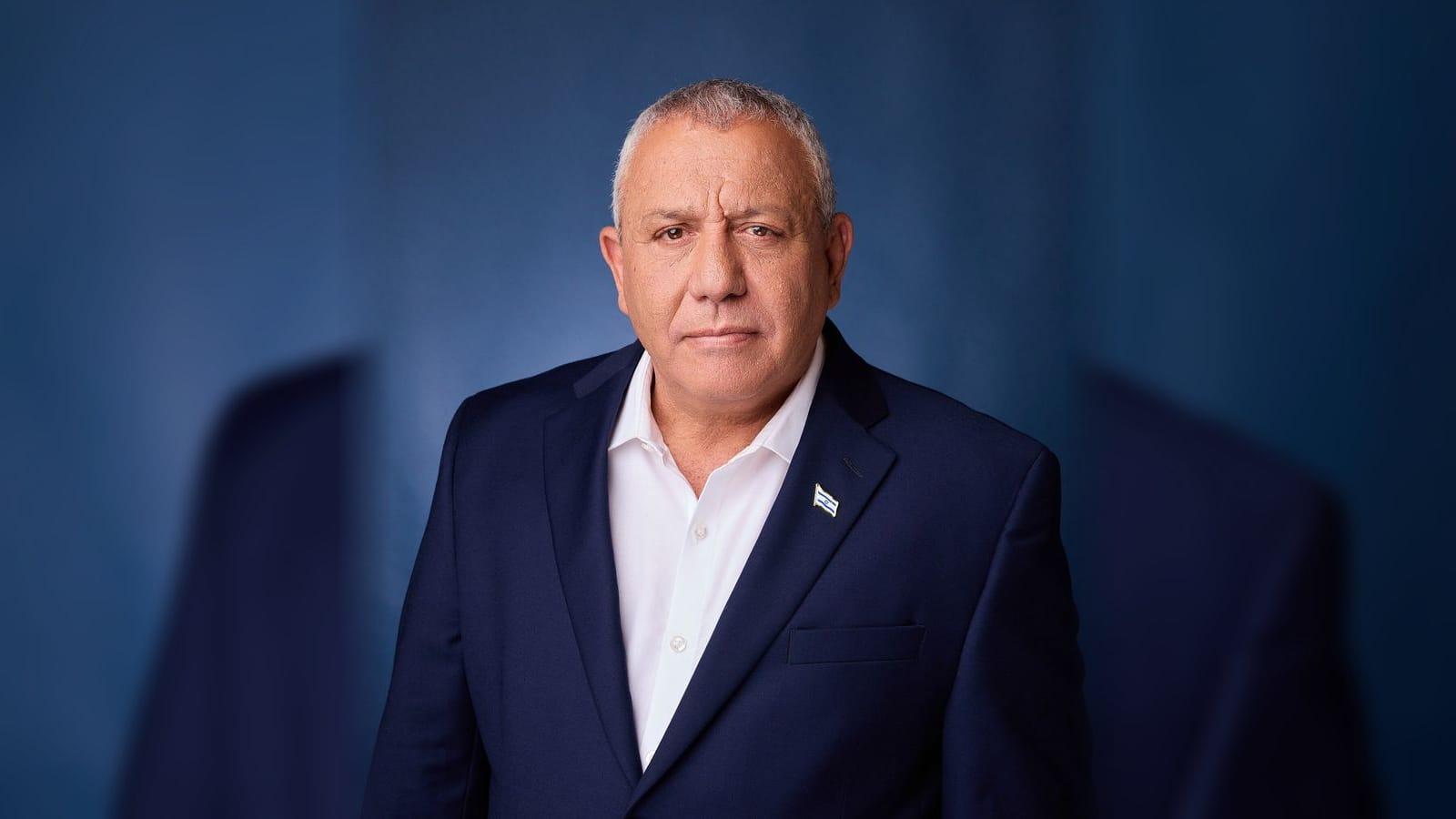
File photo
Government
Eisenkot calls Netanyahu a threat to democracy amid coalition talks
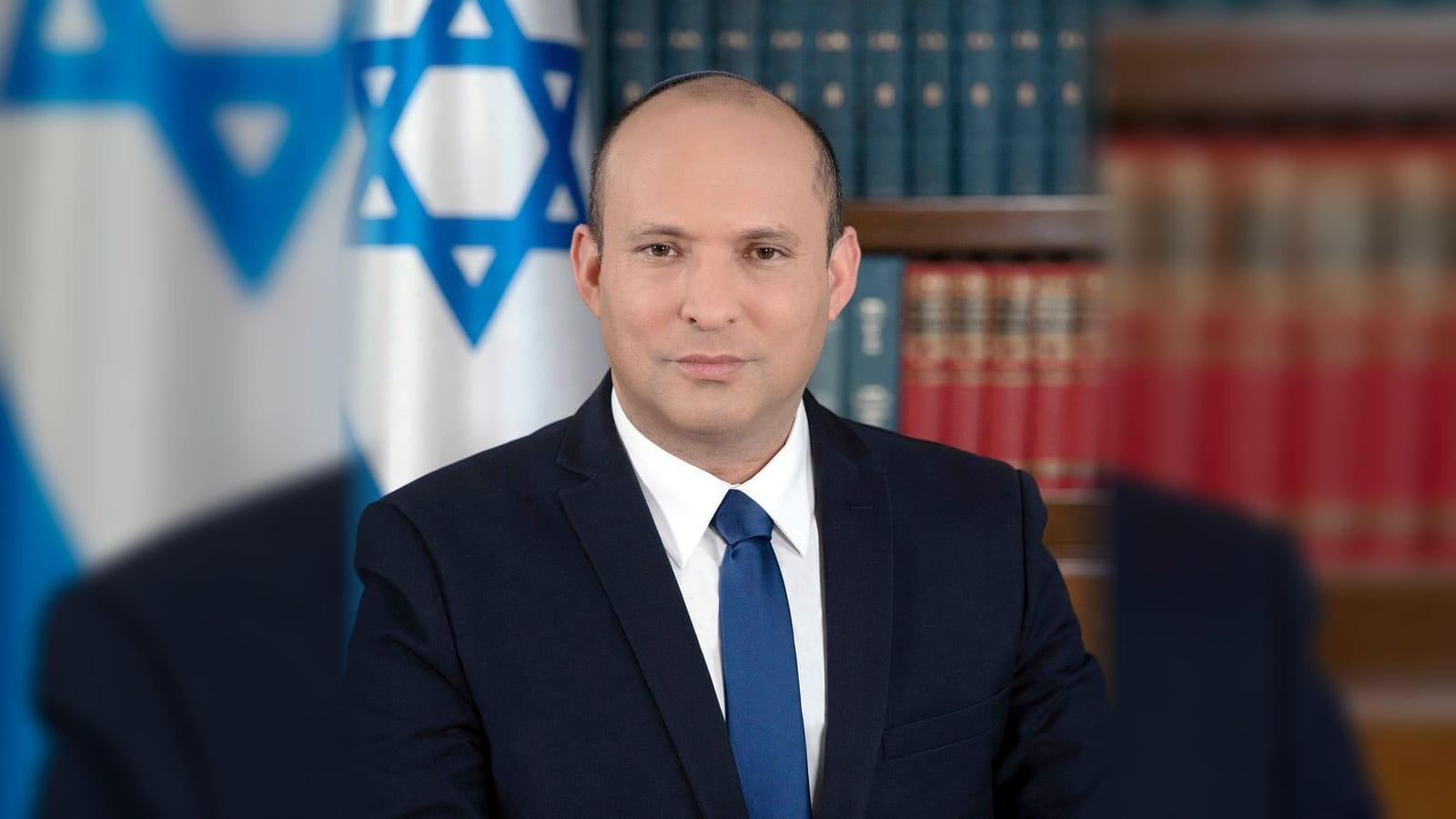
File photo
Elections
Bennett tells Netanyahu he will bear consequences if Eisenkot unity bid stalls
File photo
Government
Netanyahu and Eisenkot clash over bereaved families after Knesset hearing
File photo
Government
Netanyahu rebuts Eisenkot on Iran, links threats to call for unity government
See Israel.com first in Google's top stories.Add it as a preferred source on Google
Sources and further reading
Every link below was opened and checked when this page was written. Official statements are marked as such: they are the subject's own account, not an independent one.
- Reportingyediotht.meYnet alerts
- Reportingyediothynet.co.ilYnet
- Reportingyediotht.meYnet alerts
- Reportingtoitimesofisrael.comThe Times of Israel
- Reportingjpostjpost.comThe Jerusalem Post
- Reportingamitsegalt.meAmit Segal
- Reportingamitsegalt.meAmit Segal
How we checked this
The meeting itself was reported by Ynet, The Times of Israel and The Jerusalem Post. The details on Raz Nazri, the Haredi demand and reported progress come only from commentator Amit Segal's Telegram channel and are attributed to him.
Our sourcing and corrections policy →The week from Israel, in one email
The stories that mattered, sourced and checked by the Israel.com newsroom. Free, weekly, one-click unsubscribe.
One list, unsubscribe in a click. See our privacy policy.

Israel.com is free, and readers like you keep it that way.
The Israel.com newsroom checks every story against its sources and publishes it free. If this one helped, a contribution of any size keeps the next one free too.
One payment, nothing to sign up for. Another amountGive monthly
Latest
File photo
File photo
File photo

Illustration

Illustration

Illustration