Knesset approves 9 temporary deputy speakers for Speaker Matan Kahana
Lawmakers voted 38 to 15 to seat deputies from nine parties beside Speaker Matan Kahana, leaving Yashar, Religious Zionism and Zehut without a seat at the top table.

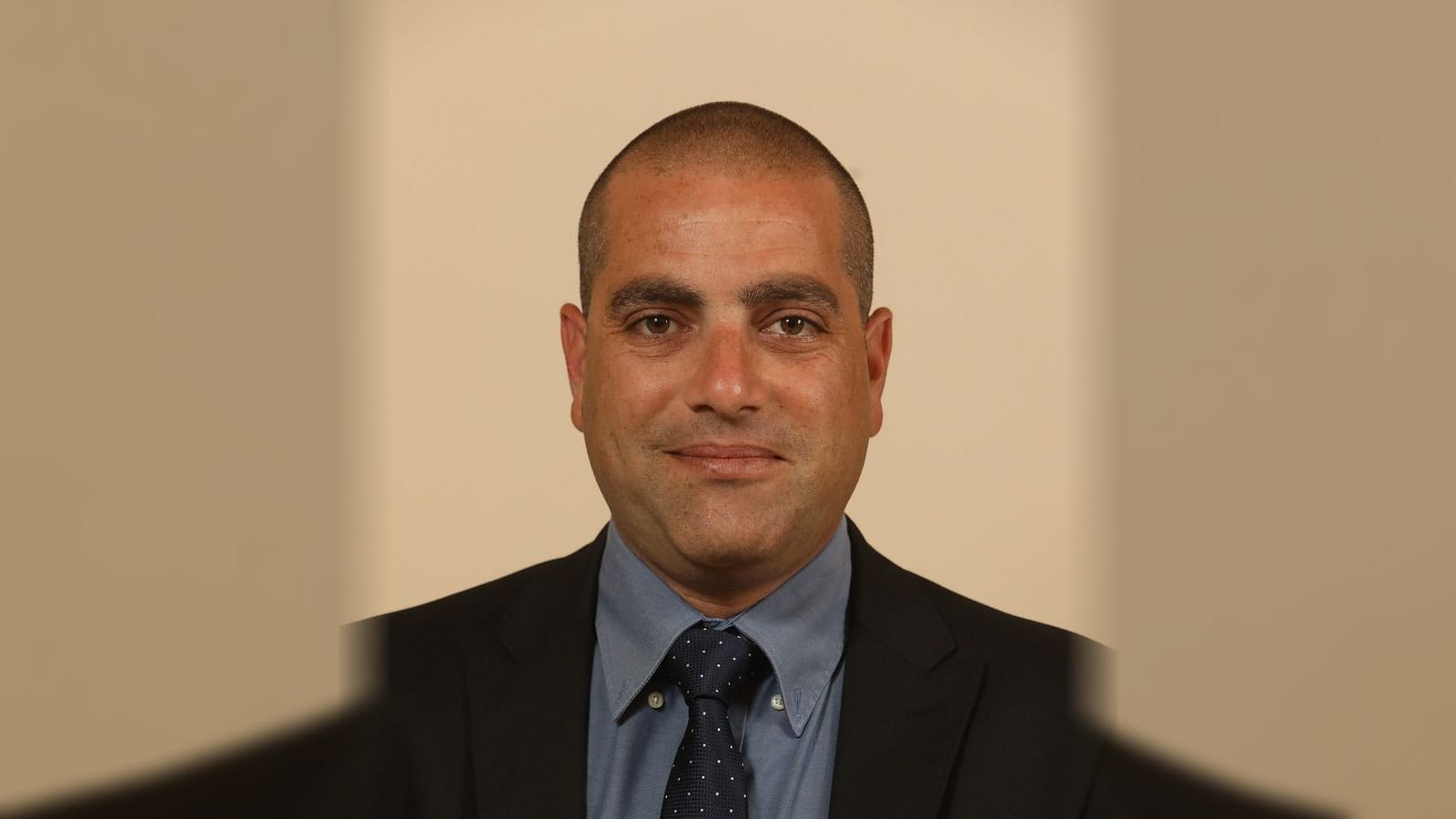
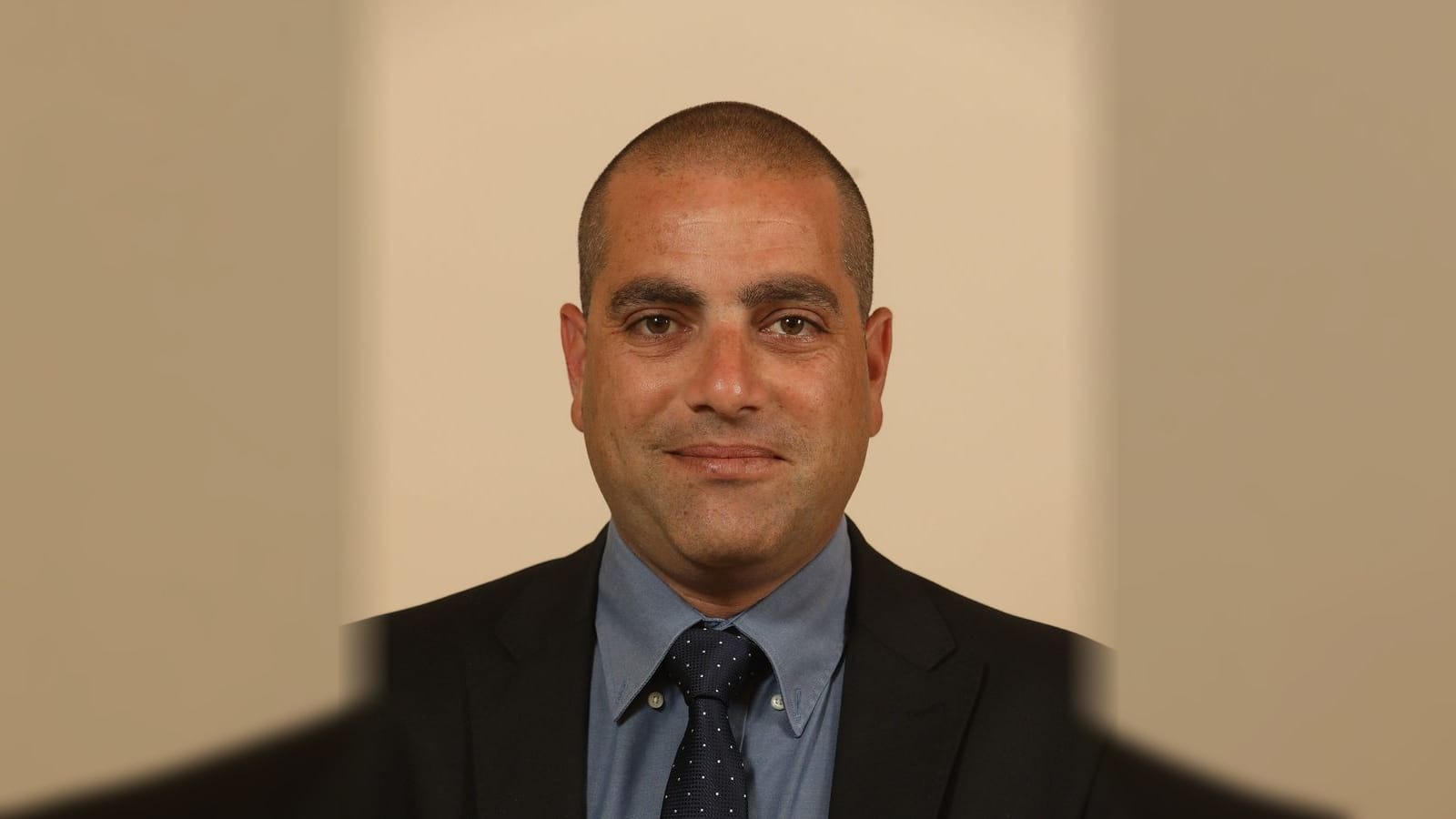
Matan Kahana. File photo by Arielinson, CC BY-SA 4.0, via Wikimedia Commons.
The Knesset, Israel's parliament, has approved the appointment of nine members to serve as temporary deputies to its speaker, Matan Kahana. The Times of Israel reported that the Knesset had elected the nine MKs, and Ynet carried a brief alert saying their appointments had been confirmed.
According to a post on the Telegram channel of journalist Amit Segal, the plenum adopted a recommendation from the Arranging Committee on the choice of the nine deputies, with 38 lawmakers voting in favour and 15 against. Dvir Gabra of the broadcaster N12 gave the same tally and noted that nearly every faction in the house won representation among the temporary deputies.
On the ground

Matan Kahana of Gadi Eisenkot’s Yashar party has been elected speaker of Israel’s Knesset with backing from Palestinian members, boosting opposition efforts to unseat Netanyahu amid tense coalition talks. Al Jazeera’s Nour Odeh reports.
Who the nine deputies are
The list published on Segal's channel names one lawmaker from each of nine parties spanning the coalition, the opposition and the Arab parties:
- Eitan Ginzburg (Beyachad, which translates as Together)
- Yair Fink (The Democrats)
- Oded Forer (Yisrael Beytenu)
- Walid Taha (Ra'am, the United Arab List)
- Ahmad Tibi (the Joint List)
- Yitzhak Pindrus (United Torah Judaism)
- Yaakov Bardugo (Likud)
- Limor Son Har-Melech (Otzma Yehudit, or Jewish Power)
- Michael Malchieli (Shas)
The spread is notable for its breadth. The deputies run from the Likud and its right-wing and ultra-Orthodox partners, through centrist and left-leaning parties, to two Arab-led lists. In Israeli politics, ultra-Orthodox parties such as United Torah Judaism and Shas represent Haredi voters, while Ra'am and the Joint List draw most of their support from Arab citizens of Israel.
Which factions were left out
N12's Gabra reported that three factions did not receive a deputy post: Yashar, Religious Zionism and Zehut. Neither report explains why those parties were not included, and no statement from any of them appears in the material.
Get an email the day Israel has a new government.
Coalition talks can take weeks. When a government is sworn in, Israel.com's newsroom emails who leads it, which parties are in and who got which ministry, then the Friday email each week. Free, and one click unsubscribes.
One list, unsubscribe in a click. See our privacy policy.
What a deputy speaker does
The Speaker of the Knesset presides over sessions of the plenum, the full chamber where bills are debated and votes are held, and oversees the running of parliament. Deputy speakers share that load. They take turns chairing plenary sittings, which can run late into the night, and they sit with the speaker on the body that manages the chamber's agenda and procedures. Because the person in the chair rules on points of order and keeps time for speakers, parties generally regard having one of their own members among the deputies as a matter of standing and influence.
Deputies are usually drawn from across the house so that both coalition and opposition members take a turn in the chair. That practice is reflected in the list approved here, which includes lawmakers from parties that sharply oppose one another on most issues.

File photo
Why the posts are temporary
The appointments came through the Arranging Committee. In the Knesset, this is the body set up when a new parliament convenes to deal with organisational matters, such as interim committee arrangements and staffing of parliamentary roles, before the permanent committees are formed. Its decisions are typically framed as provisional, which is consistent with the reports describing the nine as temporary deputies.
The reports describe Kahana as the speaker the deputies will serve under. Kahana is a sitting member of the Knesset; the material does not set out the circumstances or terms of his own appointment.
The vote
Both Segal's channel and N12 put the result at 38 in favour and 15 against. Neither report identifies which lawmakers or parties made up the opposing votes, and neither gives a reason for the opposition. The reports also do not say how many members abstained or were absent, though the combined number of recorded votes is well short of the full chamber.
The sources agree on the core facts: the number of deputies, the fact of approval and the vote count. Ynet and The Times of Israel published only headline-length items, so the names of the deputies rest on the list posted to Segal's channel, and the account of which factions were excluded rests on N12.
What the reports do not say
None of the reports explains why Yashar, Religious Zionism and Zehut were left without a deputy, or carries any response from those parties. They do not say who voted against the list, how long the temporary arrangement is meant to last, or when, or whether, a permanent slate of deputy speakers will be chosen.
Read next
All government →
File photo
Security
Likud says Matan Kahana won Knesset speaker vote with 'terror supporters'
File photo
Government
Likud puts up Ofir Katz to challenge Matan Kahana for Knesset speaker
File photo
Government
Shas backs Likud's Ofir Katz for Knesset speaker, rejects Matan Kahana
File photo
Government
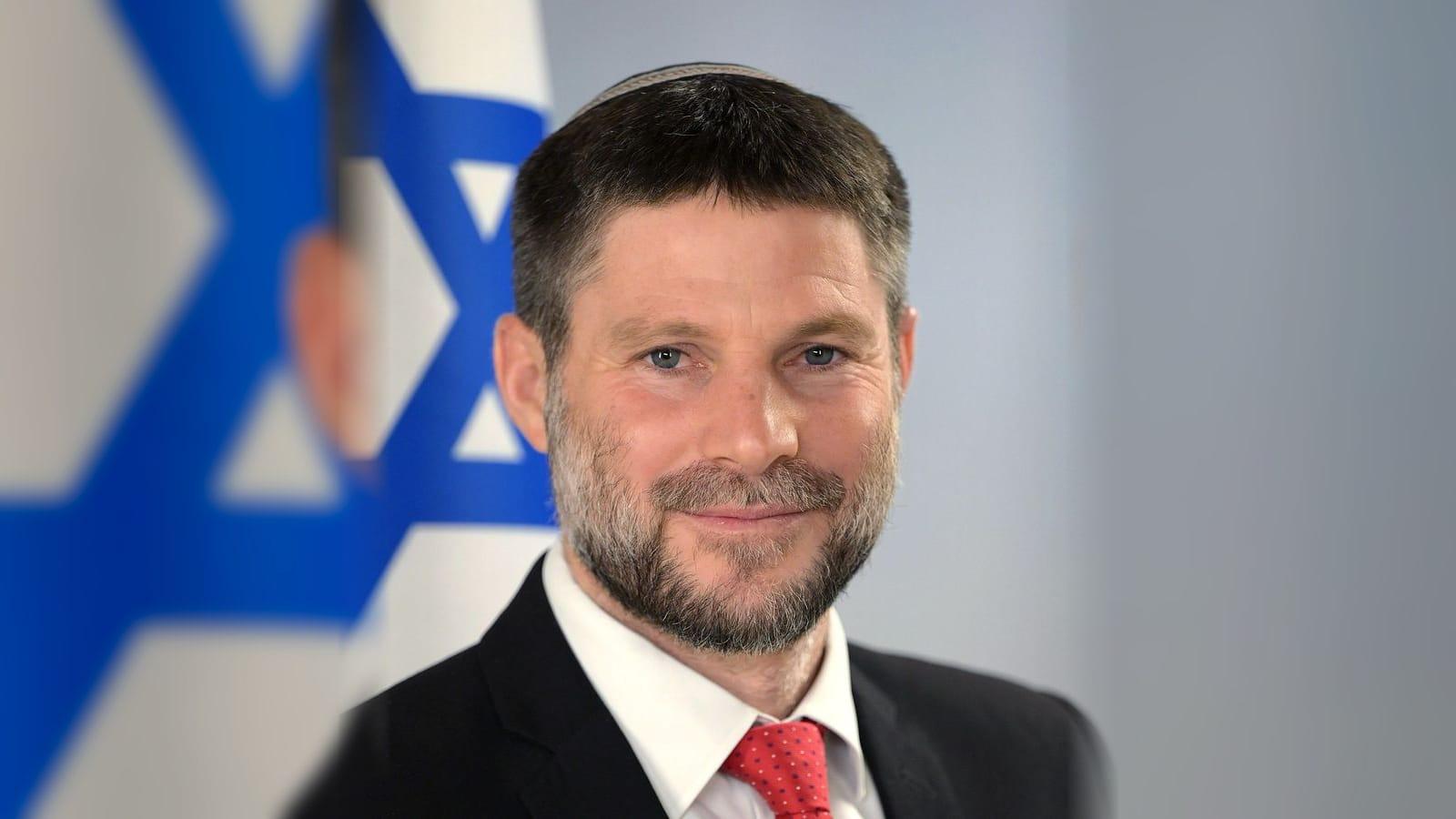
Smotrich offers Matan Kahana backing for Knesset speaker, with conditions
Sources and further reading
Every link below was opened and checked when this page was written. Official statements are marked as such: they are the subject's own account, not an independent one.
- Reportingyediotht.meYnet alerts
- Reportingtoitimesofisrael.comThe Times of Israel
- Reportingtoitimesofisrael.comThe Times of Israel
- Reportingamitsegalt.meAmit Segal
- Reportingkeshett.meN12
How we checked this
The approval of nine temporary deputy speakers was reported by Ynet, The Times of Israel, N12 and Amit Segal's Telegram channel, and the 38 to 15 vote by both N12 and Segal's channel. The full list of names comes from Segal's channel alone, and the list of excluded factions from N12 alone.
Our sourcing and corrections policy →The week from Israel, in one email
The stories that mattered, sourced and checked by the Israel.com newsroom. Free, weekly, one-click unsubscribe.
One list, unsubscribe in a click. See our privacy policy.

Israel.com is free, and readers like you keep it that way.
The Israel.com newsroom checks every story against its sources and publishes it free. If this one helped, a contribution of any size keeps the next one free too.
One payment, nothing to sign up for. Another amountGive monthly
Latest
Illustration

File photo

File photo
Illustration
Illustration

Illustration