Likud puts up Ofir Katz to challenge Matan Kahana for Knesset speaker
Netanyahu's party is contesting the Knesset speakership after talks with Eisenkot's camp failed, though Kahana is reported to hold majority backing.

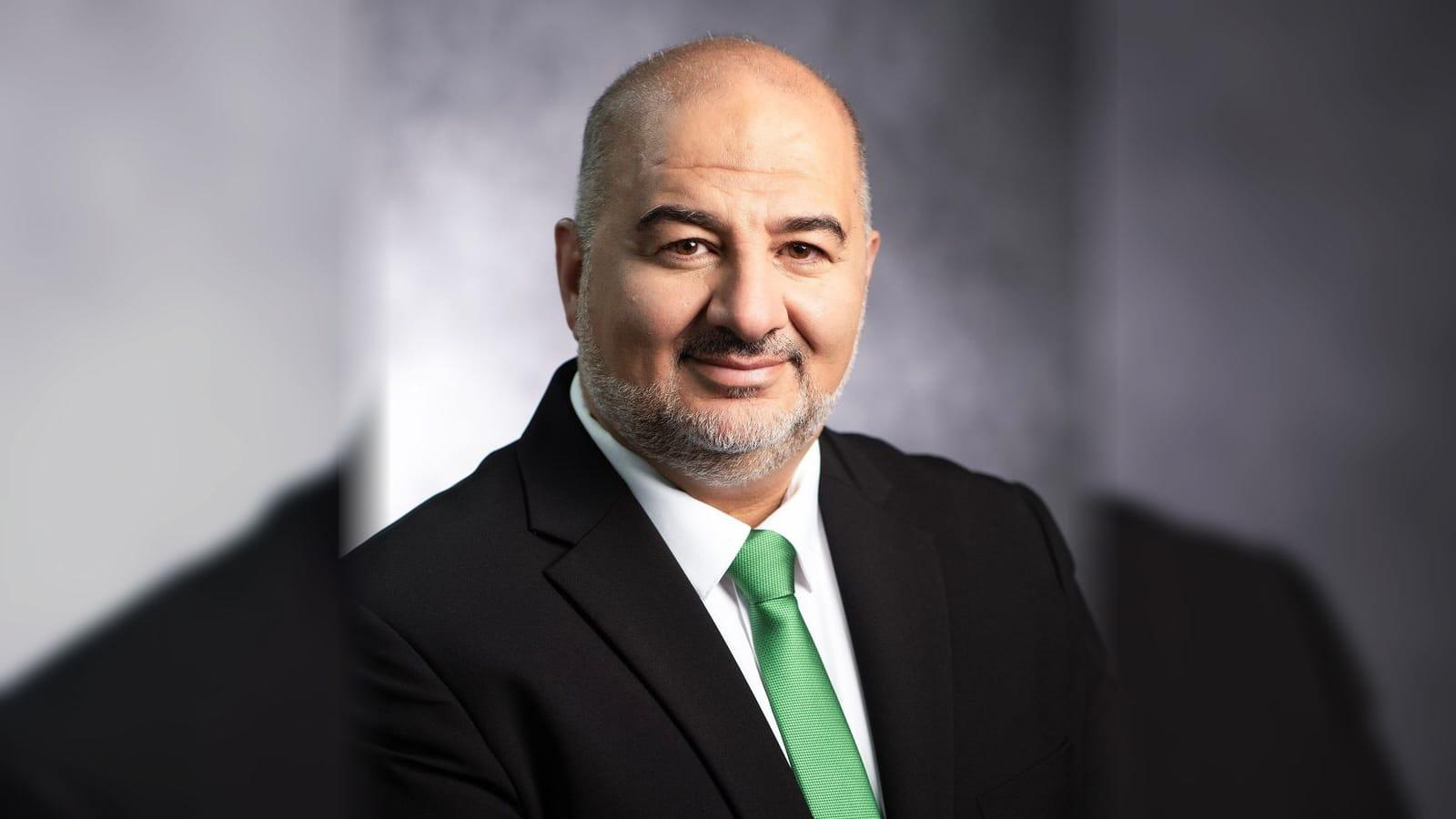
Ofir Katz. File photo by Itzhak Harari, CC BY-SA 4.0, via Wikimedia Commons.
Likud, the party led by Benjamin Netanyahu, announced that it will nominate its lawmaker Ofir Katz for speaker of the Knesset, setting him against Matan Kahana, the candidate put forward by Eisenkot's party, Yashar!. Ynet's news alerts service carried the announcement, and The Times of Israel described Kahana as the candidate already backed by a majority in the chamber.
In its statement, Likud said it decided to field its own candidate because Kahana would not accept a condition attached to its support: that he refrain from appointing, as his deputies, representatives of what Likud called parties that support terror. According to the Likud statement as published by News.co.il, the party also accused Eisenkot and what it termed the left-wing bloc of repeatedly refusing its requests not to carry out the speaker's election unilaterally.
What the Knesset speaker does
The Knesset is Israel's single-chamber parliament. Its speaker presides over sessions of the full house, known as the plenum, and oversees the running of the legislature, including the agenda that reaches the floor. The speaker is chosen by a vote of the members of the Knesset, so the post is decided by whichever grouping can assemble a majority among lawmakers. Deputy speakers, the point at the centre of Likud's stated objection, share the work of chairing sessions.
Because the speaker shapes how parliamentary business proceeds, the position is often contested between rival political camps. Ynet framed the episode in its headline as a takeover of the legislature by Eisenkot, wording that reflects the stakes each side sees in the post rather than a formal description of the vote.
The two candidates and their camps
Ofir Katz is a member of the Knesset (MK) for Likud. Matan Kahana is an MK running with the backing of Eisenkot's party, Yashar!, which the reports place at the head of the camp opposing Likud in this contest. Likud's statement presents its nomination of Katz as a response to Kahana turning down its conditional offer of support, rather than as its first choice.
Get an email the day Israel has a new government.
Coalition talks can take weeks. When a government is sworn in, Israel.com's newsroom emails who leads it, which parties are in and who got which ministry, then the Friday email each week. Free, and one click unsubscribes.
One list, unsubscribe in a click. See our privacy policy.
Likud did not name, in the material available, which parties it regards as supporting terror, and the reports do not identify which deputies Kahana intends to appoint.
Where the ultra-Orthodox parties stand
The positions of the Haredi, or ultra-Orthodox, parties have drawn attention because they could affect the size of each candidate's vote. Ynet reported that it had learned Shas, the Sephardi ultra-Orthodox party, would support Katz, and that Rabbi Hirsch had instructed the lawmakers of Degel HaTorah to vote for Katz's appointment as well. Degel HaTorah is an Ashkenazi ultra-Orthodox faction that forms part of the United Torah Judaism alliance, and its MKs look to rabbinic leadership for direction on political decisions.

File photo
Next story Government
Shas backs Likud's Ofir Katz for Knesset speaker, rejects Matan Kahana
An earlier account differed. Political journalist Amit Segal wrote on his Telegram channel that United Torah Judaism had not yet settled how it would vote. His post was published before the Ynet report, so the two may reflect different moments in a fast-moving situation, but the sources do not say whether a decision was reached in the interval, and Ynet's report concerns Degel HaTorah rather than the whole alliance.
Expectations for the vote
Segal also wrote that Katz is, in his assessment, expected to lose to Kahana. That is consistent with The Times of Israel's description of Kahana as backed by a majority. Neither source gave a vote count, and no other report in the material offered a forecast of the result.
Likud's move therefore appears in the reports as a challenge to a candidate who already has the numbers, accompanied by public statements setting out why the party chose not to support him. The party's statement focuses on two complaints: the conduct of the speaker's election, which it says the opposing camp would not agree to hold on a basis other than a unilateral one, and the identity of the deputies Kahana might appoint.
What the reports do not say
None of the reports carries a response from Kahana, Eisenkot or Yashar! to Likud's statement or to its account of the talks between them. The reports do not say when the vote will take place, how many lawmakers back each candidate, or which parties Likud meant when it referred to parties supporting terror. It is also not clear from the material whether the other component of United Torah Judaism, beyond Degel HaTorah, has decided how to vote.
Read next
All government →
File photo
Government
Likud picks Ofir Katz and Michael Rabilo for talks with Eisenkot's party

File photo
Government
Matan Kahana poised to become Knesset speaker as Eisenkot bloc eyes the post

File photo
Government
Smotrich offers Matan Kahana backing for Knesset speaker, with conditions

File photo
Elections
Joint List backs Matan Kahana for Knesset speaker in bid to unseat Ohana
Sources and further reading
Every link below was opened and checked when this page was written. Official statements are marked as such: they are the subject's own account, not an independent one.
- Reportingyediothynet.co.ilYnet
- Reportingyediotht.meYnet alerts
- Reportingtoitimesofisrael.comThe Times of Israel
- Reportingamitsegalt.meAmit Segal
- Reportingnewssilt.meNews.co.il
How we checked this
Likud's nomination of Ofir Katz was reported by Ynet, The Times of Israel and News.co.il, and the reasons given are Likud's own statement. The Shas and Degel HaTorah voting positions come from Ynet alone, and the forecast that Katz will lose comes from journalist Amit Segal.
Our sourcing and corrections policy →The week from Israel, in one email
The stories that mattered, sourced and checked by the Israel.com newsroom. Free, weekly, one-click unsubscribe.
One list, unsubscribe in a click. See our privacy policy.

Israel.com is free, and readers like you keep it that way.
The Israel.com newsroom checks every story against its sources and publishes it free. If this one helped, a contribution of any size keeps the next one free too.
One payment, nothing to sign up for. Another amountGive monthly
Latest

File photo

Illustration

File photo

Illustration
File photo

Illustration