Lebanese Forces figure Charles Jabbour wears 'Fauda' kippah on live TV
A Lebanese TV host placed a Star of David kippah on Charles Jabbour, who recently said he wants to be ambassador to Israel, and the clip spread quickly online.

AI illustration, not a photo of the events.
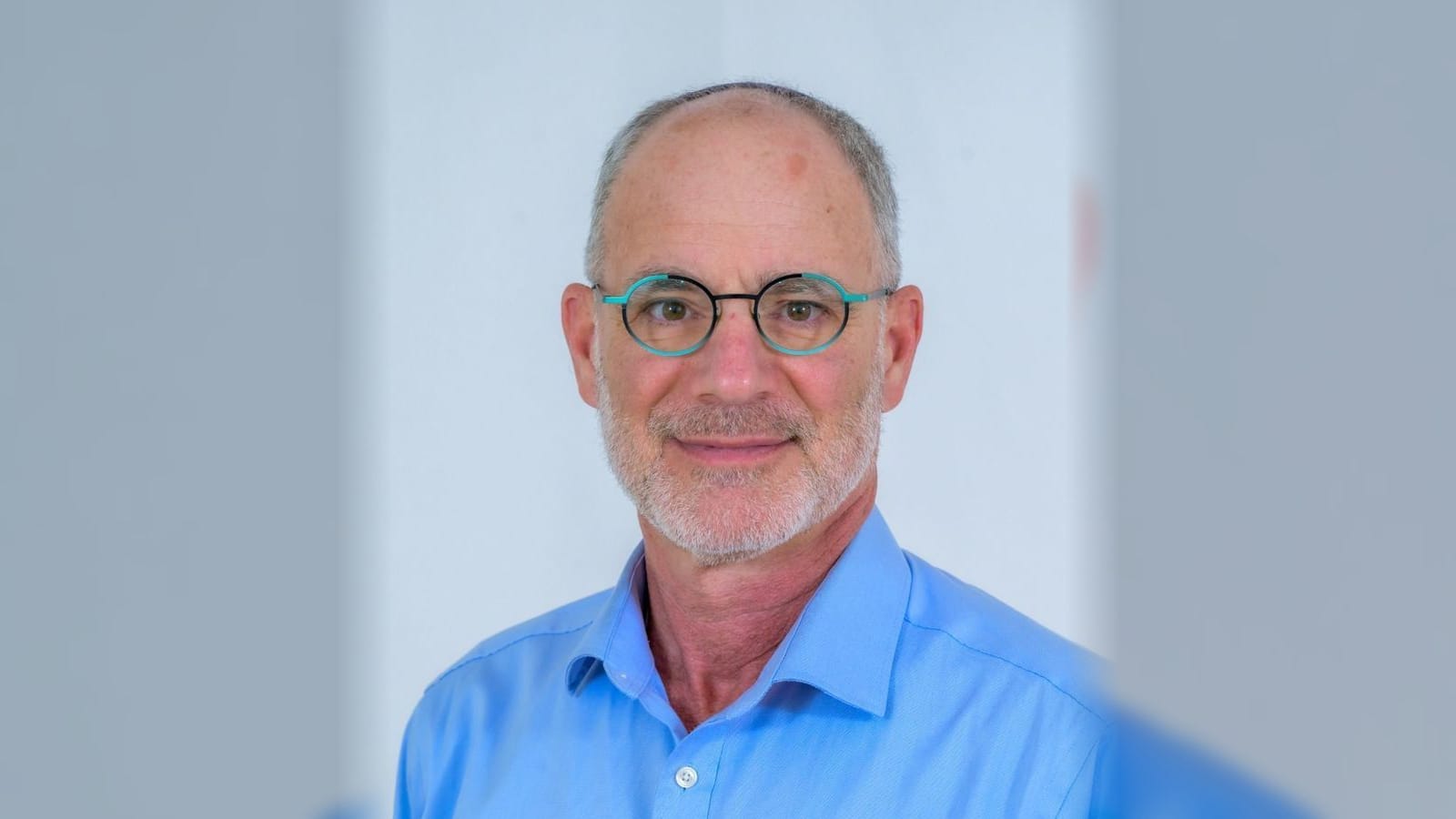
A presenter on the Lebanese television channel MTV placed a kippah bearing a Star of David and the word "Fauda" on the head of Charles Jabbour during a broadcast, Ynet reported. Ynet described Jabbour as a senior media figure in the Lebanese Forces party and said the video went viral overnight. The moment came only a few days after Jabbour said publicly that he is studying Hebrew and would like to serve as Lebanon's ambassador to Israel.
The Jerusalem Post reported that the host put the Israeli-themed skullcap on Jabbour, and its photo caption dates the image to November 19, 2026. The Times of Israel also covered the episode, presenting Jabbour as a politician who hopes to become his country's envoy to Israel.
On the ground

Lebanese TV host Marcel Ghanem placed a 'Fauda' kippah on Hezbollah critic Charles Jabbour, who wants to become Lebanon's first ambassador to Israel. "It does not bother me at all," Jabbour said. jpost.com/middle-east/ar…
Who Charles Jabbour is
The three outlets describe Jabbour in slightly different terms. The Times of Israel calls him a politician. The Jerusalem Post caption identifies him as a Lebanese Christian media personality. Ynet calls him a journalist and a senior media figure within the Lebanese Forces. These descriptions are not necessarily in conflict, but the reports do not spell out what formal role, if any, he holds in the party.
The Lebanese Forces is one of Lebanon's main Christian political parties. Lebanon's political system distributes power among its religious communities, and Christian parties form one part of that arrangement alongside Sunni, Shiite and Druze factions.
What the kippah and 'Fauda' refer to
A kippah, also called a yarmulke, is the small skullcap worn by many Jewish men, particularly during prayer, and by observant Jews throughout the day. The Star of David is the six-pointed star that appears on Israel's flag and is widely used as a symbol of Jewish identity.
Israel's week in five stories, every Friday
Sourced and checked by the Israel.com newsroom, with Shabbat times. Free, one-click unsubscribe.
One list, unsubscribe in a click. See our privacy policy.
"Fauda" is the name of an Israeli television drama about an undercover army unit operating among Palestinians. The word itself is Arabic for chaos, and the series became widely known outside Israel through international streaming. The show is popular in Israel and has drawn attention and criticism across the Arab world, which gives a kippah carrying its name a pointed meaning on Lebanese television.
Why an envoy to Israel is a charged idea
Lebanon and Israel do not have diplomatic relations, and there is no Lebanese embassy in Israel or Israeli embassy in Lebanon. The border between the two countries has been the scene of repeated fighting, much of it involving Hezbollah, the Iran-backed Shiite movement that holds significant military and political power in Lebanon. Against that background, a Lebanese public figure saying openly that he is learning Hebrew and wants to be ambassador to Israel is unusual, and a host joining in on air with Israeli symbols adds to the attention.

Illustration
Next story Security
Lebanese army raids weapons depot in Beirut's Dahiyeh, detains one suspect
An Israeli response
Avichay Adraee, who formerly served as the Arabic-language spokesperson for the Israel Defense Forces (IDF), responded to the clip, according to Ynet. Adraee offered his help with Jabbour's Hebrew studies, telling him in effect that Israel was at his service on that front. Adraee became well known in the Arab world for years of IDF messaging in Arabic, including warnings and statements directed at audiences in Lebanon and Gaza.
Ynet's report also carried the phrase "the height of courage" in describing the episode, though the excerpt does not make clear who said it.
What the reports do not say
The reports do not say whether Jabbour's wish to be ambassador is a serious proposal, a provocation or a joke, and none quotes him reacting to the kippah. They do not report any response from the Lebanese Forces party leadership, the Lebanese government or Hezbollah. They also do not name the MTV presenter or identify the programme on which the exchange took place, and they do not say where or when Jabbour first spoke about learning Hebrew.
People in this story: Avichay Adraee
Read next
All security →
Illustration
Security
Israel says Gaza strikes this week killed Islamic Jihad and Hamas commanders

Illustration
Security
Israel extends David's Sling interception range, Bloomberg reports
File photo
Security
Israel's US envoy Leiter ties return of American troops to Iran's defeat

Illustration
Security
Saudi Arabia says it intercepted a ballistic missile and 2 drones over its south
Sources and further reading
Every link below was opened and checked when this page was written. Official statements are marked as such: they are the subject's own account, not an independent one.
- Reportingyediothynet.co.ilYnet
- Reportingtoitimesofisrael.comThe Times of Israel
- Reportingjpostjpost.comThe Jerusalem Post
How we checked this
The broadcast was reported by Ynet, The Jerusalem Post and The Times of Israel, which differ slightly in how they describe Jabbour. Avichay Adraee's response and the detail of the clip going viral come from Ynet alone.
Our sourcing and corrections policy →The week from Israel, in one email
The stories that mattered, sourced and checked by the Israel.com newsroom. Free, weekly, one-click unsubscribe.
One list, unsubscribe in a click. See our privacy policy.
Latest
File photo

Illustration

Illustration

Illustration

Illustration

Illustration