Likud denies Netanyahu sought delayed rotation with Eisenkot over security
Reports said Netanyahu wanted to stay prime minister through the next security event before a rotation. Likud called them false and said he offered Eisenkot a faster handover.
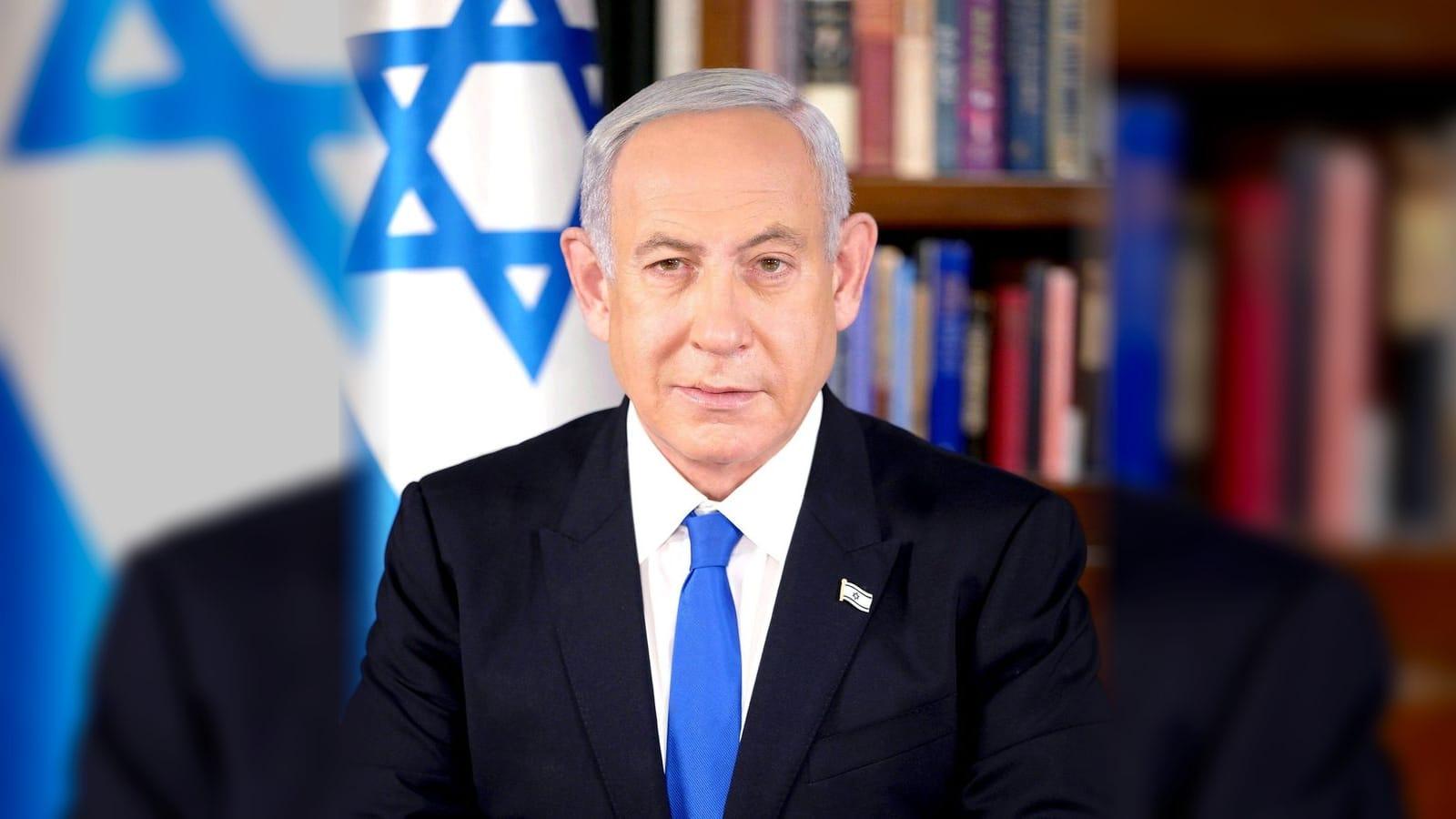
Benjamin Netanyahu. File photo by Avi Ohayon, CC BY-SA 3.0, via Wikimedia Commons.
Prime Minister Benjamin Netanyahu's Likud party on Sunday rejected reports that he had asked to remain in office for several months, citing the security situation, before handing over the premiership under a rotation arrangement. Ynet reported in a news alert that Netanyahu had demanded to be prime minister "in the next security event", and that Likud denied it.
In a statement carried by several outlets, Likud said Netanyahu had in fact proposed the opposite. According to the Likud statement published by political commentator Amit Segal, the reports that Netanyahu asked for the rotation to begin only after several months because of the security situation are false, and Netanyahu had offered Eisenkot to speed up the negotiations and take up the post at once. N12's political correspondent Dafna Liel reported the same denial, as did Kan, the Israeli public broadcaster, which described the reports as concerning the outline of Netanyahu's rotation.
What the sources posted


בליכוד מכחישים את הדיווחים על מתווה הרוטציה של נתניהו: "הדיווחים לפיהם ראש הממשלה ביקש להתחיל את הרוטציה אחרי מספר חודשים בשל המצב הביטחוני הם שקריים" @yaara_shapira
On the ground

🔊Netanyahu has offered rival Eisenkot a power-sharing deal, a sign Israel’s opposition may be closing in on a coalition that could end his grip on power. Listen to the Reuters World News podcast for more reut.rs/4Cvs2Ke

What the two accounts say
The two versions differ on a single point: timing. The reports that prompted the denial, as summarised by Ynet, Kan and N12, held that Netanyahu wanted the rotation to start only after a delay of several months, and that he linked this to the security situation, wishing to be the one in office if a new security crisis arose. Likud's response turns that around, saying it was Netanyahu who pushed for the talks to move faster and for his counterpart to enter the role immediately.
A second Ynet alert, issued about two hours after the first, carried Likud's line that Netanyahu had suggested Eisenkot accelerate the negotiations and step into the job right away. Neither side's version has been confirmed by the other party to the talks in the material available to us.
Who is involved
Likud is the right-wing party Netanyahu has led for most of the past three decades and the largest party in his governing coalitions. Eisenkot is Gadi Eisenkot, a former chief of the general staff of the Israel Defense Forces (IDF), Israel's military, who entered politics after leaving the army. The reports do not spell out what office Eisenkot would take up under the arrangement being negotiated, though the dispute is framed around who holds the premiership and when.
Get an email the day Israel has a new government.
Coalition talks can take weeks. When a government is sworn in, Israel.com's newsroom emails who leads it, which parties are in and who got which ministry, then the Friday email each week. Free, and one click unsubscribes.
One list, unsubscribe in a click. See our privacy policy.
What a rotation means in Israeli politics
In Israel's parliamentary system, no single party has ever won a majority on its own, so governments are built from coalitions. When two leaders of comparable strength both claim the top job, they sometimes agree to a rotation: one serves as prime minister for an agreed period, then the other takes over, with the first usually holding a senior post such as alternate prime minister in the meantime. Netanyahu has been part of such an arrangement before, with Benny Gantz, and that deal ended in early elections before the handover took place. The order of the rotation and the date of the switch are typically among the most contested points in negotiations, because the leader who goes first holds power with certainty while the second depends on the coalition surviving.
That history is why the timing question carries weight here. A claim that one side wants to delay the switch, and to tie the delay to security developments, goes to whether the arrangement would be carried out as agreed.
File photo
Next story Elections
Likud says Netanyahu phoned Eisenkot twice around a statement, with no answer
The security framing
The phrase at the centre of the original report, the "next security event", is a common term in Israeli political discussion for a sudden military escalation or crisis. The reports do not describe any specific threat or operation that Netanyahu was said to have had in mind, and Likud's denial does not address the security situation beyond rejecting the claim that it was used as a reason for delay.
How the story was reported
The material available consists of short news alerts and social media posts rather than full articles. Ynet's first alert summarised the claim and the denial together. The Likud statement was then distributed in near-identical form by Segal, by N12's Liel and by Kan's correspondent Yaara Shapira, who was credited in the Kan post. N12 issued its item twice, the second time marked as edited, with the same wording of the denial. There is a small difference in how the second half of the Likud statement was rendered: Ynet's version has Netanyahu proposing that Eisenkot enter the role immediately, while the version published by Segal can be read as Netanyahu offering to install him in the role immediately. Both describe a faster handover, not a slower one.
What the reports do not say
None of the reports identifies which outlet first published the claim that Netanyahu sought to delay the rotation, or what evidence that report relied on. No response from Eisenkot or his associates appears in the material, so his account of what Netanyahu offered is unknown. The reports also do not give the proposed length of either leader's term, the status of the negotiations, or when an agreement might be signed.
People in this story: Benjamin Netanyahu, Amit Segal, Gadi Eisenkot, Benny Gantz
Read next
All elections →
File photo
Government
Netanyahu tells Likud lawmakers Haredi parties belong in a unity government
File photo
Elections
Eisenkot accuses Likud of stalling as Netanyahu weighs second turn in rotation
File photo
Government
Eisenkot says Likud is stalling coalition talks, with 8 days left on his mandate
File photo
Elections
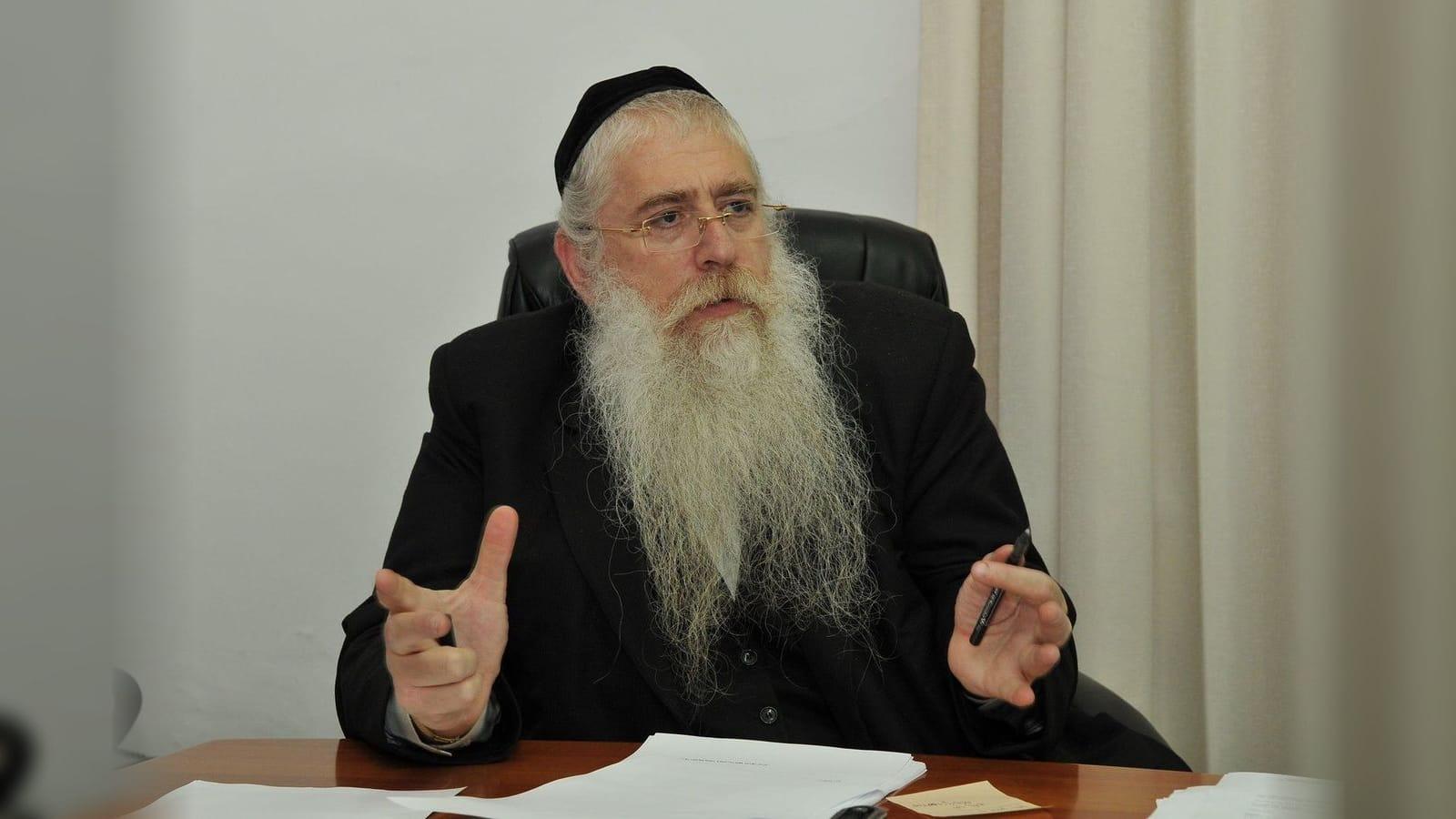
UTJ's Meir Porush urges Eisenkot to answer Netanyahu's unity call
See Israel.com first in Google's top stories.Add it as a preferred source on Google
Sources and further reading
Every link below was opened and checked when this page was written. Official statements are marked as such: they are the subject's own account, not an independent one.
- Reportingyediotht.meYnet alerts
- Reportingyediotht.meYnet alerts
- Reportingamitsegalt.meAmit Segal
- Reportingkeshett.meN12
- Reportingkeshett.meN12
- Reportingkanx.comKan News on X
How we checked this
Likud's denial was carried by Ynet, N12, Kan and Amit Segal in closely matching wording. The underlying claim about Netanyahu's demand appears only in summary form, and its original source and evidence are not identified in the material.
Our sourcing and corrections policy →The week from Israel, in one email
The stories that mattered, sourced and checked by the Israel.com newsroom. Free, weekly, one-click unsubscribe.
One list, unsubscribe in a click. See our privacy policy.

Israel.com is free, and readers like you keep it that way.
The Israel.com newsroom checks every story against its sources and publishes it free. If this one helped, a contribution of any size keeps the next one free too.
One payment, nothing to sign up for. Another amountGive monthly
Latest

Illustration
File photo

File photo
File photo

Illustration

Illustration