Ra'am leader Mansour Abbas warns a minority government without Haredim would fail
The Arab party's chief called a minority coalition excluding ultra-Orthodox parties dangerous and short-lived, while signalling openness to an Eisenkot-led unity government.
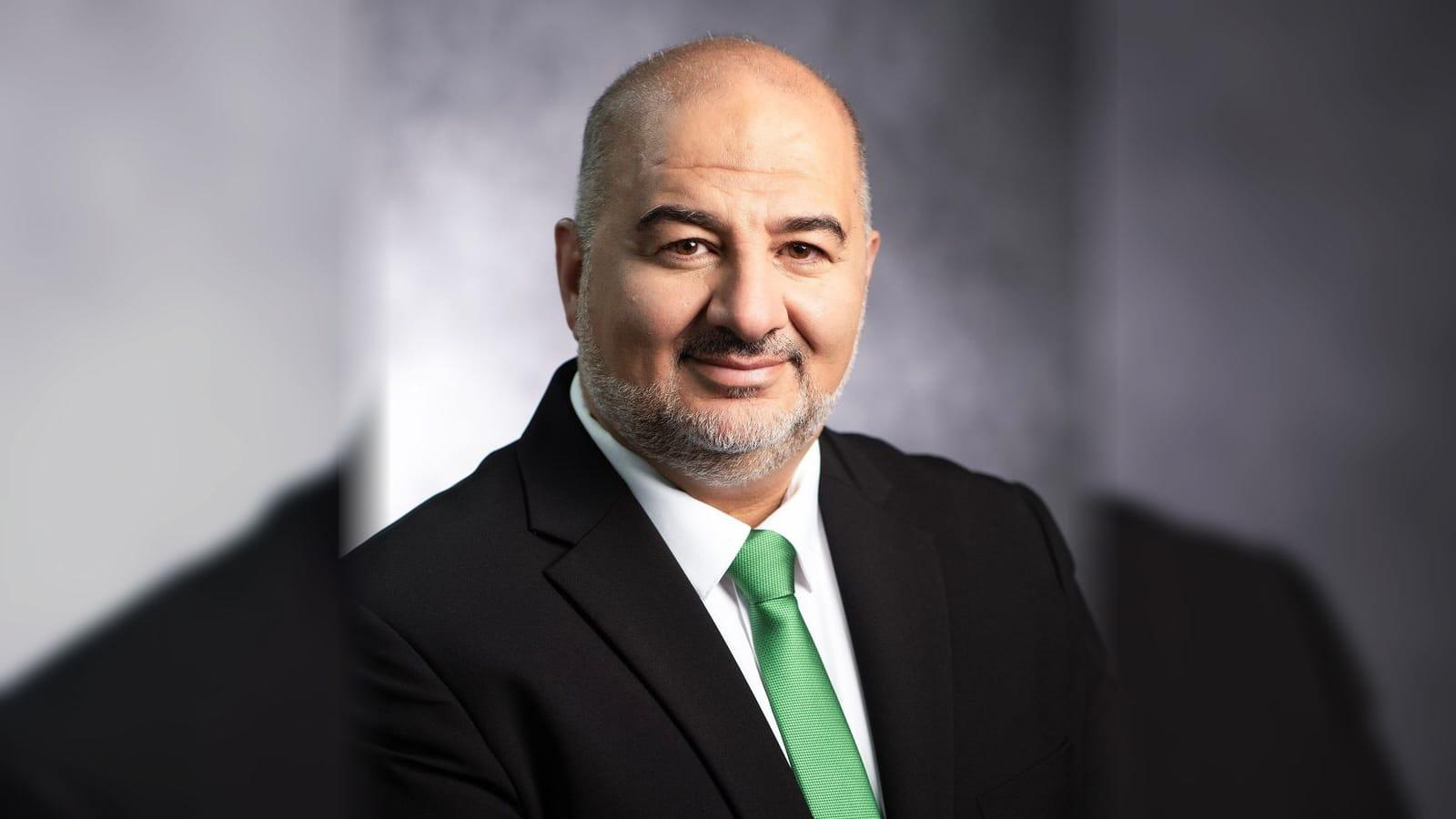
Mansour Abbas. File photo by Sharon Gabay, CC BY-SA 4.0, via Wikimedia Commons.
Mansour Abbas, who heads the Arab Islamist party Ra'am, has warned against forming a minority government that leaves out the Haredi, or ultra-Orthodox, parties. The Times of Israel reported that Abbas described such a government as very dangerous and said it would have no chance of surviving.
The Jerusalem Post reported the same warning and added that Abbas said he was open to a unity government led by Gadi Eisenkot. The Post's report carried a photograph of Abbas with fellow Ra'am lawmaker Walid al-Huashla at a party faction meeting in the Knesset, Israel's parliament in Jerusalem, dated November 16, 2026. Political commentator Amit Segal wrote on his Telegram channel that Abbas was pushing back against statements made by Yair Golan, and that Abbas's point was that a minority government resting only on the Arab parties would not last long.
On the ground

🔴 ‘A minority government supported solely by the Arab parties is dangerous, it won’t survive,’ warns Ra'am leader Mansour Abbas

Mansour Abbas said a minority government would collapse without haredi parties but reaffirmed Ra’am’s commitment to replacing Netanyahu. jpost.com/israel-news/po…
Who Mansour Abbas and Ra'am are
Ra'am is the Hebrew acronym for the United Arab List, a party rooted in the southern branch of the Islamic Movement in Israel and drawing much of its support from Arab citizens, including Bedouin communities in the Negev. Abbas has led the party for several years and is known for arguing that Arab parties should engage directly with Israeli governing coalitions in order to secure budgets and policy gains for Arab communities, rather than remaining permanently in opposition. Ra'am previously sat in a governing coalition, a first for an independent Arab party in Israel.
Walid al-Huashla, pictured with Abbas in the Post's report, is a Ra'am member of the Knesset.
What a minority government means in Israel
Israeli governments need the confidence of the Knesset. A minority government is one in which the parties holding cabinet posts do not themselves command a majority of lawmakers, and depend on outside parties to support them from the opposition benches, or at least to avoid voting them down. Such arrangements are rare in Israel and are widely seen as fragile, because every budget, law and no-confidence motion becomes a fresh negotiation with parties that hold no stake in the government.
Israel's week in five stories, every Friday
Sourced and checked by the Israel.com newsroom, with Shabbat times. Free, one-click unsubscribe.
One list, unsubscribe in a click. See our privacy policy.
The idea surfaces when neither of Israel's main political camps can assemble a majority on its own. One version discussed in Israeli politics would see a centre-left coalition governing with outside backing from Arab parties. Abbas's comments, as reported, address that scenario directly: he argued that leaning only on Arab parties would not provide a stable enough base.
Why the Haredi parties matter
The Haredi parties represent ultra-Orthodox Jewish voters and have been partners in many Israeli coalitions. They have traditionally aligned with the right-wing bloc. A government formed without them would need its majority, or its outside support, from elsewhere. By warning against a minority government that excludes them, Abbas appears in the reports to be arguing that any alternative coalition should seek broader backing rather than relying on a narrow arrangement with Arab parties.
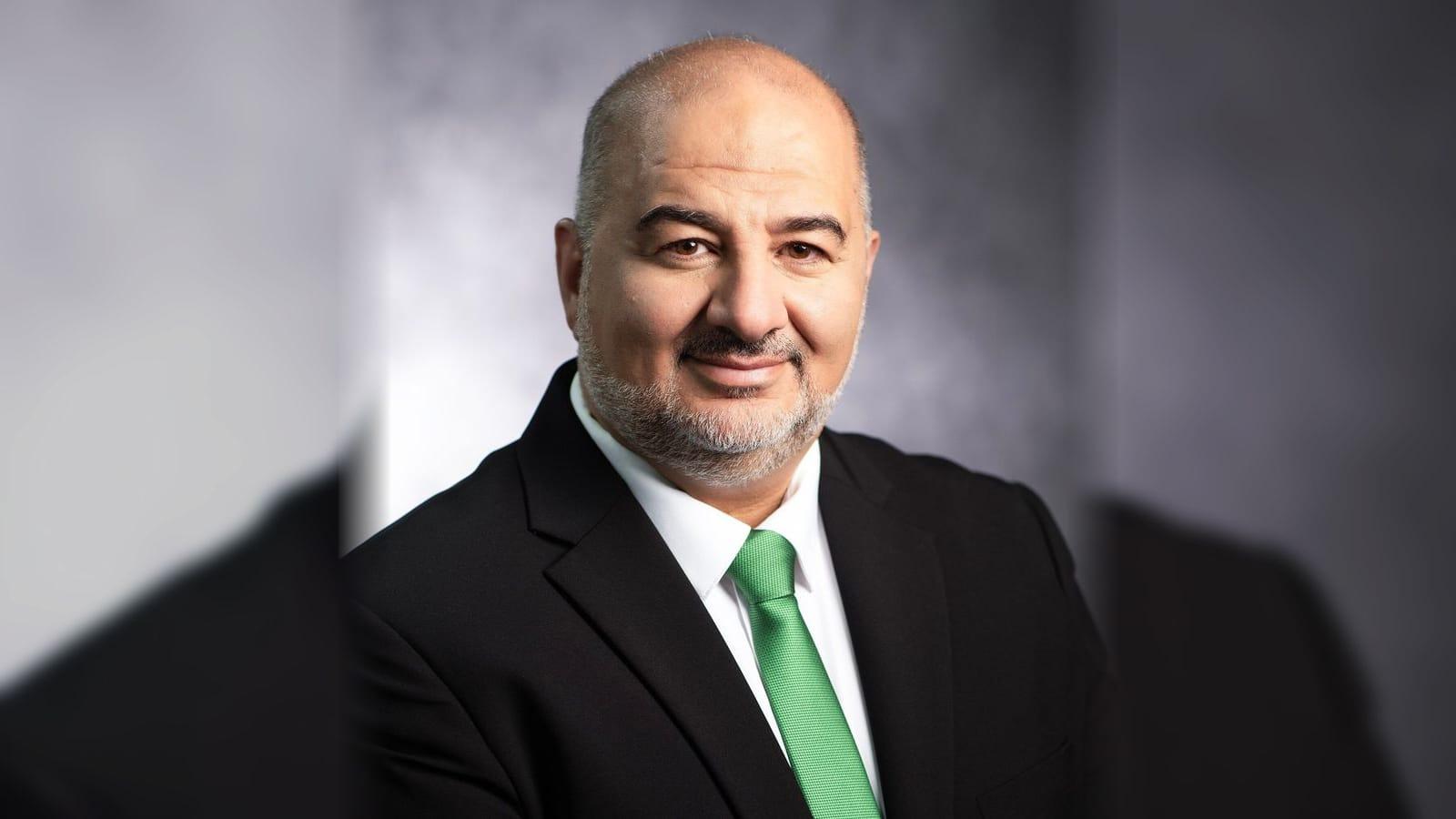
File photo
Golan, Eisenkot and the unity option
Yair Golan is a former deputy chief of staff of the Israel Defense Forces who leads The Democrats, a left-wing party. Segal's post frames Abbas's remarks as a response to statements by Golan, though the reports here do not set out what Golan said.
Gadi Eisenkot is a former IDF chief of staff who has become an opposition politician. According to the Jerusalem Post, Abbas said he was open to a unity government under Eisenkot. A unity government in the Israeli sense generally means a broad coalition bringing together parties from across rival camps, as opposed to a narrow majority built from one bloc.
How the reports differ
The three reports emphasise different parts of Abbas's message. The Times of Israel framed it around the exclusion of the Haredi parties and the risk to the government's survival. Segal's post framed it as a rebuttal to Golan and stressed reliance on Arab parties alone. The Jerusalem Post combined the warning with Abbas's openness to an Eisenkot-led unity government. The accounts do not contradict one another, but each foregrounds a different element.
What the reports do not say
The reports do not state what Yair Golan said that prompted Abbas's response, and none carries a reply from Golan, Eisenkot or the Haredi parties. They also do not say where or in what format Abbas made his remarks, or whether Ra'am has set conditions for joining or supporting any future government.

xiquinhosilva / CC BY 2.0 · Wikimedia Commons
Read next
All religion →
File photo
Courts & Crime
Mansour Abbas asks attorney general to probe accusations against Ra'am

File photo
Elections
Yair Golan confirms coalition talks with Ra'am leader Mansour Abbas

Illustration
Trade
Iran's parliament speaker warns dams and ports near US and Israeli bases

Illustration
Courts & Crime
Beit Hanina man, 19, indicted over alleged attack plan near Temple Mount
Sources and further reading
Every link below was opened and checked when this page was written. Official statements are marked as such: they are the subject's own account, not an independent one.
- Reportingtoitimesofisrael.comThe Times of Israel
- Reportingjpostjpost.comThe Jerusalem Post
- Reportingamitsegalt.meAmit Segal
How we checked this
Abbas's warning was reported by The Times of Israel, The Jerusalem Post and commentator Amit Segal, all in brief form. His openness to an Eisenkot unity government comes from the Jerusalem Post alone, and the link to Yair Golan's statements comes from Segal alone.
Our sourcing and corrections policy →The week from Israel, in one email
The stories that mattered, sourced and checked by the Israel.com newsroom. Free, weekly, one-click unsubscribe.
One list, unsubscribe in a click. See our privacy policy.

Israel.com is free, and readers like you keep it that way.
The Israel.com newsroom checks every story against its sources and publishes it free. If this one helped, a contribution of any size keeps the next one free too.
One payment, nothing to sign up for. Another amountGive monthly
Latest
File photo
File photo

Illustration

Illustration

Illustration

Illustration