Likud says Eisenkot, Lieberman and Bennett parties voted alongside Tibi and Abbas
Likud accused three opposition-camp parties of joining Arab lawmakers in a Knesset vote and urged them to end cooperation it described as backing terror supporters.
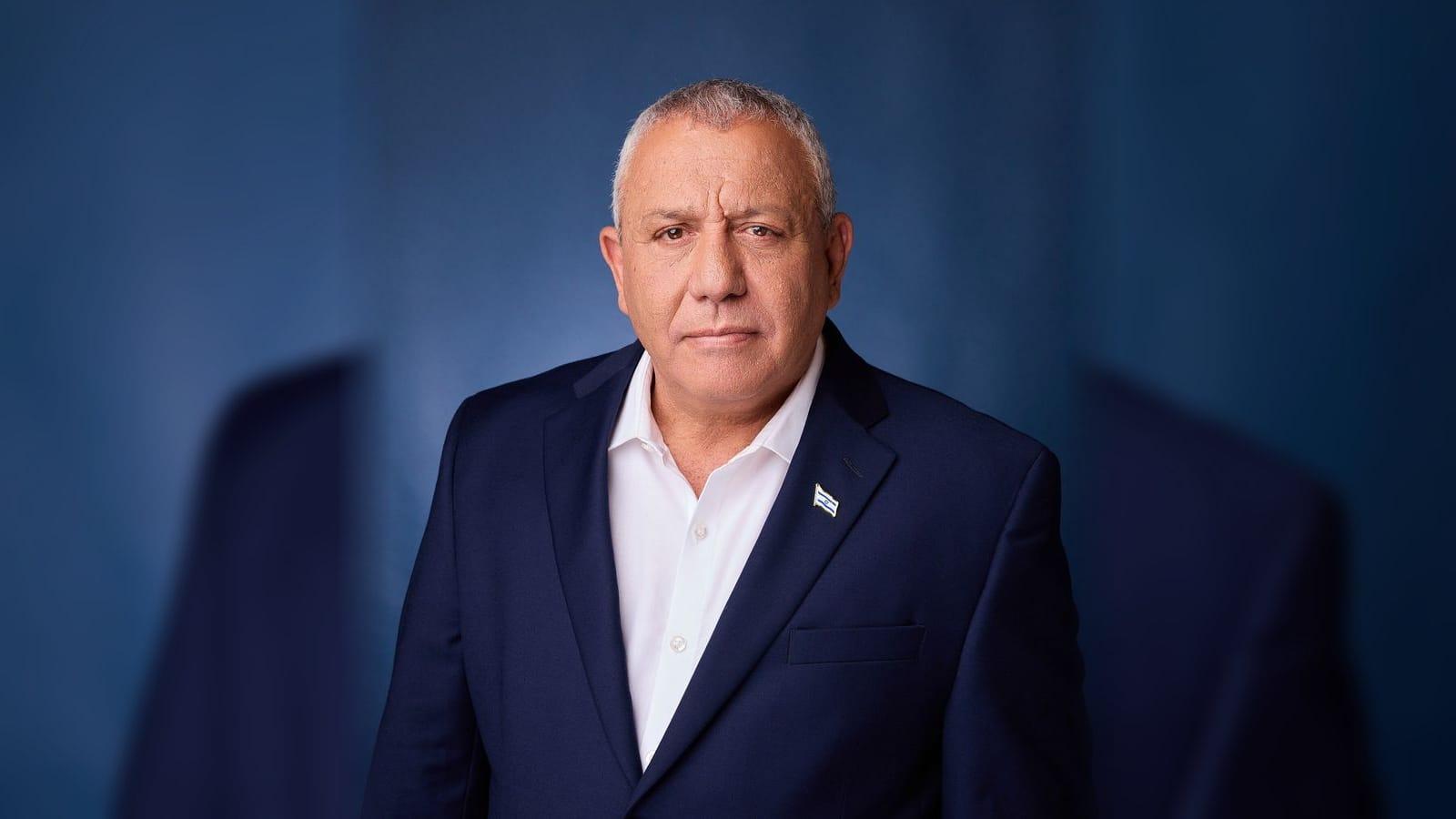
Gadi Eisenkot. File photo by יהב טרודלר (Yahav Trudler - Yahav Studio), CC BY-SA 3.0, via Wikimedia Commons.
Likud, the party led by Prime Minister Benjamin Netanyahu, issued a statement on Wednesday accusing the parties of Gadi Eisenkot, Avigdor Lieberman and Naftali Bennett of voting together with Arab lawmakers Ahmad Tibi and Mansour Abbas in the plenum of the Knesset, Israel's parliament. The statement was circulated by political commentator Amit Segal on his Telegram channel and, in identical wording, by the News.co.il channel.
The statement opened with the words "It has begun" and called on the three parties to "come to unity". It urged them to stop cooperating with what Likud called supporters of terror who boycott the national anthem. Likud did not say which vote or votes it was referring to, and neither channel that carried the statement identified the legislation or motion involved.
On the ground

Gadi Eisenkot, the politician tasked with forming a new Israeli government, pledges to reverse many of Prime Minister Benjamin Netanyahu’s policies as the new parliament is sworn in. nbcnews.com/world/israel/e…
Who the named politicians are
The statement refers to politicians by name rather than by party, a common shorthand in Israeli political messaging. Gadi Eisenkot is a former chief of staff of the Israel Defense Forces who moved into politics and now heads his own party. Avigdor Lieberman leads Yisrael Beytenu, a secular right-wing party whose base was historically built among immigrants from the former Soviet Union, and he served in several of Netanyahu's governments before breaking with him. Naftali Bennett is a former prime minister who heads a party he has positioned as a right-wing alternative to Netanyahu.
All three are part of what Israeli media call the change bloc, the loose grouping of parties opposed to Netanyahu continuing in office. They are not a single party, and they do not always vote together.
Ahmad Tibi is one of the longest-serving Arab members of the Knesset and a prominent figure in Arab Israeli politics. Mansour Abbas leads Ra'am, the United Arab List, an Islamist-rooted party that took the unusual step of joining a governing coalition when Bennett was prime minister. That partnership has been a frequent target of Likud criticism ever since.
Get an email the day Israel has a new government.
Coalition talks can take weeks. When a government is sworn in, Israel.com's newsroom emails who leads it, which parties are in and who got which ministry, then the Friday email each week. Free, and one click unsubscribes.
One list, unsubscribe in a click. See our privacy policy.
Why Likud frames it this way
The question of whether Jewish-majority parties should rely on, or vote alongside, Arab parties has been a recurring line of attack in Israeli politics. Likud and its allies have argued that governments depending on Arab parties are illegitimate or unsafe; their opponents call that framing an effort to delegitimise the votes of Arab citizens, who make up a significant minority of Israel's population.
The reference to the national anthem concerns Hatikvah, whose lyrics speak of the Jewish longing for a homeland. Some Arab lawmakers have declined to sing or stand for it at official occasions, saying it does not represent them. Likud's statement characterised Tibi and Abbas as boycotting the anthem and as supporters of terror; those are Likud's descriptions, and the statement offered no further detail or evidence for them.
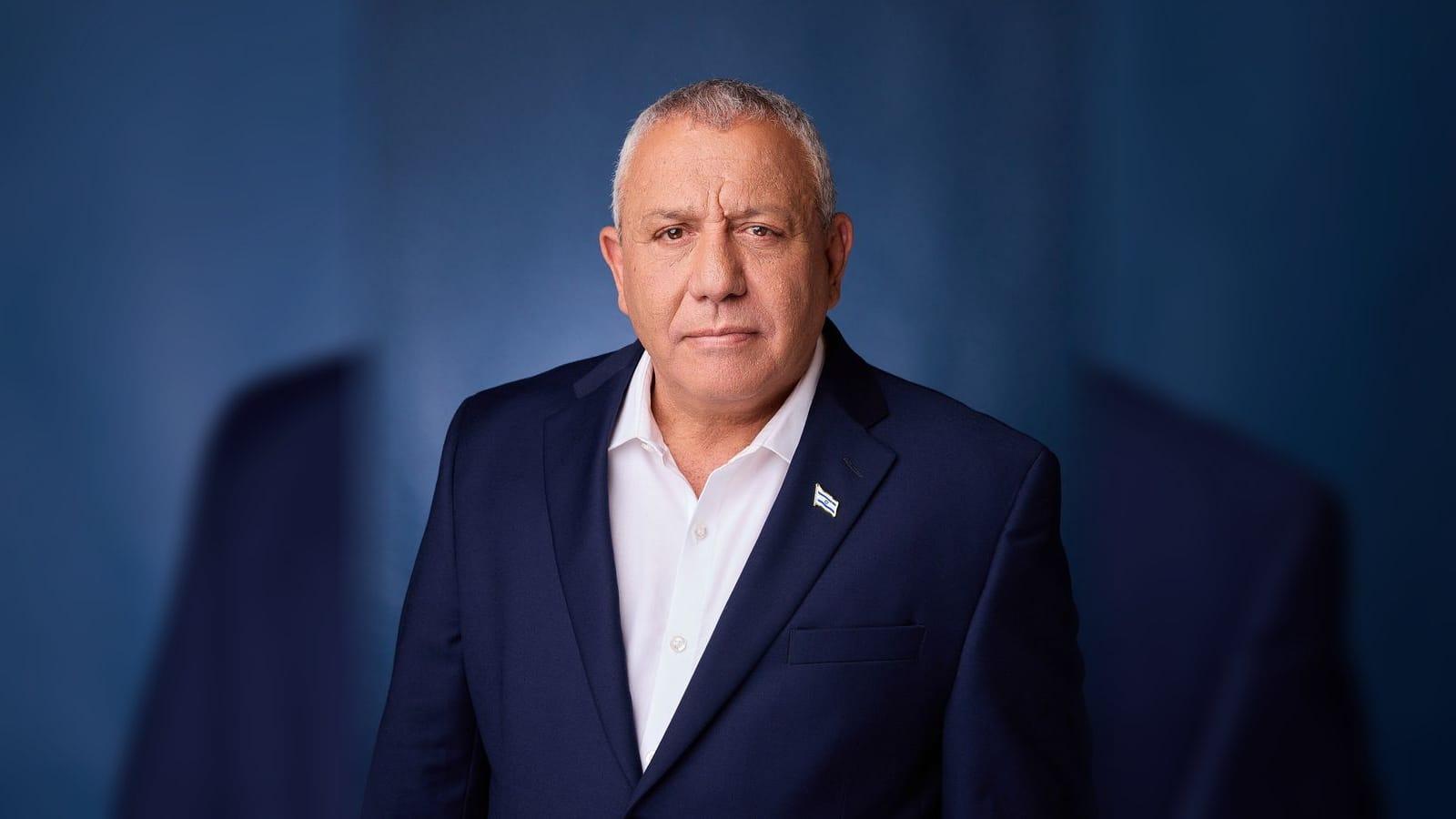
File photo
Next story Government
Eisenkot and Lieberman agree on Knesset speaker and Haredi outreach, reports say
Votes in the Knesset plenum often cut across bloc lines on procedural and legislative matters, and opposition parties routinely vote in the same direction on bills they each oppose for different reasons. A shared vote does not by itself indicate a political alliance, and the statement did not claim any formal agreement between the parties.
Who reported it
Both reports are postings of the Likud statement itself, carried within a minute of each other on Telegram. Neither added reporting of its own on the vote. The account here is therefore an account of what Likud said, not an independent account of how any party voted.
What the reports do not say
- Which vote or votes in the Knesset plenum Likud was referring to, and what the outcome was.
- Any response from Eisenkot, Lieberman, Bennett, Tibi or Abbas, none of which was reported.
- What Likud means by its call to "come to unity", and whether it is proposing any specific political arrangement.
Read next
All elections →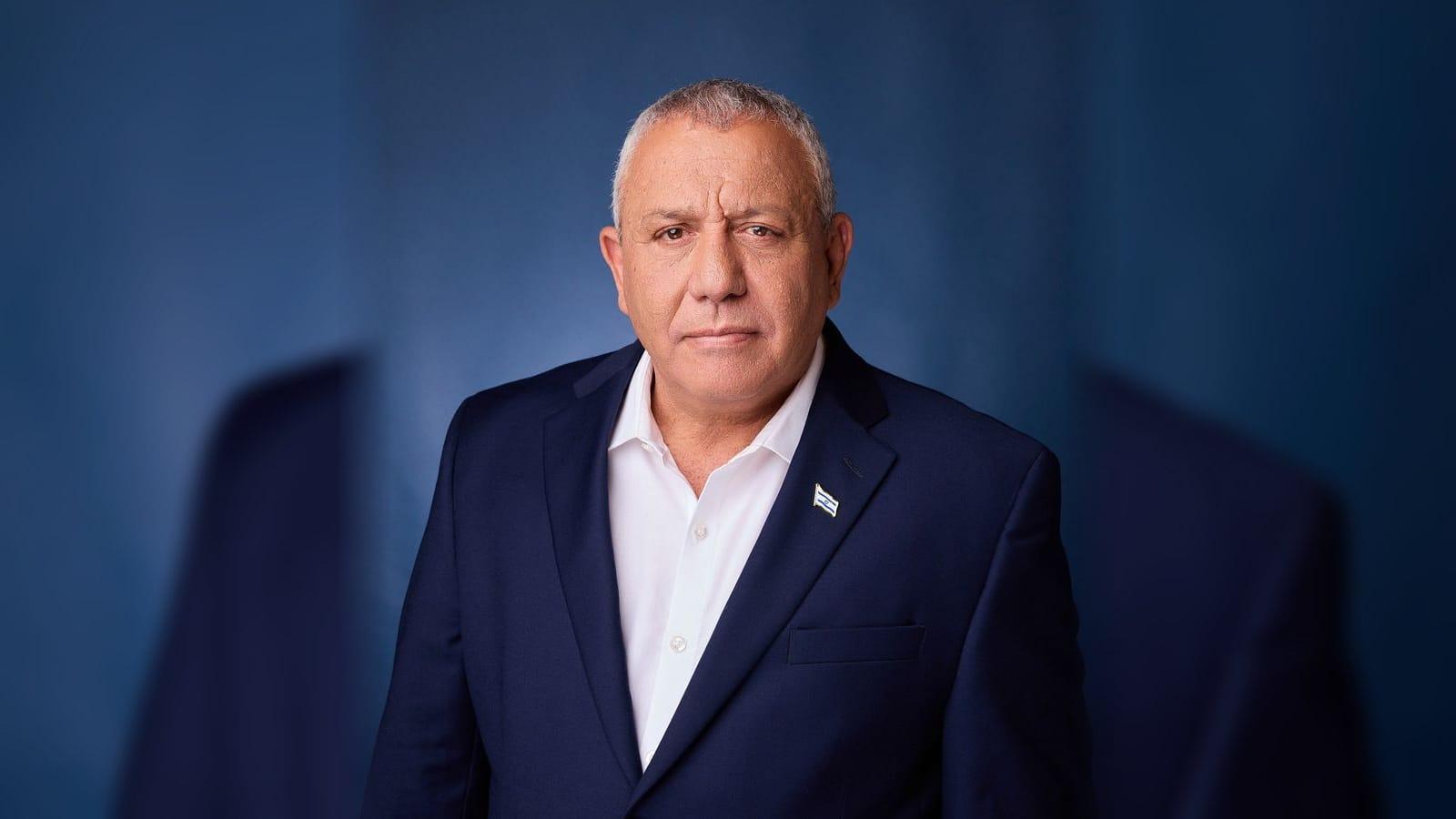
File photo
Government
Eisenkot calls off Likud talks, says Netanyahu unfit to stay in office
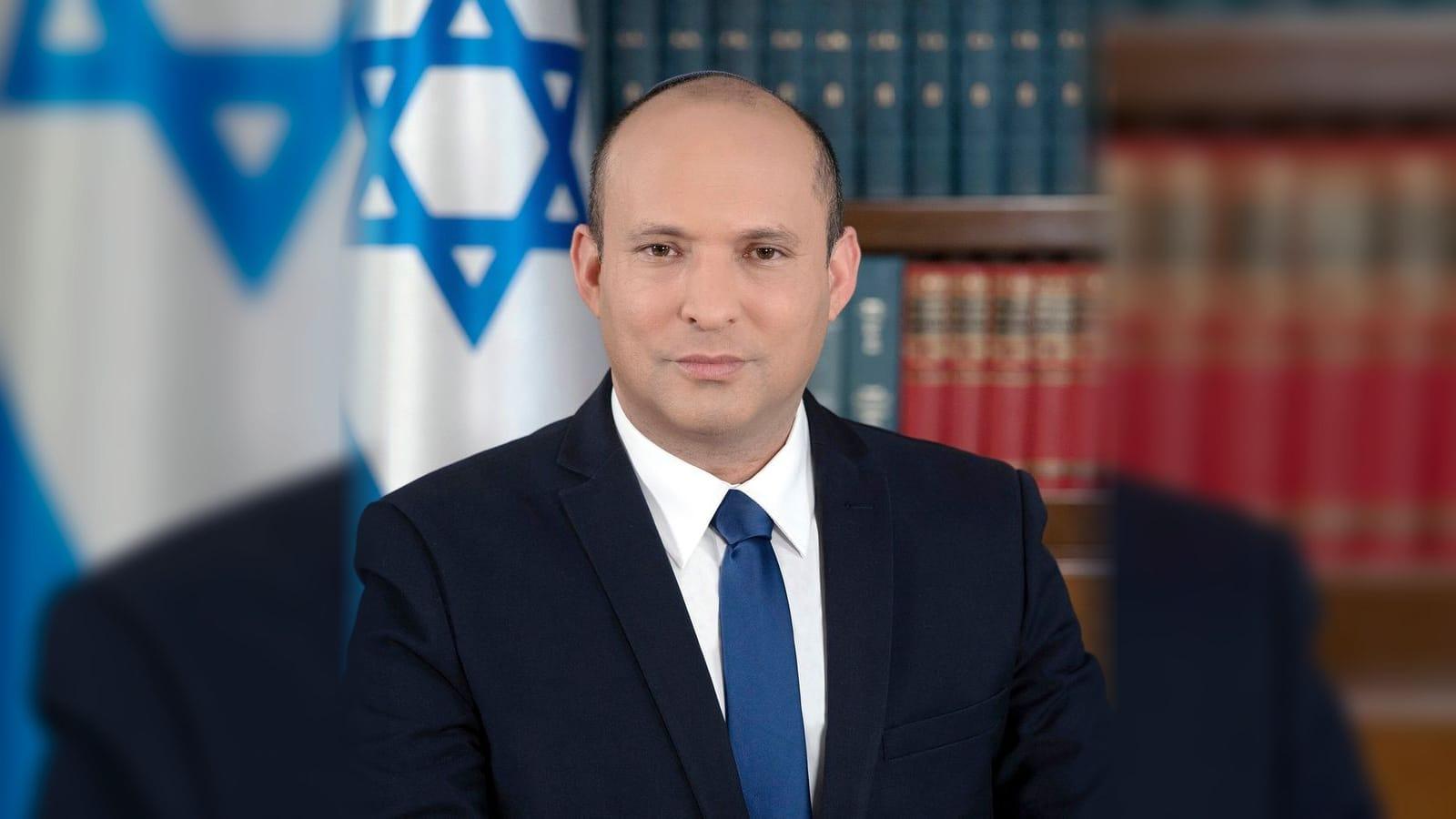
File photo
Elections
Bennett says he is quietly helping Eisenkot build a 'Zionist government'
File photo
Elections
Netanyahu confidant Natan Eshel approached Ra'am's Abbas over Eisenkot

File photo
Elections
Bennett and Lapid's faction tells Herzog it backs Eisenkot, rejects unity talk
Sources and further reading
Every link below was opened and checked when this page was written. Official statements are marked as such: they are the subject's own account, not an independent one.
- Reportingamitsegalt.meAmit Segal
- Reportingnewssilt.meNews.co.il
How we checked this
Two Telegram channels, Amit Segal's and News.co.il's, carried the same Likud statement word for word; neither independently confirmed the vote. All claims about the vote and the characterisation of Tibi and Abbas are Likud's alone.
Our sourcing and corrections policy →The week from Israel, in one email
The stories that mattered, sourced and checked by the Israel.com newsroom. Free, weekly, one-click unsubscribe.
One list, unsubscribe in a click. See our privacy policy.

Israel.com is free, and readers like you keep it that way.
The Israel.com newsroom checks every story against its sources and publishes it free. If this one helped, a contribution of any size keeps the next one free too.
One payment, nothing to sign up for. Another amountGive monthly
Latest
File photo

Illustration

Illustration

File photo

Illustration

Illustration