Netanyahu and Ben Gvir meet on blocking a change-bloc minority government
Prime Minister Benjamin Netanyahu held a long meeting with Otzma Yehudit leader Itamar Ben Gvir, with both reports framing it around keeping the right in power.
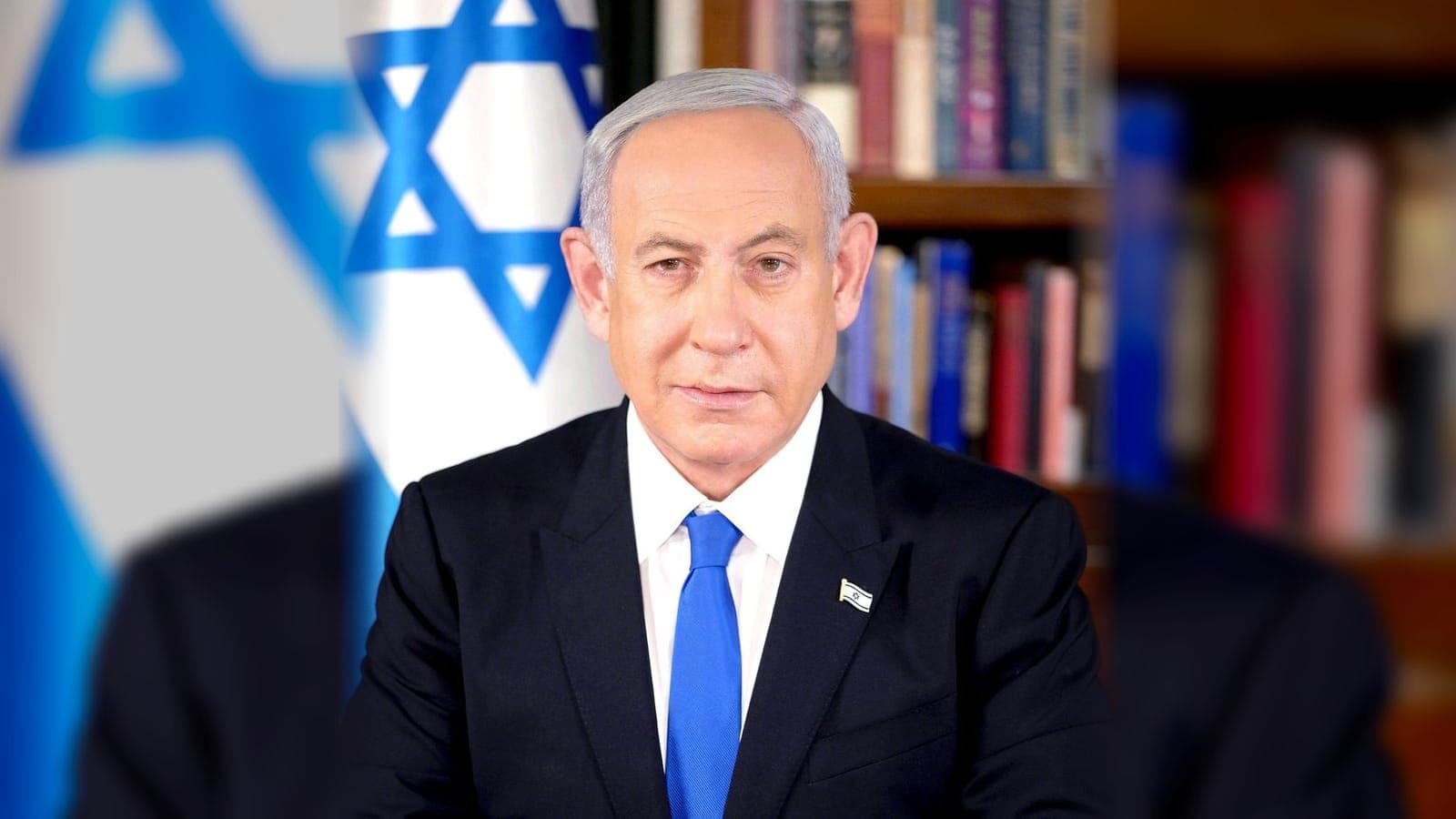
Benjamin Netanyahu. File photo by Avi Ohayon, CC BY-SA 3.0, via Wikimedia Commons.
Prime Minister Benjamin Netanyahu met Itamar Ben Gvir, chairman of the Otzma Yehudit party, in an effort to head off a minority government formed by what Israeli politics calls the change bloc, according to N12 political correspondent Dafna Liel. Her report did not give details of what was proposed or agreed.
Otzma Yehudit itself described the meeting. Ynet reported a statement from the party saying Ben Gvir had met Netanyahu at length and that the two had "discussed how to preserve the right-wing government." Neither report included a statement from the Prime Minister's Office.
Who Ben Gvir and Otzma Yehudit are
Otzma Yehudit, whose name translates as "Jewish Power," is a party on the far right of Israel's political map. Its leader, Itamar Ben Gvir, is one of the most prominent figures on the Israeli hard right and has been a partner of Netanyahu's Likud party in the right-wing camp. Because Israeli governments are built from coalitions of several parties, the support of smaller factions such as Otzma Yehudit can decide whether a prime minister holds onto power.
That leverage is why a meeting between the prime minister and the head of a coalition partner can be news in itself. In Israel's fragmented parliament, a single party leaving or staying can determine whether a government survives.
What the change bloc is
The "change bloc" (in Hebrew, gush hashinui) is the shorthand used in Israeli media for the parties that oppose Netanyahu continuing as prime minister. The bloc is not a single party but a loose alignment of factions from across the political spectrum, united mainly by the aim of replacing Netanyahu's right-wing camp in government.
Israel's week in five stories, every Friday
Sourced and checked by the Israel.com newsroom, with Shabbat times. Free, one-click unsubscribe.
One list, unsubscribe in a click. See our privacy policy.
The term is used in contrast to the right-wing or Netanyahu bloc, the grouping of parties that have backed him. Much of Israeli coalition politics in recent years has been framed as a contest between these two camps.
What a minority government means in Israel
Israel's parliament, the Knesset, normally confirms a government that can count on the backing of a majority of its members. A minority government is one that takes office without a guaranteed majority, relying instead on parties outside the coalition to abstain or to support it on specific votes rather than oppose it.
Next story Elections
Netanyahu bloc steady at 53 seats as Israel's vote count passes 93.8%
Such arrangements are unusual in Israel and are generally seen as fragile, because the government can be brought down if the outside parties withdraw their tacit support. The N12 report indicates that the possibility of the change bloc forming a government of this kind is a concern for Netanyahu, and that blocking it was the purpose of the meeting with Ben Gvir.
How the two reports frame the meeting
The two accounts are consistent but put the emphasis in different places. The N12 report, attributed to its correspondent, describes the goal in defensive terms: preventing a rival bloc from forming a minority government. The Ynet item relays the party's own framing, which speaks of preserving the existing right-wing government. Both point to a shared interest between Netanyahu and Ben Gvir in keeping the right-wing camp in power, but only Otzma Yehudit's statement characterises the length of the meeting, and only the N12 report names the minority government scenario.
Both reports were brief news alerts published within seconds of each other, and both are in Hebrew. Neither is a full article.
What the reports do not say
The reports leave several basic questions unanswered. They do not say where the meeting took place, how long it lasted beyond the party's description of it as lengthy, or whether anyone else attended. They do not explain what political developments prompted concern about a minority government, which parties might take part in one, or how close such a government is to being formed.
They also do not describe any specific steps Netanyahu and Ben Gvir discussed, any demands Otzma Yehudit may have raised, or any outcome of the talks. No response from Netanyahu's office or from change-bloc parties appears in the material. Until further reporting fills those gaps, the meeting is known mainly through one party's statement and one correspondent's account of its purpose.
Read next
All government →
File photo
Elections
Netanyahu vows to keep far-right allies as Eisenkot seeks a path to change

Illustration
Emergency
Driver aged about 30 critically hurt in Ben Zvi Road crash in Tel Aviv

Illustration
Security
UAE says flydubai co-pilot planned crash at Ben Gurion; IDF hijack order revealed

Illustration
Emergency
flydubai rescue flight lands at Ben Gurion; one passenger taken to hospital
Sources and further reading
Every link below was opened and checked when this page was written. Official statements are marked as such: they are the subject's own account, not an independent one.
- Reportingyediotht.meYnet alerts
- Reportingkeshett.meN12
How we checked this
The meeting was reported by two Israeli outlets, Ynet and N12, in brief Hebrew news alerts. The description of the meeting as lengthy and the quote on preserving the right-wing government come from Otzma Yehudit, while the minority government goal is attributed to N12 correspondent Dafna Liel; we have not independently verified either.
Our sourcing and corrections policy →The week from Israel, in one email
The stories that mattered, sourced and checked by the Israel.com newsroom. Free, weekly, one-click unsubscribe.
One list, unsubscribe in a click. See our privacy policy.

Israel.com is free, and readers like you keep it that way.
The Israel.com newsroom checks every story against its sources and publishes it free. If this one helped, a contribution of any size keeps the next one free too.
One payment, nothing to sign up for. Another amount
Latest
- Czech diplomat, 30, killed by minibus on Jerusalem's Agrippas Street
- IDF says four arrested in Jenin area were trading in weapons
- Qatari mediators back in Tehran to pursue a US-Iran deal, reports say
- Israeli army moves to demolish homes of Hebron attackers who killed two soldiers
- Bus driver killed in Route 25 crash with tractor near Shibolim
- Ukrainian strikes reported on refinery in Novokuibyshevsk, near Samara