Netanyahu breaks 8-day silence, warns against government reliant on Arab parties
In his first filmed statement since the elections, Netanyahu said a government leaning on Arab parties could not confront radical Islam, and backed a Shin Bet probe.
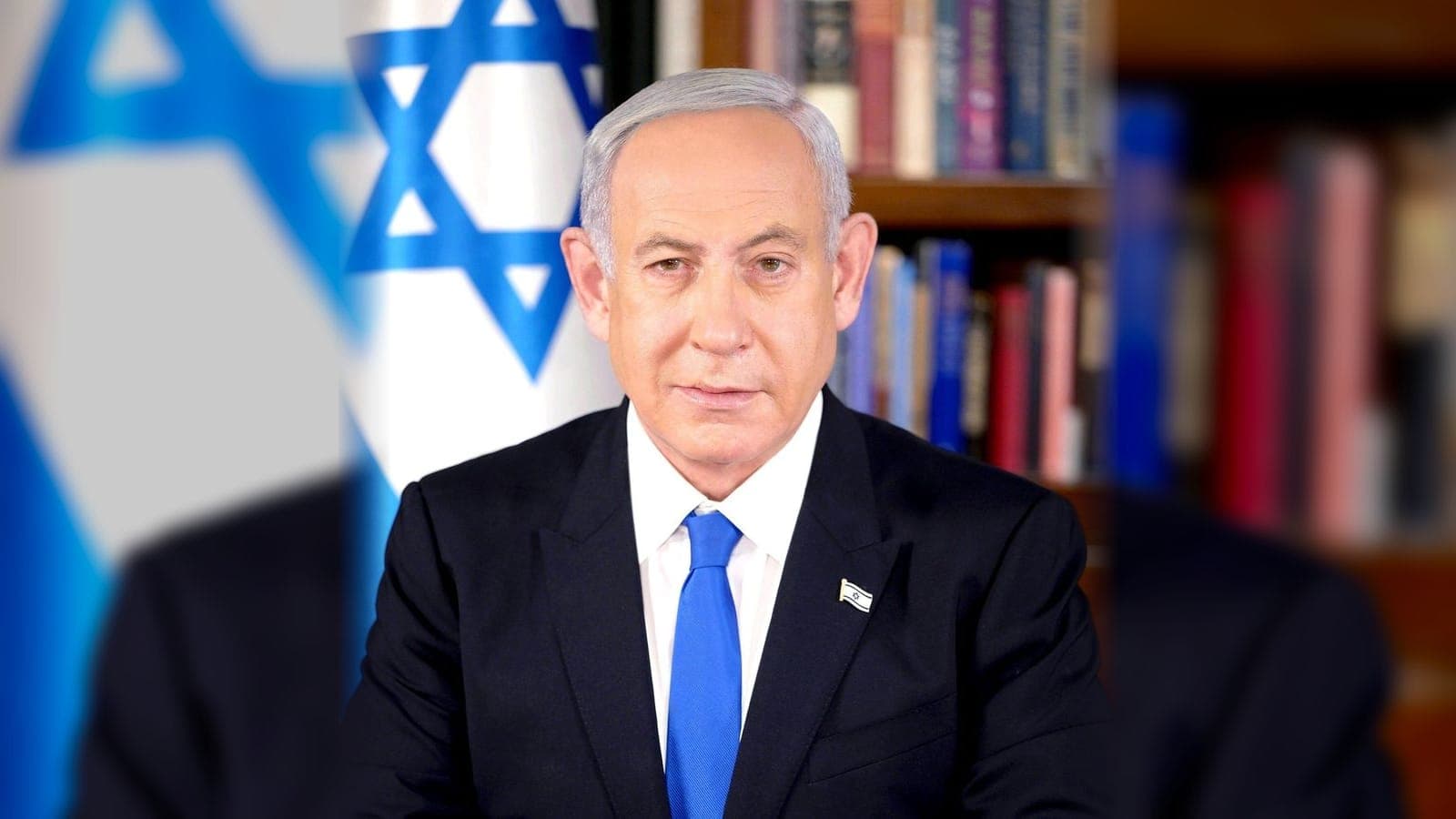
Benjamin Netanyahu. File photo by Avi Ohayon, CC BY-SA 3.0, via Wikimedia Commons.
Prime Minister Benjamin Netanyahu released a video statement on Wednesday evening, his first filmed appearance since Israel's elections, in which he argued that his rivals could only form a government by relying on parties he described as supporters of terrorism. Ynet reported that it was the first time in 8 days that the prime minister had been seen on camera, and that he used the statement to call for a broad national government led by his Likud party.
The Times of Israel reported that the video, issued by the Prime Minister's Office on November 4, 2026, also included Netanyahu's insistence that an investigation by the Shin Bet into foreign interference in last week's vote should go forward. The outlet framed this as a probe touching Arab members of the Knesset, Israel's parliament.
What Netanyahu said
According to the Times of Israel account, Netanyahu tied Israeli politics to developments abroad, saying radical Islam was dividing European countries and also posed a threat to Israel. He described that threat as coming from outside the country, through Iran and its allied groups, and from inside it, through what he called "Islamist parties that support terrorism." He said those parties wanted to remove the Jewish character of the state and to limit Israel's capacity to defend itself, and that they said so publicly.
His central argument, as several outlets summarised it, was that a coalition depending on such parties would neither be able to fight Israel's enemies nor hold Israeli society together. The Times of Israel quoted him saying such a government would "simply tear us apart."
Political commentator Amit Segal posted the prime minister's words on his Telegram channel, setting out the alternative Netanyahu proposed: a broad national government headed by Likud under his own leadership, made up of every component of what he calls the national bloc together with any Zionist parties willing to join. News.co.il gave a similar summary, describing the statement as an attack on the possibility of a government that leans on parties supporting terror, which Netanyahu said would be unable to answer Israel's security threats at home and abroad.
Get an email the day Israel has a new government.
Coalition talks can take weeks. When a government is sworn in, Israel.com's newsroom emails who leads it, which parties are in and who got which ministry, then the Friday email each week. Free, and one click unsubscribes.
One list, unsubscribe in a click. See our privacy policy.
A short news alert from Ynet's alerts channel rendered the message more bluntly, quoting Netanyahu as saying the Arab parties support terror and that only under his leadership could Israel deal with extreme Islam.
Who the key players are
Likud is the right-wing party Netanyahu has led for most of the past three decades. The "national bloc" is the term he and his allies use for the right-wing and religious parties that have formed his coalitions. "Zionist parties" in this context is a way of distinguishing Jewish-majority parties from the Arab-led parties that also sit in the Knesset.
Next story Elections
Netanyahu holds first post-election call with UTJ chairman Yaakov Asher
The Shin Bet, also known as the Israel Security Agency, is Israel's domestic security service, responsible for counterterrorism and counterintelligence inside the country. An investigation by that body into interference in an election is a sensitive matter, because it places the security services close to the political process.
MKs are Members of Knesset. Arab-led parties have long been part of Israeli political arithmetic: they hold seats in parliament but have rarely been part of governing coalitions, and whether a coalition may rely on them, either as members or as outside supporters, has been a recurring point of dispute in Israeli campaigns.
How the outlets described it
The reports agree on the core of the message but differ in wording. The Times of Israel, translating the statement, used the phrase "Islamist parties," while the Hebrew outlets used formulations closer to "parties of terror supporters" and, in Ynet's alert, simply "the Arab parties." Ynet's main report highlighted his absence from public view before the video, describing him as having "disappeared" in the days after the vote. Only the Times of Israel report mentions the Shin Bet investigation; the Hebrew reports in the material focus on the coalition argument.
What the reports do not say
None of the reports explains why Netanyahu had not appeared on camera for 8 days, or whether his office offered any reason. The Times of Israel links the Shin Bet probe to Arab MKs in its headline, but the material does not identify which lawmakers are involved, what interference is alleged or what stage the investigation has reached. No response from the Arab parties or from opposition leaders to the statement has been reported in the material, and Netanyahu offered no specific evidence for his description of those parties in the portions quoted.
Read next
All elections →
File photo
Elections
Netanyahu offers broad government talks, rules out Ra'am and the Joint List
File photo
Elections
Deri asked to quit after Shas fell to 6 seats; rabbis reportedly told him to stay
File photo
Elections
Sohlberg hands Herzog certified results after coalition abstains in panel vote

Illustration
Elections
Israel's election panel certifies results after review of 9,000 polling stations
Sources and further reading
Every link below was opened and checked when this page was written. Official statements are marked as such: they are the subject's own account, not an independent one.
- Reportingyediothynet.co.ilYnet
- Reportingyediotht.meYnet alerts
- Reportingtoitimesofisrael.comThe Times of Israel
- Reportingamitsegalt.meAmit Segal
- Reportingnewssilt.meNews.co.il
How we checked this
The video statement and its central message were reported by Ynet, the Times of Israel, News.co.il and commentator Amit Segal. The remarks on the Shin Bet investigation appear only in the Times of Israel report, and we have not independently reviewed the full video.
Our sourcing and corrections policy →The week from Israel, in one email
The stories that mattered, sourced and checked by the Israel.com newsroom. Free, weekly, one-click unsubscribe.
One list, unsubscribe in a click. See our privacy policy.

Israel.com is free, and readers like you keep it that way.
The Israel.com newsroom checks every story against its sources and publishes it free. If this one helped, a contribution of any size keeps the next one free too.
One payment, nothing to sign up for. Another amountGive monthly
Latest
- Zini and attorney general agree truce as criticism of Shin Bet probe widens
- Trump denies CBS report that he is weighing firing Defense Secretary Hegseth
- Trump calls Vance's Iran war midterm verdict 'largely true' but says war was worth it
- Eisenkot's Yashar! finishes first round of talks with three change-bloc parties
- Iran's Mohsen Rezai claims a double 'defeat' for Trump after US midterms
- Vance, on X, ties Republican midterm losses to Iran war and Israel ties