Eisenkot's Yashar! finishes first round of talks with three change-bloc parties
Yashar! says it has met all the parties of Israel's change bloc on forming a national emergency government quickly, and that further meetings have been scheduled.
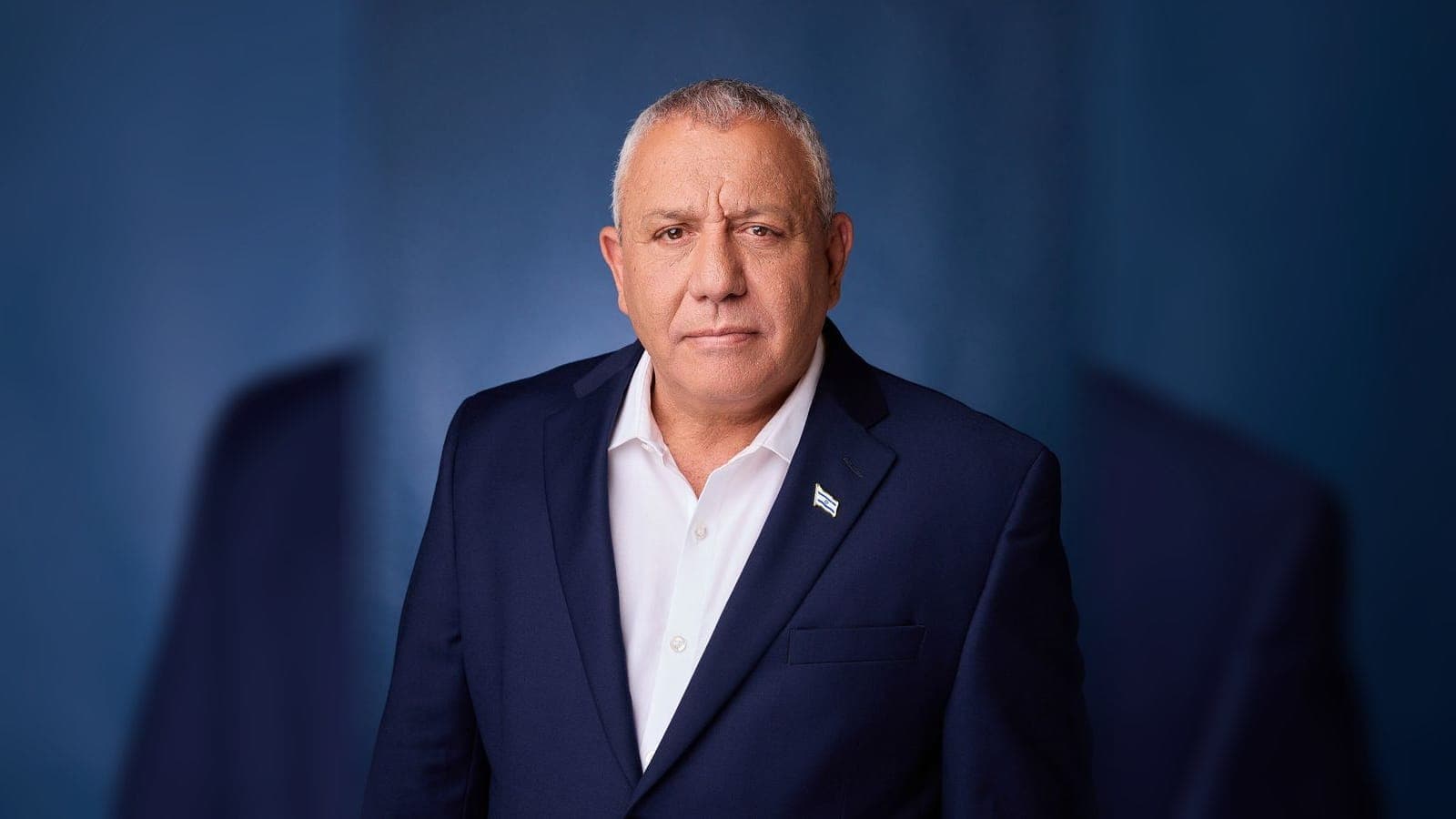
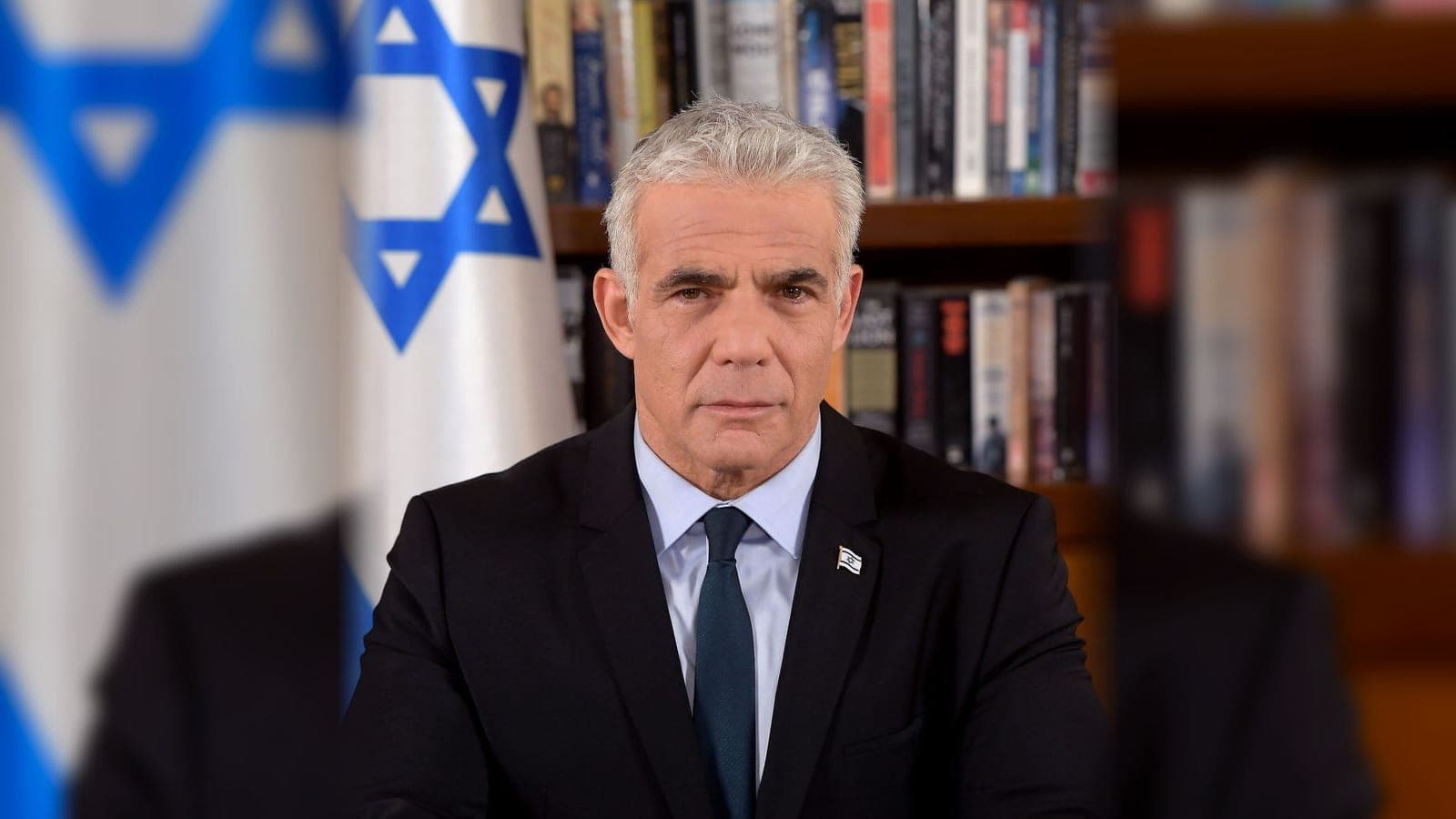
Gadi Eisenkot. File photo by יהב טרודלר (Yahav Trudler - Yahav Studio), CC BY-SA 3.0, via Wikimedia Commons.
The Yashar! party, led by Gadi Eisenkot, announced on Wednesday evening that it had completed an initial round of negotiations with every party in Israel's so-called change bloc. According to the party's statement, as published by political commentator Amit Segal, the purpose of the talks is to set up a national emergency government as soon as possible, and additional meetings have already been arranged.
Two outlets named the parties involved. N12 correspondent Dafna Liel reported that the round covered Beyachad, the Democrats and Yisrael Beytenu, and News.co.il gave the same three names, adding that the sides discussed the possibility of an emergency government and set dates for follow-up contacts. Ynet carried the announcement as a breaking alert, describing the talks as having included all parties of the change bloc.
On the ground

Shin Bet Unit 730 is going to take over security for Yashar Party leader Gadi Eisenkot after months of back-and-forth. ✍️: @IKweller @SarahBenNun jpost.com/israel-news/ar…
Who Yashar! is
Yashar! (the Hebrew word means straight or honest, and the party styles its name with an exclamation mark) is the political vehicle of Gadi Eisenkot, a former chief of staff of the Israel Defense Forces (IDF) who later served in the Knesset, Israel's parliament. News.co.il referred to the party as Yashar! with Eisenkot, underlining how closely the list is identified with him personally. The statement released on Wednesday came from the party itself rather than from Eisenkot in his own name.
The parties at the table
The three parties named by N12 and News.co.il represent different strands of the opposition to Prime Minister Benjamin Netanyahu's camp:
- Beyachad (Hebrew for together) was listed first by both outlets. The reports do not describe its leadership or composition.
- The Democrats is the centre-left party led by Yair Golan, formed through the merger of the Labor party and Meretz.
- Yisrael Beytenu (Israel Our Home) is the right-wing secular party led by Avigdor Liberman, which has drawn much of its support from immigrants from the former Soviet Union.
None of the reports said that any of these parties had commented on the talks or confirmed the account given by Yashar!.
Get an email the day Israel has a new government.
Coalition talks can take weeks. When a government is sworn in, Israel.com's newsroom emails who leads it, which parties are in and who got which ministry, then the Friday email each week. Free, and one click unsubscribes.
One list, unsubscribe in a click. See our privacy policy.
What the change bloc means
In Israeli political shorthand, the change bloc refers to the parties that position themselves as an alternative to a government led by Netanyahu and his allies. The term dates back to an earlier coalition built from parties across the left, centre and right that were united mainly by that goal. Because Israel's Knesset is elected by proportional representation and no single party has ever won a majority on its own, any government must be assembled from several parties, and negotiations of the kind Yashar! describes are the standard first step in that process.
What an emergency government is
The phrase used in the statement, memshelet chirum leumit, translates as national emergency government. In Israeli usage it describes a government formed on the argument that the country faces circumstances serious enough to justify setting aside ordinary partisan divisions, typically drawing in parties that would not otherwise sit together. The Yashar! statement did not explain what emergency it had in mind, what such a government would prioritise, or which parties beyond the change bloc it would hope to include.
Next story Elections
Eisenkot says change bloc will move fast on emergency government and Knesset
Differences in how the talks were described
The reports agree on the core facts: a first round has been completed and further meetings are set. They differ somewhat in framing. The party's own wording, as quoted by Segal, presents the emergency government as the declared goal of the talks, to be established at the earliest possible moment. News.co.il put it more cautiously, saying the parties discussed the possibility of forming such a government, and headlined its item as Eisenkot advancing contacts. The Segal and Ynet versions refer to all the change parties without naming them, while N12 and News.co.il specify three. Whether the change bloc consists only of those three parties in this context, or whether the shorter versions simply omitted the names, is not clear from the material.
What the reports do not say
None of the reports includes a response from Beyachad, the Democrats or Yisrael Beytenu, so the account of the talks rests on the Yashar! statement alone. The reports do not say when the next meetings will take place, who attended the first round, whether any agreements or disagreements emerged, or who would lead the proposed emergency government. They also do not say whether parties outside the change bloc have been or will be approached.
Read next
All government →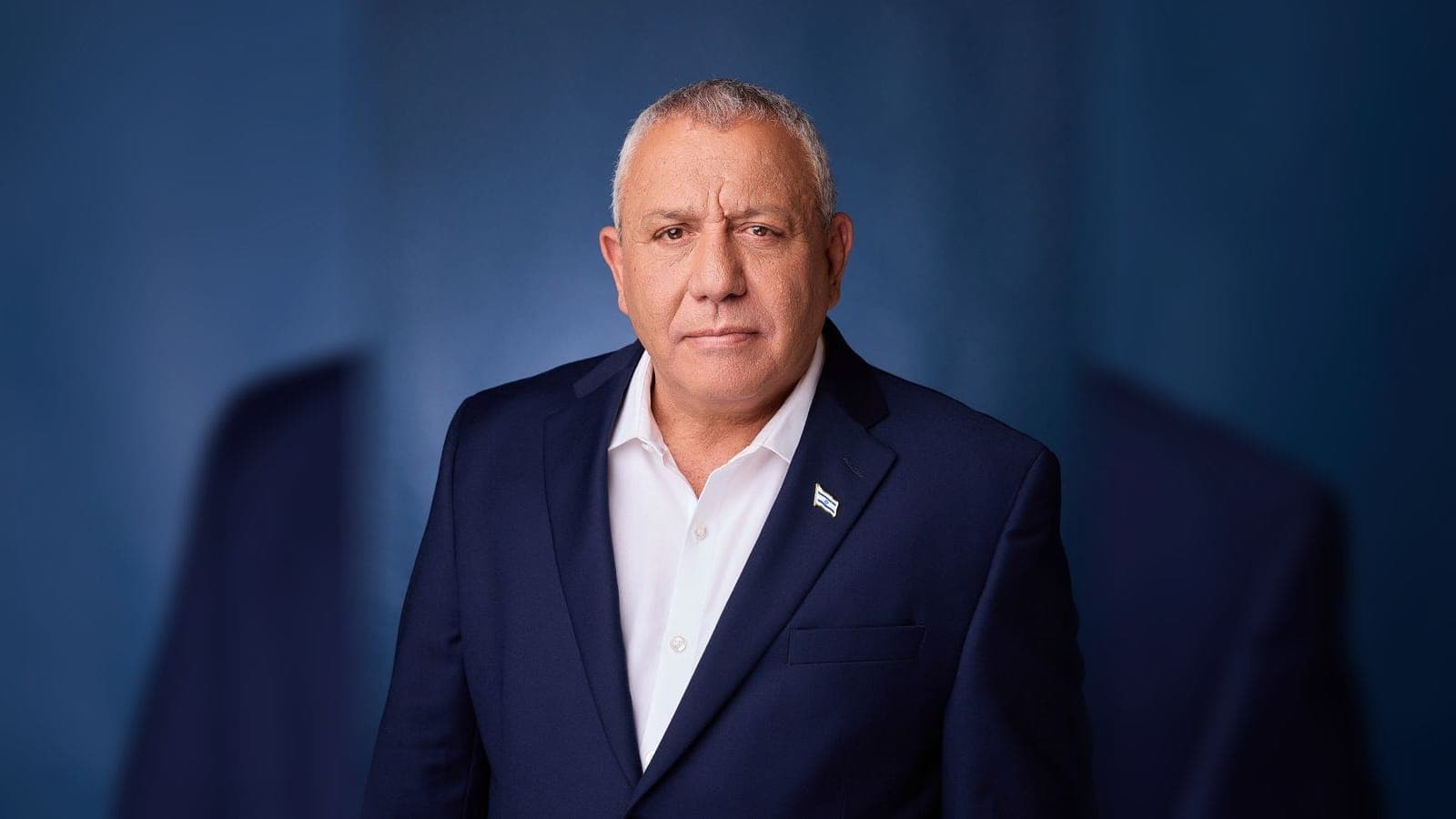
File photo
Security
Shin Bet Unit 730 to guard Gadi Eisenkot after 'traitor' shouts at his home
File photo
Elections
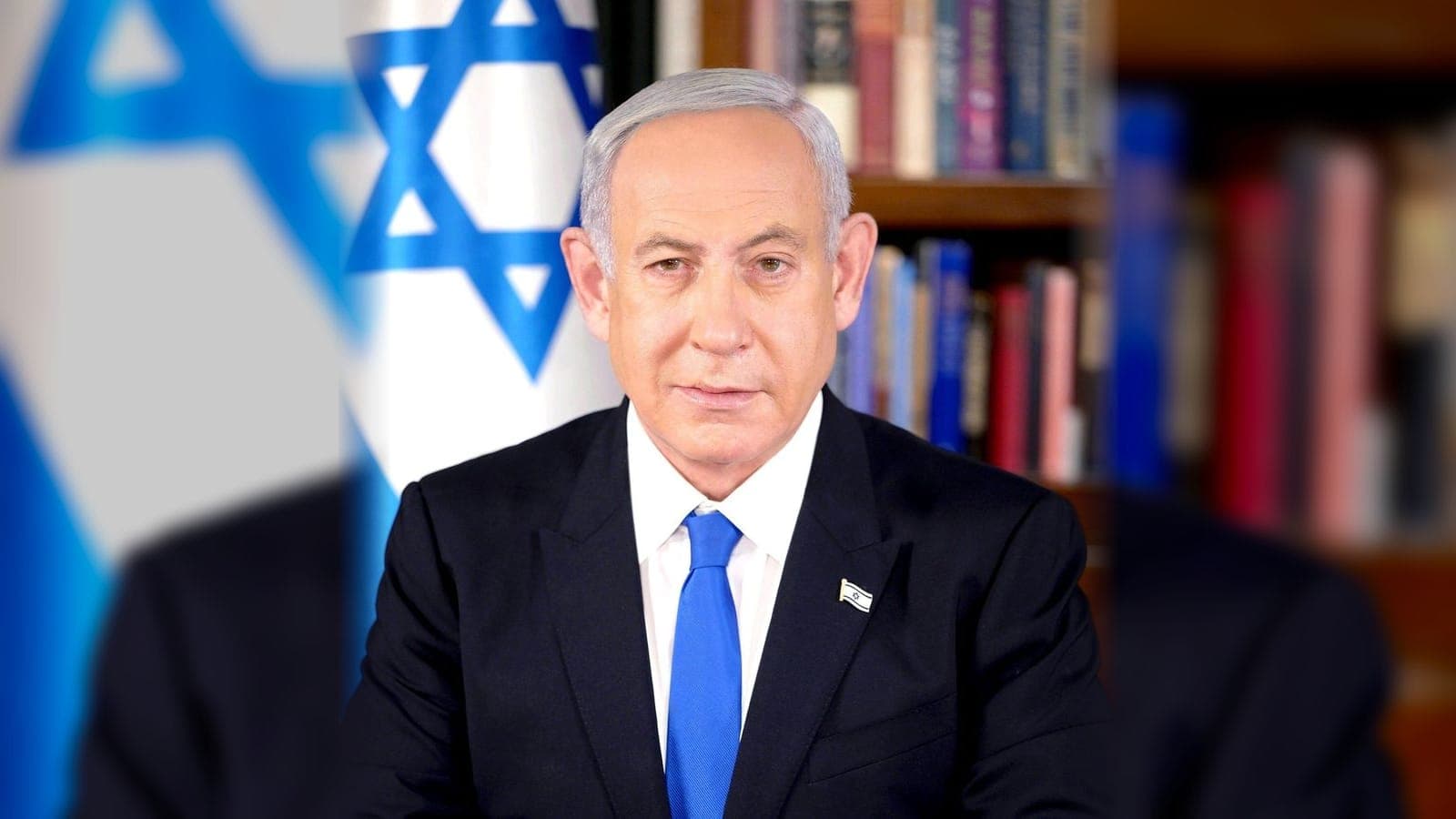
Yashar billboards accuse Netanyahu and Magal after 'monkey' slur on Eisenkot
File photo
Elections
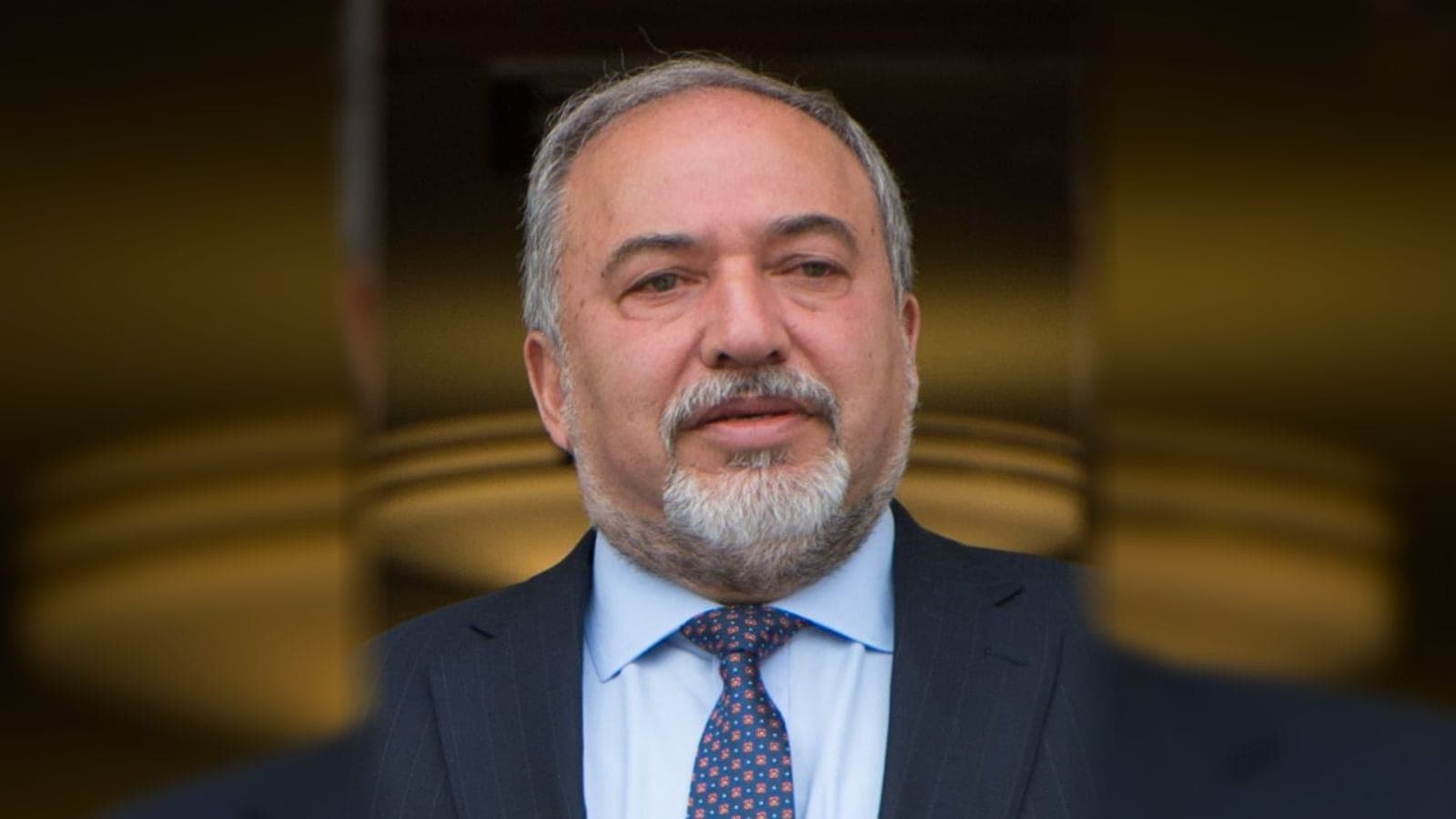
Liberman backs Eisenkot for PM, Lapid for speaker, rules out Netanyahu
File photo
Elections
Lapid and Eisenkot meet after Knesset election to coordinate next steps
Sources and further reading
Every link below was opened and checked when this page was written. Official statements are marked as such: they are the subject's own account, not an independent one.
- Reportingyediotht.meYnet alerts
- Reportingamitsegalt.meAmit Segal
- Reportingnewssilt.meNews.co.il
- Reportingkeshett.meN12
How we checked this
Ynet, N12, News.co.il and commentator Amit Segal all reported the announcement, but every account traces back to a single statement from Yashar! itself. The names of the three parties come from N12 and News.co.il, and no other party's confirmation was reported.
Our sourcing and corrections policy →The week from Israel, in one email
The stories that mattered, sourced and checked by the Israel.com newsroom. Free, weekly, one-click unsubscribe.
One list, unsubscribe in a click. See our privacy policy.

Israel.com is free, and readers like you keep it that way.
The Israel.com newsroom checks every story against its sources and publishes it free. If this one helped, a contribution of any size keeps the next one free too.
One payment, nothing to sign up for. Another amountGive monthly
Latest
- Trump denies CBS report that he is weighing firing Defense Secretary Hegseth
- Trump calls Vance's Iran war midterm verdict 'largely true' but says war was worth it
- Iran's Mohsen Rezai claims a double 'defeat' for Trump after US midterms
- Vance, on X, ties Republican midterm losses to Iran war and Israel ties
- Israel says Gaza City strike killed Hamas commander who held Omer Shem Tov
- Deri asked to quit after Shas fell to 6 seats; rabbis reportedly told him to stay