Netanyahu calls for a unity government, but only with all his coalition allies
In a video statement on November 7, Netanyahu urged a national unity government while insisting his far-right and ultra-Orthodox partners stay in, and his rivals dismissed it.
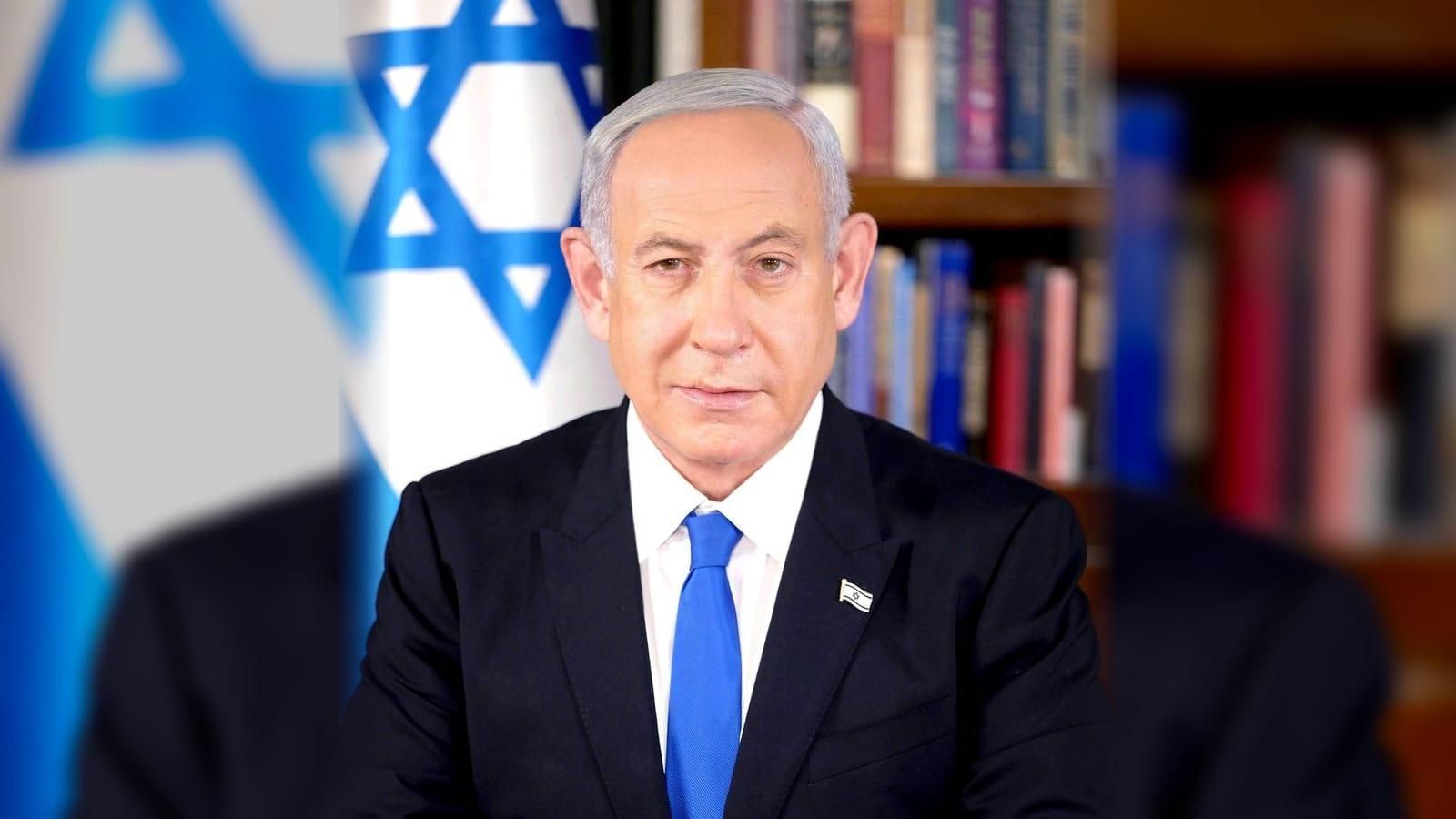
Benjamin Netanyahu. File photo by Avi Ohayon, CC BY-SA 3.0, via Wikimedia Commons.
Prime Minister Benjamin Netanyahu on Saturday called for a government of national unity bringing together what he described as all the Zionist parties and the national camp, according to a Ynet news alert. The appeal came in a pre-recorded video released by his Likud party on November 7, 2026, and was aimed at the parties of the so-called change bloc that opposes him, The Times of Israel reported.
The offer carried a condition. The Times of Israel said Netanyahu wants any such government to keep every partner from his outgoing coalition alongside Likud: Religious Zionism and Otzma Yehudit, two factions on the far right, as well as the Haredi parties. He did not say who would head it. Ynet characterised the move as a holding action, saying it came as Netanyahu worries that his rival Gadi Eisenkot could draw the ultra-Orthodox parties into a government of his own.
On the ground

Netanyahu: This is a time for unity, yet there are those who intend to hastily swear in a government that includes terror supporters
A shift in Netanyahu's language since the vote
The Jerusalem Post described the statement as Netanyahu's first call for a unity government since the election, and Ynet likewise said it was the first time he had used that phrase. The Times of Israel traced how his wording has moved over recent days. Hours after polling stations closed on October 27, he spoke of building a strong, right-wing national coalition. On November 2 he was calling for a broad national government under his own leadership. Saturday's appeal for unity is the latest step in that progression, though, as the reports note, he still wants his current bloc kept whole.
In Israel no single party has ever won an outright majority in the Knesset, the parliament, so governments are formed by coalition. The phrase "national unity government" usually refers to an arrangement in which the main rival camps sit together, rather than one bloc governing with the other in opposition.
Warnings about the Arab parties
Much of the statement was devoted to warning against the alternative. Haaretz reported that Netanyahu accused his opponents of planning to govern with "terror supporters" who, in his words, want to destroy Israel and establish a Palestinian state in its place. The Times of Israel said he applied the "terror supporters" label to the Arab parties and warned that a government relying on them would ruin the country.
Get an email the day Israel has a new government.
Coalition talks can take weeks. When a government is sworn in, Israel.com's newsroom emails who leads it, which parties are in and who got which ministry, then the Friday email each week. Free, and one click unsubscribes.
One list, unsubscribe in a click. See our privacy policy.
The outlets summarised this part of the message in different terms. The Jerusalem Post headlined his warning as one about "coalitions with Islamists", Haaretz framed it as a warning about "Hamas supporters", and The Times of Israel focused on his claim that Arab parties want to eliminate Israel. The reports available here do not include a full transcript, so the exact wording he used for each group is not clear from the material.
Who the other players are
Eisenkot, a former chief of staff of the Israel Defense Forces, is the figure Ynet identifies as Netanyahu's main challenger for the premiership. Ynet reported that Eisenkot called the prime minister hysterical and said he should break up his alliance with the extremists in his camp.
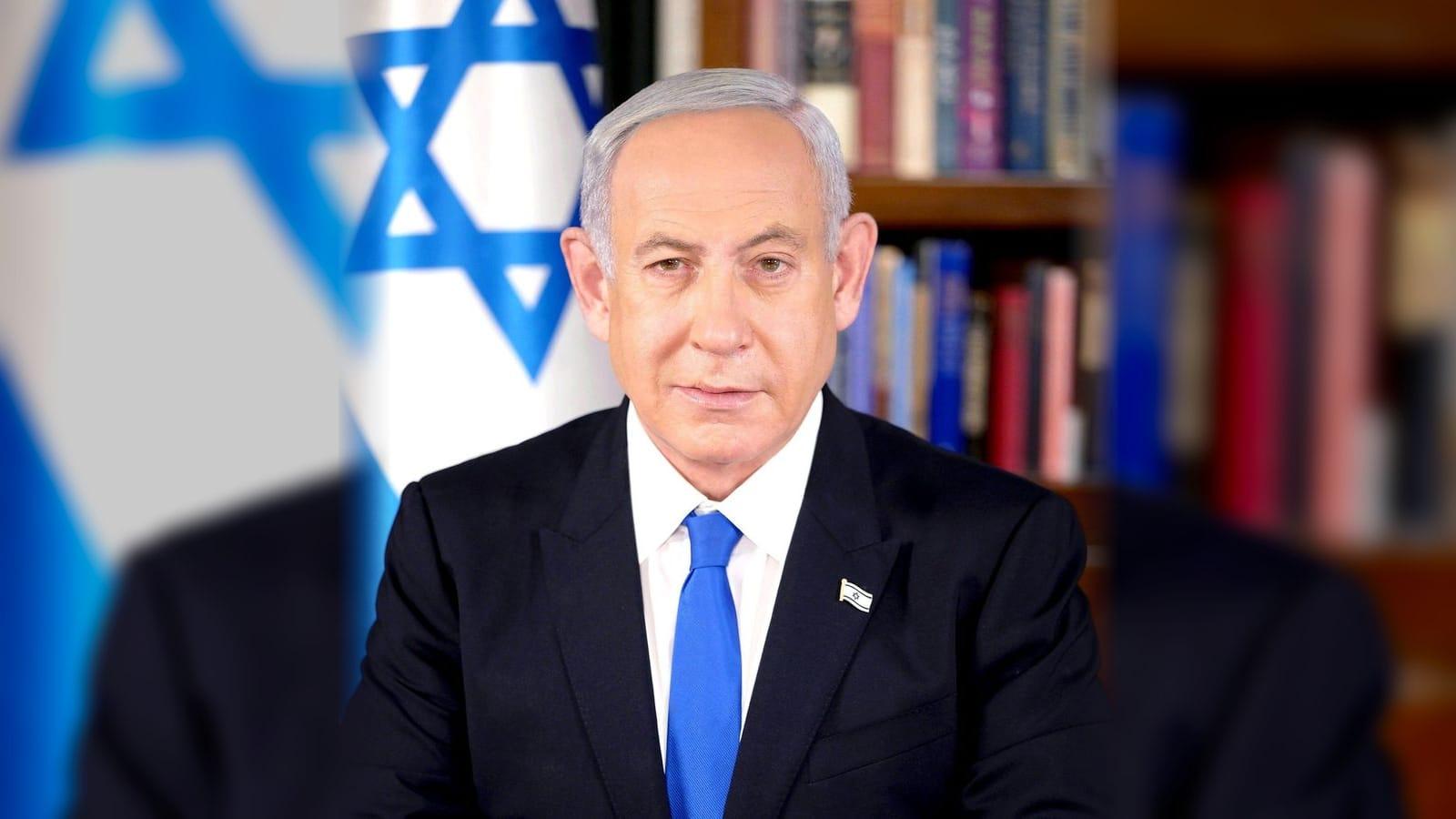
File photo
Ynet also reported that Eisenkot's side has pledged to form a national emergency government and has ruled out sitting with Netanyahu for as long as he stays tied to Itamar Ben Gvir, the leader of Otzma Yehudit. Until that changes, they described the unity call as a pathetic spin, according to Ynet.
The ultra-Orthodox, or Haredi, parties are central to the arithmetic. Ynet said a politician it identified as Golan is open to a partnership with them but has set a list of strict conditions, summed up in the line that the Haredim would meet his side in Ramat Gan and not in Bnei Brak. Bnei Brak is a largely ultra-Orthodox city next to Tel Aviv, and Ramat Gan is its secular-leaning neighbour; the remark signals that any deal would be on his terms rather than theirs.
What the reports do not say
- Netanyahu did not say who would lead the unity government he proposed, and none of the reports indicate whether he would accept anyone other than himself.
- No response from the Arab parties to the "terror supporters" accusation appears in the material.
- The reports do not record any reply from the ultra-Orthodox parties to either Netanyahu's appeal or the conditions set out by Golan.
- Netanyahu's claims about what his opponents intend are presented in the reports as his own assertions, with no supporting evidence cited.
Read next
All government →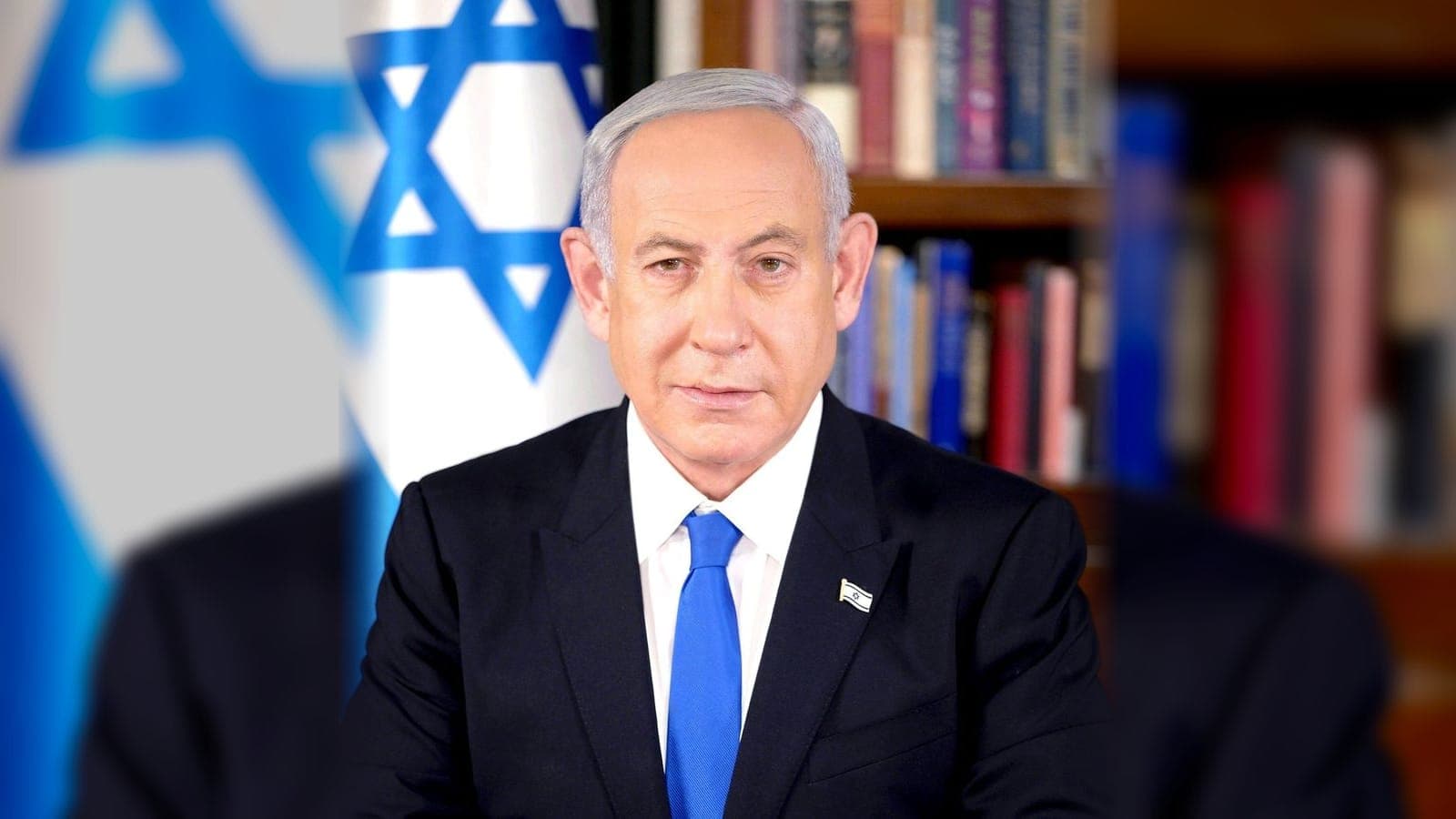
File photo
Elections
Netanyahu breaks 8-day silence, warns against government reliant on Arab parties
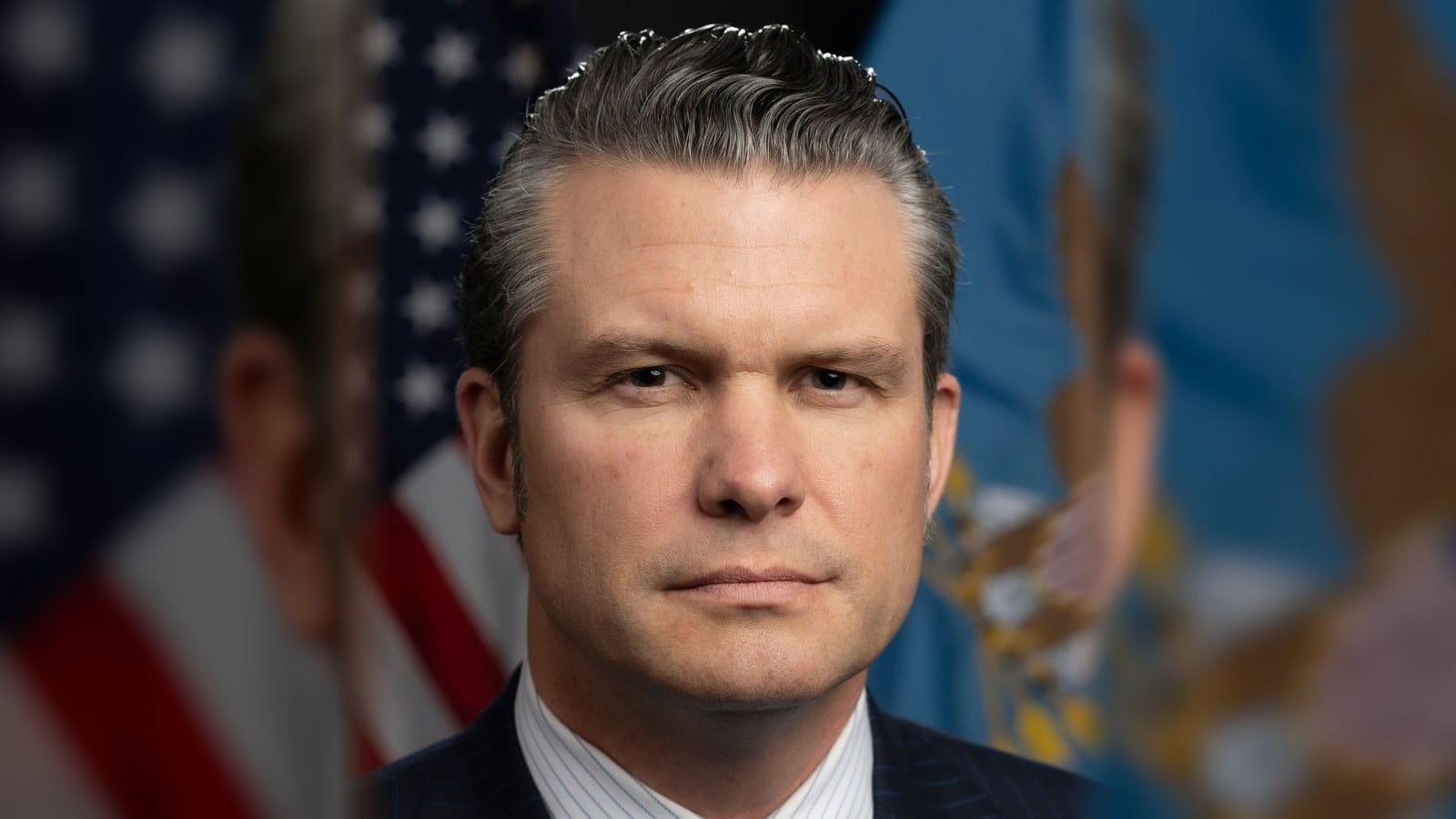
File photo
Government
White House voices support for Pete Hegseth as dismissal talk circulates
File photo
Government
Trump says US is talking to Iran as Qatar-mediated talks show progress

Illustration
Government
Houthis seek $51 billion and recognition from Saudi Arabia in truce talks
Sources and further reading
Every link below was opened and checked when this page was written. Official statements are marked as such: they are the subject's own account, not an independent one.
- Reportingyediothynet.co.ilYnet
- Reportingyediotht.meYnet alerts
- Reportingjpostjpost.comThe Jerusalem Post
- Reportingtoitimesofisrael.comThe Times of Israel
- Reportinghaaretzhaaretz.comHaaretz
How we checked this
The call itself was reported by Ynet, The Jerusalem Post, The Times of Israel and Haaretz. Reactions from Eisenkot's camp and from Golan are attributed to Ynet alone, and the outlets describe Netanyahu's warning about Arab parties in differing terms.
Our sourcing and corrections policy →The week from Israel, in one email
The stories that mattered, sourced and checked by the Israel.com newsroom. Free, weekly, one-click unsubscribe.
One list, unsubscribe in a click. See our privacy policy.

Israel.com is free, and readers like you keep it that way.
The Israel.com newsroom checks every story against its sources and publishes it free. If this one helped, a contribution of any size keeps the next one free too.
One payment, nothing to sign up for. Another amountGive monthly
Latest
File photo

File photo

Illustration

Illustration

Illustration
File photo