Netanyahu says any government he forms will include the Haredi parties
Amid reported talks between the rival change bloc and the ultra-Orthodox parties, Netanyahu called for national unity and a law on yeshiva students agreed with his Haredi allies.
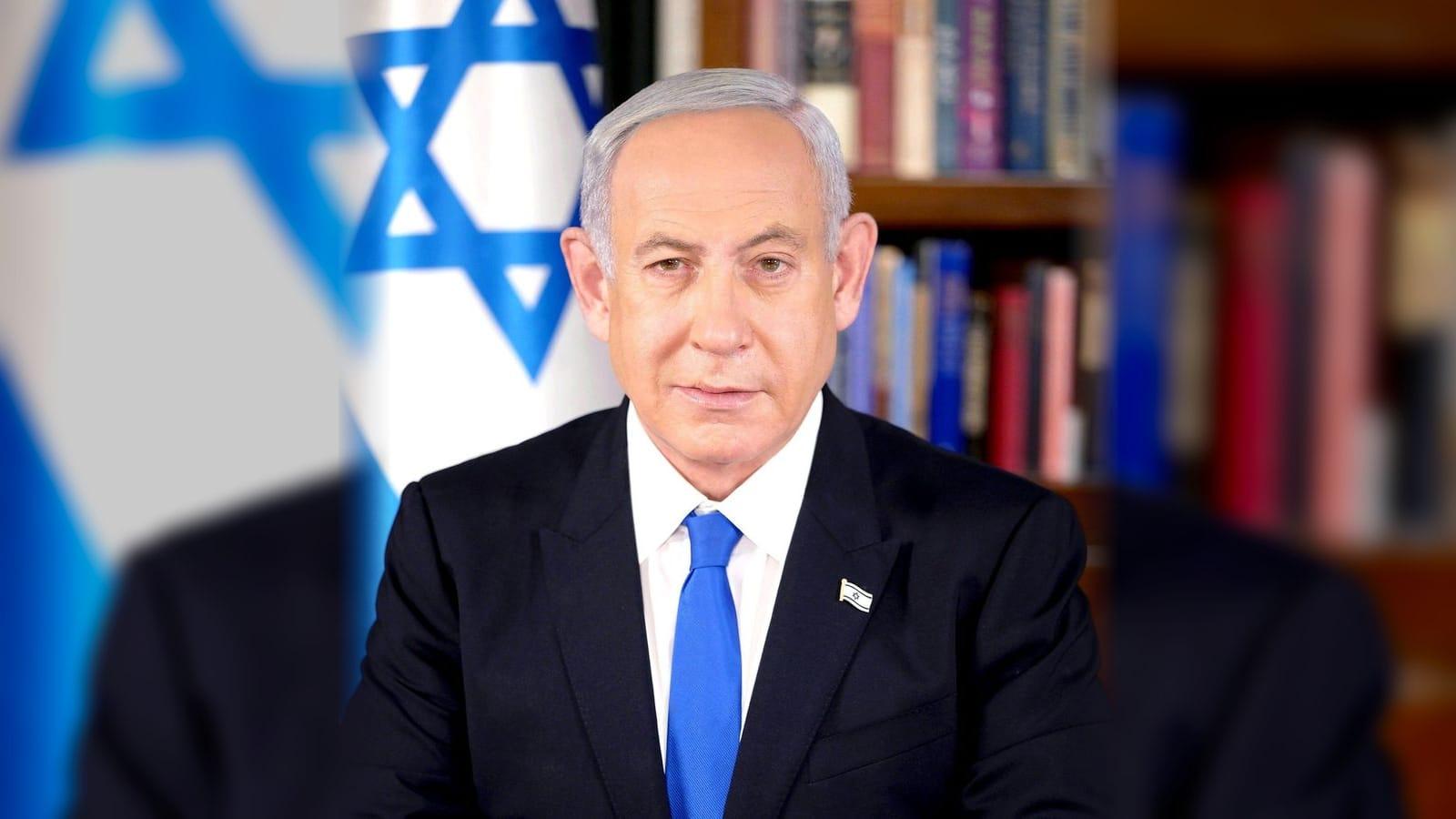
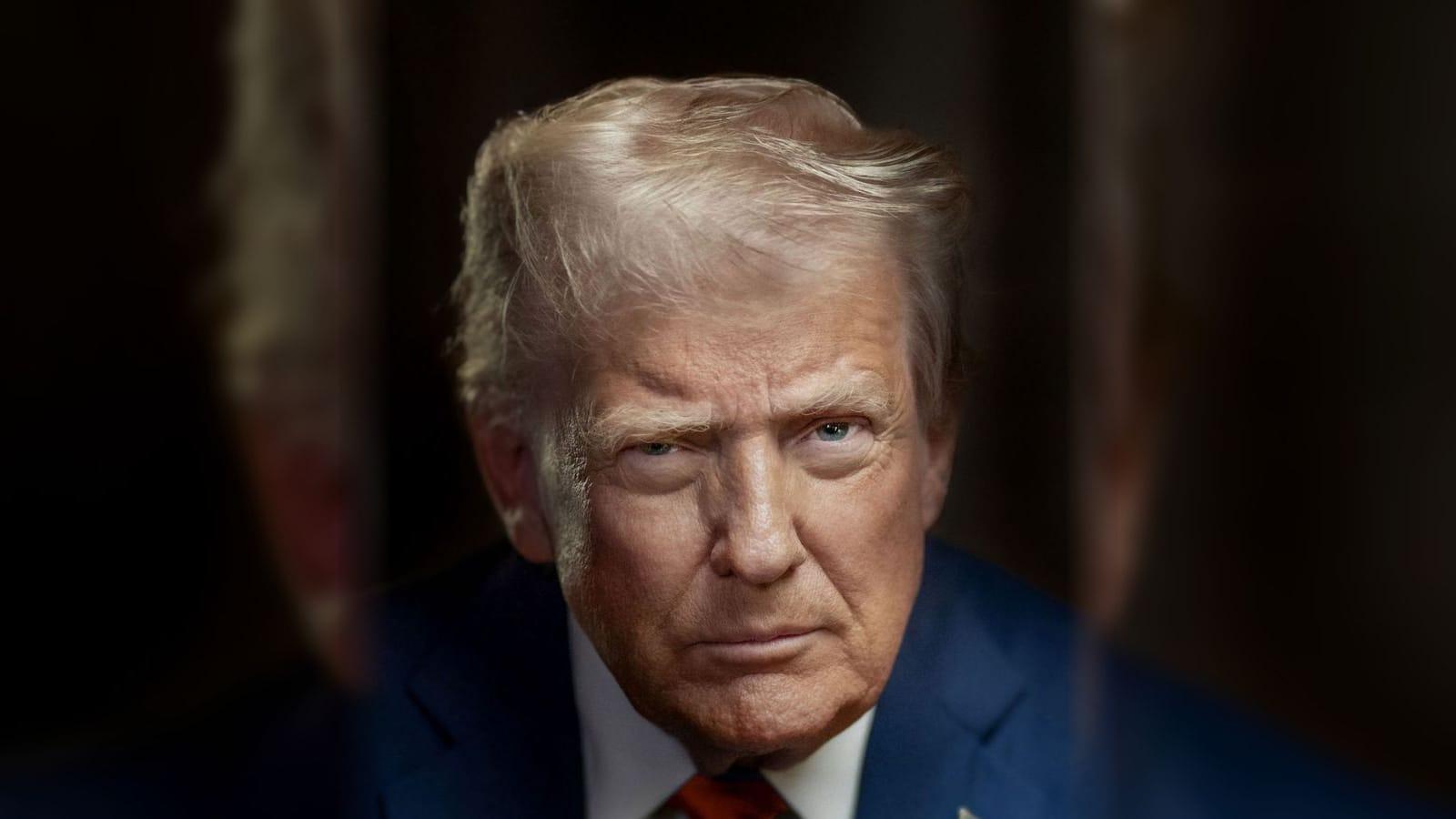
Benjamin Netanyahu. File photo by Avi Ohayon, CC BY-SA 3.0, via Wikimedia Commons.
Prime Minister Benjamin Netanyahu said that any government established will include his ultra-Orthodox, or Haredi, partners, and that the status of full-time religious students will be settled in legislation agreed with them. The statement, posted on his X account, also called for a national unity government that would bring together every party that regards Israel as the state of the Jewish people.
N12 political correspondent Dafna Liel reported that the remarks came against the background of reports of progress in negotiations between the so-called change bloc and the Haredi parties. The Times of Israel framed the statement as Netanyahu stressing that the Haredim would stay inside any unity coalition while talks on forming a government continue. The same text was carried by Ynet, by News.co.il and by commentator Amit Segal.
What the sources posted

ממשלת אחדות לאומית היא הממשלה היחידה שיכולה להתמודד עם האתגרים שבפנינו. כדי לעשות זאת היא צריכה לכלול את כל המפלגות שרואות במדינת ישראל את מדינתו של העם היהודי. בכל ממשלה שתוקם, אנחנו נלך יחד עם שותפינו החרדים ונסדיר בחוק מוסכם איתם את מעמד לומדי התורה.
On the ground

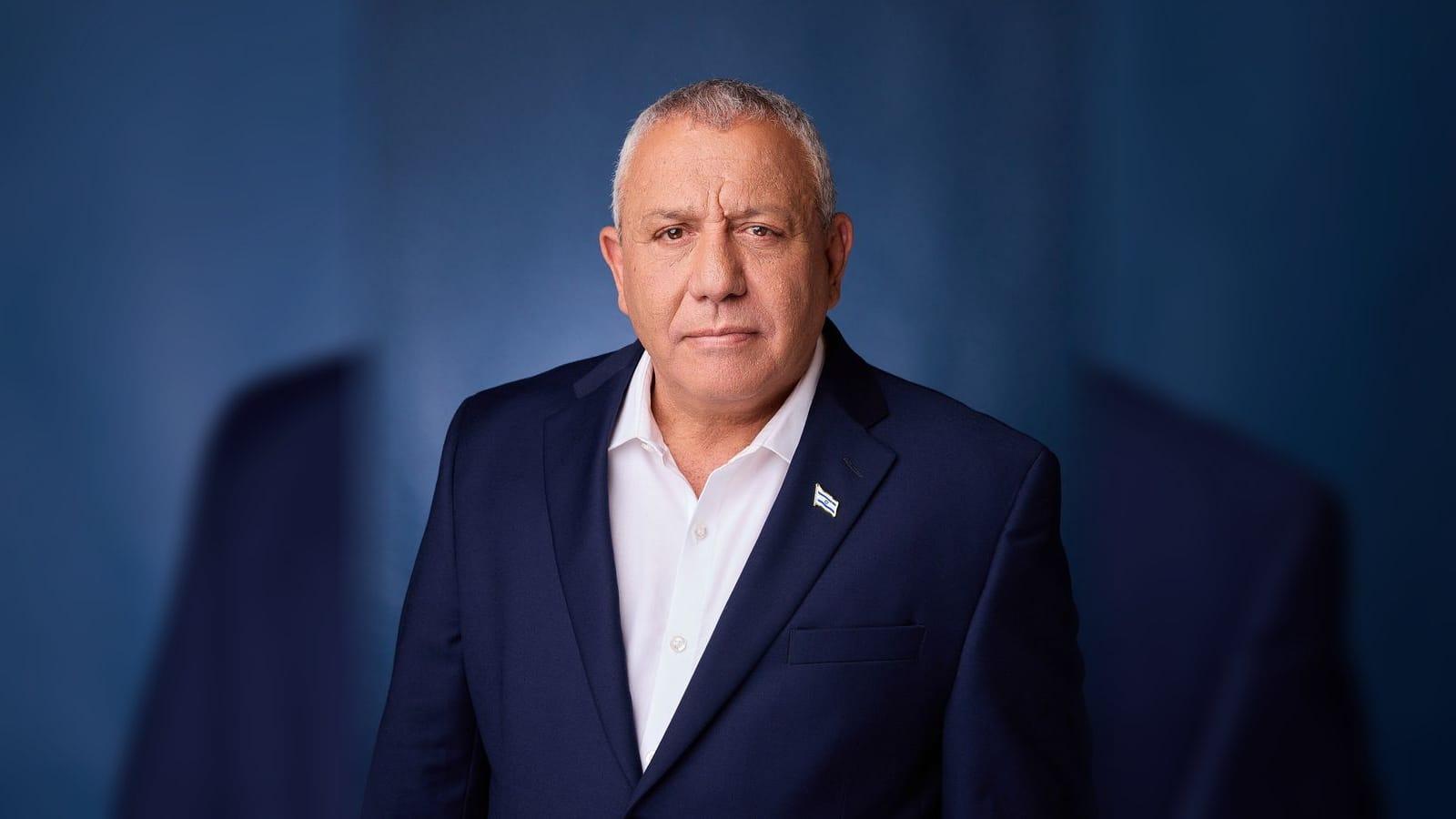
Benjamin Netanyahu has urged opposition leader Gadi Eisenkot to form a unity government with his Likud party. Eisenkot, who has until December 6 to form a government, dismissed the appeal as a "ploy".
What Netanyahu wrote
In his post on X, written in Hebrew, Netanyahu argued that a national unity government is the only kind able to meet the challenges Israel faces. To do that, he wrote, it must contain all parties that see Israel as the state of the Jewish people.
He then added a commitment: in whatever government is formed, his side will "go together with our Haredi partners" and will regulate the status of Torah learners in a law "agreed with them". These are claims about his intentions, and the post does not say which other parties he has in mind for a unity government or whether any have agreed to join one.
Who the Haredi parties are
Haredi is the Hebrew term for ultra-Orthodox Jews, a community that organises much of its life around religious study and observance. In the Knesset, Israel's parliament, the community is represented by its own parties, which have for years been central partners in coalitions led by Netanyahu's Likud party. Their support has often been decisive in giving him a governing majority.
Israel's week in five stories, every Friday
Sourced and checked by the Israel.com newsroom, with Shabbat times. Free, one-click unsubscribe.
One list, unsubscribe in a click. See our privacy policy.
By describing them as "our Haredi partners", Netanyahu signalled that he regards the alliance as continuing whatever shape the next government takes. The phrasing matters because, according to N12, the rival camp has been reported to be making progress in its own talks with these same parties.
What the status of Torah learners means
"Torah learners" refers to men who study full time in yeshivas, the religious seminaries at the heart of Haredi life. Their status is shorthand for one of the most contested questions in Israeli politics: whether, and on what terms, yeshiva students are exempt from the military service required of most Jewish Israelis.
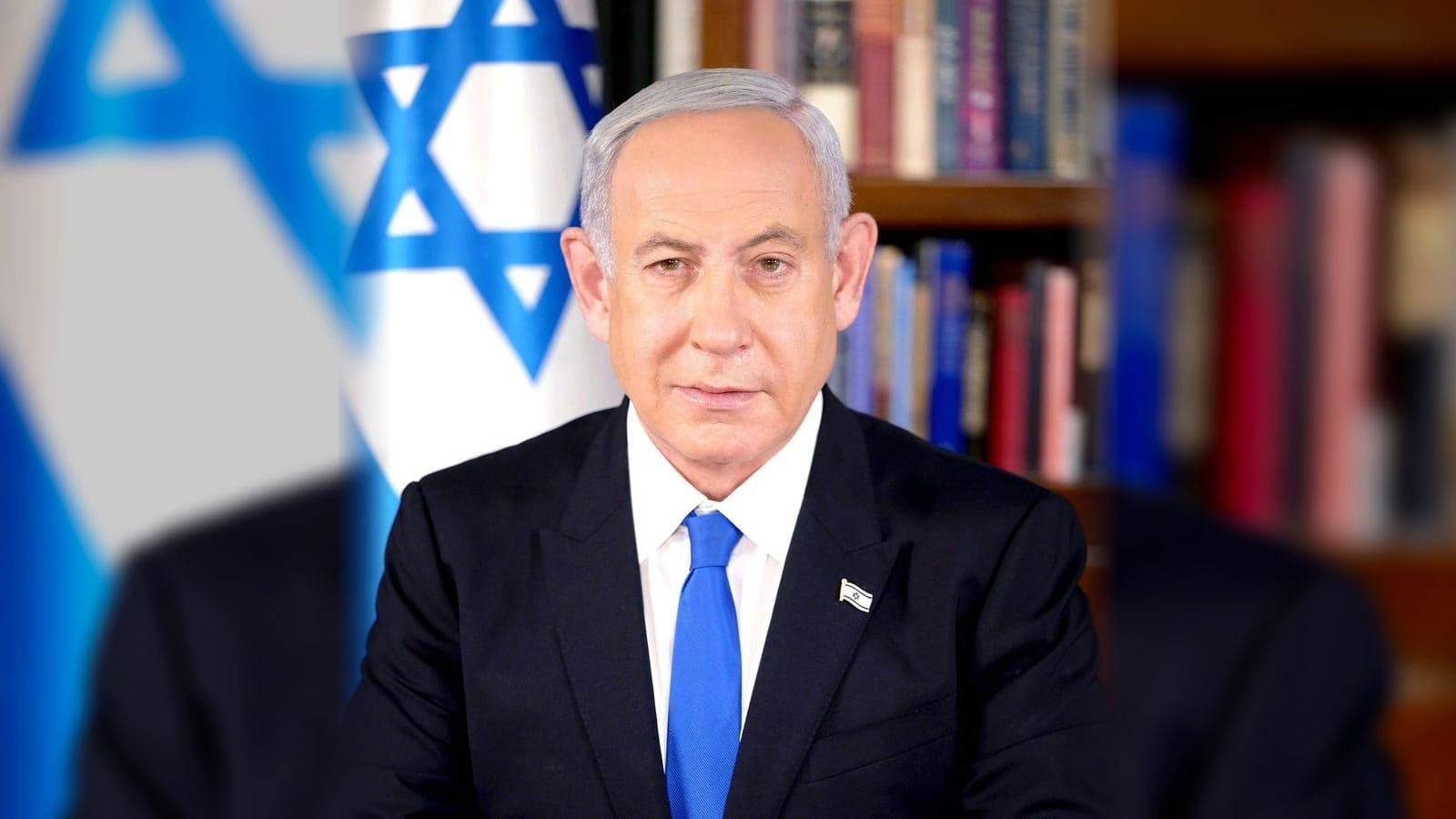
File photo
Next story Courts & Crime
Judges approve delay to Attorney General's appearance in Netanyahu trial
Haredi parties have long sought to anchor the arrangement in law, while critics argue that the burden of service should be shared more equally. Netanyahu's promise to settle the matter through legislation agreed with the Haredi parties is therefore an offer on their core demand. His statement did not describe what such a law would contain.
The change bloc and coalition arithmetic
The term change bloc is used in Israeli politics for the camp of parties opposed to Netanyahu continuing as prime minister. Under Israel's parliamentary system, no single party wins a majority alone, so governments are built through negotiations between parties until one candidate can command the confidence of the Knesset.
That makes the Haredi parties potentially pivotal. If, as N12 reported, the change bloc has been advancing talks with them, Netanyahu's statement can be read as a public bid to keep them on his side, combined with a call to broaden his coalition through a unity arrangement. The reports themselves do not go beyond describing the statement and its timing, and no outlet quoted reaction from either the Haredi parties or the change bloc.
What the reports do not say
- None of the reports carries a response from the Haredi parties or from the change bloc to Netanyahu's statement.
- The reports of progress in talks between the change bloc and the Haredim are cited by N12 as background, without details of what has been discussed or agreed.
- Netanyahu did not name which parties he would invite into a national unity government, and no party is reported to have accepted.
- The content of the proposed law on yeshiva students has not been published.
Read next
All religion →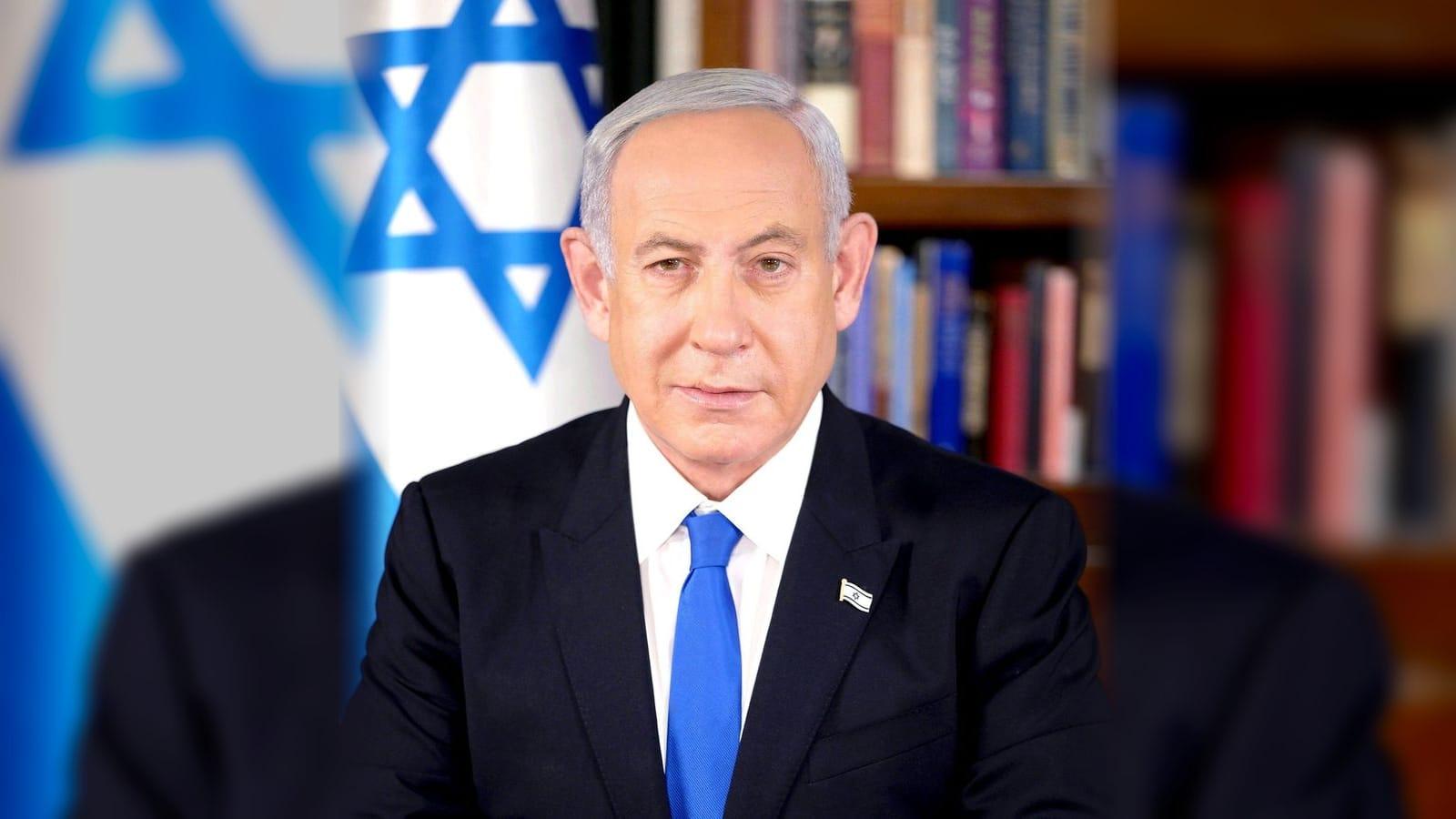
File photo
Government
Netanyahu offers unity talks without preconditions; Eisenkot calls it spin
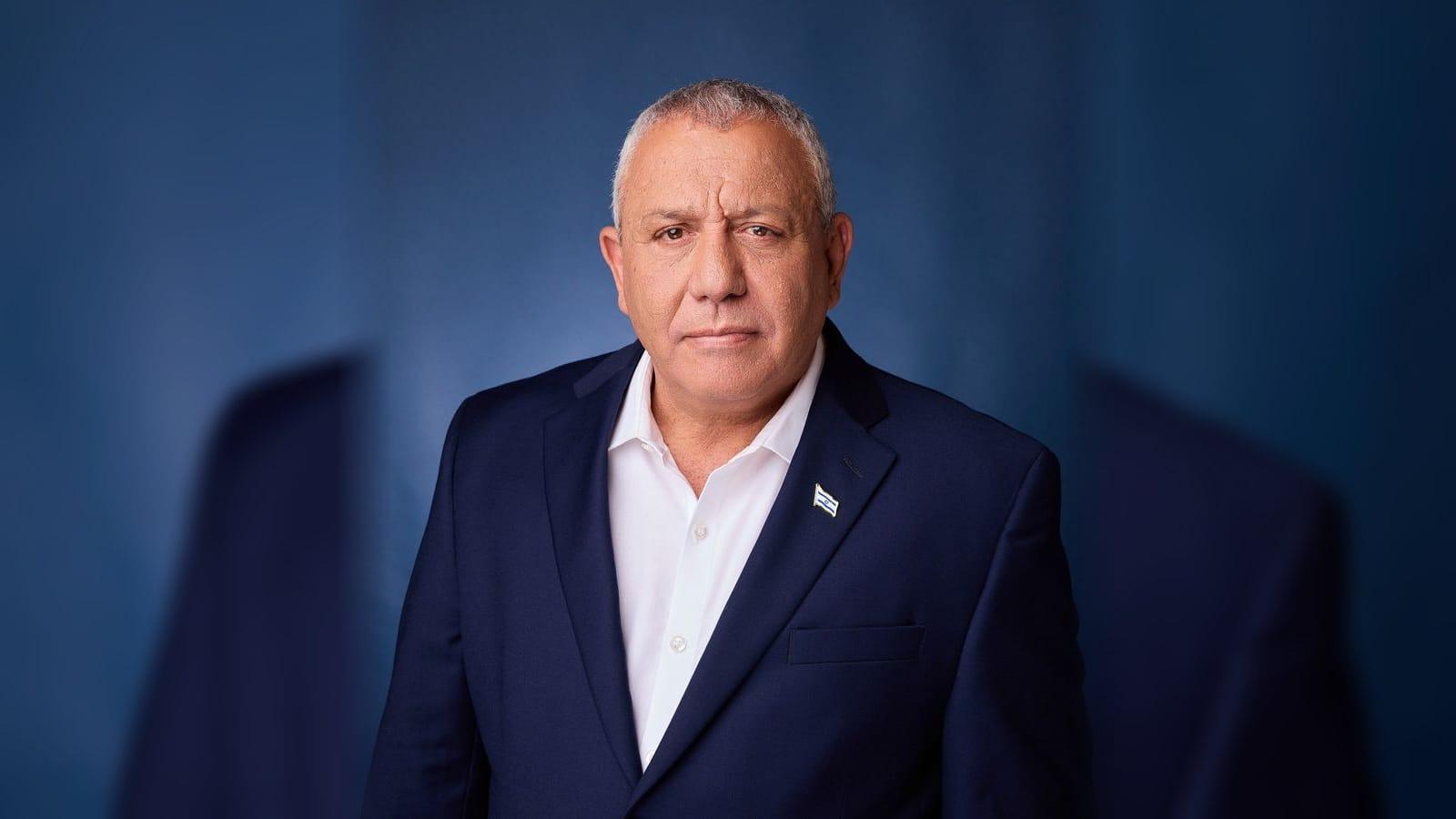
File photo
Security
Eisenkot camp and Haredi parties hit a wall over the military draft

Illustration
Religion
Haredi dailies Yated Neeman and Hamodia distance themselves from the right
File photo
Government
Eisenkot and Lieberman agree on Knesset speaker and Haredi outreach, reports say
Sources and further reading
Every link below was opened and checked when this page was written. Official statements are marked as such: they are the subject's own account, not an independent one.
- Officialnetanyahux.comBenjamin Netanyahu on X
- Reportingyediotht.meYnet alerts
- Reportingtoitimesofisrael.comThe Times of Israel
- Reportingamitsegalt.meAmit Segal
- Reportingamitsegalt.meAmit Segal
- Reportingamitsegalt.meNews.co.il
- Reportingkeshett.meN12
How we checked this
The statement appears on Netanyahu's own X account and was carried by Ynet, The Times of Israel, News.co.il, N12 and Amit Segal. The reported progress in talks between the change bloc and the Haredi parties is attributed to N12 alone.
Our sourcing and corrections policy →The week from Israel, in one email
The stories that mattered, sourced and checked by the Israel.com newsroom. Free, weekly, one-click unsubscribe.
One list, unsubscribe in a click. See our privacy policy.

Israel.com is free, and readers like you keep it that way.
The Israel.com newsroom checks every story against its sources and publishes it free. If this one helped, a contribution of any size keeps the next one free too.
One payment, nothing to sign up for. Another amountGive monthly
Latest
Illustration

Illustration
File photo
File photo
File photo

Illustration